
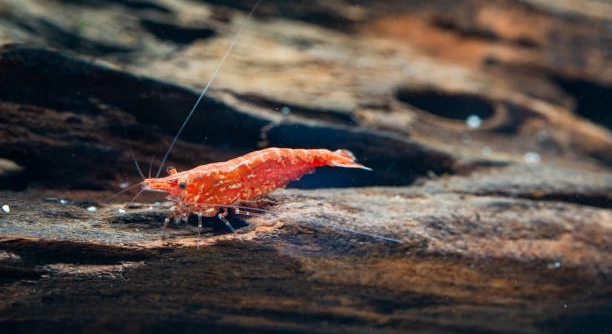
Cherry shrimp are tiny, colorful creatures that brighten many home aquariums. They are delicate and sensitive, so understanding when to leave them alone is key for keeping them healthy and stress-free. Their behavior can change quickly.
Cherry shrimp should not be disturbed during molting, when they are hiding, breeding, sick, adjusting to new water conditions, feeding on delicate foods, or when the tank is being cleaned. Disturbing them during these times can cause stress or injury.
Learning these moments helps you care for your shrimp better. Knowing when to step back ensures their safety and supports a thriving, balanced aquarium environment.
Molting Periods
During molting, cherry shrimp shed their old exoskeleton to grow a new one. This process is critical and leaves them vulnerable. They often hide in plants or decorations, avoiding open spaces. Disturbing them during this time can result in injury or even death. Their soft, newly exposed bodies are sensitive to touch and sudden movements. Stress can delay the hardening of their new shell, making them more susceptible to infections and predators. Even minor disturbances, such as tapping the tank or moving objects, can cause them to retreat further or stop eating. It’s important to observe from a distance and provide plenty of hiding spots. Some shrimp may molt at night, making nighttime activity in the tank potentially stressful. Maintaining stable water parameters also supports a smooth molting process. Feeding should continue, but avoid forcing them to compete for food. Understanding these delicate periods ensures your shrimp grow safely and remain active afterward.
Molting shrimp should be left completely undisturbed until their shells fully harden, usually 24–48 hours.
Providing safe hiding spots and stable tank conditions reduces stress during molting. Regular observation helps you track their progress without interference.
Hiding and Resting
Cherry shrimp often retreat to quiet areas when they need rest or feel insecure. Hiding is a natural behavior that protects them from stress and potential threats. During these times, it’s best not to disturb them. Sudden movements or tapping the glass can startle them and increase stress levels. Some shrimp prefer dense plants, rocks, or moss to feel secure, while others might hide under tank decorations. Respecting their need for privacy helps them feel safe and maintain normal behavior. Frequent disturbance can make shrimp nervous, affecting feeding and breeding patterns. Observing without interacting too much allows you to enjoy their behavior without causing harm. If you notice consistent hiding, check water parameters, as poor conditions can lead to stress. Adjusting feeding routines and tank layout may also encourage more visible activity, but only when the shrimp seem ready to explore. Properly understanding their resting habits creates a healthier, more balanced aquarium.
Shrimp need quiet spaces to feel safe, and respecting these areas helps them thrive naturally.
Consistent observation, without interference, allows you to monitor health and behavior effectively, supporting long-term well-being in the tank.
Breeding Time
During breeding, cherry shrimp need calm and stable conditions. Disturbing them can interrupt mating or stress females carrying eggs.
Females carrying eggs, called “berried,” are particularly sensitive. Stress can cause them to drop eggs or delay hatching. Males may become less active if constantly disturbed, reducing breeding success. Observing quietly and avoiding changes to the tank layout or water parameters ensures eggs develop safely. Even small disturbances, like tapping on the glass or moving decorations, can negatively impact breeding. Maintaining consistent temperature, pH, and feeding routines supports healthy reproduction. Providing plants and hiding spots gives females confidence to carry eggs until they hatch. Proper care during breeding increases survival rates and promotes a healthy population. Avoid excessive feeding or sudden introduction of new shrimp, as these can cause stress.
Allow breeding shrimp to move freely and avoid handling tank items during this period.
Monitoring water quality and maintaining consistent routines improves breeding success and reduces the risk of egg loss.
Feeding Periods
Shrimp are delicate during feeding, especially when consuming soft or newly introduced foods. They can be easily disturbed.
Introducing new foods should be done carefully. Sudden movements, tapping the glass, or adding too much food can stress shrimp, causing them to hide or leave food uneaten. Feeding times are crucial for growth and molting support. Ensure food is small, appropriate for their size, and placed in areas that allow shy individuals to eat safely. Avoid removing uneaten food too quickly, but also prevent decay, as poor water quality can harm shrimp. Observing from a distance lets you see who is eating and ensures all shrimp get access without direct interference. Providing varied diets with vegetables, algae, and protein sources supports their overall health and activity. Keeping feeding consistent and gentle encourages natural foraging behavior while minimizing stress.
Disturbing shrimp during feeding can reduce intake and affect overall health.
Careful placement of food, stable water conditions, and minimal interference ensures all shrimp feed safely and maintain energy for growth.
Sick or Injured Shrimp
Sick or injured shrimp are highly vulnerable and should not be disturbed. Handling them or moving tank items nearby can worsen their condition and slow recovery.
Observation should be done from a distance. Monitor for unusual behavior, discoloration, or lethargy, and maintain clean, stable water to support healing.
Adjusting to New Water Conditions
Newly introduced shrimp need time to acclimate to water temperature, pH, and hardness. Disturbing them during this period can cause stress or shock. Slowly adjusting water conditions and providing hiding spots ensures they adapt safely. Avoid sudden changes or excessive handling until shrimp are comfortable in the new environment.
Tank Cleaning
During tank cleaning, shrimp should be left in quiet areas. Rapid water changes or moving decorations too quickly can stress them and cause hiding or injury.
Delicate Foods
When feeding soft or perishable foods, shrimp need calm conditions. Disturbing them can reduce feeding efficiency and lead to uneaten food, which may affect water quality.
What should I do if my cherry shrimp is molting?
Molting is a natural process and should never be rushed. Leave your shrimp completely alone until its new shell hardens. Make sure there are plenty of hiding spots, such as plants, moss, or decorations, where it can retreat safely. Avoid moving decorations or tapping on the tank, as even small disturbances can stress them and slow shell hardening. Feeding should continue, but ensure the shrimp has easy access to food without competition. Stable water conditions, including temperature, pH, and hardness, are critical during molting. Observing from a distance allows you to check that the shrimp is safe without interfering.
How do I know if my shrimp is stressed while hiding?
Shrimp often hide naturally, but prolonged hiding can indicate stress. Signs include reduced movement, lack of feeding, or clinging to surfaces in unusual ways. Monitor water parameters to ensure there are no sudden changes causing discomfort. Adjust decorations or provide additional plants to create safer hiding spaces. Avoid tapping the glass or sudden lighting changes, which can increase stress. Frequent observation, without direct interference, helps you determine whether the shrimp is merely resting or experiencing stress. Regular feeding and maintaining stable tank conditions reduce prolonged hiding behaviors and support normal activity.
What is the best way to handle breeding shrimp?
Females carrying eggs are particularly sensitive. Avoid moving them or rearranging decorations, as sudden disturbances can lead to dropped eggs or delayed hatching. Keep water parameters stable, with consistent temperature and pH. Providing plenty of hiding spots ensures females feel secure while carrying eggs. Feeding small amounts regularly supports the nutritional needs of breeding shrimp. Males may also become less active if constantly disturbed, so minimize activity around the tank. Observing quietly allows you to track egg development without causing stress. Over time, maintaining a calm environment and proper water quality improves hatching success and overall shrimp population health.
How often should I clean my tank to avoid disturbing shrimp?
Tank cleaning is essential, but frequent or aggressive cleaning can stress shrimp. Perform partial water changes instead of full replacements to maintain stability. Clean decorations gently without removing all hiding spots. Avoid sudden water parameter changes or moving shrimp during cleaning. Doing smaller, consistent cleanings reduces disruption and helps shrimp remain calm. Observing shrimp during and after cleaning ensures they return to normal behavior quickly. Maintaining proper filtration and avoiding overcrowding also reduces the need for frequent disturbance, creating a healthier environment overall.
What is the best way to feed delicate or new foods to cherry shrimp?
Introduce new or soft foods carefully and in small amounts. Avoid dropping large pieces or placing food directly in open areas where shy shrimp may not reach it. Monitor feeding from a distance to ensure all shrimp can access the food without competition. Remove uneaten food after a few hours to prevent water quality issues. Providing a variety of vegetables, algae, and protein sources supports growth and molting. Avoid disturbing shrimp during feeding, as stress may cause them to hide or avoid the food entirely. Consistent, gentle feeding encourages healthy foraging behavior and reduces stress in the tank.
How can I help sick or injured shrimp recover without causing stress?
Leave sick or injured shrimp undisturbed in quiet areas of the tank. Avoid handling or moving decorations near them, as this can worsen their condition. Maintain clean, stable water with proper filtration and temperature. Observe from a distance to check for unusual behavior or discoloration. Adjust feeding to include softer, easily accessible foods that do not require competition. Avoid adding new shrimp or decorations until the affected shrimp shows signs of recovery. Consistency in water parameters and minimal disturbance helps shrimp regain strength and reduces the risk of further illness.
What precautions should I take when introducing shrimp to a new tank?
Newly introduced shrimp need time to acclimate to water temperature, pH, and hardness. Drastic changes can cause shock or stress. Add shrimp slowly and provide hiding spots for security. Avoid tapping the glass, sudden lighting changes, or rapid movement around the tank during acclimation. Monitor water parameters closely for the first few days and adjust feeding routines gradually. Observing quietly allows shrimp to explore their environment safely and reduces the risk of injury. Proper acclimation ensures shrimp adapt successfully to their new habitat and remain healthy and active.
How do I prevent stress during tank maintenance or water changes?
Stress during maintenance is often caused by sudden water changes, excessive movement, or disturbance of hiding areas. Perform partial water changes consistently and gently clean decorations to maintain stability. Avoid sudden temperature fluctuations or moving shrimp unnecessarily. Observe their behavior afterward to ensure they resume normal activity. Providing plants and hiding spots minimizes stress and helps them feel secure. Small, gradual adjustments to water quality and careful handling of the tank environment ensure shrimp remain healthy, active, and comfortable during routine maintenance.
Why is it important to respect hiding and resting periods?
Hiding and resting periods allow shrimp to conserve energy, molt safely, and feel secure. Constant disturbance can cause stress, reduce feeding, and affect breeding. Provide ample plants and decorations for privacy and monitor water quality to prevent prolonged hiding. Respecting these natural behaviors supports overall health and activity.
How do I know when shrimp are ready to eat after molting or stress?
After molting or periods of stress, shrimp may retreat and avoid food. Watch for movement around feeding areas and signs of nibbling. Introduce small amounts of food gradually and ensure access without competition. Avoid tapping the tank or handling decorations during this time. Patience and observation are key to supporting proper feeding behavior and recovery.
This FAQ provides detailed guidance on handling cherry shrimp respectfully and safely, ensuring they remain healthy, stress-free, and active in your aquarium.
Caring for cherry shrimp requires understanding their natural behaviors and respecting their needs. These tiny creatures are delicate and easily stressed, so knowing when not to disturb them is essential. By paying attention to their molting, hiding, feeding, and breeding patterns, you can help them thrive in a safe environment. Even small disturbances, like tapping on the glass or moving decorations, can cause stress that affects their health. Providing adequate hiding spots, stable water conditions, and consistent feeding routines supports their overall well-being. Observing shrimp from a distance allows you to enjoy their behavior without interfering, and it also helps you notice any signs of illness or stress early on. Being mindful of these factors makes your aquarium a more comfortable and secure place for them.
Understanding specific periods when shrimp should not be disturbed is equally important. Molting shrimp need time and privacy for their new exoskeletons to harden, while females carrying eggs require calm surroundings to protect their developing offspring. Sick or injured shrimp need minimal interaction to recover properly. Even feeding times can be delicate, especially when introducing soft or new foods that require careful placement. Disturbing them during any of these times can reduce their ability to feed, grow, or reproduce successfully. By planning tank maintenance carefully and avoiding sudden changes to water parameters, decorations, or lighting, you can maintain an environment that reduces stress and encourages natural behaviors. Simple steps, like performing gradual water changes and ensuring food is easily accessible, have a significant impact on shrimp health.
Overall, caring for cherry shrimp is about balance and patience. Giving them space when needed, maintaining stable water conditions, and observing without interfering are key to their long-term health. Their small size and delicate nature may seem challenging at first, but with consistent care, they can thrive and display their natural behaviors beautifully. A healthy tank environment supports molting, breeding, and regular feeding while minimizing stress. By learning to recognize the times when shrimp should not be disturbed, you create a safer and more enjoyable habitat for them. These practices not only protect your shrimp but also make the aquarium experience more rewarding. Maintaining calm, consistent care ensures your cherry shrimp remain active, colorful, and healthy, enhancing the overall harmony of your tank and making it a pleasant and balanced space for both the shrimp and their surroundings.

Hello,
If you enjoy the content that we create, please consider saying a "Thank You!" by leaving a tip.
Every little bit helps us continue crafting quality advice that supports the health, happiness, and well-being of pets around the world, for pets of all shapes, sizes, and species.
We really appreciate the kindness and support that you show us!