
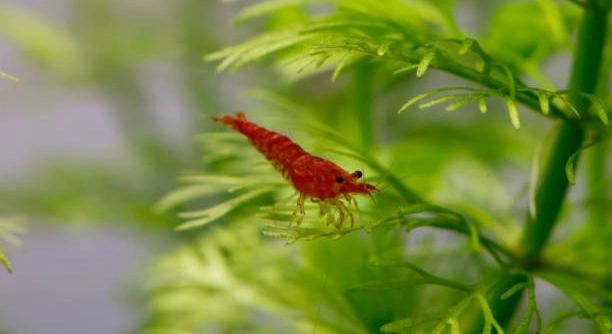
Cherry shrimp are small, colorful freshwater creatures that bring life to aquariums. Their delicate nature means they rely heavily on stable water conditions and proper care to thrive in home tanks. Many shrimp owners enjoy watching their daily activities.
Cherry shrimp can survive short-term power outages, but prolonged lack of aeration and filtration can threaten their health. Maintaining stable water temperature and oxygen levels is critical during outages to prevent stress, illness, and potential fatalities in affected aquariums.
Knowing how to manage sudden power loss helps ensure your shrimp remain safe and healthy, preserving the vibrant life and balance of your tank environment.
Understanding How Power Outages Affect Cherry Shrimp
Power outages can be stressful for cherry shrimp because they rely on consistent water conditions. Without filtration, waste can quickly build up, leading to poor water quality. Oxygen levels may drop, especially in small tanks, putting shrimp at risk. Temperature fluctuations can also occur if heaters are off, which can stress or even kill delicate shrimp. Observing your shrimp during outages can help you detect early signs of distress, such as lethargy or unusual hiding. Preparing in advance with backup power options, like battery-operated air pumps or small generators, can minimize these risks. Even simple measures, like keeping the tank covered to maintain warmth, can make a difference. Taking note of the water’s chemical balance before and after outages helps ensure the shrimp recover quickly. Overall, understanding their sensitivity and planning accordingly ensures that cherry shrimp can survive temporary power interruptions without long-term harm.
Having a small, portable air pump ready can make short outages much less dangerous for your shrimp.
Keeping the tank stable during a power outage requires planning and monitoring. Adding oxygen manually, checking water temperature frequently, and reducing feeding can ease stress. Small adjustments like lowering light exposure and avoiding unnecessary tank disturbances can help. Backup solutions, like battery-powered filters or air stones, are practical ways to maintain conditions when electricity is out. Even short outages can cause subtle changes in water chemistry that affect shrimp health, so proactive steps are essential. Observing shrimp behavior after power returns allows you to detect lingering stress or potential health issues early. This approach prevents minor problems from becoming serious. Maintaining clean water, stable temperature, and sufficient oxygen during outages helps protect the shrimp. With careful attention, even unexpected interruptions will not severely impact the tank’s balance or the shrimp’s well-being. Planning ahead ensures the shrimp remain active, healthy, and vibrant.
Practical Steps to Protect Cherry Shrimp
Simple tools and preparation can greatly reduce the impact of power outages on your shrimp.
Before a power outage occurs, it is wise to prepare the tank and shrimp for changes. Start by removing uneaten food to prevent waste buildup. Ensure the water is clean and chemical levels are stable. Adding a small battery-operated air pump or backup filter can maintain oxygen flow during outages. Keeping extra water prepared for emergency top-offs helps manage evaporation or accidental spills. Reducing tank disturbances during the outage helps shrimp stay calm and minimizes stress. Monitoring temperature and using insulation like foam or blankets can prevent sudden drops in water warmth. After power is restored, slowly reintroduce filtration and check water parameters. Watching shrimp for abnormal behavior allows you to respond promptly if issues arise. Following these practical steps consistently ensures that your shrimp remain safe, healthy, and vibrant, even when unexpected interruptions occur. Preparing in advance is the most reliable way to safeguard their delicate environment and well-being.
Signs of Stress in Cherry Shrimp
Shrimp may become inactive, hide constantly, or show unusual color changes when stressed. Reduced appetite and erratic swimming are also clear indicators. These signs often appear during or shortly after a power outage, signaling that conditions in the tank are not ideal.
Monitoring shrimp closely during power interruptions helps detect stress early. Lethargy, clinging to surfaces, or staying at the bottom of the tank can indicate low oxygen levels. Pale or dull colors often show that the shrimp are struggling with water quality or temperature changes. Rapid breathing or gill movement is another sign of oxygen deprivation. Noticing these changes promptly allows you to take immediate action, such as manually aerating the water or adding clean, conditioned water. Small interventions at this stage can prevent long-term health issues and reduce mortality risk.
Even minor water fluctuations can stress shrimp. Overfeeding or sudden changes in environment worsen the situation. Keeping water parameters stable and avoiding unnecessary tank disturbances helps shrimp recover faster. Simple adjustments like partial water changes and adding aeration can restore balance. Observing behavior closely allows you to act before stress becomes dangerous. Maintaining consistent temperature, pH, and oxygen levels reduces mortality during outages. Stress management is key to keeping shrimp healthy and active.
Backup Solutions for Power Outages
Battery-operated air pumps and portable filters are reliable options for emergencies.
Using battery-powered equipment ensures that shrimp receive oxygen and filtration when electricity fails. Small air stones connected to these pumps provide constant aeration, while portable filters maintain water circulation and reduce waste buildup. Having fully charged batteries and spare units ready is essential for prolonged outages. Some aquarists also use insulated tank covers to maintain temperature stability. Even simple solutions like manually stirring water to increase oxygen can help. Testing backup devices regularly ensures they function properly during emergencies. These preparations significantly reduce stress on shrimp.
Backup solutions should be easy to deploy and maintain. Regularly checking batteries, keeping extra air stones, and testing portable filters guarantees readiness. Insulating the tank with blankets or foam can prevent temperature drops. Partial water changes before outages help maintain water quality, reducing risk. Reducing feeding and light exposure during outages minimizes waste and stress. These steps are straightforward yet effective in protecting shrimp. By preparing equipment and following a clear plan, you create a safer environment. Consistent maintenance of these backup measures ensures they perform reliably when needed. Having a structured approach prevents panic and keeps shrimp safe during unexpected interruptions.
Minimizing Risk During Short Outages
Reducing feeding during a short outage helps prevent waste buildup. Less waste keeps water cleaner and reduces stress on shrimp. Limiting tank disturbances also allows them to remain calm and maintain their usual behavior.
Keeping lights off or dimmed helps maintain a stable environment. Sudden changes in light can increase stress, so a calmer tank encourages shrimp to stay active and healthy.
Long-Term Preparedness
Regularly maintaining backup equipment ensures it is ready when needed. Checking batteries, filters, and air pumps prevents failures during unexpected outages. Preparing extra water and monitoring water parameters in advance keeps shrimp healthy. Planning for emergencies reduces stress and protects the delicate tank ecosystem.
Observing Recovery
After power returns, watch shrimp closely for unusual behavior. Adjust feeding and check water quality to support their recovery.
FAQ
How long can cherry shrimp survive without power?
Cherry shrimp can survive a few hours without power if water conditions remain stable. Small tanks are more vulnerable, as oxygen can drop quickly and temperature may fluctuate. Using a backup air pump or partially insulating the tank can extend survival during short outages. Long outages increase risk.
What is the most important thing to do during a power outage?
The most important step is maintaining oxygen levels. Battery-operated air pumps or manually agitating the water helps prevent oxygen depletion. Removing uneaten food and minimizing disturbances also reduces stress. Ensuring the tank stays covered can help maintain temperature and overall stability.
Can cherry shrimp survive without filtration?
For a short period, yes, but filtration is critical for long-term survival. Waste buildup and changes in water chemistry can quickly harm shrimp. Backup filters or temporary circulation methods reduce risk during outages, helping maintain water quality until power returns.
Is it safe to feed shrimp during a power outage?
Feeding should be minimized. Uneaten food breaks down, reducing water quality and oxygen levels. If the outage is short, skipping one feeding is safe. During longer outages, small portions can be given sparingly to avoid excessive waste and stress.
How do I know if my shrimp are stressed?
Signs of stress include hiding constantly, lethargy, color changes, and erratic swimming. Rapid gill movement or staying at the bottom of the tank also indicates low oxygen levels. Observing behavior closely allows quick intervention and helps prevent serious health issues.
Should I adjust water temperature during a power outage?
Maintaining a stable temperature is important. Shrimp are sensitive to sudden drops or spikes. Insulating the tank with foam or blankets helps reduce heat loss. Avoid adding cold water directly unless necessary, and monitor closely if heaters are off.
What backup equipment is recommended?
Battery-powered air pumps, portable filters, and spare air stones are highly effective. Keeping fully charged batteries and testing devices regularly ensures readiness. Even simple manual aeration methods can help, but prepared equipment provides consistent protection.
Can cherry shrimp die from a short outage?
Short outages rarely cause death if oxygen and temperature remain stable. Problems usually arise from prolonged power loss or poor tank preparation. Prompt action, backup equipment, and careful monitoring greatly reduce mortality risks.
How do I prepare for future power outages?
Regular maintenance of backup devices, having extra water prepared, and reducing feeding before outages help. Keeping the tank clean, monitoring water parameters, and insulating it when necessary ensures shrimp remain healthy. Preparedness prevents stress and maintains a stable environment.
Are smaller tanks more at risk during outages?
Yes, smaller tanks have less water volume, which means oxygen drops faster and temperature fluctuates more. They require extra attention, such as portable air pumps, insulation, and reduced feeding, to protect shrimp during even brief outages.
Can I use ice packs to keep water cool?
Ice packs can be used cautiously to prevent overheating, but direct contact can shock shrimp. Wrap packs in cloth or place them near the tank to moderate temperature slowly, avoiding sudden changes that stress shrimp.
Is it better to leave lights on or off during a power outage?
Lights should generally be off or dimmed. Maintaining darkness reduces stress and prevents sudden temperature increases from heat-emitting lights. It also encourages normal behavior, helping shrimp stay calm during unstable conditions.
How quickly should I resume normal feeding after power returns?
Resume feeding gradually, offering small portions once water quality and temperature are stable. Observing shrimp behavior ensures they are ready to eat and that the tank can handle additional waste without harming water conditions.
What is the risk of ammonia spikes during outages?
Ammonia can accumulate rapidly without filtration, especially in heavily stocked tanks. Monitoring water parameters and performing partial water changes when power returns helps reduce the risk of poisoning and protects shrimp health.
Can shrimp adapt to occasional outages?
Yes, cherry shrimp can tolerate short, occasional outages if water remains stable. Repeated or prolonged outages increase stress, making preparation and backup measures essential to ensure survival and long-term health.
How do I monitor water quality without power?
Portable test kits allow monitoring for ammonia, nitrite, and pH. Visual observation of shrimp behavior also indicates water conditions. Simple aeration and avoiding additional waste help maintain stability until regular monitoring resumes.
Are all shrimp equally sensitive to power outages?
Smaller or younger shrimp are generally more sensitive. Adults tolerate short outages better, but prolonged lack of oxygen or filtration affects all shrimp. Extra care for juveniles or delicate species is important during emergencies.
What is the first thing to do after power is restored?
Check water temperature, oxygen levels, and filter operation immediately. Observe shrimp for unusual behavior and gradually resume normal feeding. Partial water changes may be necessary to restore ideal water conditions and reduce accumulated waste.
Can live plants help shrimp during outages?
Yes, live plants produce oxygen and help stabilize water chemistry, providing some buffer during outages. Dense planting can slightly improve resilience, but plants cannot replace proper aeration and filtration entirely.
Is it safe to move shrimp to another tank during an outage?
Moving shrimp is stressful and should be avoided unless conditions are critical. If necessary, ensure the temporary tank is properly aerated, has stable temperature, and water parameters closely match their home tank.
How often should I test backup equipment?
Testing at least once a month ensures air pumps, filters, and batteries function correctly. Regular checks prevent equipment failure during actual outages and maintain a safe environment for shrimp at all times.
Can oxygen tablets help during outages?
Oxygen tablets can provide temporary relief, especially in small tanks. Follow instructions carefully, as overuse can alter water chemistry. They are best used as a supplement to backup aeration, not as a primary solution.
Should I reduce tank population to prepare for outages?
Reducing population can help in extreme cases, as fewer shrimp produce less waste and consume less oxygen. For typical home tanks, maintaining proper equipment and backup plans is usually sufficient.
How long does it take for shrimp to recover after an outage?
Recovery time varies but generally ranges from a few hours to a couple of days. Monitoring behavior, water quality, and temperature ensures shrimp regain normal activity and vibrant coloration. Patience and gradual adjustments are key.
Can I prevent all risks during power outages?
Complete prevention is impossible, but careful preparation, backup equipment, and attentive monitoring minimize risks. Stable water conditions, reduced stress, and proactive measures greatly increase the likelihood of shrimp surviving outages safely.
Are there seasonal considerations for outages?
Yes, summer heat or winter cold can exacerbate temperature fluctuations. Extra insulation, careful monitoring, and adjusting water changes or aeration based on the season help maintain stable conditions for shrimp during outages.
Do shrimp show long-term effects after repeated outages?
Repeated outages can increase stress, reduce immunity, and slow growth or breeding. Consistent preparation and proper recovery help mitigate these long-term effects and maintain a healthy, active shrimp population.
Is it better to have a larger tank for power outages?
Larger tanks buffer oxygen and temperature changes more effectively, making shrimp more resilient to outages. While backup measures are still important, bigger tanks provide an extra margin of safety during unexpected power loss.
How can I simulate an outage to test preparedness?
Temporarily turning off power for a short period while monitoring oxygen, temperature, and shrimp behavior allows you to test equipment and emergency plans safely. This practice identifies weaknesses before a real outage occurs.
What are common mistakes during power outages?
Overfeeding, disturbing the tank, neglecting temperature, or relying solely on plants without backup aeration are common errors. Avoiding these mistakes helps maintain water quality and reduces stress on shrimp.
Can I use fans to cool the tank during summer outages?
Fans can help reduce heat if the tank becomes too warm, but airflow should be gentle to avoid rapid temperature swings. Monitoring water and shrimp behavior ensures fans aid rather than stress the tank.
Is it necessary to quarantine shrimp after a stressful outage?
Quarantine is usually unnecessary unless shrimp show illness or unusual behavior. Observation in the main tank is sufficient in most cases, focusing on water quality and gradual return to normal conditions.
How do I prevent future stress-related health issues?
Consistent tank maintenance, backup preparation, careful feeding, and monitoring water quality all help prevent stress-related illness. Maintaining a stable, clean environment is the most reliable way to protect shrimp health long-term.
Can I combine multiple backup solutions?
Yes, using battery-operated air pumps, portable filters, insulation, and oxygen tablets together provides maximum safety. Combining measures ensures shrimp remain protected under varying conditions and durations of power loss.
What is the safest way to handle shrimp during an outage?
Minimize handling to reduce stress. Only intervene when necessary, such as adding aeration or adjusting water. Gentle actions and careful observation protect their health and reduce mortality risk.
How often should I check water parameters during outages?
Frequent checks, at least every few hours for prolonged outages, help detect dangerous changes in oxygen, temperature, or ammonia levels. Early intervention prevents serious problems and keeps shrimp safe.
Are some shrimp more resilient than others?
Adult cherry shrimp are typically more resilient than juveniles or delicate color morphs. Maintaining stable conditions is essential for all shrimp, but special attention should be given to more sensitive individuals.
Can I use alternative oxygen sources like plants or moss?
While plants and moss contribute oxygen and help buffer water chemistry, they cannot replace proper aeration or filtration during outages. They are supplementary measures rather than primary solutions.
Is there a risk of disease after a power outage?
Stress from low oxygen or poor water quality can weaken shrimp immunity, making them more susceptible to disease. Ensuring stable conditions and proper recovery reduces this risk and promotes long-term health.
What should I do if shrimp start dying during an outage?
Act immediately by adding oxygen, performing partial water changes, or moving shrimp to a better-prepared temporary tank. Quick action can save remaining shrimp and prevent further losses.
Can I prevent ammonia spikes during long outages?
Minimizing feeding, removing waste, and using backup filtration or aeration reduce ammonia buildup. Partial water changes after power returns help restore safe conditions and protect shrimp from toxic levels.
How can I keep stress low for shrimp after a prolonged outage?
Maintain stable water parameters, avoid sudden temperature changes, and resume feeding gradually. Keeping tank activity low and monitoring shrimp closely helps them recover fully.
Are there signs that indicate a shrimp will not survive an outage?
Severe lethargy, complete loss of color, lack of movement, or gasping at the surface are critical signs. Immediate intervention may save some, but these behaviors often indicate irreversible damage.
How do I balance emergency care and long-term tank health?
Temporary measures like aeration, minimal feeding, and insulation protect shrimp during the outage. Returning to routine maintenance afterward ensures long-term stability, water quality, and a thriving shrimp population.
Can I keep shrimp alive using only manual aeration?
Manual aeration works for short periods but is labor-intensive and less reliable. Combining it with backup air pumps or filters provides a more consistent oxygen supply, reducing stress and risk.
What should I prioritize during multiple simultaneous outages?
Focus on oxygen and temperature first. Backup equipment, water quality, and reducing feeding come next. Prioritizing these factors ensures shrimp survive even under extended power loss scenarios.
Do tank decorations affect shrimp survival during outages?
Dense plants or hiding spots can reduce stress by providing shelter. Decorations that retain water or shade the tank may help moderate temperature fluctuations, supporting shrimp health during unstable conditions.
Is it necessary to have a power outage plan for every tank?
Yes, each tank has unique characteristics like size, population, and filtration. Planning individually ensures that all shrimp, regardless of tank setup, are protected and prepared for emergencies.
Can I resume normal lighting immediately after power returns?
Gradually restoring lighting is best. Sudden bright light after darkness can stress shrimp. Slowly increasing intensity and duration helps shrimp readjust comfortably to normal conditions.
Should I consider tank size when planning for outages?
Tank size affects resilience. Larger tanks buffer oxygen and temperature changes better, while small tanks need more careful preparation. Understanding your tank’s limitations helps plan effective backup measures.
How do I teach myself to recognize early warning signs in shrimp?
Observation is key. Spend time noting normal behavior, color, and activity patterns. Deviations like hiding, lethargy, or erratic swimming indicate stress or water issues, prompting early intervention.
Is it useful to keep a log during power outages?
Yes, logging water parameters, shrimp behavior, and actions taken helps track patterns and improve future preparedness. It also aids in diagnosing problems that arise during or after outages.
Can cherry shrimp breed successfully if exposed to occasional outages?
Short, well-managed outages generally do not prevent breeding. Long or repeated outages may stress adults, reduce fertility, or cause loss of eggs or juveniles. Maintaining stable conditions promotes continued reproduction.
Are there any signs of recovery I should look for?
Active swimming, normal coloration, regular feeding, and consistent hiding behavior indicate shrimp are recovering. Continued monitoring ensures they fully return to health and reduces the risk of delayed complications.
Do I need to consult a veterinarian after an outage?
Only if shrimp show persistent illness, unusual behavior, or unexplained deaths. For most minor outages, careful observation and water management are sufficient to restore health.
How do I balance aeration and water movement during an outage?
Gentle water movement provides oxygen without stressing shrimp. Too strong a current can harm delicate shrimp, so aim for steady but moderate aeration to maintain water quality safely.
Can I rely on plants alone for oxygen during extended outages?
No, plants produce oxygen but not enough to support all shrimp needs during extended outages. Backup aeration remains essential for survival.
Is monitoring shrimp behavior enough to gauge tank health?
Behavior is a good indicator, but water testing is essential. Combining observation with chemical testing ensures oxygen, ammonia, nitrite, and pH levels remain safe.
What is the biggest mistake shrimp owners make during outages?
The most common mistake is panicking and overfeeding or overhandling shrimp. Calm, measured action with backup measures ensures safety and reduces stress.
How can I improve resilience in my shrimp colony?
Stable water conditions, regular maintenance, minimal stress, and backup preparedness improve resilience. Healthy shrimp are better equipped to handle short-term power interruptions without lasting harm.
Is it worth investing in a generator for small tanks?
For small tanks, generators may be overkill if battery backups and emergency measures are in place. For large or heavily stocked tanks, a generator ensures continuous power and protection.
Can adding more hiding spots help during outages?
Yes, hiding spots reduce stress and provide shelter. They help shrimp feel secure when conditions fluctuate, improving survival chances during outages.
Are shrimp eggs affected by power outages?
Eggs are sensitive to oxygen levels and temperature. Short outages may have little effect, but prolonged lack of oxygen or sudden temperature changes can reduce hatch rates or cause loss of eggs.
Should I perform a water change immediately after power returns?
Partial water changes are beneficial if water quality was affected. They remove accumulated waste and restore safe conditions, supporting shrimp recovery after an outage.
Can I use a siphon during outages?
Siphoning can help remove debris if done gently. Avoid disturbing shrimp too much, as excessive handling can increase stress and risk during unstable conditions.
How do I ensure shrimp stay healthy during repeated outages?
Consistent preparation, backup equipment, and monitoring are key. Reducing feeding, maintaining water quality, and minimizing stress help shrimp withstand repeated interruptions safely.
Is manual monitoring of temperature effective?
Yes, using thermometers and frequent checks ensures water remains within safe limits. Quick action can prevent temperature-related stress or fatalities.
Can I combine live plants and backup devices effectively?
Yes, live plants provide additional oxygen, while backup air pumps and filters maintain stability. Combining methods increases resilience during outages and supports shrimp survival.
How do I prioritize actions during a sudden outage?
Focus on oxygen, then temperature, and then water quality. Minimize feeding, reduce disturbances, and deploy backup devices in that order to protect shrimp efficiently.
Are all shrimp equally sensitive to light changes during outages?
Juveniles and delicate color morphs are more sensitive. Maintaining consistent or dim lighting reduces stress and supports normal behavior across all shrimp.
Can small fans help with oxygenation?
Fans improve surface agitation slightly, increasing oxygen exchange, but they are not a substitute for proper backup air pumps. Use cautiously to avoid stressing shrimp.
Is it safe to mix different species of shrimp during an outage?
Mixing species does not directly affect survival, but competition or stress from other species can worsen during outages. Ensure all shrimp have adequate space and hiding spots.
How do I prevent long-term effects from outages?
Careful preparation, consistent monitoring, backup equipment, and gradual recovery steps prevent long-term stress, disease, or reduced reproduction, keeping shrimp healthy and thriving.
Should I worry about pH changes during power outages?
Yes, pH can fluctuate if filtration stops. Monitoring and adjusting water chemistry after outages helps prevent stress and health problems in shrimp.
Are there emergency kits for shrimp tanks?
Yes, kits with battery air pumps, spare batteries, test kits, and emergency water can be assembled. Having them ready ensures rapid response during power loss.
How do I ensure juvenile shrimp survive outages?
Juveniles are more sensitive to oxygen and temperature changes. Extra aeration, stable water, gentle handling, and observation increase their survival chances during outages.
Can I rotate battery-powered devices to extend runtime?
Yes, alternating devices or using multiple backup units prevents any single device from failing prematurely, maintaining consistent oxygen and filtration during prolonged outages.
Is it helpful to keep multiple small tanks instead of one large tank?
Multiple tanks reduce risk if one fails, but each requires its own backup plan. For convenience and survival, larger tanks with robust backup systems are often easier to manage.
What is the maximum safe duration for cherry shrimp without power?
For healthy adults in a prepared tank, a few hours is usually safe. Beyond this, oxygen depletion, temperature fluctuations, and waste accumulation increase risk significantly.
Do I need to worry about lighting schedules after outages?
Resuming a normal light cycle gradually is best. Sudden bright light can stress shrimp, so increasing intensity slowly helps them readjust comfortably.
Can I combine manual aeration with battery devices?
Yes, manual aeration supplements battery-powered devices, ensuring oxygen levels remain stable, especially during extended outages or if backup equipment fails.
Should I keep spare water for emergencies?
Yes, preconditioned water helps maintain levels and quality during outages. Using it cautiously prevents sudden chemical or temperature changes that could stress shrimp.
Can I rely solely on oxygen tablets?
Oxygen tablets are temporary and insufficient alone. They supplement backup aeration but cannot replace continuous oxygen supply or
Final Thoughts
Power outages are a challenge for cherry shrimp, but careful preparation can make a significant difference. These small creatures are sensitive to changes in oxygen, water quality, and temperature, so understanding their needs is the first step in ensuring their survival. Simple measures, like reducing feeding, minimizing disturbances, and observing shrimp behavior closely, can help manage short-term outages. Even minor adjustments, such as covering the tank to maintain warmth or turning off lights to reduce stress, contribute to a more stable environment. Consistency is key, and taking small, deliberate actions can prevent serious problems from developing during an unexpected loss of power.
Backup solutions play a crucial role in protecting shrimp during outages. Battery-operated air pumps, portable filters, and spare batteries are reliable ways to maintain oxygen levels and water circulation when electricity is unavailable. Testing these devices regularly ensures they function correctly when needed most. Manual aeration can also be useful for short periods, although it requires frequent attention. Preparing extra conditioned water in advance allows you to address evaporation or minor accidents without causing sudden shifts in water chemistry. Live plants can provide supplementary oxygen and help buffer water conditions, but they should not replace proper aeration and filtration systems. Combining these methods creates a safer environment and reduces stress on shrimp, making it easier for them to withstand temporary power interruptions.
Observing shrimp closely after a power outage is essential for ensuring recovery. Signs of stress, such as hiding, lethargy, or color changes, indicate that additional care may be needed. Gradual reintroduction of feeding, monitoring water parameters, and checking temperature and oxygen levels support a smooth return to normal conditions. Maintaining clean water and stable parameters over the following days helps prevent long-term issues and reduces the likelihood of disease. Consistently preparing for potential outages, using backup equipment, and monitoring shrimp behavior allows for a more controlled and effective response. With these steps in place, cherry shrimp can remain healthy and vibrant, even in the face of unexpected power interruptions, ensuring their aquarium continues to be a balanced and thriving environment.

Hello,
If you enjoy the content that we create, please consider saying a "Thank You!" by leaving a tip.
Every little bit helps us continue crafting quality advice that supports the health, happiness, and well-being of pets around the world, for pets of all shapes, sizes, and species.
We really appreciate the kindness and support that you show us!