
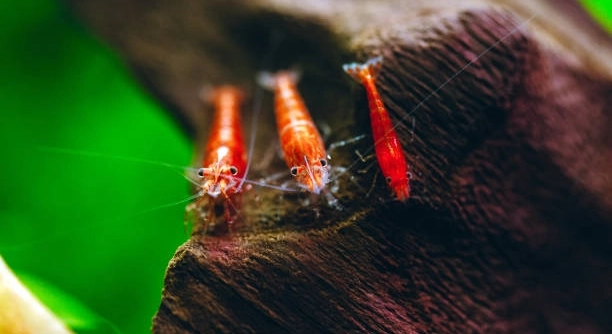
Keeping shrimp calm in a crowded tank can be challenging, especially when multiple species or large numbers are involved. Stress can affect their health and behavior, so creating a peaceful environment is essential for their well-being.
To maintain a harmonious shrimp community, it is important to provide ample hiding spaces, maintain consistent water parameters, avoid overcrowding, and offer balanced nutrition. Regular observation of interactions and gentle handling further reduces stress, promoting a stable and peaceful aquatic environment.
Implementing these simple strategies can significantly improve your shrimp’s comfort, ensuring they thrive even in a busy aquarium setting.
Provide Plenty of Hiding Spaces
Shrimp naturally seek shelter when they feel stressed or threatened. Adding plants, rocks, and decorations gives them places to retreat, reducing conflict and promoting natural behavior. Moss and fine-leaved plants are particularly useful because shrimp can graze on biofilm while feeling secure. Hiding spots also allow smaller shrimp to avoid aggressive tank mates, keeping the population balanced. Driftwood and caves can be arranged to create shaded areas, mimicking their natural habitats. When establishing hiding areas, ensure they are accessible yet varied in size so shrimp of all ages can find suitable protection. Observing shrimp using these spaces helps you understand their preferences and stress levels, allowing adjustments to the tank layout. It’s important to rearrange occasionally to prevent territorial disputes and give timid shrimp new options. Consistent hiding spaces contribute to calmer shrimp behavior, especially in tanks with higher population densities. Shrimp use these retreats for molting, feeding, and resting, making them crucial for overall health.
Providing adequate shelters reduces stress and promotes peaceful interactions, keeping shrimp active and comfortable throughout the tank.
Hiding spaces not only prevent conflicts but also encourage natural grazing and molting behavior. Regularly monitoring usage helps optimize the tank setup for long-term harmony.
Maintain Stable Water Conditions
Shrimp are highly sensitive to water quality, and sudden changes can trigger stress or aggression. Maintaining stable temperature, pH, and ammonia levels is critical for a peaceful tank. Frequent water testing ensures parameters remain within safe ranges, preventing health issues. Performing regular water changes while keeping conditions consistent supports overall shrimp vitality. A gradual approach to any adjustments is necessary, as rapid shifts can cause panic and territorial disputes. Using a reliable filtration system helps remove waste and toxins without creating strong currents that may disturb shrimp. When adding new water, match temperature and mineral content closely to avoid shocks. Maintaining proper oxygen levels ensures all shrimp have access to adequate respiration, which reduces stress. Observing shrimp after any maintenance can indicate if water conditions are appropriate. By keeping water conditions stable, shrimp are more likely to display calm and natural behavior, even in crowded environments. This practice forms the foundation for a healthy, peaceful shrimp tank.
Regularly checking water parameters prevents unnecessary stress, helping shrimp remain healthy and active.
Stable water conditions directly influence shrimp behavior, reducing aggression and supporting growth, molting, and overall vitality. Maintaining balance is essential for a thriving community.
Avoid Overcrowding
Too many shrimp in one tank increases stress and aggression. Maintaining a moderate population density gives each shrimp enough space to move, feed, and rest, reducing conflicts and promoting calm behavior.
Overcrowding can lead to competition for food and hiding spots, causing timid shrimp to be constantly stressed. By limiting numbers, dominant shrimp are less likely to harass others, and molting shrimp have time to safely shed their exoskeleton. Adequate space encourages natural grazing and exploration, which improves overall activity levels. Observing tank behavior can help identify when the population is reaching a stressful density.
Providing enough room for each shrimp also supports water quality, as waste accumulation is easier to manage in a moderately stocked tank. Crowding increases the risk of disease and rapid ammonia spikes. By spacing shrimp appropriately and arranging hiding spots, you create a more harmonious environment where shrimp can thrive without unnecessary tension.
Feed a Balanced Diet
A varied diet supports shrimp health and reduces competition over limited resources. Providing high-quality food, supplemented with algae wafers or blanched vegetables, ensures shrimp receive essential nutrients for growth and molting. Feeding in small portions prevents leftover food from decaying and affecting water quality, while frequent but moderate feeding encourages natural foraging behavior, keeping shrimp engaged without overwhelming the tank.
Shrimp require a mix of proteins, fiber, and minerals to maintain exoskeleton strength and immune health. Feeding only one type of food may leave deficiencies, causing weaker individuals and increasing stress-related aggression. Observing feeding patterns helps identify shy shrimp that may be struggling to access food, allowing targeted supplementation. Rotating vegetables, algae, and prepared foods ensures a balanced diet.
Consistent feeding schedules reduce uncertainty and help shrimp feel secure, while variety encourages natural behavior and growth. Overfeeding must be avoided to prevent water contamination, which can destabilize shrimp communities and trigger stress or aggression.
Minimize Stressful Interactions
Shrimp can become aggressive or skittish when stressed by sudden movements, strong currents, or overly active tank mates. Reducing disturbances helps them stay calm and maintain natural behavior patterns.
Keeping a peaceful environment with gentle water flow and quiet surroundings allows shrimp to feel secure. Limiting sudden changes in the tank prevents stress and promotes consistent, peaceful interactions.
Separate Aggressive or Large Species
Introducing large or aggressive species into a shrimp tank can disrupt harmony. Careful selection of tank mates ensures smaller shrimp are not constantly threatened or chased, preserving their well-being.
Monitor Molting Periods
Shrimp are most vulnerable during molting. Observing when individuals molt helps prevent stress or predation by providing extra hiding spots and a calm environment during this critical time.
FAQ
How often should I feed my shrimp?
Shrimp should be fed small portions once or twice daily. Overfeeding can lead to water quality issues and stress, while underfeeding may cause competition and malnutrition. Offering a variety of foods in measured amounts keeps shrimp healthy and encourages natural foraging behavior.
What is the ideal number of shrimp per gallon?
A general rule is 1-2 shrimp per gallon of water. Overstocking increases stress, aggression, and the risk of disease. Providing enough space allows shrimp to move freely, access hiding spots, and maintain a stable social hierarchy. Monitoring behavior helps adjust stocking levels appropriately.
Can I keep different shrimp species together?
Some species are compatible, but differences in size and temperament must be considered. Mixing aggressive or much larger species with smaller, timid shrimp can cause constant stress. Researching each species’ behavior and environmental needs ensures a harmonious community tank.
How do I know if my shrimp are stressed?
Signs include hiding excessively, not eating, frequent color changes, or erratic swimming. Observing interactions and movement patterns can help identify stress early. Stress often results from poor water quality, overcrowding, lack of hiding spaces, or aggressive tank mates.
What are the best hiding spots for shrimp?
Plants with fine leaves, moss, driftwood, and small caves provide effective shelters. Hiding spots help shrimp molt safely, avoid aggressive tank mates, and reduce stress. Arranging multiple options ensures all shrimp, regardless of size or age, can find secure retreats.
How do I maintain water stability for shrimp?
Regularly test water parameters such as temperature, pH, ammonia, nitrites, and nitrates. Perform gradual water changes to avoid sudden shifts. Using a reliable filtration system and matching water conditions when topping off helps maintain stability and minimizes stress on shrimp.
Can shrimp live in a community tank with fish?
Yes, but only with peaceful, small fish that won’t prey on them. Avoid large or aggressive fish. Ensuring enough hiding spots and monitoring interactions helps shrimp coexist safely while reducing stress and loss.
What should I feed during molting periods?
During molting, shrimp need extra calcium and protein to strengthen their new exoskeleton. Supplementing with blanched vegetables, specialized shrimp foods, or mineral-rich flakes supports healthy molting and reduces vulnerability to stress or injury.
How do I prevent aggression among shrimp?
Avoid overcrowding and provide enough hiding spots. Maintain stable water conditions, feed consistently, and select compatible species. Observing behavior and separating overly aggressive individuals can prevent fights and ensure a peaceful environment.
Why are my shrimp hiding all the time?
Excessive hiding often indicates stress from water instability, overcrowding, predators, or insufficient shelters. Regular observation, water testing, and proper tank setup can reduce stress, making shrimp feel safe and encouraging natural activity.
How can I encourage shy shrimp to come out?
Adding more hiding spots, feeding regularly, and minimizing disturbances helps timid shrimp gain confidence. Gentle observation and patience allow them to explore and interact without feeling threatened. Creating a calm, consistent environment promotes natural behavior.
What is the best way to introduce new shrimp to a tank?
Acclimate new shrimp gradually by floating the bag in the tank to match temperature, then slowly mixing tank water into the bag. This reduces shock and stress, giving them time to adjust and preventing aggression from established shrimp.
How do I maintain a clean tank without stressing shrimp?
Use gentle filtration and avoid strong currents. Perform small, regular water changes instead of large ones. Carefully clean decorations and substrate without disturbing shrimp too much. Maintaining cleanliness while minimizing disruption ensures shrimp stay calm and healthy.
Are shrimp social animals?
Yes, shrimp interact with one another, often forming loose groups for grazing and molting. Maintaining enough space and hiding areas allows natural social behaviors without causing stress or conflict. Social interaction is an important part of a peaceful tank.
Can stress affect shrimp coloration?
Stress often causes shrimp to lose vibrant colors or display dull patterns. Stable water conditions, proper feeding, and adequate hiding spaces help maintain natural coloration and overall health. Reducing stress also encourages active behavior and proper growth.
How can I tell if a shrimp is sick?
Signs include lethargy, unusual swimming patterns, discoloration, or failure to molt properly. Prompt identification and water testing can help prevent illness from spreading. Healthy shrimp are active, responsive, and show natural coloration, especially when stress is minimized.
What types of plants are best for shrimp tanks?
Fine-leaved plants like Java moss, Anubias, and Cabomba are ideal. They provide grazing surfaces for biofilm and algae, as well as shelter. Plants also improve water quality by absorbing excess nutrients, creating a more balanced and peaceful environment for shrimp.
How do I reduce fighting over food?
Feed small portions in multiple locations to minimize competition. Rotating food types and timing helps ensure all shrimp have access. Observing feeding behavior allows adjustments to prevent dominant individuals from monopolizing resources.
Is it necessary to quarantine new shrimp?
Quarantining new shrimp for at least a week prevents introducing disease or parasites to the main tank. Monitoring health during this period ensures they are safe to join the community, reducing stress and potential harm to established shrimp.
What water parameters are optimal for most shrimp?
Most freshwater shrimp prefer temperatures between 72-78°F, pH 6.5-7.5, and low ammonia/nitrite levels. Stable parameters promote growth, molting, and peaceful behavior, while extremes can cause stress, aggression, or health issues. Regular monitoring helps maintain optimal conditions for a calm tank environment.
How important is substrate choice for shrimp?
A soft, fine substrate prevents injury to delicate shrimp legs and allows natural foraging. Dark-colored substrates can enhance shrimp coloration and reduce stress by mimicking their natural habitats. Proper substrate also supports beneficial bacteria for a stable ecosystem.
Can stress affect shrimp breeding?
Yes, stress reduces reproductive success. Stable water conditions, proper nutrition, hiding spots, and minimal disturbances encourage mating and healthy development of offspring. Providing a calm, predictable environment is essential for consistent breeding behavior in shrimp.
How do I handle shrimp safely?
Avoid grabbing shrimp directly. Use a soft net or cup when necessary, and handle them gently to prevent injury. Minimal handling reduces stress and helps maintain a peaceful, healthy tank environment.
What is the lifespan of common freshwater shrimp?
Most dwarf shrimp live 1-2 years under optimal conditions. Proper care, stable water parameters, balanced feeding, and low stress environments contribute to longevity and overall health. Observing shrimp behavior and health ensures they thrive throughout their natural lifespan.
How often should I check my shrimp tank?
Daily observation is ideal for monitoring behavior, feeding, and molting. Weekly water testing ensures stability. Regular attention helps detect problems early, prevent stress, and maintain a peaceful, thriving shrimp community.
Can sudden changes in light affect shrimp behavior?
Yes, abrupt light changes can startle shrimp, causing stress and hiding. Gradual lighting schedules and dimmable lights promote calm activity patterns and natural behavior. Maintaining consistent light cycles supports molting and feeding routines.
What are the signs of a healthy shrimp community?
Active grazing, normal molting, vibrant colors, and peaceful interactions indicate a healthy population. Minimal hiding due to stress and balanced distribution throughout the tank are also positive signs. Observing behavior regularly ensures long-term stability.
How do I prevent algae overgrowth while keeping shrimp fed?
Feed small, controlled portions and maintain plants that compete for nutrients. Regular water changes and proper filtration limit excess nutrients. Algae serves as a natural food source, but managing growth prevents water quality issues and stress in shrimp.
How do I introduce decorations without stressing shrimp?
Place new items slowly and in stages, allowing shrimp to adjust. Avoid sudden rearrangements, which can cause stress or disrupt territories. Gentle placement encourages exploration while maintaining a calm environment.
Can water hardness affect shrimp health?
Yes, both soft and hard water can impact molting and overall health. Research species-specific needs and adjust minerals accordingly. Stable hardness levels prevent stress, support exoskeleton formation, and maintain vibrant coloration.
How do I prevent shrimp from escaping the tank?
Ensure the tank has a secure lid and minimal gaps. Shrimp may climb out when stressed or seeking new territory. Maintaining a calm, well-structured environment reduces escape attempts while keeping the community safe.
Is it necessary to separate molting shrimp?
Separation is not always required if hiding spots are abundant. Providing secure areas allows shrimp to molt safely without being harassed, reducing vulnerability and promoting healthy growth.
How do I reduce stress during tank maintenance?
Perform slow, gentle water changes and avoid abrupt movements. Clean substrate and decorations carefully. Consistency and minimal disruption help maintain calm shrimp behavior and prevent aggression or hiding.
Can stress lead to cannibalism?
Yes, overcrowding, lack of hiding spots, or insufficient food can trigger cannibalism during molting. Providing adequate space, shelters, and balanced feeding prevents this behavior and ensures a peaceful community.
What is the best way to acclimate shrimp to a new tank?
Float the bag to match temperature, then gradually mix tank water over 30-60 minutes. Slow acclimation reduces shock, stress, and mortality while allowing shrimp to adjust safely to new water conditions.
How can I tell if shrimp are feeding properly?
Active grazing, searching for food, and healthy body coloration indicate proper feeding. Timid or weak shrimp may require supplemental feeding to ensure all individuals receive adequate nutrition.
What are common mistakes that stress shrimp?
Overcrowding, poor water quality, abrupt changes in temperature or pH, aggressive tank mates, and insufficient hiding spots are common stressors. Avoiding these issues supports calm behavior and long-term shrimp health.
How do I balance shrimp and plants in the tank?
Plants provide hiding spaces and food sources but require light and nutrients. Maintaining appropriate plant density ensures shrimp have shelter without overcrowding or competing for space. Observing interactions helps adjust plant layout for harmony.
Can shrimp tolerate small water parameter fluctuations?
Minor, gradual fluctuations are usually tolerated, but sudden changes can cause stress or aggression. Stability is more important than absolute values, so gradual adjustments are always recommended for a calm environment.
How do I encourage natural grazing behavior?
Provide biofilm-rich surfaces, moss, and algae wafers. Rotating vegetables and prepared foods encourages movement and exploration, keeping shrimp active while promoting health and reducing stress from competition or inactivity.
How do I reduce predation in a mixed tank?
Provide plenty of hiding spots, select compatible tank mates, and avoid large or aggressive species. Observing shrimp interactions helps ensure that timid individuals are not constantly harassed or eaten.
Can shrimp live without live plants?
Yes, but live plants offer natural grazing, shelter, and water quality benefits. Without plants, alternative hiding spots and biofilm sources must be provided to maintain a peaceful and healthy environment.
How important is temperature stability for shrimp?
Temperature fluctuations cause stress, reduce feeding, and disrupt molting. Maintaining a consistent temperature within the species’ preferred range ensures calm behavior, proper growth, and overall vitality.
What should I do if a shrimp dies?
Remove it promptly to prevent water quality issues. Check tank parameters and observe the rest of the community for signs of stress or disease. Maintaining a clean, stable environment reduces further losses.
How do I keep shrimp active in a crowded tank?
Provide adequate hiding spots, distribute food evenly, and maintain stable water conditions. Regular observation ensures timid shrimp are not overshadowed, promoting healthy activity and reducing aggression.
Can stress affect shrimp breeding success?
Yes, stressed shrimp may stop reproducing or produce fewer offspring. Stable water, proper diet, hiding spots, and calm tank conditions support consistent breeding and healthy development of juveniles.
How can I reduce competition over hiding spots?
Provide multiple, varied shelters and arrange them to prevent overcrowding. Monitoring behavior allows adjustments to minimize territorial disputes and stress. Adequate hiding spaces ensure all shrimp feel secure.
Is it necessary to feed shrimp live foods?
Live foods are optional but can supplement nutrition and encourage natural foraging. Algae, biofilm, and prepared foods typically provide all essential nutrients for healthy, peaceful shrimp communities.
How do I maintain a peaceful shrimp tank long-term?
Regular observation, stable water, adequate space, balanced feeding, and proper hiding spots are key. Avoid sudden changes, overcrowding, or incompatible species. Consistency and careful monitoring promote calm behavior, good health, and long-term stability.
Can stress shorten a shrimp’s lifespan?
Chronic stress weakens immunity, slows growth, and increases vulnerability to disease, which can reduce lifespan. Minimizing stressors ensures shrimp live their full potential life while remaining healthy and active.
What is the best way to clean decorations without harming shrimp?
Remove items carefully, rinse with tank water, and avoid harsh chemicals. Light scrubbing removes debris while preserving beneficial bacteria and preventing stress to the shrimp population.
How do I know if my shrimp tank is balanced?
Balanced tanks show active shrimp, stable water parameters, controlled algae growth, and minimal aggression. Regular observation, testing, and maintenance help ensure long-term harmony and a healthy community.
Can stress affect shrimp molting frequency?
Yes, stress can delay molting or cause incomplete molts. Providing hiding spaces, stable water, and calm conditions supports normal molting cycles and reduces vulnerability during this critical period.
How do I prevent shrimp from fighting over food?
Feed small portions at multiple locations, rotate food types, and observe feeding behavior. Adjusting portions and placement ensures all shrimp can access food without conflict, reducing stress and promoting calm interactions.
Are shrimp sensitive to vibrations or noise?
Yes, sudden vibrations or loud noises can startle shrimp and trigger hiding or erratic movement. Keeping the tank in a stable, quiet area helps maintain peaceful behavior.
How do I prevent disease in a shrimp tank?
Maintain water quality, avoid overcrowding, quarantine new shrimp, provide a balanced diet, and clean substrate and decorations regularly. Early observation of behavior helps prevent illness from spreading.
Can shrimp live in soft water?
Most dwarf shrimp tolerate soft water if it is stable and within proper pH and temperature ranges. Adequate minerals for molting and growth should be supplemented if necessary.
How do I reduce stress when introducing new shrimp?
Acclimate slowly to tank water, provide hiding spots, and avoid sudden movements. Gradual introduction minimizes stress and promotes acceptance by established shrimp.
What are common stress behaviors in shrimp?
Hiding excessively, frantic swimming, color fading, and refusing food indicate stress. Observing these behaviors helps identify environmental issues and necessary adjustments.
How do I keep shrimp calm during maintenance?
Move slowly, avoid sudden water changes, and minimize disturbance. Performing tasks in small steps reduces stress and maintains a peaceful tank.
Is it necessary to provide a special diet for breeding shrimp?
A nutrient-rich, balanced diet supports reproductive health. While live foods are optional, high-quality flakes, vegetables, and algae provide essential nutrients to encourage consistent breeding.
Can overcrowding affect water quality quickly?
Yes, higher populations increase waste production, leading to ammonia spikes and stress. Maintaining moderate stocking and regular water changes preserves water stability and shrimp health.
How can I ensure shy shrimp are not stressed?
Provide ample hiding spots, consistent feeding, stable water, and gentle tank management. Observing their activity ensures they feel secure and are integrating well with the community.
What is the best way to check water parameters without stressing shrimp?
Use test kits or strips carefully and avoid sudden large water changes. Small, consistent testing routines help maintain stability while keeping shrimp calm.
How do I encourage natural shrimp behavior in a community tank?
Provide hiding spaces, stable water, a balanced diet, and gentle maintenance. Observing interactions and adjusting the environment encourages foraging, grazing, and molting without stress.
Can stress cause shrimp to hide too much?
Yes, excessive hiding is often a sign of poor water quality, overcrowding, or aggressive tank mates. Adjusting tank conditions reduces stress and encourages normal activity.
How do I know if a tank mate is too aggressive for shrimp?
If shrimp hide constantly, are chased, or injured, the species may be incompatible. Removing aggressive tank mates and providing extra hiding spots improves harmony.
How often should I change the water to keep shrimp calm?
Small, frequent water changes are best. Large or sudden changes can stress shrimp, while consistent maintenance preserves stability and promotes peaceful behavior.
How do I prevent algae from stressing shrimp?
Control algae growth by feeding moderately, maintaining plants, and performing regular water changes. Algae provides grazing opportunities, but excess can affect water quality and stress shrimp.
Can shrimp tolerate sudden light changes?
No, abrupt light changes can startle shrimp, causing hiding or erratic swimming. Gradual light transitions maintain calm behavior and natural activity patterns.
How do I monitor shrimp health effectively?
Daily observation of color, activity, feeding, and interactions helps detect stress, illness, or aggression early. Consistent monitoring ensures timely adjustments to the environment.
What is the best way to reduce stress in a crowded shrimp tank?
Provide sufficient hiding spots, stable water conditions, regular feeding, and gentle handling. Careful management prevents aggression and ensures all shrimp remain healthy and calm.
Can stress affect shrimp lifespan?
Yes, chronic stress weakens immunity, slows growth, and reduces reproductive success. Minimizing stressors supports longevity and overall health.
How do I keep shrimp active in low-light conditions?
Provide accessible grazing surfaces, hiding spots, and small, frequent feedings. Even with lower light, shrimp will remain active when their environment feels secure.
Can aggressive shrimp disrupt the peace in a tank?
Yes, dominant individuals can stress or injure others. Providing hiding spaces, adequate space, and monitoring behavior reduces conflicts and maintains harmony.
How do I prevent stress during water changes?
Perform gradual changes, match temperature and water parameters, and move slowly. Minimizing disturbance helps shrimp remain calm and reduces hiding or panic behavior.
How do I know if my shrimp are comfortable in a tank?
Active grazing, normal molting, natural color, and peaceful interactions indicate comfort. Shy, constantly hiding, or aggressive shrimp signal issues needing attention.
Can stress affect molting frequency and success?
Yes, stressed shrimp may molt less often or incompletely. Adequate hiding spots, stable water, and calm conditions support proper growth and safe molting.
What is the best substrate for a peaceful shrimp tank?
Fine, soft substrate prevents injury and allows natural foraging. Darker substrates enhance color and reduce stress while supporting beneficial bacteria.
How do I manage overcrowding without harming shrimp?
Remove excess shrimp or expand tank space. Provide ample hiding spots and monitor behavior to reduce stress and aggression, ensuring a peaceful environment.
Can I mix shrimp with snails or other invertebrates?
Yes, most sn
Maintaining a peaceful shrimp tank requires attention to multiple factors, all working together to create a stable and comfortable environment. Proper tank setup, including sufficient hiding spots and carefully chosen decorations, gives shrimp places to retreat when they feel threatened. These spaces allow timid or molting shrimp to avoid aggression while giving them the opportunity to graze naturally. Plants, moss, and driftwood serve both as shelter and as surfaces for biofilm growth, which provides a natural food source. Arranging these elements thoughtfully ensures that shrimp have access to both safety and nourishment, which reduces stress and encourages calm behavior. Even small details, like ensuring that caves and hiding spots are varied in size, can make a noticeable difference in how shrimp interact and move around the tank. A well-organized tank layout contributes not only to peace but also to the overall health of the shrimp population.
Stable water conditions form the foundation for a harmonious tank. Shrimp are sensitive to sudden changes in temperature, pH, or water chemistry, and even minor fluctuations can trigger stress, hiding, or aggression. Regular testing of water parameters and consistent maintenance help maintain an environment that shrimp can adapt to easily. Gradual water changes prevent shocks, while proper filtration ensures the tank remains clean without creating strong currents that may disturb shrimp. Overcrowding should be avoided, as limited space and high populations can lead to conflict and increased stress levels. Keeping tank density moderate allows each shrimp room to explore, feed, and rest safely. Feeding also plays an essential role in maintaining calm shrimp. Providing small, balanced meals multiple times a day, rather than one large portion, reduces competition and ensures that all shrimp have access to nutrients. A varied diet of prepared foods, blanched vegetables, and algae supplements supports overall health and helps maintain peaceful interactions within the tank.
Observation and attention to shrimp behavior are essential for long-term success. Monitoring signs of stress, such as excessive hiding, color fading, or unusual movement patterns, allows you to address potential problems before they escalate. Stress can affect molting, feeding, and breeding, so early intervention is crucial. Maintaining a calm environment with compatible tank mates and minimal disturbances helps reduce aggressive encounters and promotes natural social behavior. Introducing new shrimp gradually and ensuring that they are healthy before adding them to the main tank prevents disruptions. Even routine maintenance, when done slowly and carefully, contributes to stability. By focusing on space, water quality, nutrition, and stress reduction, you can create a peaceful community where shrimp thrive. Consistency and attention to detail not only help maintain harmony but also enhance the longevity, color, and activity of the shrimp population, resulting in a balanced and healthy tank for all its inhabitants.

Hello,
If you enjoy the content that we create, please consider saying a "Thank You!" by leaving a tip.
Every little bit helps us continue crafting quality advice that supports the health, happiness, and well-being of pets around the world, for pets of all shapes, sizes, and species.
We really appreciate the kindness and support that you show us!