
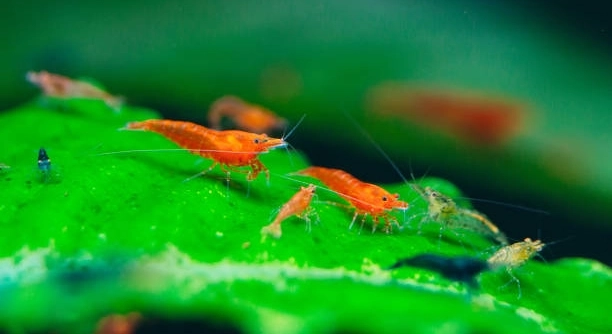
Do you enjoy keeping cherry shrimp but find yourself observing their movements in the tank with fascination? These tiny creatures are lively and colorful, and many aquarists often notice patterns in how they explore their aquatic environment.
Cherry shrimp are capable of recognizing their tank environment through spatial memory and familiar cues. They learn the layout, hiding spots, and feeding locations, which allows them to navigate efficiently and reduces stress in a well-established habitat.
Understanding how cherry shrimp interact with their surroundings can enhance care practices and promote a healthier, more engaging tank environment for these delicate creatures.
How Cherry Shrimp Learn Their Tank
Cherry shrimp rely on visual cues, textures, and chemical signals to navigate their environment. When first introduced to a tank, they may seem hesitant or hide frequently. Over time, they begin to memorize the locations of plants, decorations, and hiding spots. Feeding routines also play a role in recognition. Shrimp often associate certain areas with food, returning to these spots consistently. Observing their behavior, you may notice them exploring new objects slowly and cautiously, indicating learning and adaptation. They also respond to subtle changes, like water flow or lighting, adjusting their movements accordingly. Shrimp that are well-acclimated tend to be more active and confident, moving through the tank with purpose. Regular maintenance, such as gentle cleaning and stable water conditions, supports this learning process. The more consistent their environment, the easier it is for shrimp to recognize and feel secure in their habitat.
Their ability to remember tank layouts helps reduce stress and improves their overall well-being.
Creating a stable, predictable environment is key to shrimp comfort. Gradually adding decorations and maintaining consistent feeding times strengthens recognition patterns. Avoiding sudden changes, like rearranging plants or changing substrate abruptly, prevents disorientation. Each shrimp has its own pace for learning, but frequent observation shows adaptation within days. Over time, shrimp may return to favorite hiding spots or feeding areas with precision. Environmental enrichment, like moss or small caves, encourages exploration while reinforcing spatial memory. This balance between stability and stimulation ensures shrimp remain active and healthy. By respecting their natural behaviors, you can create a tank that is not only visually pleasing but also functionally supportive of their instincts. This careful attention promotes long-term comfort and thriving shrimp colonies, making daily observation more rewarding.
Signs Your Shrimp Recognize Their Tank
Shrimp that recognize their environment display consistent movement patterns and confident exploration. They avoid unnecessary hiding and react predictably to feeding times.
When cherry shrimp become familiar with their tank, their behavior shows clear signs of recognition. They explore efficiently, using known pathways between hiding spots and food areas. New objects may initially trigger caution, but gradual acclimation leads to confident investigation. Familiarity also affects social interactions; shrimp tend to maintain territory boundaries and exhibit routine grooming near plants or decorations. Consistent lighting and gentle water flow further reinforce their spatial awareness. Feeding behavior becomes more deliberate, with shrimp returning to specific locations in anticipation. Recognizable patterns emerge over weeks, indicating memory retention. Observing these behaviors allows caretakers to assess adaptation levels and overall comfort. Tank stability, including temperature and water quality, ensures shrimp continue to recognize their environment without unnecessary stress. This recognition improves survival rates, reduces aggressive behavior, and supports healthy growth within the tank, highlighting the importance of a thoughtfully maintained habitat for cherry shrimp.
How Tank Size Affects Recognition
Smaller tanks make it easier for shrimp to learn their surroundings quickly. Every hiding spot, plant, and decoration becomes familiar in a short time. In larger tanks, shrimp may take longer to recognize all areas and develop consistent movement patterns.
Tank size influences the speed at which shrimp establish spatial memory. In compact tanks, they can quickly memorize hiding spots and feeding locations, making navigation more efficient. Larger tanks require more exploration and repetition, as shrimp need to learn multiple zones. Obstructions like dense plants or decorations can slow recognition. Observing shrimp in different tank sizes shows clear differences in confidence, activity levels, and feeding patterns. Gradual acclimation in larger setups ensures shrimp feel secure.
Larger tanks offer more exploration opportunities, but shrimp recognition develops gradually. Regular observation and consistent feeding support their ability to navigate confidently. Environmental stability is crucial for effective spatial learning, regardless of tank dimensions.
Feeding and Environmental Cues
Cherry shrimp respond strongly to consistent feeding schedules and environmental cues. They quickly associate certain areas with food and specific times of day, reinforcing tank recognition.
Repetition helps shrimp recognize where and when to find food. Brightly colored or easily visible feeding areas aid memory retention. Environmental cues, like plant shapes, substrate type, or water flow, create landmarks for orientation. Shrimp use these cues to navigate confidently and reduce stress. Changes in lighting or new decorations may initially confuse them, but gradual introduction allows adaptation. Observing how shrimp respond to feeding patterns and landmarks provides insight into their spatial memory development.
Consistency in feeding and environmental cues strengthens shrimp familiarity with their tank. Predictable routines, stable conditions, and familiar decorations support confident movement, exploration, and healthy behavior over time. Gradual changes prevent stress while enhancing spatial learning. Using recognizable locations for food or shelter ensures shrimp remain secure. Monitoring reactions to adjustments in the environment reveals their memory capabilities and overall adaptation. This approach allows caretakers to optimize tank layouts and maintain shrimp comfort efficiently.
Tank Decorations and Shrimp Behavior
Decorations provide landmarks that shrimp use to navigate their environment. Rocks, plants, and caves help them memorize hiding spots and feeding areas, making them feel secure.
Too many decorations can create confusion, while too few limit exploration. A balanced setup allows shrimp to recognize their surroundings efficiently and encourages natural behavior.
Water Flow and Recognition
Water flow affects shrimp movement and learning. Gentle currents allow them to explore comfortably, while strong currents can stress them and hinder spatial recognition. Shrimp adapt faster when flow is stable and predictable, using it as part of their environmental cues.
Observing Patterns in Daily Activity
Shrimp develop daily routines in familiar tanks. They return to preferred hiding spots after feeding and follow predictable routes while exploring, demonstrating recognition and comfort.
FAQ
Do cherry shrimp remember their tank after it is cleaned?
Yes, cherry shrimp can recognize their tank even after cleaning, provided the layout remains consistent. They rely on visual and chemical cues to navigate. A thorough cleaning that leaves decorations, plants, and substrate in similar positions allows them to adapt quickly without stress. Sudden rearrangements can temporarily confuse them, but they usually regain familiarity within a few days. Maintaining consistent water parameters during cleaning also supports their comfort and spatial memory.
How long does it take for shrimp to recognize a new tank?
Shrimp usually start learning their new environment within a few days. Smaller tanks with minimal decorations allow faster recognition, while larger tanks may take one to two weeks. Feeding routines and stable conditions accelerate this process. Observation of consistent hiding spots and confident movement is a clear sign they have adapted.
Do they recognize their owners?
Cherry shrimp do not recognize humans individually, but they do associate movement near the tank with feeding. They may become more active when approaching feeding areas, showing anticipation. This behavior is linked to learned routines rather than personal recognition.
Can tank changes confuse shrimp?
Yes, sudden changes in decorations, substrate, or water flow can confuse shrimp. They rely on familiar landmarks and consistent environmental cues. Gradual introductions of new elements help them adapt without stress, maintaining confident navigation.
Do shrimp remember feeding schedules?
Shrimp quickly learn regular feeding times and locations. They often return to familiar spots in anticipation, demonstrating memory retention. Consistent feeding reinforces spatial recognition and reduces stress, encouraging more natural behavior.
How do hiding spots affect recognition?
Hiding spots are essential for shrimp comfort and orientation. They help shrimp feel secure and allow them to navigate efficiently. Familiar shelters are revisited frequently, indicating spatial memory and confidence. Frequent changes to hiding spots can disrupt behavior temporarily.
Does water flow impact their ability to recognize the tank?
Stable, gentle water flow aids shrimp navigation. Strong or inconsistent currents can hinder recognition and cause stress. Using predictable flow patterns allows shrimp to memorize safe pathways and feeding areas more effectively.
How do decorations and plants help shrimp learn their tank?
Plants and decorations serve as landmarks. Shrimp use them to navigate, find food, and locate shelters. Moss, rocks, and caves provide visual and tactile cues, helping shrimp build mental maps of the environment. Removing or moving items can temporarily confuse them.
Do shrimp ever forget their tank?
Shrimp rarely forget their tank if conditions remain stable. Significant disruptions, such as drastic rearrangements or water parameter changes, can temporarily disorient them. Gradual adjustments and consistency restore recognition quickly.
Are shrimp more confident in smaller tanks?
Smaller tanks allow shrimp to quickly learn hiding spots and feeding areas, boosting confidence. Larger tanks provide more exploration opportunities but require longer adaptation periods. Regular observation ensures they are comfortable and active.
Can multiple shrimp learn the same tank differently?
Yes, individual shrimp may explore and remember areas differently. Some are more cautious, while others are active and confident. Their behavior depends on personality, past experiences, and environmental conditions.
Do shrimp need environmental cues to thrive?
Yes, cues such as plants, rocks, substrate, and feeding spots are essential for spatial memory. Recognizable patterns reduce stress, promote natural behavior, and help shrimp navigate efficiently.
Is it normal for shrimp to hide frequently?
Frequent hiding is normal when shrimp are stressed, new to the tank, or if environmental cues are unclear. Over time, as they recognize the tank, they spend more time exploring confidently.
How does lighting affect recognition?
Consistent lighting helps shrimp identify landmarks and feeding areas. Sudden changes in brightness can temporarily disorient them. Gradual adjustments support comfort and spatial awareness.
Do shrimp recognize other shrimp?
Shrimp may show familiarity with tank mates over time, often maintaining consistent territories and social routines. Recognition is based on routine behavior patterns rather than complex social memory.
Can feeding in different locations affect tank recognition?
Yes, shrimp link specific locations to food. Feeding in multiple areas may confuse them, while consistent feeding spots strengthen memory and reduce stress.
How can I help shrimp adapt to a new tank quickly?
Maintain stable water parameters, arrange decorations consistently, and establish predictable feeding routines. Gradually introduce changes, observe behavior, and provide plenty of hiding spots. Patience is key, as shrimp adapt at their own pace while building confidence.
What signs indicate shrimp have fully adapted?
Active exploration, confident movement, routine use of hiding spots, and consistent feeding behavior show shrimp have recognized and adapted to their tank. They become less skittish and display predictable patterns.
Does tank temperature affect memory or recognition?
Stable, appropriate temperatures support normal activity and spatial learning. Sudden temperature fluctuations can stress shrimp, temporarily reducing movement and recognition of familiar areas.
Can stress impact tank recognition?
Yes, stress from poor water conditions, overcrowding, or frequent disturbances can impair shrimp’s ability to navigate confidently. Maintaining a calm, stable environment ensures memory retention and natural behavior.
Do shrimp recognize artificial versus natural decorations differently?
Shrimp respond more to structure and texture than material. Rocks, caves, and plants provide consistent cues regardless of whether they are artificial or natural, helping them navigate and establish hiding spots effectively.
Can shrimp learn to return to specific areas without food?
Yes, shrimp often revisit preferred shelters or landmarks due to spatial memory alone. Feeding reinforces this behavior, but recognition of safe areas does not depend solely on food presence.
Are younger shrimp slower to recognize tanks than adults?
Juvenile shrimp may take longer to adapt due to smaller size, inexperience, and cautious behavior. Adults show more confident navigation and faster recognition patterns. Gradual observation and stable conditions support both age groups.
Do tank mates affect recognition?
Other shrimp or compatible species influence behavior. Busy or aggressive tank mates can increase hiding, delaying recognition. Peaceful, stable companions allow normal exploration and learning.
Is it important to keep substrate consistent?
Yes, substrate changes affect navigation cues. Gravel or sand provides texture and landmarks that shrimp use for orientation. Consistent substrate supports memory and reduces stress during exploration.
Do shrimp rely more on sight or chemical cues?
Both are important. Visual landmarks help with navigation, while chemical signals assist in identifying territory, mates, and hiding spots. Using both cues ensures effective recognition of the tank.
How do I know if shrimp are stressed during recognition?
Signs include excessive hiding, lethargy, rapid movements, or avoidance of familiar areas. Addressing water quality, flow, and tank layout often resolves these issues.
Can shrimp adapt to rearranged tanks over time?
Yes, they can relearn the environment. Gradual rearrangements with consistent landmarks and feeding routines help them regain confidence and spatial memory efficiently.
Do shrimp have long-term memory for their tank?
Shrimp demonstrate long-term memory for familiar layouts and routines. Even after temporary stress or minor changes, they usually resume confident navigation once conditions stabilize.
Is it helpful to provide multiple hiding spots?
Multiple hiding spots reduce stress and give shrimp choices. Familiar shelters encourage exploration, reinforce spatial memory, and support natural behavior patterns.
Can shrimp forget areas due to neglect?
Prolonged neglect or inconsistent care can temporarily confuse shrimp. Regular observation, feeding, and environmental stability restore recognition and confidence.
Do shrimp react differently to novel objects?
Yes, initial hesitation occurs when new objects are introduced. Gradual exposure allows them to explore safely, incorporating these into their mental map of the tank.
How do feeding frequency and quantity impact recognition?
Regular, predictable feeding strengthens memory of locations. Overfeeding or irregular schedules may disrupt patterns and reduce spatial awareness. Maintaining consistency ensures shrimp learn and adapt efficiently.
Are shrimp more active in well-recognized tanks?
Yes, confidence in familiar surroundings promotes exploration, social interaction, and natural behaviors. Active shrimp demonstrate comfort and strong recognition of their habitat.
Does tank size interact with feeding behavior for recognition?
In smaller tanks, shrimp quickly learn feeding areas, while larger tanks require repeated exposure. Consistent feeding routines and strategic placement of food support spatial learning.
Can stress from frequent handling affect memory?
Handling or tapping the tank excessively can stress shrimp, temporarily impairing navigation. Minimal disturbance and stable conditions ensure memory and comfort are maintained.
Do shrimp benefit from gradually introduced changes?
Yes, gradual changes prevent confusion, reduce stress, and support learning. Slowly introducing new decorations, plants, or substrates allows shrimp to update their spatial map without distress.
How can I tell if shrimp are using chemical cues effectively?
Shrimp often return to specific areas even without visual landmarks, indicating they rely on chemical signals. Observing consistent shelter use and navigation patterns confirms cue usage.
Are some shrimp naturally better at recognizing their tank?
Individual differences exist. Some shrimp are more confident or active, adapting faster and memorizing the environment more efficiently. Patience and stable conditions help all shrimp reach their potential.
Do shrimp respond differently to night and day in recognition?
Shrimp adjust behavior based on light levels. Familiar hiding spots and feeding areas remain important, but activity patterns may shift. Nighttime activity often increases in well-recognized tanks.
Can stress from water changes impact recognition temporarily?
Sudden water changes can disorient shrimp. Gradual adjustments and maintaining familiar landmarks help shrimp retain spatial memory while reducing stress.
Do shrimp recognize vertical space in the tank?
Yes, shrimp explore all accessible areas, including substrate, mid-level plants, and surface structures. Familiarity with vertical space contributes to confident navigation and sheltering.
How do I support shrimp recognition in planted tanks?
Provide stable plant arrangements, consistent feeding areas, and gentle water flow. Observe exploration patterns to ensure shrimp are confident and secure in the environment.
Is it important to maintain tank temperature during recognition?
Yes, stable temperature supports normal activity and memory. Fluctuations can temporarily reduce movement and disorient shrimp, affecting spatial awareness and comfort.
Do shrimp adapt differently in community tanks?
Yes, behavior may vary based on tank mates. Peaceful companions encourage normal exploration, while aggressive or active species can increase hiding, delaying recognition.
Can shrimp relearn their tank after illness?
Yes, after recovery, shrimp gradually regain spatial memory. Stable conditions, consistent feeding, and familiar landmarks support relearning and reduce stress.
Do shrimp remember multiple feeding spots if used consistently?
Yes, shrimp can associate multiple locations with food if feeding is predictable. They may navigate efficiently between spots while retaining spatial memory.
Does water clarity affect recognition?
Clear water improves visual cues and navigation. Cloudy water can slow adaptation and exploration, while maintaining clarity supports confident movement and memory retention.
Can shrimp recognize their tank after being moved temporarily?
Yes, if environmental cues remain similar. Familiar decorations and feeding routines allow them to re-establish recognition quickly after temporary relocation.
How can I encourage confident exploration?
Provide stable landmarks, gentle water flow, and consistent feeding. Avoid sudden changes and observe behavior to ensure shrimp are comfortable navigating all areas.
Do shrimp prefer certain textures or substrates for recognition?
They respond to consistent textures like sand or gravel, which provide tactile feedback. Familiar substrate supports spatial memory, hiding, and movement confidence.
Is recognition affected by water chemistry?
Yes, stable pH, hardness, and temperature support normal activity. Sudden changes can stress shrimp and temporarily impair their ability to navigate confidently.
How long do shrimp retain spatial memory?
Shrimp demonstrate long-term memory, often remembering layouts and routines for weeks or months when conditions remain stable. Temporary changes may slow recognition but rarely erase memory.
Do shrimp show stress when recognizing a new tank for the first time?
Initial caution and frequent hiding are normal. Confidence grows with stable conditions, familiar landmarks, and consistent feeding patterns.
Can multiple shrimp influence each other’s recognition?
Yes, observing others can guide exploration. Confident shrimp may encourage hesitant ones to navigate more actively, helping them learn the environment more quickly.
Are there signs that shrimp have fully adapted to the tank?
Active exploration, predictable feeding behavior, repeated use of hiding spots, and minimal stress indicate complete recognition and comfort in the environment.
Do shrimp prefer specific areas of the tank consistently?
Yes, shrimp often choose favorite hiding spots or feeding areas, demonstrating recognition of safe and familiar zones.
Does tank enrichment affect recognition?
Yes, plants, caves, and rocks provide cues for navigation, promote exploration, and reinforce spatial memory. Enrichment supports confident and natural shrimp behavior.
How do I know if shrimp are confused after tank changes?
Excessive hiding, erratic movement, or avoidance of familiar areas indicates confusion. Gradual adjustments restore confidence and memory.
Are some shrimp slower to recognize tanks than others?
Yes, individual temperament, age, and prior experience affect adaptation speed. Patience and consistent care help all shrimp adjust successfully.
Does feeding type affect recognition?
Yes, familiar foods in consistent locations reinforce memory. Changing food type or location frequently can temporarily confuse shrimp and disrupt routine behavior.
Can shrimp adapt to multiple tanks?
Yes, with consistent environmental cues and feeding routines, shrimp can learn different tanks, though adaptation takes time for each new environment.
Do shrimp prefer shallow or deep areas for recognition?
They use all accessible levels, with preferred areas often influenced by hiding spots, food availability, and water flow. Familiarity develops with repeated exposure.
How can I reduce stress during adaptation?
Maintain stable water parameters, consistent feeding, gentle flow, and familiar decorations. Observe behavior and make gradual changes to support confident exploration.
Do shrimp rely more on sight or touch in low-light conditions?
In low light, tactile feedback from substrate and decorations becomes more important. They navigate using a combination of touch and chemical cues when visibility is reduced.
Can shrimp recognize multiple feeding spots and shelters simultaneously?
Yes, shrimp can associate several locations with safety or food if the environment is stable and cues are consistent. They navigate efficiently between familiar areas.
Do shrimp ever forget landmarks temporarily?
Temporary disorientation may occur after sudden changes, stress, or illness. Familiar landmarks and stable routines help them quickly regain recognition.
Does adding plants gradually improve recognition?
Yes, gradual addition allows shrimp to incorporate new landmarks without stress. Sudden dense planting can temporarily confuse them.
Are adult shrimp faster at learning the tank than juveniles?
Adults usually adapt more quickly due to experience, size, and confidence. Juveniles explore cautiously, taking longer to memorize hiding spots and feeding areas.
Can shrimp learn the same tank differently based on personality?
Yes, some are bold and explore widely, while others remain cautious. Individual differences influence how they navigate and recognize their environment.
Does water temperature affect recognition patterns?
Stable, suitable temperatures support normal activity and spatial memory. Fluctuations may reduce movement, disorient shrimp, and temporarily impair recognition.
Do shrimp need consistent lighting to recognize tanks?
Consistent lighting reinforces visual landmarks, feeding spots, and hiding areas. Sudden changes can disorient shrimp temporarily. Gradual adjustments maintain recognition.
Can shrimp relearn after rearranging a tank?
Yes, gradual rearrangement allows shrimp to update their mental map without excessive stress, restoring confident navigation and recognition.
How important is consistent water chemistry for recognition?
Stable pH, hardness, and temperature support normal behavior. Sudden fluctuations cause stress and can temporarily reduce spatial memory and confidence.
Do shrimp show predictable routines when fully adapted?
Yes, fully adapted shrimp follow predictable patterns for feeding, hiding, and exploration, demonstrating confident recognition of their environment.
Can shrimp adapt to temporary environmental stress?
Yes, they can relearn areas and regain confidence once conditions stabilize, provided landmarks and routines remain consistent.
Do shrimp react to new objects differently in familiar tanks?
Yes, initial caution is normal, but gradual introduction allows integration into their spatial memory and does not disrupt overall recognition.
Are certain shrimp naturally faster at recognizing landmarks?
Individual traits influence adaptation speed. Bold, active shrimp learn faster, while cautious individuals take more time. Stable conditions support all shrimp equally.
Can shrimp navigate efficiently without feeding cues?
Yes, familiar decorations, substrate, and shelters allow confident navigation even when food is temporarily absent, demonstrating spatial memory independent of feeding.
How does substrate texture aid recognition?
Consistent substrate provides tactile feedback, helping shrimp remember pathways, hiding spots, and feeding areas, especially in low-light conditions.
Do shrimp prefer familiar hiding spots over new shelters?
Yes, they revisit known shelters first, using them as orientation points while exploring new areas gradually. Familiarity reduces stress and improves navigation.
Is gradual change the best approach for recognition?
Yes, incremental changes allow shrimp to update mental maps without stress, maintaining confidence, natural behavior, and spatial memory.
Do shrimp rely on multiple cues to recognize their tank?
Yes, visual landmarks, chemical signals, and tactile feedback combine to help shrimp navigate confidently and remember hiding and feeding areas efficiently.
Can shrimp recognize tanks after being temporarily removed?
Yes, if environmental cues remain largely consistent. They usually regain familiarity quickly after return, using landmarks and feeding patterns to orient themselves.
How do I encourage confident shrimp behavior?
Provide stable conditions, familiar landmarks, consistent feeding, and gentle water flow. Observe patterns and avoid sudden disruptions to support recognition.
Do shrimp display long-term memory for landmarks?
Yes, they often retain knowledge of hiding spots, feeding areas, and spatial layout for weeks or months, especially in stable environments.
Can stress from aggressive tank mates affect recognition?
Yes, aggressive companions increase hiding and reduce exploration, temporarily impairing spatial memory. Peaceful tank mates support confident navigation.
How does tank complexity affect learning?
Moderate complexity aids recognition by providing landmarks. Too much clutter slows learning, while minimal structure limits navigation cues. Balance is key for confident exploration.
Do shrimp remember water flow patterns?
Yes, they use consistent flow as orientation cues. Sudden changes can disorient them temporarily, but stable currents support confident movement.
Can juvenile shrimp learn from adults?
Observing adult shrimp may encourage juveniles to explore confidently, supporting quicker recognition of the environment through social learning.
Is it normal for shrimp to return to favorite spots repeatedly?
Yes, repeated use of shelters and feeding areas shows recognition and comfort, reflecting well-established spatial memory.
Do shrimp adapt differently to planted versus bare tanks?
Planted tanks provide more landmarks, enhancing recognition and reducing stress. Bare tanks may slow spatial memory development due to fewer visual cues.
How do I know if shrimp are stressed or comfortable?
Excessive hiding, lethargy, or erratic movement indicates stress. Active exploration, confident navigation, and consistent routines show comfort and recognition.
Can shrimp navigate unfamiliar areas after adaptation?
Yes, once familiar with landmarks, shrimp explore new areas cautiously, gradually incorporating them into their mental map without stress.
Do shrimp recognize specific plants or rocks?
Yes, they use prominent decorations as
Cherry shrimp are small, delicate creatures that can bring life and movement to a tank. Observing them over time shows that they are capable of learning and recognizing their environment. Their behavior often reflects familiarity with their surroundings, as they navigate confidently between hiding spots, feeding areas, and favorite resting locations. While their actions may seem simple at first glance, shrimp are constantly processing cues from their tank. Visual landmarks, substrate texture, water flow, and feeding patterns all contribute to their ability to recognize the space they inhabit. Establishing a consistent and stable environment allows shrimp to feel secure and comfortable, which in turn encourages natural activity. Over time, the repeated use of certain areas and predictable routines becomes a clear sign that they have memorized their tank layout and feel at ease moving through it.
Maintaining a well-planned tank is important for helping shrimp recognize their habitat. Decorations, plants, rocks, and caves are not just for visual appeal—they provide essential reference points for shrimp. Even subtle cues, like the placement of moss or the direction of water flow, influence how shrimp explore and remember their environment. Regular feeding schedules reinforce recognition, as shrimp learn to associate specific spots with food and return to them reliably. While shrimp do not recognize humans individually, they respond to consistent signals from caretakers, such as approaching the tank during feeding. Gradual changes to the tank, including adding new decorations or rearranging plants, allow shrimp to adjust without stress. Sudden shifts, on the other hand, can temporarily confuse them and interrupt normal movement patterns. By balancing stability with small, controlled changes, caretakers help shrimp build confidence while exploring new areas, ultimately supporting long-term comfort and health.
Observing shrimp over weeks and months highlights their memory and adaptability. They gradually become more confident, spending less time hiding and more time exploring their tank. Even after temporary disturbances, such as water changes or minor rearrangements, shrimp typically return to their familiar routines once the environment stabilizes. Adult shrimp tend to adapt more quickly than juveniles, though each shrimp has its own pace and temperament. Recognizing these individual differences helps caretakers manage the tank thoughtfully. Confidence and comfort in the tank are shown through predictable routes, repeated use of shelters, and consistent feeding behavior. The overall goal is to provide a secure and stimulating habitat that supports their natural instincts. When shrimp can reliably recognize their environment, it enhances their activity, reduces stress, and encourages healthy growth. Creating a tank with careful attention to stability, landmarks, and feeding routines allows shrimp to thrive, demonstrating that even the smallest creatures can benefit greatly from a thoughtfully designed habitat.

Hello,
If you enjoy the content that we create, please consider saying a "Thank You!" by leaving a tip.
Every little bit helps us continue crafting quality advice that supports the health, happiness, and well-being of pets around the world, for pets of all shapes, sizes, and species.
We really appreciate the kindness and support that you show us!