
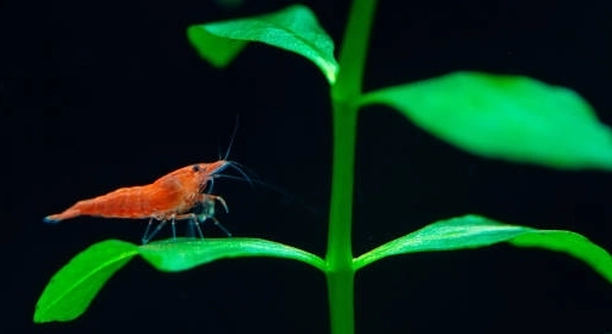
Have you ever watched shrimp moving quietly in an aquarium and wondered how they react to each other? These small creatures live in close groups, and their interactions may reveal more than meets the eye about their health.
Shrimp are capable of detecting when another shrimp is sick through chemical cues released into the water. Research shows that healthy shrimp often change their behavior, avoiding or distancing themselves from infected individuals to reduce disease spread.
Observing these behaviors can teach us a lot about shrimp health and their social patterns in aquatic environments. Understanding these signs helps maintain a balanced and safer habitat for them.
How Shrimp Sense Illness
Shrimp rely heavily on chemical signals in the water to communicate. When a shrimp becomes sick, it releases specific compounds that others can detect almost immediately. This ability helps healthy shrimp avoid potential infection, which is crucial in crowded environments where diseases can spread quickly. Observing these behaviors in aquariums shows a clear pattern: infected shrimp may isolate themselves, move slower, or change color, while others keep a cautious distance. Scientists have studied this to understand shrimp social behavior and disease prevention. These reactions are not learned but instinctive, showing an evolved mechanism for survival. Tank conditions also influence how strongly shrimp react; clean water and proper filtration can reduce stress, allowing healthier social interaction. Overcrowding or poor water quality can make disease detection harder, sometimes leading to outbreaks. By monitoring shrimp closely, it is possible to identify early signs of sickness and adjust care routines. This knowledge is valuable for anyone keeping shrimp, whether for study or as pets.
Shrimp chemical communication helps maintain colony health, with instinctive behaviors limiting disease spread and reducing risk for others.
Healthy shrimp often respond to sick individuals by altering movement patterns, avoiding contact, and maintaining social distance to ensure survival and reduce stress within the group.
Early Signs of Sickness in Shrimp
Behavior changes are the first noticeable sign of sickness. Shrimp may become lethargic, hide more often, or lose appetite.
Early detection of illness is critical for maintaining a healthy tank. Sick shrimp may develop color changes, unusual swimming patterns, or physical deformities. Observing these signs allows timely intervention before diseases spread. Some infections show subtle changes, like slower molting or reduced interaction with others, which can easily be overlooked. Regular observation and a clean environment are essential. By noticing early signs, you can separate affected shrimp, adjust feeding, or treat water conditions to prevent outbreaks. Keeping stress low through proper diet, stable water temperature, and minimal overcrowding also supports their immune system. Even minor symptoms can indicate serious health problems if ignored. Understanding these early indicators improves shrimp care and helps maintain a stable community. Observing interactions daily gives insight into which shrimp may need attention and ensures the tank stays balanced and healthy over time.
How Shrimp Avoid Sick Tankmates
Healthy shrimp often swim away from individuals that show signs of sickness. This instinctive behavior reduces the risk of catching diseases. They may also hide more frequently when others nearby are infected, keeping a safe distance until the environment becomes safer.
Observing shrimp in an aquarium shows clear patterns of avoidance. Sick shrimp may move slower, stay near the bottom, or remain in secluded areas. Healthy shrimp notice these changes and adjust their movement, sometimes pausing or turning away to avoid contact. This behavior is crucial in crowded tanks where disease can spread quickly. By recognizing these patterns, caretakers can better understand shrimp social behavior and identify early health issues before they become serious. Avoidance also helps maintain overall tank balance, as stressed or ill shrimp have less influence on the group, allowing healthy individuals to thrive and continue normal activity without interruption.
Avoidance behaviors extend beyond just movement. Shrimp may avoid shared surfaces, reduce interactions during feeding, and even stay apart during molting. These actions limit the chance of disease transfer through direct contact or contaminated surfaces, creating a safer environment for the entire group. Understanding these patterns helps in setting up tanks to reduce stress and support natural behaviors.
Maintaining a Healthy Shrimp Tank
Water quality is critical for preventing illness in shrimp. Clean, well-filtered water reduces stress and lowers the chances of infections. Proper temperature, pH, and regular water changes support overall health.
Feeding habits also influence shrimp health. Overfeeding or underfeeding can weaken their immune system, making them more susceptible to disease. Providing a balanced diet with adequate nutrients helps them stay strong. Regularly cleaning the tank and removing leftover food prevents bacterial buildup, which can harm shrimp. Observing shrimp behavior daily helps detect subtle changes early, such as reduced activity or appetite. Maintaining a stable environment minimizes stress and encourages natural avoidance behaviors, reducing disease transmission. Combining proper diet, clean water, and careful observation ensures shrimp remain healthy, active, and more resilient to illness in a controlled aquarium setting.
Signs of Stress in Shrimp
Shrimp show stress through unusual swimming, hiding, or color changes. Frequent molting issues or reduced feeding also indicate that something in the tank may be affecting their wellbeing. Stress weakens their immune system, making them more vulnerable to illness.
Stress can also cause shrimp to interact less with others. They may avoid normal social behavior or fail to respond to chemical cues from sick tankmates. Environmental factors like poor water quality, overcrowding, or sudden temperature changes often trigger these responses. Recognizing stress early allows for adjustments to the tank, helping shrimp regain normal activity and reducing the likelihood of disease spreading.
Treating Illness in Shrimp
When shrimp show signs of sickness, immediate action is needed. Removing the affected shrimp to a separate tank helps prevent disease from spreading to healthy individuals. Maintaining clean water and stable conditions in both tanks supports recovery. Proper treatment depends on the type of illness, whether bacterial, fungal, or parasitic. Observing the shrimp closely allows caretakers to monitor improvement or worsening symptoms. In many cases, improving water quality, adjusting diet, and providing stress-free surroundings can help shrimp recover without medication. Early intervention and consistent care are key to preventing serious losses in a tank.
Observing Social Patterns
Shrimp interactions reveal health trends in the tank. Watching how they respond to one another can help identify early signs of illness or stress.
FAQ
How can I tell if my shrimp is sick?
Sick shrimp often move slower, hide more, or show color changes. They may stop eating or have trouble molting. Observing their behavior daily helps detect early signs. A sudden change in activity or interaction with others usually indicates stress or illness.
Why do healthy shrimp avoid sick ones?
Shrimp instinctively avoid sick individuals to reduce the risk of infection. They detect chemical signals in the water released by ill shrimp and respond by keeping distance. This behavior is natural and helps maintain colony health in both natural and aquarium environments.
Can water quality affect shrimp health?
Absolutely. Poor water quality stresses shrimp and makes them more prone to disease. Ammonia, nitrite, or nitrate spikes, improper pH, and fluctuating temperature can all cause stress. Regular water changes, proper filtration, and monitoring parameters are essential to prevent illness.
What are common signs of stress in shrimp?
Stress signs include unusual swimming, hiding, color changes, frequent molting issues, or reduced feeding. Shrimp may also interact less with tankmates or fail to respond to normal social cues. Early detection allows for corrective action to restore a safe environment.
How should I treat a sick shrimp?
First, isolate the affected shrimp in a separate tank to prevent disease spread. Ensure clean water, stable temperature, and proper diet. Treatment depends on the illness type: bacterial infections may require specific medications, while fungal or parasitic issues sometimes resolve with improved water quality and careful observation.
Can shrimp recover from illness naturally?
Yes, sometimes shrimp can recover without medication if water quality is optimized and stress is minimized. Isolation, proper feeding, and a calm environment support recovery. Close monitoring ensures any worsening symptoms are addressed quickly to prevent further losses.
Do all shrimp react the same way to sick tankmates?
No. Some shrimp are more cautious and avoid sick individuals immediately, while others may stay closer out of curiosity. Environmental factors like tank size, water quality, and crowding influence their behavior and the effectiveness of avoidance.
How often should I check my shrimp for signs of illness?
Daily observation is best. Regularly watching movement, feeding, and interaction helps spot subtle changes. Noticing even small deviations early can prevent disease from spreading and ensures timely intervention.
Can diet affect shrimp immunity?
Yes, nutrition plays a major role in shrimp health. A balanced diet with essential vitamins and minerals strengthens their immune system. Overfeeding or underfeeding can weaken shrimp, making them more vulnerable to infections. Consistent, appropriate feeding supports both health and social behavior.
Is overcrowding a problem in shrimp tanks?
Overcrowding increases stress and competition for resources, making shrimp more prone to illness. It can also hinder their ability to avoid sick tankmates effectively. Providing adequate space and hiding areas reduces stress, supports natural behavior, and limits disease spread.
What are the most common shrimp illnesses?
Bacterial infections, fungal growths, and parasitic infestations are the most common. Each shows distinct symptoms like discoloration, unusual growths, or abnormal swimming. Early detection and proper tank management are essential to prevent serious outbreaks and ensure recovery.
How can I prevent shrimp from getting sick?
Maintaining clean water, proper diet, stable temperature, and low stress levels are key. Regular observation and quick action when signs appear prevent illness from spreading. Providing adequate space and monitoring social interactions also helps maintain a healthy environment.
Do shrimp communicate when they are sick?
Indirectly, yes. They release chemical signals into the water that other shrimp can detect. This is not intentional communication but an instinctive way to alert others, prompting healthy shrimp to avoid potential infection.
How long does it take for a sick shrimp to recover?
Recovery depends on the illness, water quality, diet, and stress levels. Some recover in a few days with proper care, while others may take weeks. Early detection and consistent monitoring are critical for a successful recovery.
Are some shrimp species more sensitive to illness?
Yes, smaller or more delicate species often react faster to stress and poor water conditions. Species with stronger immune systems may resist minor infections but still benefit from optimal care and early intervention.
Can shrimp recognize the difference between sick and healthy tankmates?
Yes, they detect chemical changes in the water that indicate illness. Their instinctive response is to avoid sick shrimp, which reduces the risk of disease spreading throughout the tank. This behavior is consistent across many species.
Does molting affect shrimp vulnerability to illness?
Molting is a vulnerable time for shrimp. Soft exoskeletons make them more susceptible to infection, stress, and injury. Ensuring clean water, minimal stress, and proper nutrition during this period supports their health and recovery.
How can I make my shrimp tank safer?
Maintain stable water conditions, provide hiding spaces, feed a balanced diet, and avoid overcrowding. Observing shrimp interactions and isolating any sick individuals promptly also prevents disease from spreading and supports a balanced, healthy environment.
What is the most important thing to remember about shrimp health?
Early observation and quick action are essential. Healthy water, a proper diet, and stress-free conditions allow shrimp to thrive and naturally avoid illness, helping maintain a safe and stable tank for all inhabitants.
Shrimp are small but fascinating creatures. Their ability to sense when another shrimp is sick shows just how finely tuned their instincts are. In a tank, it is easy to overlook these subtle behaviors, but they are important for keeping the group healthy. Healthy shrimp often respond to chemical signals in the water, adjusting their movements, avoiding close contact, or hiding more frequently. These behaviors are not learned but are instinctive, which shows how evolution has shaped their survival strategies. By paying attention to these small details, caretakers can better understand the needs of their shrimp and provide a safer environment. Recognizing when a shrimp is sick or stressed helps prevent the spread of disease and supports overall tank balance.
Maintaining a healthy shrimp tank involves more than just watching for illness. Water quality is a major factor in their wellbeing. Ammonia, nitrite, and nitrate levels must be monitored carefully, and regular water changes are necessary to reduce stress. Temperature and pH stability also play a crucial role. Overcrowding or sudden environmental changes can increase stress, making shrimp more susceptible to infections. Feeding habits influence immunity as well, so providing a balanced diet in appropriate amounts is important. Observing shrimp daily for any changes in behavior, color, or activity is the most effective way to catch early signs of illness. Taking steps like isolating sick individuals, adjusting water conditions, or improving diet can make a significant difference in their recovery and prevent further issues in the tank.
The social behavior of shrimp also gives valuable insight into their health. Healthy shrimp will naturally avoid sick or stressed tankmates, which reduces the risk of infection. These interactions help maintain a stable environment and prevent disease outbreaks. Paying attention to how shrimp interact can reveal subtle signs of stress or illness that might otherwise go unnoticed. Providing hiding spaces and sufficient room allows them to follow these instinctive behaviors without conflict. By combining careful observation, good water management, proper diet, and attention to social behavior, it is possible to support shrimp health effectively. This approach not only protects individual shrimp but also ensures that the group as a whole remains active and thriving in the tank.

Hello,
If you enjoy the content that we create, please consider saying a "Thank You!" by leaving a tip.
Every little bit helps us continue crafting quality advice that supports the health, happiness, and well-being of pets around the world, for pets of all shapes, sizes, and species.
We really appreciate the kindness and support that you show us!