
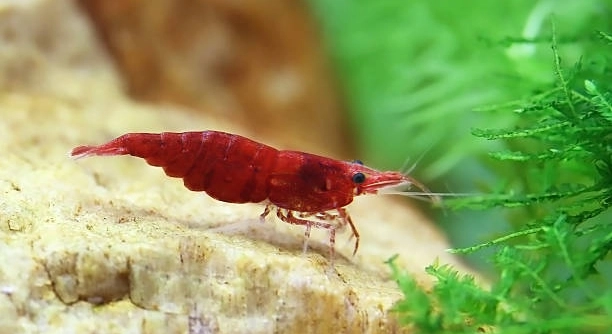
Cherry shrimp are lively little creatures that seem to wake with the sunrise. Many aquarists notice their early morning activity, watching them move quickly across plants and substrate as the light begins to filter.
Cherry shrimp are most active at dawn due to their natural circadian rhythms and feeding behavior. Reduced light levels and cooler water temperatures trigger heightened movement, foraging, and social interaction, reflecting their instinctual patterns in natural habitats.
Observing this early activity can reveal important insights about their health, habits, and ideal tank conditions for thriving shrimp populations.
Understanding Cherry Shrimp Activity Patterns
Cherry shrimp naturally follow a daily cycle of activity and rest. In the early morning, just before and during dawn, they become noticeably more active. This heightened activity is linked to their instinctive feeding schedule and avoidance of predators in the wild. As light begins to filter into the tank, shrimp begin grazing on algae, biofilm, and leftover food particles. The cooler water at this time also encourages movement, as it stimulates their metabolism without causing stress. During daylight hours, many shrimp reduce activity, hiding among plants or decorations to feel secure. Observing their behavior over several days can reveal consistent patterns, helping you anticipate feeding times and monitor their health. Even minor changes in light, temperature, or tank setup can influence their activity. By understanding these patterns, caretakers can provide a more suitable environment and ensure shrimp remain healthy, active, and stress-free in their aquariums.
Dawn activity helps indicate shrimp health and comfort levels in the tank environment.
Monitoring these patterns also aids in adjusting tank conditions. Knowing when they are most active allows for better feeding and maintenance schedules, ensuring shrimp have access to fresh food when they naturally forage. This can prevent overfeeding or waste buildup. Early morning observation can also help detect illness or stress before it becomes severe. Over time, noting activity levels at dawn provides valuable insights into tank balance and shrimp behavior. Simple adjustments, like dimming lights slightly or keeping consistent temperatures, can maintain natural rhythms. Careful attention ensures shrimp feel secure and remain lively. Watching shrimp during these early hours also reveals social interactions, like grazing alongside others or exploring new areas, which indicate a healthy and engaging environment for them.
Factors Influencing Early Morning Movement
Light exposure plays a key role in shrimp activity. They respond to gradual changes, preferring dimmer conditions.
Feeding patterns, tank temperature, and water quality all affect dawn activity. Stable parameters support consistent behavior. When shrimp are well-fed, they forage naturally rather than frantically searching. Plants and hiding spaces allow safe movement, increasing overall activity. Tanks with fluctuating temperatures or harsh lighting can suppress early movement, stressing the shrimp. Nutrition also impacts energy; a balanced diet enhances morning exploration, while poor nutrition may reduce activity. Even small changes, like moving decorations, influence their paths and behavior. Observing their interaction with the environment reveals preferences, such as shaded areas or moss patches, and helps optimize tank layout. Over time, understanding these factors allows caretakers to maintain ideal conditions that encourage natural, healthy activity, making shrimp easier to care for and improving their overall well-being in captivity.
Common Environmental Triggers
Temperature changes can quickly alter shrimp activity. Slight drops in water temperature at dawn encourage movement.
Water quality is crucial for cherry shrimp. Clean water with stable pH, low ammonia, and minimal nitrates promotes natural foraging behavior. Tanks with poor water conditions cause stress and reduce activity. Proper filtration and regular water changes help maintain a healthy environment. Light intensity also affects shrimp. Gradual morning light triggers movement, while sudden bright light may cause them to hide. Substrate and plant density influence exploration. Soft, fine substrate allows easier movement, and plenty of plants or moss provides shelter. These environmental factors combined determine how active cherry shrimp are at dawn. Observing and adjusting these elements ensures shrimp remain healthy, lively, and stress-free.
Nutrition affects early activity patterns. Well-fed shrimp move confidently in search of leftover food, while underfed shrimp appear sluggish.
Social interaction impacts behavior. Cherry shrimp are naturally curious and often move more in groups. Early morning activity can increase when multiple shrimp forage together, promoting natural social behaviors. Observing their interactions helps identify healthy group dynamics and ensures tank mates are compatible. Stress from overcrowding or aggressive species nearby may reduce movement. Providing ample space and hiding spots allows shrimp to explore safely, enhancing natural activity rhythms. Environmental factors, including temperature, light, water quality, nutrition, and social setting, work together to shape their dawn behaviors and maintain their overall well-being.
Feeding and Foraging Behavior
Cherry shrimp rely on grazing for energy. Early morning provides the quietest time to search for algae and biofilm.
Consistent feeding schedules reinforce natural activity cycles. When food is added during early morning, shrimp show heightened movement, foraging systematically across plants and substrate. They use their tiny claws to scrape algae and pick up biofilm, which offers essential nutrients. Overfeeding can cause reduced activity later in the day, while underfeeding encourages more frantic searching. Offering balanced diets, including algae wafers and blanched vegetables, supports healthy growth. Observing their foraging also allows caretakers to notice any signs of illness or stress. Patterns in feeding and exploration help maintain a harmonious tank environment.
Shrimp explore more when food sources are varied. Different textures and placements encourage movement across the tank. Feeding in multiple areas prevents dominance and ensures all shrimp access nutrients. Rotating food types also stimulates natural foraging instincts. Observation of these behaviors at dawn provides insight into shrimp preferences and overall health. Adjusting feeding routines to match their activity peaks ensures energy needs are met while maintaining natural rhythms, promoting both vitality and longevity in the aquarium.
Light and Its Influence
Gradual light changes in the morning trigger cherry shrimp activity. Dim dawn lighting signals safe conditions for foraging.
Sudden bright light can make shrimp hide, reducing early morning movement. Positioning tanks away from direct sunlight helps maintain natural activity rhythms.
Tank Layout Considerations
The arrangement of plants, decorations, and substrate directly affects shrimp exploration. Dense planting offers hiding spots, while open areas encourage movement. Proper layout balances safety and freedom, allowing shrimp to feel secure yet active. Observing their preferred paths can guide adjustments to maximize comfort and natural behavior in the aquarium.
Seasonal Variations
Cherry shrimp activity can vary with seasonal temperature and light changes. Slightly cooler mornings in certain seasons may trigger more pronounced dawn activity, while warmer periods can shift their peak movement times slightly.
Monitoring Shrimp Health
Regular observation of activity levels helps detect early signs of stress or illness. Reduced movement, lethargy, or hiding can indicate water issues or dietary deficiencies that need attention.
FAQ
Why are cherry shrimp more active at dawn than other times?
Cherry shrimp follow natural circadian rhythms. Early morning provides dim light and cooler water, which encourages foraging and movement. Predatory threats are minimal at this time, so shrimp feel safer to explore. These conditions mimic their natural environment, making dawn a peak period for activity.
How does tank lighting affect their activity?
Gradual changes in lighting are ideal. A sudden bright light can cause stress and hiding, while soft, indirect light stimulates natural behaviors. Using a timer or placing the tank away from direct sunlight can maintain consistent light patterns that support dawn activity.
Does water temperature influence their morning activity?
Yes, small temperature drops at dawn boost metabolism without causing stress. Stable temperatures are essential, but cooler early morning water mimics natural conditions and promotes movement. Sudden spikes or drops can reduce activity and lead to stress or illness.
What role does feeding play in dawn activity?
Feeding schedules reinforce natural movement patterns. Providing food in the morning encourages shrimp to forage systematically. A balanced diet of algae wafers, blanched vegetables, and occasional protein supplements keeps energy levels high. Underfeeding may lead to frantic searching, while overfeeding reduces activity later in the day.
Do tank decorations and plants affect movement?
Yes, the layout matters. Dense plants and moss give hiding spaces, while open areas encourage exploration. Observing shrimp paths helps identify preferred areas. Rearranging decorations or adding moss can enhance activity and make the tank more comfortable and engaging for shrimp.
How does water quality influence early activity?
Clean water is critical. Stable pH, low ammonia, and minimal nitrates allow natural behavior. Poor water conditions stress shrimp, suppressing movement. Regular water changes and proper filtration help maintain an environment where shrimp can move confidently during dawn and throughout the day.
Does group behavior impact activity at dawn?
Social dynamics play a role. Shrimp are more active when in groups, foraging together. Overcrowding or aggressive tank mates may reduce movement. Providing space and hiding spots ensures safe social interaction, encouraging healthy exploration and activity during early hours.
Can seasonal changes alter their dawn activity?
Yes, natural changes in light and temperature affect patterns. Cooler mornings in some seasons may trigger more pronounced activity, while warmer periods can shift peak movement times. Maintaining consistent tank conditions helps minimize seasonal disruptions, keeping shrimp behavior predictable and healthy.
How can I tell if reduced activity indicates a problem?
Monitor changes over time. Sudden lethargy, hiding, or reduced movement may indicate poor water quality, dietary deficiencies, or illness. Early observation allows timely adjustments, such as improving filtration, correcting pH, or addressing nutrition to restore normal activity levels.
Are there ways to encourage more active dawn behavior?
Yes, maintain stable water parameters, provide balanced nutrition, ensure gradual lighting changes, and design the tank with both open areas and safe hiding spots. Observing natural behavior patterns and adjusting feeding or layout can boost early morning activity and overall health.
Can tank size influence how active cherry shrimp are?
Smaller tanks can limit exploration and increase stress if overcrowded. Larger tanks allow more space for movement, social interaction, and foraging. Ensuring sufficient space and hiding spots promotes natural dawn activity while reducing territorial stress and conflicts among shrimp.
Does the age of shrimp affect activity levels?
Younger shrimp tend to be more energetic and exploratory, while older shrimp may move less or prefer sheltered areas. Monitoring all age groups helps maintain balanced tank conditions and ensures that both young and mature shrimp have optimal opportunities for safe, active foraging.
Is water current important for dawn activity?
Mild water flow simulates natural habitats and encourages shrimp to move and forage. Strong currents can cause stress and reduce early morning activity. Positioning filters and pumps to create gentle, consistent flow supports natural behavior without overwhelming the shrimp.
How do I observe activity without stressing the shrimp?
Use soft lighting, move slowly near the tank, and avoid tapping on glass. Early morning observation with minimal disturbance lets you watch natural behavior and identify patterns while keeping shrimp calm. Consistent, gentle monitoring supports health and reinforces natural dawn activity.
Can tank mates affect cherry shrimp’s dawn activity?
Yes, aggressive or larger species can intimidate shrimp, reducing movement. Peaceful, compatible tank mates allow natural foraging and exploration. Observing interactions ensures a safe environment, promoting confident early morning activity without fear or stress.
What signs indicate shrimp are thriving during dawn activity?
Healthy shrimp are active, exploring plants and substrate, foraging systematically, and interacting with others. Bright coloration, steady movement, and regular grooming are positive indicators. Consistent dawn activity reflects proper nutrition, water quality, and a comfortable tank setup.
Does substrate type make a difference in early activity?
Soft, fine substrates allow easier movement and grazing. Rough or sharp substrates can discourage exploration and reduce dawn activity. Choosing appropriate substrate improves comfort, supports natural foraging, and encourages healthy, active shrimp during morning hours.
How important is consistency in tank conditions?
Highly important. Stable lighting, temperature, water quality, and feeding schedules reinforce natural behavior. Inconsistent conditions disrupt circadian rhythms, reduce activity, and increase stress. Predictable routines support dawn activity and long-term shrimp health.
Can stress reduce morning activity, and how can it be minimized?
Stress reduces movement. Causes include sudden lighting changes, poor water quality, overcrowding, or aggressive tank mates. Minimizing stress involves maintaining stable conditions, providing hiding spots, avoiding sudden disturbances, and ensuring compatible tank mates. Healthy, stress-free shrimp are active and confident during dawn.
How can I track changes in activity over time?
Keep a log of daily observations, noting times of peak movement, feeding behavior, and social interactions. This helps identify trends, detect issues early, and optimize tank conditions to support consistent dawn activity and overall shrimp well-being.
Cherry shrimp are fascinating little creatures whose early morning activity can tell a lot about their health and environment. Observing them at dawn gives a clear view of their natural behavior, from grazing on algae and biofilm to interacting with other shrimp in the tank. These early movements are not random; they follow natural circadian rhythms influenced by light, temperature, and water quality. By paying attention to these patterns, caretakers can better understand how their shrimp are adjusting to the tank and whether the environment is meeting their needs. Simple observations in the early hours can reveal whether shrimp are energetic and healthy or if adjustments in care are necessary to keep them thriving. Consistency in monitoring ensures that any potential problems, such as stress, illness, or poor water conditions, are noticed and addressed quickly.
Maintaining the right tank environment is essential for supporting natural dawn activity. Gradual light changes, stable water parameters, and appropriate temperatures all encourage movement without causing stress. Substrate, plants, and decorations also play a role by providing safe spaces to explore and forage. Well-planned tank layouts offer a balance between open areas for exploration and dense spots for shelter. Feeding routines that align with early morning activity further support natural behavior and provide the energy shrimp need to move confidently around the tank. Observing shrimp interactions during this time helps assess social dynamics, ensuring that all shrimp can forage without competition or intimidation. Paying attention to these factors allows caretakers to create a comfortable, stimulating environment that keeps shrimp active and healthy. Small adjustments, like adding moss or rearranging plants, can make noticeable differences in their morning routines.
Regular observation and care make managing a cherry shrimp tank more rewarding. Understanding the reasons behind dawn activity, from circadian rhythms to environmental conditions, helps ensure shrimp are thriving. By tracking patterns, monitoring water quality, maintaining proper feeding, and providing a well-arranged tank, shrimp can remain active and stress-free. These efforts contribute not only to healthier shrimp but also to a more enjoyable and visually engaging aquarium. Watching shrimp explore at dawn can be satisfying, revealing their natural behaviors and interactions, which may otherwise go unnoticed during the day. Taking the time to maintain stable conditions, monitor activity, and adjust care routines when necessary helps create a consistent, healthy environment. This attention to detail supports long-term health, encourages natural behavior, and enhances the overall experience of keeping cherry shrimp, making the morning activity a useful and rewarding indicator of their well-being.

Hello,
If you enjoy the content that we create, please consider saying a "Thank You!" by leaving a tip.
Every little bit helps us continue crafting quality advice that supports the health, happiness, and well-being of pets around the world, for pets of all shapes, sizes, and species.
We really appreciate the kindness and support that you show us!