
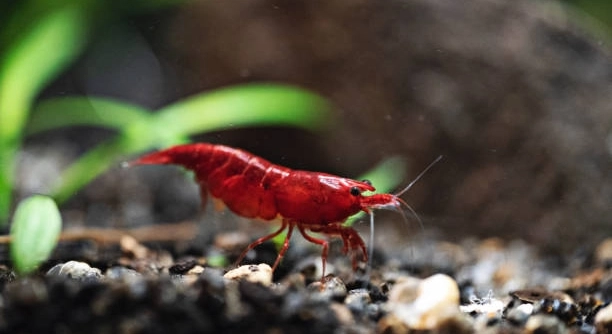
Cherry shrimp are small, colorful freshwater shrimp that brighten up aquariums. Many shrimp keepers notice their vibrant colors and lively behavior. Observing them closely can lead to questions about their growth, reproduction, and even gender changes over time.
Cherry shrimp do not change gender. They are sexually dimorphic from birth, with males and females maintaining distinct characteristics throughout their life cycle. While females may appear larger or more colorful, no natural sex reversal occurs.
Understanding how to identify male and female shrimp can help maintain a healthy tank environment. Proper care ensures their natural behaviors and reproduction remain consistent.
Understanding Cherry Shrimp Gender Differences
Cherry shrimp have distinct physical traits that separate males from females. Females are generally larger and have a more rounded, curved underbelly, which is necessary for carrying eggs. Their coloration tends to be brighter, especially in high-quality breeds, making them easier to spot in the tank. Males are usually smaller, with a slimmer body and less vivid colors. Observing the behavior can also help with identification; females move more slowly while grazing, while males swim actively and search for mates. During molting, females may show a darker saddle shape on their back, which indicates egg development. Knowing these differences helps in breeding and maintaining a balanced aquarium. Recognizing the sexes early prevents confusion about gender changes and ensures the shrimp population grows healthily. Keeping a proper male-to-female ratio supports natural mating without stressing the colony, making care management simpler for anyone keeping these shrimp.
Careful observation and understanding of their physical traits improve tank management and breeding outcomes for cherry shrimp.
Tracking shrimp behavior and appearance over time can provide confidence in identifying their gender, reducing guesswork and uncertainty when maintaining your tank.
Breeding and Reproduction
Females carry eggs under their curved abdomen until they are ready to hatch, typically 2–3 weeks depending on water conditions and temperature.
Successful breeding requires stable water parameters and sufficient hiding spaces. Providing moss, plants, or small structures allows females to safely carry eggs without interference from active males or tankmates. The presence of ample food supports egg development and juvenile growth. Tank cleanliness is crucial, as ammonia and nitrites can harm both eggs and adult shrimp. A balanced diet rich in proteins and minerals helps females stay healthy and produce viable eggs. Monitoring water temperature, ideally between 22–26°C, accelerates egg development while keeping shrimp comfortable. Juveniles are highly sensitive and need gentle care, with slow-growing populations benefiting from consistent feeding schedules and minimal disturbance. Avoiding sudden light changes or water fluctuations reduces stress, which can affect reproductive success. By paying attention to these factors, shrimp breeders can maintain thriving colonies with predictable population growth.
Careful tank management ensures healthy eggs and strong, growing juvenile shrimp populations.
Common Misconceptions About Gender Changes
Many people believe cherry shrimp can switch genders, often due to observing changing behaviors or color intensity. These changes are actually related to growth, molting, or environmental stress, not actual sex reversal.
Color and size shifts in cherry shrimp often cause confusion about gender. Females may appear darker or more vibrant when carrying eggs, while males can look slightly different after molting. Tank conditions, diet, and lighting also influence their appearance. Observing these changes without understanding the reasons can easily lead to the mistaken belief that shrimp are changing gender. Awareness of natural growth cycles and seasonal behaviors clarifies these misconceptions and helps maintain accurate records of your shrimp population.
Behavioral variations can also mislead owners. Males may act more dominant or active during mating periods, and females may move slower or hide while berried. These behavioral changes are temporary and tied to reproductive cycles rather than sex change. Knowing what to expect reduces unnecessary worry and allows you to provide a stable, supportive environment for your shrimp colony.
Proper Tank Conditions
Stable water parameters are essential for cherry shrimp health, directly impacting their coloration, growth, and reproduction. Temperature, pH, and hardness must remain consistent to avoid stress.
Ammonia and nitrite spikes can harm shrimp, even if temporary. Frequent water changes, proper filtration, and careful monitoring are critical to maintaining a safe environment. Shrimp thrive in slightly acidic to neutral pH levels and moderate temperatures. Overcrowding or sudden changes in conditions can cause stress, leading to color fading or molting issues. Providing hiding spots and gentle water flow supports natural behavior, ensuring shrimp feel secure and reproduce successfully. A clean and stable tank helps shrimp maintain their vibrant colors, proper growth, and predictable behavior.
Diet and supplementation also play a key role in maintaining a healthy colony. Offering a mix of algae, plant matter, and occasional protein-rich foods ensures females can carry eggs successfully and juveniles grow without deficiencies. Avoid overfeeding, which can compromise water quality. Observing shrimp regularly allows for early detection of issues related to water or nutrition, preventing long-term population decline. Combining consistent tank maintenance with a balanced diet ensures a thriving, healthy cherry shrimp environment where their natural traits remain stable and predictable.
Identifying Males and Females
Males are smaller, slimmer, and less colorful than females. They are more active swimmers and often roam the tank searching for mates.
Females are larger, rounder, and display brighter coloration. Their curved abdomen is noticeable when carrying eggs, helping distinguish them from males.
Impact of Molting
Molting is a natural process where cherry shrimp shed their exoskeleton to grow. During this time, both males and females may appear paler or slightly different in size. Molting frequency depends on age, diet, and water conditions, with younger shrimp molting more often than adults. Observing molting patterns can help predict growth and behavior changes, but it does not indicate a gender change. Proper nutrition and stable tank conditions reduce stress during molting, allowing shrimp to grow safely. Monitoring these changes ensures the colony remains healthy, with predictable behaviors and appearance across all members.
Observing Reproductive Behavior
Mating behavior includes males chasing females and females hiding when berried.
Understanding these patterns helps maintain a healthy and balanced shrimp population.
FAQ
Can cherry shrimp really change gender?
Cherry shrimp do not change gender. Males and females are distinct from birth, and their physical characteristics remain consistent throughout life. What may appear as a gender change is usually related to color intensity, size differences, or behavioral changes during molting or reproduction.
Why does my female shrimp look darker sometimes?
Females often appear darker when carrying eggs under their abdomen. This coloration is natural and signals reproductive readiness. Lighting, water quality, and diet can also influence their vibrancy, but it does not mean the shrimp is changing sex.
How can I tell a male from a female?
Females are larger, rounder, and show a curved underbelly for carrying eggs. Males are smaller, slimmer, and less colorful. Observing swimming patterns also helps; males are more active while searching for mates, and females move slowly while grazing.
Do males ever look like females?
Males can sometimes look fuller after molting or if they have eaten more, but they never develop female-specific traits like the curved abdomen or egg-carrying ability. Size and color changes in males are temporary and should not be mistaken for sex reversal.
Does molting affect gender appearance?
Molting can temporarily change shrimp color or make them appear slightly different in size. These changes are natural growth processes. Females may look paler after shedding, while males may appear slimmer. Neither change affects the shrimp’s actual gender.
Can stress make a shrimp act like the opposite gender?
Stress can alter behavior and color but does not change gender. Poor water conditions, overcrowding, or aggressive tankmates can make females hide or males swim excessively. Observing these changes helps adjust care but does not indicate sex change.
How often do females carry eggs?
Females typically carry eggs every few weeks, depending on water temperature, diet, and overall health. Providing stable water parameters and proper nutrition supports regular reproductive cycles and healthy offspring.
Do all females produce the same number of eggs?
No. Egg quantity varies based on age, size, health, and diet. Larger, well-fed females produce more eggs, while smaller or stressed females carry fewer. Consistent care ensures the highest chance of healthy reproduction.
Can males die if they don’t mate?
Males do not die from not mating. They will continue normal behavior, though their activity may decrease in the absence of receptive females. Maintaining a balanced male-to-female ratio supports natural mating patterns and reduces stress in the tank.
How do I prevent confusion about gender in my tank?
Regular observation of physical traits, behavior, and reproductive signs helps identify males and females accurately. Tracking molting, coloration, and egg development removes uncertainty. Proper tank maintenance, consistent diet, and controlled population size reduce misleading changes in appearance or behavior.
Does lighting or water color affect gender perception?
Lighting and water clarity can exaggerate or mute colors, making females appear darker or males more colorful. Adjusting aquarium light and keeping water clean provides a true representation of shrimp appearance. These changes are visual, not biological.
Can cherry shrimp live alone or do they need a group?
Cherry shrimp thrive in colonies. Males need females for reproductive behavior, and females benefit from social interaction to reduce stress. A balanced group encourages natural behaviors, healthy growth, and visible distinctions between genders.
Is it possible for a female to become infertile?
Yes, stress, age, poor water quality, or nutritional deficiencies can reduce fertility. Females may stop carrying eggs or produce non-viable eggs. Ensuring a clean, stable environment with proper diet helps maintain reproductive health.
Can tankmates influence shrimp behavior or appearance?
Aggressive or large tankmates may stress shrimp, causing hiding, color fading, or reduced activity. These changes can confuse owners about gender, but shrimp maintain their biological sex regardless of other species in the tank.
How long do cherry shrimp live?
Cherry shrimp live 1.5 to 2 years on average, depending on care. During their lifespan, males and females retain their gender traits, and proper nutrition and environment extend both longevity and reproductive capacity.
Should I separate males and females?
Separating genders is not necessary unless controlling breeding. A mixed colony encourages natural mating and healthy population growth. Observation ensures balance, preventing overcrowding or stress that may impact shrimp appearance.
Can temperature changes affect gender appearance?
Temperature affects molting, metabolism, and coloration but not gender. Warmer water may speed growth, making females appear fuller sooner, while cooler water slows activity. Maintaining stable temperatures ensures predictable behaviors and proper reproductive cycles.
Do all females reproduce equally well?
Reproductive success varies. Some females are more fertile due to size, health, or diet. Monitoring individuals helps identify which shrimp produce the most viable offspring and ensures overall colony sustainability.
What should I do if I think my shrimp changed gender?
It is safe to assume they have not. Check for molting, color changes, or stress factors instead. Adjust tank conditions and nutrition, and monitor behavior. Accurate observation prevents unnecessary concern about nonexistent sex changes.
Can I influence shrimp gender artificially?
No, gender is genetically determined and cannot be altered through diet, water conditions, or environmental changes. Focus on providing ideal care to support natural behaviors, health, and successful reproduction.
Are berried females more active or less active?
Berried females usually become less active, seeking safe spots to carry eggs. This behavior is natural and temporary, lasting until eggs hatch. Male activity does not change, but observing female movement helps identify reproductive status.
How long do eggs take to hatch?
Eggs typically hatch within 2–3 weeks, depending on temperature and water quality. Warmer, stable conditions accelerate development, while cooler water slows it. Ensuring proper care during this time maximizes juvenile survival.
Do juveniles look like adults immediately?
No, juvenile shrimp are smaller and less colorful. They gain adult traits over several weeks through molting. Observing growth stages helps distinguish males and females as they mature, preventing confusion about gender changes.
Can diet affect appearance or reproduction?
Yes, a balanced diet rich in algae, plant matter, and occasional protein promotes vibrant colors, healthy growth, and successful reproduction. Deficiencies can cause color fading, stunted growth, and reduced fertility.
Are there visual signs of health problems mistaken for gender change?
Color fading, lethargy, or irregular molting may seem like a sex change but usually indicate poor water quality, stress, or disease. Addressing these issues restores health without affecting actual gender.
Is overcrowding harmful to shrimp?
Overcrowding increases stress, reduces hiding spots, and may stunt growth. Females may carry fewer eggs, and males become more aggressive. Maintaining a balanced population ensures natural behavior and prevents mistaken assumptions about gender changes.
Can cherry shrimp recognize each other’s gender?
Yes, males detect females ready to mate through chemical and behavioral cues. Females may signal readiness by exposing their curved abdomen and reducing movement. This interaction does not involve gender change but guides reproduction naturally.
Do water hardness and pH affect gender?
Water hardness and pH influence growth and egg development but do not change gender. Stable, moderate conditions are necessary for shrimp health, ensuring females reproduce successfully and males remain active.
Can stress from handling affect shrimp appearance?
Handling or moving shrimp can temporarily alter color and behavior. Stress may cause hiding, slower movement, or faded coloration. These changes are temporary and do not indicate gender change.
How often should I monitor shrimp for health and behavior?
Regular daily or weekly observation helps detect molting, feeding patterns, and egg development. This ensures proper care and clarifies any perceived changes in gender or appearance.
Are all shrimp in the tank necessary for reproduction?
A balanced ratio of males to females supports natural reproduction. Too few males reduce mating activity, while too few females lower egg production. Proper numbers maintain a healthy, thriving colony.
Can I identify gender at birth?
Yes, with careful observation, some differences may be visible early, such as body shape and size. Juveniles are less distinct, but patterns become clearer with growth and molting.
Do females carry eggs all the time?
No, females carry eggs only after mating. Between cycles, they return to normal activity, with the curved abdomen still visible but empty. Proper nutrition supports repeated reproductive cycles.
How can I ensure my shrimp are happy and healthy?
Stable water parameters, proper diet, and a safe environment with hiding spaces encourage natural behavior, healthy growth, and successful reproduction. Observing shrimp regularly allows for early intervention if issues arise, maintaining a thriving, balanced colony.
Is it normal for males to chase females constantly?
Yes, this is part of mating behavior. Active chasing does not harm females if space and hiding spots are available. This behavior reflects natural reproductive instincts, not a change in gender.
Do shrimp colors fade with age?
Colors may fade slightly as shrimp age, particularly if diet or water quality declines. Fading does not indicate gender change but may require adjustments in care to maintain vibrancy.
Can I separate berried females for protection?
Separating females is optional but can reduce stress and improve survival rates for eggs. Providing plenty of hiding spaces achieves a similar effect without physically moving shrimp.
Are some strains more colorful than others?
Yes, selective breeding has produced strains with brighter reds and oranges. Color intensity can vary between males and females, but all maintain their genetic gender.
Do water changes affect shrimp appearance?
Sudden water changes may stress shrimp, causing temporary color fading or hiding. Gradual, consistent changes support health and reduce mistaken assumptions about gender changes.
Can shrimp survive in tanks with no plants?
Shrimp survive without plants but thrive better with moss, plants, or hiding spots. Vegetation supports molting, reproduction, and reduces stress, helping maintain natural behavior and appearance.
How can I track reproductive cycles?
Observing berried females, molting patterns, and behavior changes allows you to monitor reproduction. Keeping notes on timing helps predict cycles and manage population growth effectively.
What is the ideal male-to-female ratio?
A ratio of roughly one male for every two to three females encourages natural mating while minimizing stress and competition. Proper balance ensures healthy reproduction and stable colony dynamics.
Can I encourage more females to carry eggs?
Providing stable water, good nutrition, hiding spots, and a balanced male-to-female ratio supports egg carrying. Stress reduction and consistent care improve reproductive success naturally.
Do shrimp need special lighting to maintain color?
Lighting can enhance perceived colors but is not required for survival. Consistent, moderate lighting supports healthy behavior and allows true colors to show without stressing the shrimp.
Are all males active at the same time?
Male activity can vary with age, health, and presence of receptive females. Increased activity during mating periods is normal and does not indicate any gender change.
How long should juveniles be monitored for gender identification?
Juveniles may take several weeks to develop distinguishable traits. Regular observation during growth and molting ensures accurate identification of males and females without confusion.
Can diet alone change shrimp gender?
No, diet affects health, growth, and color but cannot alter biological sex. Balanced nutrition ensures females reproduce successfully and males maintain active behavior without affecting gender.
Do water temperature fluctuations confuse gender identification?
Temperature changes can alter growth rate and coloration temporarily but do not change gender. Stable temperatures support predictable molting, behavior, and reproduction.
Is it normal for shrimp to hide frequently?
Yes, hiding can be a response to stress, molting, or reproduction. Behavior varies by individual and does not indicate a change in gender. Adequate hiding spaces reduce stress and support healthy behavior.
Can disease mimic gender change?
Certain illnesses may cause color fading or lethargy, leading owners to misinterpret changes as gender shifts. Prompt treatment restores health without altering biological sex.
Do all females reproduce at the same rate?
Reproductive output varies by size, health, and age. Larger, well-nourished females carry more eggs and produce more offspring. Monitoring individual performance helps maintain a thriving colony.
Are there visual cues to know if a female is berried?
Yes, the curved abdomen holds dark eggs, visible through the exoskeleton. Berried females also move slower and seek safe spaces to protect eggs until hatching.
Can shrimp adapt to new tanks without changing gender?
Yes, shrimp adapt to new environments without altering biological sex. Acclimation may temporarily affect behavior or coloration, but gender remains consistent.
How do I know if my shrimp are stressed?
Signs include hiding, color fading, excessive molting, or reduced activity. Stress affects behavior but does not cause gender change. Addressing water quality, diet, and environment reduces stress effectively.
Do females molt differently than males?
Females may take longer to molt due to egg development, but the process is otherwise similar. Observing molting patterns helps track growth and reproduction, not gender change.
Can male competition affect behavior but not gender?
Yes, males may become more active or aggressive in competition, but this does not affect their sex. Maintaining adequate space and hiding spots reduces stress and aggressive behavior.
Do shrimp need special care when carrying eggs?
Berried females benefit from stable water, hiding spots, and consistent nutrition. Minimal disturbance ensures eggs develop safely and juveniles hatch successfully.
How long until juvenile shrimp reach maturity?
Juveniles reach sexual maturity in 2–3 months under proper conditions. Growth rate depends on water quality, temperature, and diet, with gender traits becoming apparent during this period.
Is it common for males to lose color temporarily?
Yes, males may fade after molting or during periods of stress. Color changes are temporary and do not indicate a shift in gender. Proper care restores natural coloration.
Can I identify gender by behavior alone?
Behavior helps indicate gender but is not fully reliable. Combining observation of size, shape, color, and behavior ensures accurate identification of males and females.
Do shrimp recognize tankmates’ reproductive status?
Males detect berried females through chemical cues, influencing their mating behavior. Females respond by hiding. Recognition guides reproduction naturally without affecting gender.
Can temperature extremes harm reproductive cycles?
Yes, high or low temperatures can slow or stop egg development, but they do not alter the shrimp’s gender. Stable, moderate temperatures support successful reproduction.
Are some colors linked to gender?
Females often appear brighter, especially when berried. Males are generally paler. Color variation is natural and can fluctuate with diet, molting, or water conditions.
Do shrimp need supplemental food to reproduce successfully?
Providing algae, plant matter, and occasional protein supports egg development and juvenile growth. Adequate nutrition ensures females carry healthy eggs and males remain active for mating.
Can overcrowding prevent reproduction?
Yes, overcrowding increases stress, reduces hiding spaces, and may lower egg production. Maintaining a balanced population allows natural behavior and healthy reproduction without affecting gender.
Do water changes influence egg development?
Proper water changes maintain quality and support egg development. Sudden or large changes may stress berried females, temporarily affecting behavior but not gender.
Are all males equally active in reproduction?
Activity varies with age, health, and female availability. Some males may chase more actively, but all retain their biological gender and participate in reproduction based on natural instincts.
Can shrimp reproduce without males?
No, fertilization requires males. Without males, females will not carry viable eggs, but their gender remains unchanged. Proper male-to-female ratios ensure consistent reproduction.
Does diet affect juvenile growth but not gender?
Yes, proper nutrition accelerates growth and color development but cannot alter biological sex. Juveniles develop clear male or female traits as they mature.
Do all females show a saddle when carrying eggs?
Most females display a saddle of developing eggs on their back. Size and visibility vary, but this is a natural reproductive indicator, not a sign of gender change.
Can I use visual cues to separate males and females for breeding?
Yes, observing body shape, size, color, and reproductive signs allows selective breeding. This management does not alter gender but ensures healthy population growth.
Are berried females less active than non-berried females?
Yes, they move slower to protect eggs. This temporary behavior is natural and indicates reproductive status, not gender change.
Do shrimp communicate reproductive readiness chemically?
Yes, females release pheromones that signal readiness to males. This chemical communication triggers mating behavior without affecting biological sex.
Can I rely solely on color to identify gender?
No, color alone is not reliable. Shape, size, behavior, and reproductive signs together provide accurate identification. Environmental factors can temporarily alter appearance.
How long do shrimp retain their gender traits?
Cherry shrimp retain their biological gender throughout life. Size, color, and behavior may fluctuate due to molting, age, or environment, but gender remains fixed.
Are some behaviors seasonal?
Yes, reproductive cycles and activity levels can fluctuate with temperature and tank conditions. These seasonal behaviors do not indicate any gender change.
Can I breed cherry shrimp in a small tank?
Yes, but maintaining stable water, hiding spots, and balanced population is crucial. Proper care supports reproduction without influencing gender traits.
Do males show aggression only during mating?
Primarily, yes. Male aggression increases during mating periods to compete for females. Outside of this, they remain peaceful and maintain consistent gender characteristics.
Is it normal for females to change shape slightly when berried?
Yes, the abdomen curves more prominently to carry eggs. This natural change is temporary and does not alter the shrimp’s biological sex.
Do juveniles show gender traits immediately after hatching?
No, traits develop over several weeks. Observing molting and growth patterns helps identify gender accurately as shrimp mature.
Can I encourage faster growth without affecting gender?
Yes, optimal water conditions, nutrition, and stable environment accelerate growth. Gender remains fixed while shrimp develop properly.
Do males molt differently than females?
Molting frequency may differ slightly due to growth rates, but the process is similar. Gender traits remain unchanged after molting.
Are berried females more sensitive to environmental changes?
Yes, they are more vulnerable to stress. Stable water, hiding spots, and gentle handling protect both eggs and adult shrimp without affecting gender.
Can I misinterpret feeding behavior as gender change?
Yes, females may eat more when berried or growing, and males may appear less active at times. Observation over time clarifies behavior without implying sex change.
Does water clarity affect perception of gender?
Clear water provides an accurate view of coloration and body shape. Cloudy water may obscure traits, leading to mistaken assumptions about gender changes.
Are there any signs that indicate shrimp are unhealthy rather than changing gender?
Faded color, lethargy, abnormal molting, or reduced feeding are health indicators. Address
Final Thoughts
Cherry shrimp are fascinating little creatures that bring color and life to any aquarium. Their small size and delicate appearance can make them seem mysterious, especially when observing changes in color, behavior, or size. Many shrimp keepers notice females becoming darker when berried or males appearing more active during mating periods and may wonder if gender can change. It is important to remember that cherry shrimp are genetically determined as male or female from birth. While their appearance and behavior can vary, these changes are natural parts of growth, reproduction, and environmental responses, rather than indicators of a sex change. Understanding these traits helps maintain a healthy and balanced shrimp population in a tank.
Observing shrimp closely over time can provide insight into their behaviors and natural cycles. Molting, for example, temporarily alters their appearance, making both males and females look paler or slightly different in shape. Females carrying eggs display a curved abdomen, which is a normal reproductive characteristic, while males remain smaller and less colorful. Environmental factors like lighting, water quality, diet, and tankmates also affect their appearance and activity levels. Stress can cause shrimp to hide, become less active, or lose color temporarily, but none of these factors result in a gender change. By keeping the tank stable and providing proper care, owners can ensure shrimp maintain their natural traits and thrive in a safe, supportive environment.
Providing the right conditions and regular observation is essential for successful shrimp keeping. A stable water temperature, balanced pH, adequate hiding spots, and a proper male-to-female ratio create an environment that encourages natural behaviors and successful reproduction. Feeding a varied diet rich in algae, plant matter, and occasional protein supports healthy growth and vibrant coloration. Monitoring molting, behavior, and egg development helps distinguish between normal changes and potential health issues. With careful attention and consistent care, cherry shrimp can live full, healthy lives without confusing gender shifts. Understanding these aspects allows shrimp keepers to enjoy their tanks confidently, knowing the changes they see are normal parts of shrimp life, not a change in gender.

Hello,
If you enjoy the content that we create, please consider saying a "Thank You!" by leaving a tip.
Every little bit helps us continue crafting quality advice that supports the health, happiness, and well-being of pets around the world, for pets of all shapes, sizes, and species.
We really appreciate the kindness and support that you show us!