
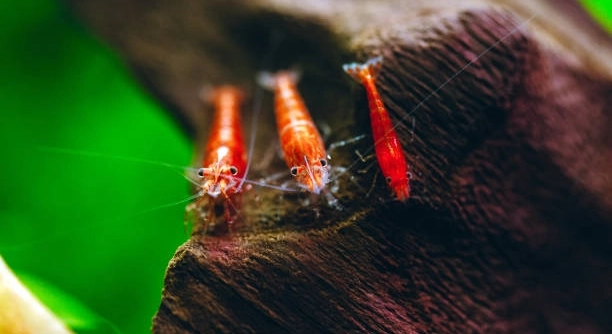
Have you ever noticed shrimp returning to the same spot in your aquarium or pond? Watching them gather in one place can be fascinating, but it often leaves owners wondering why they choose that specific location.
Shrimp repeatedly return to a single area due to environmental factors, food availability, and social behavior. Specific water conditions, hiding spots, and consistent feeding routines make certain locations more attractive and suitable for their survival and comfort.
Understanding these behaviors can help maintain a healthy habitat and improve shrimp well-being in the long term. Observing patterns offers insight into their daily needs and preferences.
Water Quality and Temperature
Shrimp are very sensitive to water conditions. They tend to return to areas where the temperature and water quality are stable. Consistent temperature helps their metabolism stay regular, while clean water ensures they can breathe and feed without stress. Low oxygen or sudden changes can make them avoid certain spots. When the water in one area is slightly warmer or cooler, shrimp notice it quickly. They also prefer regions with balanced pH and minimal toxins. Filtration, aeration, and routine water changes create a safe environment that encourages them to stay. Observing where they cluster can indicate the healthiest parts of your tank or pond.
Maintaining consistent water temperature and good quality encourages shrimp to gather in predictable spots. Proper care ensures their activity and survival, while unstable conditions cause them to seek refuge elsewhere in the habitat.
Monitoring these patterns is helpful for planning feeding and cleaning schedules. By paying attention to where shrimp congregate, you can identify areas that need adjustment. Small tweaks like adjusting the heater or improving water circulation can make the environment more comfortable. Over time, you’ll notice shrimp spend more time in these preferred areas, which also makes observation and care easier. Understanding these habits is key to keeping them healthy and reducing stress.
Availability of Food
Shrimp are attracted to spots where food is consistent and easy to find. Even small amounts of leftover food can make one area more appealing than others.
Shrimp often return to the same location because food particles settle there. They quickly learn where feeding occurs and form routines around it. Over time, this area becomes their main feeding zone. Observing their feeding behavior reveals patterns that can help manage their diet. Offering food evenly across the tank or pond can encourage them to spread out if needed. Careful placement of food also reduces the risk of overfeeding, which can affect water quality. The shrimp’s tendency to return to food-rich spots is natural and can be used to monitor their health and activity levels. Tracking these behaviors allows you to maintain better control over their environment, ensuring they stay nourished and comfortable while preventing stress caused by competition or limited access.
Shelter and Hiding Spots
Shrimp prefer areas with plenty of hiding places. Rocks, plants, or decorations give them security, making them return repeatedly to those spots.
Areas with dense cover reduce stress and offer protection from stronger tank mates. Shrimp naturally seek spaces where they can hide and rest safely. Moss, small caves, and plant roots create ideal environments that feel secure. Even subtle changes in arrangement can shift where they gather. Observing these preferences helps you design a tank or pond that keeps them active and comfortable while minimizing stress.
Providing shelters also encourages natural behaviors like molting and foraging. Shrimp feel safer when they can retreat quickly, and clustering near cover allows them to interact socially without feeling threatened. By placing hiding spots strategically, you can guide where shrimp spend most of their time. Over time, they develop favorite areas that balance safety, access to food, and social interaction. This behavior is instinctive, reflecting their need for both security and exploration.
Social Behavior and Grouping
Shrimp are naturally social creatures that like to stay near others. Clustering provides safety and comfort.
Group behavior also helps shrimp find food efficiently and reduces stress. When one shrimp discovers a favorable area, others quickly follow, creating a habitual gathering spot. This collective behavior strengthens social bonds and can influence movement patterns throughout the tank. Watching how they interact offers insight into their hierarchy and comfort levels, allowing you to adjust habitat features. Social grouping ensures they feel secure while feeding, molting, and exploring. Over time, preferred spots become consistent meeting points for the entire group, reinforcing patterns that are easy to observe.
Light and Shadow
Shrimp tend to avoid overly bright areas. They prefer spots with gentle lighting or shadows, which help them feel secure and reduce stress.
Dim areas mimic their natural habitat and provide comfort. Even slight changes in lighting can influence where they gather and move within the tank.
Current and Water Flow
Shrimp are drawn to areas with moderate water flow. Strong currents can be stressful, while stagnant water may limit oxygen and food movement.
Adjusting the flow helps shrimp stay active and healthy. They instinctively find regions where movement supports feeding and respiration, returning to these areas consistently. Observing their preferences allows for better habitat setup and improves overall well-being.
Surface Texture
Shrimp favor areas with rough surfaces for gripping and foraging. Smooth surfaces make movement and feeding more difficult, so they avoid them.
FAQ
Why do shrimp keep returning to one spot in my tank?
Shrimp often return to one spot because it meets their basic needs. That area may have stable water conditions, accessible food, shelter, or the right lighting. They quickly learn which spots feel safe and comfortable and will repeatedly go there for feeding, resting, and social interaction.
Is it normal for shrimp to cluster together?
Yes, clustering is natural. Shrimp are social creatures, and grouping provides safety, easier access to food, and comfort. When one shrimp finds a favorable location, others often follow, reinforcing the habit and creating a consistent gathering area. This behavior also helps reduce stress.
Can water temperature affect where shrimp gather?
Absolutely. Shrimp are sensitive to water temperature, and even small fluctuations can make them seek certain spots. Areas with stable, optimal temperatures for their species become preferred zones. Consistent temperature supports metabolism, molting, and overall health, encouraging them to return frequently.
Does the type of food influence their behavior?
Yes, shrimp remember where they find food and often return to those areas. Whether it’s pellets, algae wafers, or fresh vegetables, food availability strongly influences movement patterns. Regular feeding in one spot can create a habitual gathering zone, which can be useful for observation and care.
How important is hiding space for shrimp?
Hiding space is critical. Shrimp feel safer with plants, rocks, moss, or decorations nearby. Sheltered spots reduce stress, protect them during molting, and allow for natural behavior. They tend to return to areas where they can retreat quickly if threatened, reinforcing specific gathering locations.
Do lighting conditions affect shrimp movement?
Yes, shrimp prefer dimmer areas or regions with soft shadows. Bright light can stress them and make them avoid certain areas, while shaded zones feel secure. Adjusting lighting can influence where they spend most of their time and help maintain natural activity patterns.
Can water flow influence where shrimp gather?
Water flow is a major factor. Moderate currents are preferred, as they bring oxygen and help food circulate. Too strong a flow stresses shrimp, while stagnant water limits oxygen. Observing where they naturally settle helps determine the optimal water movement in your tank or pond.
Will changing decorations or plants affect their habits?
Yes. Shrimp quickly adapt to their environment, and changes in structure can shift preferred spots. Adding new hiding areas or rearranging plants may attract them to different locations. Observing their movement after adjustments allows you to create the most comfortable setup for them.
Are certain surfaces better for shrimp to stay on?
Shrimp favor rough or textured surfaces that help them grip and forage. Smooth surfaces can make movement and feeding more difficult, so they avoid them. Rocks, driftwood, and textured plant surfaces often become regular gathering spots because they feel secure and allow natural behavior.
How can I encourage shrimp to spread out more?
To encourage spreading, offer food in multiple areas and provide hiding spots throughout the tank. Adjusting water flow or lighting can also help. Gradually introducing changes allows shrimp to explore different regions while maintaining comfort, preventing overcrowding, and promoting even activity.
Do shrimp return to one spot during molting?
Yes, molting shrimp often seek secure locations. They need calm, safe areas to shed their exoskeleton and harden afterward. Providing shelters and dim lighting in these spots ensures they can molt safely, which encourages repeated use of the same area.
Can observing shrimp behavior help with tank maintenance?
Definitely. Noticing where shrimp gather reveals preferred zones for feeding, resting, and hiding. It helps you monitor water quality, temperature, and general health. Adjusting care based on these observations improves survival rates and ensures a more balanced environment for them.
Is it normal for shrimp to return to the same spot for weeks?
Yes, this is typical. Shrimp are creatures of habit, and once a spot meets their needs, they will continue returning. Monitoring these patterns helps identify changes in behavior that might indicate stress, illness, or environmental issues.
Do different shrimp species behave differently in this regard?
Yes, some species are more social or sensitive to environmental conditions than others. While most shrimp cluster around food, shelter, and optimal water conditions, the degree and style of this behavior can vary. Understanding species-specific needs helps predict where they will gather.
How often should I check the areas shrimp prefer?
Regular observation is beneficial. Checking daily or several times a week allows you to notice shifts in behavior, detect water quality issues, and ensure food and shelter remain accessible. Consistent monitoring supports shrimp health and prevents unexpected stress or movement changes.
Can shrimp behavior indicate water problems?
Absolutely. If shrimp suddenly avoid a usual spot or gather in one area more than usual, it can indicate changes in water quality, temperature, or oxygen levels. Observing patterns helps detect and address problems before they become serious, keeping the habitat stable and safe.
Does social hierarchy affect their choice of spot?
Yes, social dynamics play a role. Dominant shrimp may claim preferred areas, while others adjust to avoid conflict. This hierarchy influences feeding, resting, and hiding spots, and over time, consistent patterns emerge as each shrimp finds its comfort zone.
Can I train shrimp to prefer a new area?
To some extent, yes. Gradually introducing food, shelter, or gentle water flow to a new area can encourage shrimp to explore it. Repetition and consistency help them adapt, and over time, they may begin returning to the new location regularly.
Is it normal for shrimp to switch preferred spots occasionally?
Yes, minor shifts happen due to changes in water conditions, food placement, or social interactions. While they have favorite areas, shrimp are adaptable. Noticing these changes helps adjust care and ensure all areas remain safe and comfortable.
What’s the best way to support shrimp behavior naturally?
Provide stable water conditions, consistent feeding, shelters, moderate lighting, and gentle water flow. Observe preferences and adjust the environment as needed. Supporting natural instincts allows shrimp to thrive, creating predictable patterns and healthier, happier individuals.
This FAQ addresses the most common behaviors and concerns regarding shrimp returning to the same spot, giving practical guidance for maintaining a healthy habitat while understanding their natural habits.
Shrimp returning to the same spot is a common and natural behavior. It is usually linked to the conditions that make them feel safe, comfortable, and well-fed. Factors like stable water temperature, clean water, moderate lighting, and gentle currents all play a role. Observing where shrimp gather can provide insight into how well your tank or pond is set up. Often, the areas they favor are the ones that meet their basic needs, giving them a sense of security. Even small differences in the environment can make a noticeable impact on their movement patterns, so paying attention to their habits can be very useful for maintaining a healthy habitat. Over time, these patterns become predictable, which makes caring for shrimp easier and more satisfying.
Shelter and food are also major reasons shrimp stick to one location. Rocks, plants, moss, or decorations provide hiding spots that reduce stress, while consistent feeding areas create routines. Shrimp quickly learn which spots are safe and full of resources, and they will return there regularly. Their social behavior contributes as well. Shrimp are naturally social creatures, and when one discovers a good location, others often follow. This creates clusters where multiple shrimp gather, making certain areas their preferred spots. By observing these patterns, it becomes easier to understand their behavior and anticipate their needs. You can also use this knowledge to adjust the tank environment, such as moving decorations or adjusting food placement, to encourage healthy movement and activity.
Finally, monitoring shrimp behavior offers a practical way to maintain their overall health. If shrimp suddenly stop visiting their usual spots or start favoring unusual areas, it may indicate changes in water quality, temperature, or oxygen levels. Small adjustments, like improving water circulation, adding more shelters, or adjusting light intensity, can help restore comfort and reduce stress. Supporting their natural habits ensures they remain active, healthy, and less prone to problems. Observing and responding to shrimp behavior is a simple yet effective method to provide a stable and thriving environment. In the end, paying attention to where shrimp return and why not only keeps them healthy but also makes caring for them a more enjoyable and rewarding experience.

Hello,
If you enjoy the content that we create, please consider saying a "Thank You!" by leaving a tip.
Every little bit helps us continue crafting quality advice that supports the health, happiness, and well-being of pets around the world, for pets of all shapes, sizes, and species.
We really appreciate the kindness and support that you show us!