
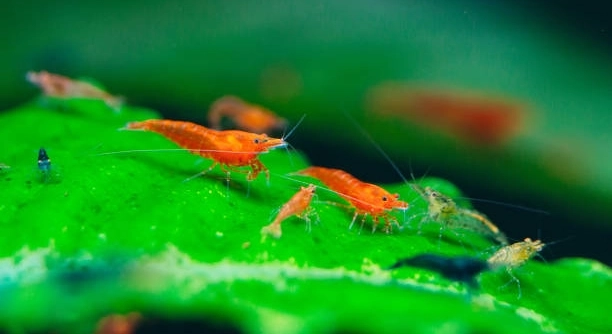
Have you ever noticed how cherry shrimp move quietly around your tank and wondered if the water’s flow affects their comfort? These tiny creatures can be sensitive to their surroundings, and small changes might influence their behavior.
Cherry shrimp generally prefer calm water as it reduces stress and allows them to forage and hide more effectively. Strong currents can disrupt their movement, increase energy expenditure, and negatively affect their overall health and breeding success.
Understanding the importance of water flow helps in creating a stable and welcoming environment for these delicate shrimp. Proper conditions ensure they thrive and display their natural behaviors.
Water Flow and Shrimp Behavior
When I first started keeping cherry shrimp, I noticed they often clustered in corners or behind plants, especially when my filter was running strong. Calm water allows them to explore without constantly battling currents. In steady, gentle water, they move gracefully, grazing on biofilm and leftover food. Fast-moving water makes them expend energy just to stay in place, which can stress them and affect their molting. Stressful conditions may also make shrimp hide more, reducing their visibility and natural activity. Providing plants, moss, and driftwood offers shelter, giving them confidence to swim freely even if there is a slight current. Adjusting flow is simple—lower filter output, add flow deflectors, or position equipment so that water circulates without creating strong streams. Observing their behavior daily can reveal if the environment suits them, allowing you to make minor adjustments that significantly improve their well-being.
Even a small reduction in water current can make shrimp more active and visible. They show a clear preference for calmer sections.
Calm water also supports breeding, as shrimp can safely lay eggs without being swept away. Juveniles are more likely to survive in gentle conditions, and adults remain healthy longer. Stress from strong currents can reduce molting success and lead to weaker shells, making them vulnerable to disease. By maintaining calm water and providing hiding spots, shrimp develop natural behaviors, such as grazing and exploring, which is rewarding to watch. Over time, a stable environment encourages population growth and longevity. Careful placement of decorations and equipment helps create flow-free zones, balancing water movement for filtration while keeping shrimp comfortable. The difference is noticeable when shrimp thrive visibly, moving confidently around the tank rather than hiding constantly.
Adjusting Tank Conditions
Even minor tweaks to flow can change shrimp behavior and comfort significantly.
When adjusting tank conditions, I focus on balancing filtration and calm areas. Filters are essential for water quality, but directing outflow toward rocks or plants can soften the current. Using sponge filters or adjustable flow devices helps control movement, creating areas where shrimp can rest. Decorating with dense plants, moss, or driftwood not only offers hiding places but also slows water locally, giving shrimp choices for activity or retreat. Observing daily allows me to notice stress signs, such as excessive hiding or frantic swimming, which indicate the need for further adjustment. Additionally, maintaining stable water parameters—temperature, pH, and hardness—reduces overall stress and supports health. By combining gentle flow with environmental enrichment, shrimp exhibit natural behaviors, reproduce successfully, and show vibrant coloration. Small changes in flow and shelter placement often have immediate positive effects, making the tank a more suitable habitat for delicate shrimp.
Choosing the Right Filter
I quickly learned that not all filters suit cherry shrimp tanks. Sponge filters are gentle and prevent shrimp from being sucked in, making them ideal for small or heavily planted tanks.
Sponge filters provide slow, steady water movement while maintaining good filtration. They trap debris without creating strong currents that stress shrimp. Air-driven sponge filters also add oxygen gently, which shrimp benefit from. Even in larger tanks, combining sponge filters with low-output hang-on-back filters can maintain water quality without disturbing shrimp. Positioning the outflow against plants or rocks further reduces current, letting shrimp explore freely. Over time, I noticed healthier molting, more visible activity, and less hiding when using these gentle filtration methods consistently.
Mechanical filters with strong flow often disturb shrimp, causing them to hide and expend energy unnecessarily. By selecting the right filter and managing output carefully, I created zones with calm water that shrimp prefer. Plants and decorations complement this setup, providing safe areas for resting and grazing. Adjusting the filter’s position and output ensures clean water without stressing delicate shrimp, supporting both growth and reproduction. A stable, low-flow environment keeps shrimp comfortable and active throughout the tank.
Creating Calm Zones
I found that arranging decorations thoughtfully helps shrimp find calm spots while still allowing water circulation.
Adding moss, rocks, and plants slows water locally, forming natural calm zones. Cherry shrimp use these areas to rest, feed, and hide. Dense plant clusters or driftwood near filter outflows diffuse strong currents and create microenvironments with gentle flow. Even small caves or leaf litter offer shelter. By observing how shrimp move, I learned which areas they prefer and adjusted the layout accordingly. Calm zones make shrimp more active in other parts of the tank, as they can retreat safely when needed.
Calm zones also encourage natural behavior and reduce stress. Shrimp spend more time grazing on biofilm and exploring instead of battling currents. These areas provide juvenile shrimp a safe place to grow, improving survival rates. By experimenting with plant placement and flow deflection, I noticed a marked difference in shrimp activity and confidence. Even minor adjustments, such as angling rocks or repositioning filter output, can enhance calm zones. Over time, the tank felt balanced, with shrimp thriving and displaying brighter coloration, showing the direct benefits of thoughtful water flow management.
Observing Shrimp Activity
I noticed that cherry shrimp behave very differently depending on water movement. Calm water encourages them to explore and feed freely.
When the flow is too strong, shrimp hide more and move less. Gentle currents help them feel safe, allowing natural behavior like grazing on biofilm and climbing plants.
Plant Placement and Flow
Placing plants strategically helps manage water movement effectively. Tall plants or moss walls near the filter outflow break strong currents and create pockets of calm. Floating plants reduce surface turbulence and provide shaded areas, further lowering stress. I position dense clusters where shrimp often rest, giving them choices between activity zones and quiet areas. Leaf litter or driftwood near outflow softens water, giving juveniles safer spaces. Over time, I adjusted placement based on observed shrimp behavior. Calm areas encourage regular grazing, molting, and social interaction, while shrimp in exposed, fast-flow zones tended to hide or cling to surfaces. Creating varied zones ensures both filtration efficiency and shrimp comfort, supporting their health and natural habits in a controlled environment.
Monitoring Tank Adjustments
Small changes to filter flow or decoration placement can have immediate effects on shrimp comfort.
Encouraging Natural Behavior
Calm water and thoughtfully placed plants allow shrimp to display normal behaviors like grazing, hiding, and exploring freely without stress.
FAQ
Do cherry shrimp need completely still water?
Not completely, but they do prefer gentle, calm water. A mild current is fine as long as it does not force them to fight the flow constantly. I found that creating zones with slower movement near plants and decorations works best. This allows shrimp to explore freely while still letting the filter circulate water for oxygen and cleanliness. Even small changes in flow can affect activity and stress, so observing their behavior is essential.
How can I reduce strong currents in my tank?
Adjusting filter output is the simplest way. Sponge filters, low-output hang-on-back filters, or placing deflectors in front of the outflow can soften currents. I also use plants, driftwood, and rocks to diffuse water movement. Floating plants help reduce surface agitation, and dense clusters near the filter create calm pockets where shrimp can rest or feed without stress.
What signs show shrimp are stressed by water flow?
Shrimp under stress tend to hide constantly, cling tightly to surfaces, or swim frantically against the current. Molting problems or slow movement are also indicators. I noticed that when the flow was too strong, shrimp rarely grazed on biofilm and stayed in corners, which can affect health and breeding. Calm zones encourage natural activity and visible behavior.
Are some shrimp more tolerant of currents than others?
Yes, younger shrimp or delicate species are usually less tolerant of strong currents. Adult cherry shrimp can handle mild flow, but juveniles benefit most from calm areas. I found it helpful to provide multiple zones with varying flow so all shrimp have places to rest, feed, and grow safely. Strong currents can hinder molting, reduce survival rates, and increase stress in smaller shrimp.
Can plants and decorations really make a difference?
Absolutely. Dense plants, moss, and driftwood create calm microenvironments. They break up strong currents and provide hiding spots, especially near the filter output. Leaf litter offers shelter and grazing areas for juveniles. I learned that arranging decorations thoughtfully helps shrimp move confidently, reduces stress, and encourages natural behaviors like grazing, climbing, and social interaction.
How often should I monitor water flow?
Daily observation is important. I watch how shrimp move and respond to currents, adjusting filters or decorations as needed. Calm zones can shift over time as plants grow or filter placement changes. Regular monitoring ensures shrimp remain active, healthy, and comfortable. Even minor adjustments can make a noticeable difference in behavior and overall well-being.
Is there a best type of filter for calm water shrimp tanks?
Sponge filters are my top choice. They provide gentle, steady circulation without creating strong currents and prevent shrimp from being sucked in. Air-driven models also help oxygenate the tank softly. For larger tanks, I combine sponge filters with low-output hang-on-back filters, positioning the outflow to minimize strong streams. This combination keeps water clean while maintaining calm zones for shrimp to thrive.
Can strong water flow affect breeding?
Yes, strong currents make it difficult for shrimp to safely lay eggs or for juveniles to survive. Calm areas created with plants and decorations allow shrimp to reproduce naturally. I noticed that when water flow was too strong, egg-laying decreased, and baby shrimp were often swept away or hidden, impacting population growth. Creating quiet zones supports breeding success and healthier, more active shrimp populations.
Do shrimp need calm water if the tank is heavily planted?
Even with many plants, calm zones are still important. Plants help reduce flow naturally, but directing filter output and arranging plants strategically ensures pockets of gentle water. I found that combining plants with low-flow areas near the filter keeps shrimp confident and active. Without calm zones, shrimp may still hide or struggle against currents, even in a planted tank.
How can I balance filtration with calm water?
I position filters so water circulates without creating strong streams where shrimp spend most of their time. Using deflectors, dense plants, and driftwood helps direct water and soften flow. The goal is to maintain water quality while allowing shrimp access to gentle areas for resting, feeding, and social activity. Regular observation and minor adjustments ensure the balance supports shrimp health and behavior consistently.
Final Thoughts
Creating the right environment for cherry shrimp is about observing their behavior and adjusting the tank accordingly. I quickly realized that water flow has a major impact on their comfort and activity. Too strong a current makes shrimp hide or cling to surfaces, while calm water allows them to move freely and explore. Gentle flow is enough to maintain water quality without causing stress. Over time, I noticed that shrimp were more active in areas with calm water and spent more time grazing on biofilm and exploring plants and decorations. Even small changes, like angling a rock or moving a plant to break the current, made a noticeable difference. Calm zones became essential for both adults and juveniles, giving them spaces to rest safely and encouraging natural behavior.
Plants, moss, and driftwood are more than just decorative elements—they directly influence water movement and shrimp well-being. I found that dense clusters of plants near the filter outflow created pockets of calm that shrimp could retreat to when needed. Floating plants helped reduce surface turbulence and added shaded areas, which shrimp seemed to prefer. Leaf litter and driftwood offered extra hiding spots, especially for juvenile shrimp, which are more sensitive to currents. Adjusting plant placement and flow deflectors helped maintain a balance between keeping water clean and providing calm areas for the shrimp. Observing how shrimp respond to these changes allowed me to create an environment where they felt secure and active. Over time, I noticed that healthy, stress-free shrimp exhibited brighter coloration, regular molting, and natural behaviors, showing that careful management of water flow directly benefits their health.
Maintaining calm water is not just about comfort—it affects growth, reproduction, and long-term health. Juvenile shrimp in calm areas had higher survival rates and grew steadily, while adults displayed confident, visible activity. Proper filter selection, combined with thoughtful placement of decorations and plants, made managing water flow straightforward. Sponge filters or low-output hang-on-back filters, when paired with flow-deflecting objects, provided steady circulation without creating stressful currents. Daily observation helped me notice small changes, like shrimp avoiding certain areas or hiding more often, allowing me to make quick adjustments. Creating calm zones does not require complicated equipment, but attention to detail makes a big difference in shrimp behavior and health. By focusing on gentle water flow and shelter, the tank became a stable, thriving environment where cherry shrimp could live naturally and display their full range of behaviors. Over time, these small efforts ensured the shrimp stayed healthy, active, and visible, proving that calm water is a key factor in successful shrimp keeping.

Hello,
If you enjoy the content that we create, please consider saying a "Thank You!" by leaving a tip.
Every little bit helps us continue crafting quality advice that supports the health, happiness, and well-being of pets around the world, for pets of all shapes, sizes, and species.
We really appreciate the kindness and support that you show us!