
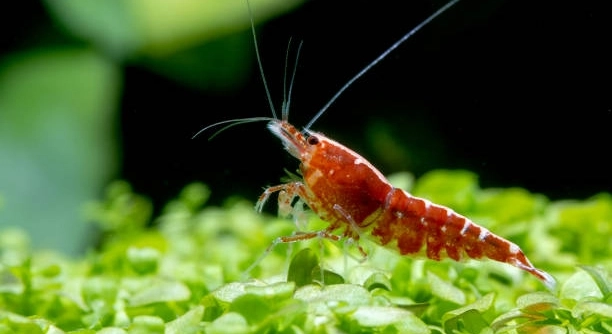
Cherry shrimp are delicate creatures that bring vibrant color and life to any freshwater aquarium. Observing them closely can help maintain their health and prevent common illnesses that may affect their well-being and longevity.
Early signs of sickness in cherry shrimp include changes in color, lethargy, unusual swimming patterns, loss of appetite, molting problems, physical deformities, and visible parasites. Identifying these indicators promptly allows for timely intervention and improved survival rates.
Recognizing these early clues can protect your shrimp and maintain a thriving, balanced aquarium environment for all its inhabitants.
Color Changes and Dullness
Cherry shrimp naturally display bright red hues, which reflect their health and vitality. When their color starts fading or becomes uneven, it often signals stress, illness, or poor water quality. Stressors like sudden temperature changes, inadequate nutrition, or high ammonia levels can contribute to this condition. Monitoring water parameters regularly is essential. Keep an eye out for shrimp that appear pale, translucent, or have dark spots. These shifts in color can happen gradually, so consistent observation is important. Providing a stable environment with proper filtration, regular water changes, and a balanced diet helps maintain their natural coloration. In some cases, disease may also cause discoloration, making it necessary to isolate affected shrimp and address underlying issues promptly. Color change is often the first visible sign that something is off, and early intervention can prevent more severe health problems from developing.
Color changes should never be ignored, as they indicate underlying stress or illness. Prompt action can improve your shrimp’s survival and well-being.
Observing subtle shifts in coloration allows you to track your shrimp’s overall health. Regular checks can help detect issues before they escalate, preserving both appearance and vitality. Maintaining a proper diet, keeping the water clean, and avoiding sudden environmental changes will support natural color retention. Pale or uneven colors are not just cosmetic—they reflect the shrimp’s internal state. Isolating affected individuals, checking water chemistry, and adjusting feeding practices are practical steps to prevent worsening conditions. Over time, proactive monitoring builds a more resilient shrimp population. Color assessment is simple, yet it provides critical insight into their health, helping you make informed care decisions. With consistent attention, you can maintain vibrant, active shrimp that thrive in your tank while minimizing the risk of disease.
Lethargy and Reduced Activity
Lethargy in cherry shrimp appears as slow movement, hiding, or prolonged inactivity.
Shrimp that are less active may be experiencing stress, poor water conditions, or illness. Maintaining clean, stable water and proper nutrition can reduce lethargy and restore normal behavior.
Reduced activity is a significant sign of discomfort or illness in shrimp. Healthy shrimp move frequently, exploring the tank and grazing on biofilm. When you notice extended periods of stillness or minimal movement, it can indicate internal stress or external environmental issues. Factors such as high nitrate levels, temperature fluctuations, insufficient oxygen, or inadequate hiding spaces contribute to lethargy. Observing feeding habits is also important, as shrimp that ignore food may be struggling. Isolating affected shrimp and assessing water parameters can help identify the cause. Adjusting tank conditions, providing proper nutrition, and removing potential stressors are practical measures to revive their energy. Lethargy should be addressed promptly to prevent further complications, as prolonged inactivity can weaken shrimp and increase susceptibility to disease. Consistent monitoring ensures early detection and timely intervention.
Appetite Loss
Shrimp that stop eating or show reduced interest in food may be stressed or ill. Regular observation helps identify appetite changes early. Poor water quality, improper diet, or internal parasites can lead to this behavior, making timely adjustments crucial.
Appetite loss often signals underlying problems. When cherry shrimp refuse food, it can result from sudden changes in water parameters, temperature fluctuations, or contamination. Internal infections and parasites may also reduce feeding, weakening the shrimp over time. Providing a balanced diet, including biofilm, algae, and high-quality pellets, is essential. Regularly testing water for ammonia, nitrites, nitrates, and pH ensures a safe environment that supports healthy feeding. Early detection of appetite loss allows intervention before severe health decline occurs.
To encourage feeding, adjust environmental conditions and offer varied, nutrient-rich foods. Observe shrimp carefully for lingering disinterest in food, as persistent appetite loss requires swift corrective measures.
Molting Issues
Difficulty molting or incomplete molts can indicate stress, nutrient deficiencies, or poor water quality. Observing molting patterns helps maintain shrimp health. Proper calcium and magnesium levels are critical for successful exoskeleton development.
Shrimp rely on regular molting to grow and maintain healthy exoskeletons. When molting is irregular, delayed, or incomplete, it may point to insufficient minerals, dehydration, or exposure to toxins. Providing a stable environment with consistent water parameters supports smooth molting. Shrimp may also become vulnerable to infections during molting, so monitoring them closely is important. Introducing high-quality food rich in calcium, along with supplements if necessary, can improve exoskeleton formation. Molting issues left unaddressed can lead to deformities or even death, making early detection essential. Maintaining clean water, proper diet, and stable temperature reduces molting complications.
Molting irregularities are a clear warning sign. Tracking molting cycles, ensuring mineral availability, and keeping water conditions optimal helps prevent stress and promotes healthy growth.
Unusual Swimming Patterns
Erratic swimming, spinning, or floating at the surface can indicate stress or illness. Observing movement patterns helps detect potential problems early.
Shrimp that struggle to maintain balance or swim normally may be affected by water quality issues, infections, or parasites. Quick action can prevent worsening conditions.
Physical Deformities
Shrimp with bent bodies, missing limbs, or malformed antennae often face health challenges. These deformities can result from genetic issues, injuries, or prolonged stress. Proper care and water maintenance help minimize these occurrences.
Visible Parasites
Parasites may appear as small spots, worms, or unusual growths on shrimp. Detecting them early allows prompt treatment and isolation to prevent spread.
What causes cherry shrimp to lose color?
Cherry shrimp lose color primarily due to stress, poor water quality, or inadequate nutrition. Temperature fluctuations, high ammonia, nitrite, or nitrate levels can contribute to fading colors. A balanced diet and stable water parameters help maintain their natural red hues. Frequent water testing and regular changes are essential for prevention.
How can I tell if my shrimp is lethargic or sick?
Lethargy is a key indicator of illness in cherry shrimp. Shrimp that hide constantly, move very slowly, or fail to feed may be stressed or unwell. Poor water quality, low oxygen levels, sudden environmental changes, or internal parasites can cause lethargy. Observing shrimp behavior daily helps detect these changes early. Adjusting water conditions, removing stressors, and providing proper nutrition can restore energy.
Why do my shrimp stop eating?
Loss of appetite in cherry shrimp often indicates stress, water problems, or illness. Ammonia spikes, improper pH, or inadequate diet can reduce feeding. Internal parasites or infections may also prevent shrimp from eating. Offering varied, high-quality foods like algae wafers, biofilm, and shrimp pellets encourages feeding. Maintaining clean, stable water conditions improves overall appetite.
What causes molting problems in cherry shrimp?
Molting issues occur when shrimp lack essential minerals like calcium or magnesium or experience poor water quality. Stress from temperature swings, overcrowding, or toxins can also interfere with successful molts. Providing mineral-rich food and maintaining consistent water conditions supports proper exoskeleton development. Observing molts ensures early detection of incomplete or failed shedding.
How can I prevent parasites on my shrimp?
Parasites often appear as small spots, worms, or unusual growths on shrimp bodies. Preventing infestations requires quarantining new shrimp before introducing them to the main tank, maintaining clean water, and avoiding contaminated plants or substrates. Early detection allows for treatment and isolation to minimize spread. Regular observation of all shrimp is key.
Are physical deformities a sign of illness?
Physical deformities, such as bent bodies, missing limbs, or abnormal antennae, often indicate stress, injury, or genetic problems. Poor water quality or prolonged illness can worsen these deformities. Prompt care, proper nutrition, and maintaining stable water conditions help reduce the risk of long-term health issues.
Why do shrimp swim erratically?
Erratic swimming, spinning, or floating at the surface usually signals stress or poor water conditions. High ammonia, temperature swings, or low oxygen can cause this behavior. Infections and parasites may also affect swimming ability. Correcting water parameters, isolating affected shrimp, and improving overall tank conditions help restore normal movement.
When should I isolate sick shrimp?
Sick shrimp should be isolated immediately to prevent disease from spreading. Early isolation allows focused treatment, protects healthy shrimp, and reduces stress in the main tank. Quarantine tanks should have similar water conditions to prevent further shock. Observe and monitor the affected shrimp closely during treatment.
Can diet affect shrimp health?
Yes, diet directly impacts shrimp vitality. A lack of essential nutrients leads to weak exoskeletons, color loss, and molting issues. Feeding a varied diet including algae, biofilm, and high-quality pellets provides the necessary vitamins and minerals. Proper nutrition strengthens immunity and helps shrimp resist disease and stress.
How often should I check water parameters?
Water parameters should be checked frequently, ideally weekly or more if problems arise. Ammonia, nitrite, nitrate, pH, and temperature levels must remain stable. Consistent monitoring allows early detection of harmful fluctuations and prevents stress-related illnesses. Clean water is critical for healthy, active shrimp populations.
What are early signs of internal infections?
Internal infections may show subtle signs like loss of appetite, lethargy, color fading, or abnormal swimming. These symptoms often appear before physical signs become visible. Prompt detection, water adjustments, and treatment increase recovery chances and prevent further health deterioration.
How can I reduce stress in my shrimp tank?
Stress reduction involves maintaining stable water conditions, avoiding sudden temperature changes, providing hiding spaces, and preventing overcrowding. Handling shrimp minimally and ensuring a consistent feeding routine also reduces stress. Less stressed shrimp are healthier, more active, and better able to resist diseases.
Is it normal for shrimp to hide a lot?
Hiding is normal occasionally, especially during molting. However, constant hiding combined with reduced activity or appetite may indicate illness or poor water quality. Observing patterns over time helps distinguish natural behavior from stress-induced hiding. Addressing water quality and nutrition issues usually restores normal activity.
How long does it take for shrimp to recover from illness?
Recovery depends on the illness, water quality, and treatment applied. Minor stress or early-stage disease may resolve within days, while infections or molting complications could take weeks. Providing optimal water conditions, proper nutrition, and careful monitoring improves recovery time and reduces risk of relapse.
What should I do if multiple shrimp show symptoms?
If several shrimp display illness signs, test water immediately, adjust parameters, and isolate severely affected individuals. Assess diet, check for parasites, and consider treatment if necessary. Quick action limits spread, prevents further losses, and helps stabilize the tank environment for remaining shrimp.
Can shrimp recover from molting failure?
Recovery from molting failure is possible if addressed promptly. Ensure proper mineral levels, stable water parameters, and minimal stress. Remove leftover exoskeletons if necessary and provide supplements or enriched foods. Early intervention prevents deformities or death and allows shrimp to resume normal growth.
Are cherry shrimp more prone to illness than other shrimp?
Cherry shrimp are hardy but sensitive to environmental changes. Poor water quality, sudden temperature shifts, or improper diet increase vulnerability. Maintaining consistent, clean water and proper nutrition minimizes health risks, helping them thrive and display natural behavior and coloration.
How often should I observe my shrimp?
Daily observation is recommended to detect subtle changes in color, activity, or behavior. Early detection allows swift action before minor issues become serious, ensuring the long-term health of the shrimp population. Consistent monitoring is one of the most effective preventive measures.
What are common signs of parasites?
Common parasite signs include white or black spots, small worms, unusual growths, scratching against surfaces, or lethargy. Early recognition allows isolation and treatment, reducing risk to other shrimp and maintaining overall tank health. Regular inspection of all shrimp is essential.
How do I maintain a healthy shrimp tank long-term?
A healthy shrimp tank requires stable water parameters, regular testing, clean filtration, balanced diet, proper mineral supplementation, and careful monitoring. Avoid overcrowding and introduce new shrimp cautiously. Early intervention when problems arise ensures a thriving environment and reduces long-term health issues.
Caring for cherry shrimp requires close attention and consistent effort. These small, delicate creatures are sensitive to changes in their environment, and early signs of illness can easily go unnoticed without careful observation. Maintaining stable water conditions, including proper temperature, pH, and ammonia levels, is critical to their health. Sudden fluctuations or poor water quality can lead to stress, weakened immunity, and increased susceptibility to disease. Regular water testing and partial water changes are simple but effective ways to ensure the tank remains safe and supportive for your shrimp. Providing hiding spaces, plants, and gentle filtration also reduces stress, allowing the shrimp to move freely and exhibit natural behaviors. Watching for subtle changes in color, activity, and feeding habits can help identify problems before they escalate.
Nutrition plays a major role in preventing health issues and supporting vibrant shrimp. A varied diet that includes algae, biofilm, high-quality pellets, and occasional supplements ensures that they receive essential minerals like calcium and magnesium, which are vital for proper molting and exoskeleton development. Poor nutrition can lead to deformities, molting difficulties, and general weakness. Feeding should be consistent but not excessive, as leftover food can decay and pollute the tank. Observing shrimp while they feed allows you to identify those that may have lost appetite, which is often an early warning of stress or illness. Keeping a balanced feeding schedule, combined with high water quality, creates a stable environment that encourages healthy growth, proper molting cycles, and strong immune systems.
Monitoring shrimp closely and taking early action when problems arise is essential for maintaining a thriving tank. Signs such as fading colors, lethargy, unusual swimming, molting issues, physical deformities, or visible parasites should never be ignored. Prompt intervention—whether through water adjustments, dietary improvements, isolation of affected shrimp, or treatment of infections—can prevent minor issues from turning into severe health problems. Over time, consistent care, careful observation, and proactive maintenance reduce the risk of illness and create a sustainable environment where cherry shrimp can flourish. By combining attention to water quality, proper nutrition, and early detection of warning signs, you can enjoy a vibrant, active shrimp population that enhances the beauty and balance of your aquarium.

Hello,
If you enjoy the content that we create, please consider saying a "Thank You!" by leaving a tip.
Every little bit helps us continue crafting quality advice that supports the health, happiness, and well-being of pets around the world, for pets of all shapes, sizes, and species.
We really appreciate the kindness and support that you show us!