
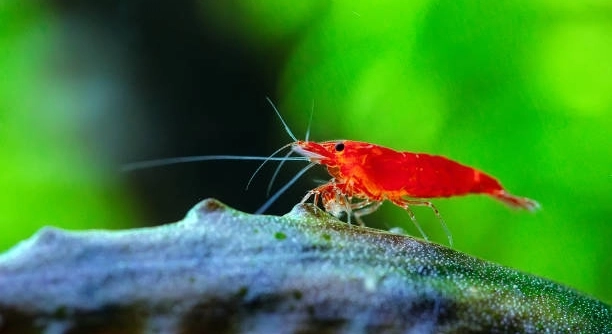
Have you ever wondered how cherry shrimp handle changes in light cycles, offering small clues about their comfort and daily rhythm in a calm aquatic setting that often reflects their natural behavior and gentle responses.
Cherry shrimp respond noticeably to light cycles, adjusting their activity levels, feeding patterns, and sheltering behavior according to shifts in brightness. Consistent lighting supports stable routines, while abrupt changes may influence stress responses and well being within their aquatic environment.
Learning how light patterns shape their routines offers a view of what helps these tiny shrimp feel secure and active.
Light Cycles and Daily Behavior
Light cycles shape how cherry shrimp move, eat, and settle into their aquatic space, and understanding these patterns can help you make their environment feel steady and comfortable. When the lights rise slowly, they become more active, exploring surfaces with calm and steady motions that show they feel secure. Sudden changes can cause them to hide more, shifting their routine in ways that may make them seem less lively. By keeping a predictable pattern, you encourage them to stay visible and relaxed, which can make caring for them feel much easier for you. Their small bodies respond to gentle shifts, so even small adjustments in timing can create noticeable differences in how they behave. With steady light patterns, they maintain a natural rhythm that supports feeding, molting, and social interaction. You can help them thrive by observing these responses and keeping their environment as stable as possible each day overall.
Stable lighting helps cherry shrimp feel calm and encourages predictable behavior that supports their daily needs. When their environment follows a steady rhythm, they remain active, show natural feeding habits, and spend less time hiding. Consistency creates a more peaceful atmosphere that supports their long term comfort each day too.
Understanding how light affects cherry shrimp helps you shape an aquarium that feels safe and stable for them. Their reactions may seem small, but they reveal a lot about what keeps them comfortable. When lighting changes gently, they move with ease and interact more within their space. Harsh or unpredictable shifts can lead to hiding or reduced activity, which can affect feeding and overall balance. By giving them a routine that mirrors their natural rhythm, you support healthier behavior. This simple awareness can make caring for them feel more rewarding as you notice improvements in their daily patterns over time.
How Light Patterns Influence Comfort
Light patterns guide how cherry shrimp react to their surroundings, shaping activity and comfort in noticeable ways. Gentle shifts keep them balanced, while abrupt changes may disrupt their routine. Providing steady lighting supports their natural rhythm and encourages healthier behavior that becomes easy to observe over time each day consistently.
Maintaining consistent lighting is one of the simplest ways to support cherry shrimp and help them function well within their aquatic space. Their bodies respond to light in subtle but meaningful ways, and giving them a predictable pattern allows these natural responses to stay steady. When the light gradually increases during the morning period, they come out more willingly, moving with calm motions that show they feel secure. Sudden brightness can startle them and cause unnecessary stress, which may influence their feeding habits or overall willingness to explore. Keeping lights on a timer can help avoid those problems by removing the guesswork and creating a dependable rhythm that matches their needs. Soft transitions also make it easier for them to settle down as the light fades, supporting comfortable rest periods that are just as important as active ones. Over time, these stable conditions help them adapt confidently, making their movements smoother and their behavior easier for you to interpret. A simple lighting plan can make your aquarium feel more natural for them, and small adjustments based on their behavior often lead to noticeable improvements. By focusing on gentle routine shifts, you create an environment that supports calm behavior each day.
The Effects of Sudden Light Changes
Sudden light changes can cause cherry shrimp to react quickly, often retreating to shaded areas as they try to regain a sense of safety. Their small bodies respond strongly to abrupt shifts, which can interrupt feeding, exploring, and natural social behavior within their space.
When the light changes too fast, cherry shrimp usually move in short, quick motions that show discomfort. This reaction can linger for several minutes, sometimes making them appear less active even after the lighting has stabilized. Their feeding habits may slow, and they might avoid open areas for a while. Gentle adjustments help reduce these responses and keep their routine steady.
Keeping their lighting stable also prevents long term stress that could affect their overall behavior. Consistency allows them to develop a rhythm that supports comfortable movement throughout the day. By observing how they react, you can adjust small details to help them remain active and secure.
Creating a Stable Lighting Environment
A stable lighting environment helps cherry shrimp maintain predictable routines that support calm behavior. Smooth transitions between light and dark prevent sudden shock and let them adjust at a comfortable pace, which makes their activity more balanced throughout the day and night.
Timers are one of the easiest tools to create consistency, removing abrupt changes and giving the shrimp a dependable pattern. Using lights that gradually brighten and dim helps them stay relaxed as they shift between rest and activity. Soft changes feel more natural to them, reducing unnecessary hiding and supporting steady feeding habits. This kind of predictability encourages healthier behavior and makes it easier for you to notice when something feels off. Stable conditions also limit stress, which is important for molting and social interactions. By making small, thoughtful adjustments, you can shape an environment that feels steady for them, helping them move with ease and settle into a comfortable daily rhythm.
Natural Light in the Room
Natural light from windows influences how cherry shrimp behave throughout the day by adding gentle shifts to their routine. Soft daylight changes can help them stay active, but strong sunlight should be avoided because it may cause temperature swings and unwanted algae growth.
Keeping their tank away from direct sunlight helps maintain steady conditions and prevents bright flashes that might startle them. Indirect light offers a mild rhythm that supports calm behavior without overwhelming their environment.
Light Exposure and Feeding Patterns
Light exposure affects how cherry shrimp choose to feed, since they rely on stable conditions to feel safe while searching for food. When the lighting remains predictable, they appear more willing to graze across plants, substrate, and surfaces without hesitation. Sudden brightness can interrupt this routine, causing them to retreat until they feel secure again. Providing a calm lighting pattern encourages steady feeding behavior and helps them maintain healthy activity levels. By watching how they respond, you can adjust the timing or intensity of light to better support their comfort.
Observing Their Activity
Observing their activity helps you notice how light influences their comfort, movement, and feeding habits each day. Small changes in lighting often create clear shifts in their behavior, giving you simple clues about what helps them stay relaxed.
FAQ
Do cherry shrimp need a specific light schedule?
Cherry shrimp do best with a steady light schedule because it keeps their daily rhythm predictable. A consistent pattern helps them feel calm, encourages natural movement, and supports stable feeding habits. Most people use timers to keep things simple and prevent sudden changes. A schedule of 8 to 10 hours of light works well for many tanks. This amount supports plant growth too, which adds extra surfaces for grazing. Keeping the timing the same each day makes it easier for the shrimp to settle into their routine without stress from unpredictable lighting shifts.
Can cherry shrimp become stressed from too much light?
Yes, too much light can make cherry shrimp feel uneasy, and it may cause them to hide more than usual. Bright, harsh lighting also encourages algae growth, which can change the balance of the tank. While shrimp enjoy grazing on biofilm, an overwhelming layer of algae may create unstable conditions. Providing moderate lighting helps keep them comfortable and active throughout the day. If you notice them hiding constantly or avoiding open areas, lowering the light intensity or shortening the duration can help. Soft and controlled lighting often creates a more comfortable space for them.
Do cherry shrimp react to sudden darkness?
Sudden darkness can startle cherry shrimp because the abrupt change interrupts their sense of stability. They may quickly dart toward hiding spots as they adjust. This reaction is usually brief, but frequent or harsh changes can make them more cautious during active hours. Gradual dimming helps reduce the shock and keeps their behavior steadier. Using lights that fade instead of switching instantly can make transitions easier for them. Over time, they become more confident when the lighting shifts follow a gentle pattern instead of an abrupt one.
Is natural light enough for cherry shrimp?
Natural light alone is not always reliable because it changes throughout the year and may cause temperature swings. Indirect sunlight can be gentle, but direct exposure can lead to sudden brightness and heat, which may overwhelm them. Using an artificial light source gives you more control over timing, brightness, and consistency. This makes it easier to establish a predictable pattern that keeps them comfortable each day. Natural light can still be helpful when softened through curtains or placed away from direct rays, but it should not replace a stable lighting setup for the tank.
How does light affect cherry shrimp breeding?
Light plays a small but meaningful role in breeding since it shapes their daily rhythm and comfort. Stable lighting helps them maintain steady activity levels, which supports regular feeding and molting. These routines matter because healthy shrimp are more likely to breed successfully. Sudden light changes can interrupt their behavior and add mild stress that may slow breeding attempts. A predictable schedule paired with good water quality and regular feeding helps create an environment where they feel safe enough to reproduce. Although light alone does not trigger breeding, it supports the conditions that encourage it.
Do cherry shrimp prefer dim or bright light?
Cherry shrimp generally prefer soft, moderate light rather than bright, intense illumination. They feel more confident exploring and grazing when the lighting is gentle. Bright light can make them retreat into plants or hiding spots, especially if they feel exposed. A calm, balanced level helps them stay visible and active, making it easier for you to observe their behavior. Tank plants also benefit from moderate lighting and provide extra cover, which makes the shrimp feel even more secure. A soft glow across the tank often creates the most comfortable environment for them.
What type of light is best for a shrimp tank?
LED lighting is often the best choice because it is adjustable, energy efficient, and gentle on the tank. Many LED setups allow you to control brightness and timing easily, which is helpful when you want to create smooth transitions. They also stay cool, reducing the risk of heat changes that might bother the shrimp. A neutral or soft white tone works well since it keeps the tank bright enough without overwhelming them. Choosing a light with gradual on and off features can make daily changes feel natural and easy for the shrimp.
Can lighting affect shrimp color?
Lighting can influence how cherry shrimp appear, but it does not change their actual pigment. Softer lighting can make their red tones look warm and natural, while harsh lighting may wash out their color. Their diet, genetics, and overall health have a bigger effect on color intensity. Still, stable lighting helps them feel comfortable, which indirectly supports better color because stress can make them look dull. When they feel secure, their natural tones show more clearly. Keeping consistent light conditions often helps their colors appear deeper and more vibrant in the tank.
Final Thoughts
Light plays a quiet but steady role in shaping how cherry shrimp behave each day, and keeping their lighting predictable can make a clear difference in their comfort. When you give them a routine that feels calm and steady, they respond with smooth movements, steady feeding patterns, and more visible activity. Sudden brightness or quick changes in lighting can make them feel unsure, which often leads them to hide or move more cautiously. By paying attention to how they react, you can learn a lot about what makes them feel secure. This simple awareness helps you create a stable environment that supports their natural rhythm without adding unnecessary stress. Even small choices, such as placing their tank away from direct sunlight or using a timer for the lights, can help them settle into a comfortable pattern that keeps them healthy and active. Light may seem like a small detail, but it becomes a reliable part of their daily routine when handled with care.
A gentle lighting pattern also helps you understand them better, since their reactions often reflect the overall balance of the tank. When the lighting is steady, their behavior becomes more predictable, which makes it easier to notice when something feels off. That kind of consistency gives you a clearer view of their feeding habits, their social interactions, and even their molting cycles. With soft, controlled lighting, they often feel secure enough to explore the open areas of the tank, showing more of their natural behavior instead of hiding in shaded spots. This not only supports their well being but also makes your experience of keeping them more enjoyable and less stressful. You start to notice how they move together, how they graze along the surfaces, and how they react when the day slowly brightens or dims. These small moments can help you understand what they prefer and how you can adjust their environment to match their needs more closely.
As you continue caring for cherry shrimp, stable lighting becomes one of the easiest tools to support their comfort. You do not need anything complicated to keep them thriving. Soft transitions, steady timing, and controlled brightness create an environment that feels natural to them. Over time, this stability encourages healthier routines and smoother activity. It also helps you avoid common problems that come from sudden changes or harsh light. With a little consistency, you create a space where they can move confidently, feed regularly, and show their best colors. These thoughtful adjustments help them feel safe, and they also help you build a tank that runs smoothly each day. By focusing on calm and predictable lighting, you support a peaceful space that keeps your cherry shrimp active, balanced, and comfortable in their small underwater home.

Hello,
If you enjoy the content that we create, please consider saying a "Thank You!" by leaving a tip.
Every little bit helps us continue crafting quality advice that supports the health, happiness, and well-being of pets around the world, for pets of all shapes, sizes, and species.
We really appreciate the kindness and support that you show us!