
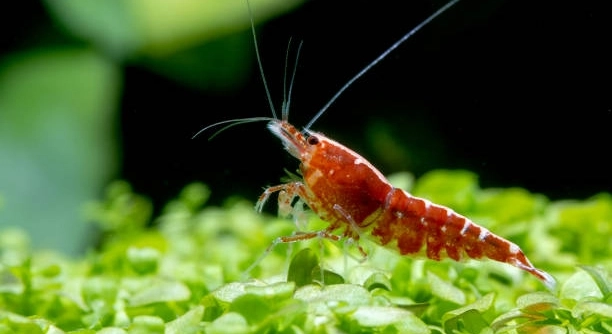
Is your cherry shrimp spending more time near the top of its tank than swimming around? Many shrimp owners notice this unusual behavior and wonder what it means. Observing shrimp closely can reveal subtle signs of stress or curiosity.
Cherry shrimp climb the lid primarily due to environmental factors such as low oxygen levels, poor water quality, or insufficient space. This climbing behavior can indicate that the shrimp is seeking better conditions and attempting to escape unfavorable surroundings.
Understanding why your shrimp climbs will help you adjust its habitat effectively. Small changes can significantly improve your shrimp’s comfort and overall health.
Common Reasons Cherry Shrimp Climb the Lid
Cherry shrimp climbing the lid often points to water quality issues or environmental discomfort. Low oxygen levels, high nitrate concentrations, or sudden temperature changes can make them leave the substrate. Shrimp are highly sensitive to their surroundings, and even small shifts in chemistry can trigger unusual behavior. Overcrowding can also be a factor, forcing shrimp to explore areas they normally avoid. Another reason is insufficient hiding spots. Without adequate plants or decorations, shrimp feel exposed and may try to escape perceived threats. Lighting intensity may influence activity as well; bright lights can stress shrimp and prompt climbing. Finally, molting plays a role. During pre-molt, shrimp may become restless and wander into less familiar areas. Recognizing these signs early helps prevent serious stress or mortality. Regular water tests and observing behavior patterns are essential to maintaining a healthy tank environment.
Consistently monitoring water parameters and adjusting tank conditions can significantly reduce lid climbing behavior.
Keeping shrimp comfortable involves proper filtration, hiding spaces, and stable conditions. Observing them helps detect stress before it becomes dangerous.
Adjusting Tank Conditions for Healthier Shrimp
Ensuring stable water conditions is key to stopping lid climbing. Maintaining temperature, pH, and oxygen levels within recommended ranges keeps shrimp comfortable and active.
Start with filtration that supports water flow without stressing shrimp. Regular partial water changes prevent buildup of nitrates and ammonia. Providing plants, moss, and small decorations gives shrimp safe areas to hide, reducing the urge to climb. Monitor temperature consistently, especially during seasonal changes or near heaters, as sudden shifts can trigger stress behaviors. Avoid overfeeding, as leftover food can pollute water and worsen climbing tendencies. Light cycles should be regular, and bright overhead lights may need dimming. Observing shrimp daily for changes in activity or color helps identify early problems. Keeping the tank clean and stable prevents behavioral issues and promotes overall health. Taking these steps ensures shrimp remain content in their environment, encouraging natural swimming and grazing instead of lid climbing.
Consistent maintenance and observation are essential to keep your shrimp healthy and prevent future behavioral problems.
Preventing Lid Climbing Behavior
Adding more plants and hiding spots reduces stress and prevents shrimp from climbing the lid. Floating plants can help diffuse light, while moss and small decorations provide secure resting areas.
Overcrowding can trigger climbing behavior, so avoid keeping too many shrimp in a small tank. Proper feeding ensures shrimp have enough nutrition without overloading the water. Balanced water chemistry is essential; regular testing helps maintain safe ammonia, nitrite, and nitrate levels. Adjusting the tank setup gradually when making changes prevents sudden stress that may push shrimp toward the lid. Providing a gentle current keeps water oxygenated without overwhelming them.
Temperature and lighting directly affect shrimp activity. Keeping stable temperatures within their preferred range reduces stress and wandering. Avoid direct sunlight and intense artificial lighting, which can encourage lid climbing. Gentle water movement combined with shaded areas encourages natural exploration near the bottom of the tank. Observing shrimp behavior daily allows quick action if climbing persists, helping maintain a calm and healthy environment for them.
Monitoring Shrimp Health
Regular observation is critical to detect stress or illness early. Look for color changes, lethargy, or unusual swimming patterns.
Shrimp that consistently climb the lid may be signaling oxygen deprivation or water imbalance. Early detection allows adjustments before problems worsen. Tracking water parameters, molting cycles, and feeding habits provides insight into their well-being. Sick or stressed shrimp are more vulnerable to disease, so isolating affected individuals may prevent spread. Observing interactions between shrimp can reveal aggression or dominance behaviors that contribute to lid climbing. Maintaining consistent routines for feeding, water changes, and tank cleaning reduces stress and encourages healthy behavior.
Behavioral monitoring helps identify environmental issues promptly. Pairing observation with water testing ensures shrimp remain healthy. Regular attention allows small corrections before climbing becomes a persistent problem. Keeping detailed records of changes in activity, color, and appetite provides a clear picture of overall health. Responding quickly to signs of stress, such as repeated lid climbing or erratic movement, helps maintain a stable and safe habitat. Long-term success depends on consistent care, proper environment, and careful monitoring to keep your shrimp comfortable and active.
Adjusting Oxygen Levels
Increasing oxygen in the tank can reduce lid climbing. Use an air stone or gentle filter flow to keep water oxygenated.
Avoid overstocking, as too many shrimp can lower oxygen availability. Proper plant placement also helps improve water circulation and oxygenation.
Importance of Water Quality
Maintaining stable water parameters prevents stress that leads to climbing. Regularly test pH, ammonia, nitrite, and nitrate levels to ensure they stay within safe ranges. Clean the tank with partial water changes to remove toxins. Overfeeding should be avoided, as leftover food can pollute water and reduce oxygen. Proper filtration supports consistent water movement and clarity. Sudden temperature changes should be minimized, and new additions should be acclimated slowly. Clear observation of shrimp behavior helps identify any signs of stress or illness related to water quality. A stable and clean tank promotes natural behavior and reduces climbing tendencies.
Creating Comfortable Hiding Spots
Providing plenty of plants and decorations keeps shrimp secure. They are less likely to climb when they feel safe.
FAQ
Why is my cherry shrimp climbing the lid so often?
Shrimp climb the lid mainly due to environmental stress. Low oxygen levels, poor water quality, sudden temperature changes, or overcrowding can make them seek better conditions. Lack of hiding spaces or bright lighting can also trigger this behavior. Observing shrimp behavior helps identify the specific cause.
Is lid climbing dangerous for cherry shrimp?
Yes, it can be risky. Climbing the lid increases the chance of shrimp falling out of the tank or getting stuck. Prolonged stress from poor water conditions may also weaken their immune system, making them more susceptible to illness. Ensuring stable conditions reduces this risk.
How can I prevent my shrimp from climbing?
Provide plenty of hiding spots using plants, moss, and decorations. Keep water parameters stable, avoid overcrowding, and maintain proper oxygen levels. Adjust lighting intensity and temperature gradually. Regular water changes and gentle filtration help maintain a calm environment, discouraging lid climbing behavior.
Can oxygen levels affect climbing behavior?
Absolutely. Low oxygen in the water is a primary reason shrimp climb. Adding an air stone, increasing surface agitation, or adjusting filter flow helps maintain adequate oxygen levels. Observing shrimp for signs of stress, like gasping near the surface, can indicate oxygen deficiency.
Does feeding affect lid climbing?
Overfeeding can pollute the tank, reducing oxygen and water quality, which may lead to climbing. Underfeeding can also cause stress as shrimp search for food. Offering small, balanced portions ensures nutrition without compromising water quality, promoting natural bottom-dwelling behavior.
Do lighting conditions play a role?
Yes. Intense lighting can stress shrimp, making them seek shelter near the lid. Using floating plants or dimming overhead lights creates shaded areas and reduces stress, encouraging shrimp to remain in safer, lower areas of the tank.
How does tank size influence climbing?
Smaller tanks with many shrimp increase competition and stress. Overcrowding encourages wandering behavior, including climbing. Providing adequate space and a proper shrimp-to-tank ratio helps prevent stress and supports healthy activity at the tank’s bottom.
Could molting cause lid climbing?
Sometimes. During pre-molt, shrimp may become restless and explore unusual areas, including the lid. Ensuring they have secure hiding spots during this vulnerable stage reduces stress and prevents potential accidents or falls.
When should I worry about this behavior?
Climbing occasionally is normal, but frequent or prolonged attempts indicate a problem. Persistent lid climbing signals environmental stress or health issues. Check water quality, oxygen levels, and tank setup immediately to prevent illness or injury.
Can changes in water temperature trigger lid climbing?
Yes. Sudden temperature fluctuations stress shrimp. Maintaining a stable temperature within the ideal range for cherry shrimp reduces wandering and climbing behavior. Gradual changes during seasonal shifts or tank maintenance are safer for them.
Are there any signs of illness linked to climbing?
Shrimp climbing frequently may be stressed due to disease or parasites. Watch for color changes, lethargy, or erratic swimming. Early detection and intervention help prevent serious health issues. Maintaining clean, stable tank conditions supports overall health.
How often should I test my water?
Weekly testing is recommended for ammonia, nitrite, nitrate, and pH levels. More frequent testing may be necessary if unusual behavior like lid climbing appears. Consistent monitoring allows early correction of issues before they become serious.
Does tank decoration affect climbing?
Yes. Lack of plants, moss, or hiding spots encourages climbing. Providing vertical and horizontal structures gives shrimp security and exploration options, reducing the urge to climb the lid. Dense plant coverage also helps diffuse light and stabilize oxygen levels.
Can I train shrimp to stay off the lid?
Not exactly. Shrimp respond to environmental comfort rather than training. Improving water quality, oxygenation, hiding spots, and proper lighting naturally reduces lid climbing. Observing and adjusting the tank conditions is the most effective method.
How do I know if my shrimp are stressed?
Signs include frequent climbing, hiding excessively, color fading, or erratic swimming. Regular observation combined with monitoring water parameters helps identify stress early. Addressing the cause quickly prevents illness and supports natural behavior.
Is lid climbing common in all cherry shrimp tanks?
It happens occasionally in most tanks but should not be persistent. Frequent climbing indicates an environmental problem. Proper care, space, and monitoring reduce this behavior and promote a healthy, comfortable tank environment for shrimp.
What should I do if climbing persists despite changes?
Review all tank conditions: oxygen levels, water parameters, hiding spots, and tank population. If issues remain, consider consulting a professional or experienced aquarist. Persistent climbing is a signal that shrimp are not fully comfortable in their habitat.
How does water flow affect climbing?
Strong currents can stress shrimp, encouraging lid climbing. Gentle water movement improves oxygen without overwhelming them. Observing how shrimp interact with flow helps adjust filter output for optimal comfort.
Can shrimp behavior improve quickly after changes?
Yes, they often respond within a few days if conditions are corrected. Stable water parameters, adequate hiding spaces, and proper oxygen levels typically reduce climbing behavior and encourage normal activity.
Is molting the only natural reason for climbing?
No. Aside from pre-molt restlessness, shrimp may explore the lid due to curiosity or minor environmental shifts. However, repeated or prolonged climbing usually signals stress rather than natural behavior.
How do I balance oxygen, light, and hiding spots effectively?
Ensure gentle water movement, dim lighting or floating plants, and plenty of secure hiding spots. This combination reduces stress, prevents climbing, and promotes natural behavior, keeping shrimp comfortable throughout their tank environment.
What is the first step if I notice climbing?
Check water quality and oxygen levels immediately. Adjust tank conditions gradually and provide additional hiding spaces. Observing shrimp behavior closely helps determine if further action is needed.
Can adding more shrimp help or worsen the problem?
Adding more shrimp generally worsens stress and encourages climbing if the tank is already crowded. Proper population density is key. Avoid overstocking to maintain healthy behavior and prevent competition-related climbing.
How long does it take to see improvement?
Improvement is usually noticeable within days if tank conditions are stabilized. Consistent monitoring, water changes, and providing hiding spaces ensure shrimp return to normal bottom-dwelling activity.
Are certain cherry shrimp more prone to climbing?
Shrimp under stress, younger shrimp, or those with less access to hiding spots are more likely to climb. Individual temperament can play a minor role, but environmental factors are the main driver of this behavior.
Does water hardness affect climbing?
Yes, inappropriate GH or KH levels can stress shrimp. Maintaining recommended hardness levels supports healthy molting, feeding, and activity, reducing the likelihood of lid climbing.
Can lid climbing damage shrimp physically?
Yes, shrimp may fall or get trapped, leading to injury or death. Reducing climbing through proper tank setup and environmental adjustments is essential to prevent physical harm.
Should I isolate climbing shrimp?
Only if illness is suspected. Healthy shrimp usually respond to environmental improvements. Isolation is not typically necessary but may help prevent stress or injury in extreme cases.
What role does algae play in climbing behavior?
Algae provides grazing opportunities, but excessive growth can reduce water quality. Maintaining a balance helps shrimp stay occupied and reduces wandering or lid climbing.
How can I maintain long-term comfort for shrimp?
Regular water testing, stable temperature, adequate oxygen, proper lighting, hiding spaces, and careful feeding promote comfort. Observing shrimp behavior ensures any issues are addressed early. Consistency is the key to minimizing climbing and stress.
Can seasonal changes affect climbing?
Yes. Temperature or light fluctuations during seasonal shifts can increase climbing behavior. Gradual adjustments and careful monitoring help shrimp adapt without stress.
Are there signs that climbing behavior has resolved?
Shrimp returning to normal bottom activity, hiding appropriately, and showing regular feeding behavior indicate improvement. Fewer attempts to climb the lid signal a stable and comfortable environment.
Does substrate type impact climbing?
Yes. Smooth or bare substrates may encourage wandering. Using a mix of gravel, sand, and planted areas provides comfort and reduces lid climbing.
Can frequent water changes discourage climbing?
Yes, but they must be done gradually. Sudden changes can stress shrimp, while small, consistent water changes maintain stable conditions and reduce climbing tendencies.
How important is tank cover for preventing falls?
A secure lid prevents shrimp from escaping and protects them from injury. Covering the tank helps keep climbing shrimp safe while environmental issues are addressed.
Should I monitor shrimp during molting?
Yes. Molting shrimp are vulnerable. Extra hiding spots and stable conditions during this period prevent stress and reduce attempts to climb the lid.
Can tank mates influence climbing behavior?
Yes. Aggressive or fast-moving tank mates can stress shrimp, prompting them to climb. Choosing peaceful companions reduces stress and promotes safer, more natural behavior.
Is lid climbing a sign of permanent health issues?
Not usually. Most cases are environmental and reversible. Persistent climbing should prompt careful evaluation of tank conditions to restore comfort and prevent long-term problems.
How can I document shrimp behavior effectively?
Keep a simple log of activity, molting, feeding, and water parameters. Noting climbing incidents helps identify triggers and measure the effectiveness of adjustments over time.
Does water pH affect climbing behavior?
Yes. pH outside the recommended range can stress shrimp. Regular testing and gentle adjustments help maintain optimal pH, supporting natural activity and reducing lid climbing.
Can removing decorations cause climbing?
Yes. Shrimp rely on hiding spots for security. Removing plants or decorations may increase stress, leading to wandering and lid climbing. Maintain a balanced tank layout.
Is climbing more common in certain shrimp colors or strains?
No evidence shows that color or strain directly affects climbing. Behavior is mainly influenced by environmental factors, stress, and habitat comfort.
Can stress from previous tanks affect current behavior?
Yes. Shrimp can be sensitive to new environments. Gradual acclimation and stable conditions help reduce stress-related climbing when moved to a new tank.
How long should I observe before making changes?
Observe for several days to identify consistent patterns. React to persistent climbing, color changes, or erratic behavior rather than isolated incidents. Careful observation ensures changes target the actual cause.
Do plants alone prevent climbing?
Not entirely. Plants help reduce stress and provide hiding spots, but stable water quality, oxygen, temperature, and gentle flow are also necessary to prevent climbing.
Is frequent lid climbing a sign of tank imbalance?
Yes. Regular climbing indicates the shrimp are uncomfortable, often due to water quality, oxygen, temperature, or overcrowding. Addressing these factors restores balance and reduces climbing.
Can adjusting feeding times reduce climbing?
Yes. Feeding smaller, regular portions keeps shrimp nourished without polluting water. Consistent feeding routines help maintain normal bottom activity and prevent wandering.
Should I remove shrimp that climb often?
Not unless they show signs of illness. Most climbing is temporary and environmental. Improving tank conditions is a better solution than removal.
How do I balance plant density and swimming space?
Provide enough plants for hiding but leave open areas for swimming. Dense foliage near the bottom offers security while avoiding overcrowding, reducing the likelihood of lid climbing.
Can driftwood or rocks help prevent climbing?
Yes. Vertical and horizontal structures offer hiding spaces and exploration areas. Shrimp feel secure and are less likely to climb the lid when decorations are thoughtfully placed.
Does water hardness stability matter?
Yes. Fluctuating GH or KH can stress shrimp. Maintaining consistent hardness supports molting, feeding, and activity, reducing the chance of lid climbing.
Can small air bubbles help oxygenation?
Yes. Gentle aeration increases dissolved oxygen without stressing shrimp. Avoid strong currents or excessive bubbles, which may cause additional stress.
Are shrimp more likely to climb in new tanks?
Yes. New environments can be stressful. Gradual acclimation, stable conditions, and hiding spots help shrimp adjust and reduce lid climbing behavior.
Does frequent observation reduce climbing?
Observation itself doesn’t prevent climbing, but it helps identify causes. Quick detection of stress or environmental issues allows timely adjustments, improving shrimp comfort and reducing lid climbing.
Can high nitrate levels cause climbing?
Yes. Elevated nitrates stress shrimp and can lead to wandering. Regular water changes, proper filtration, and avoiding overfeeding keep nitrates in check.
How do I know if my tank setup is ideal?
Shrimp remain active near the bottom, hide when needed, feed regularly, and rarely climb the lid. Consistent water parameters and balanced decorations indicate a healthy setup.
Are floating plants more effective than submerged ones?
Floating plants diffuse light and help reduce stress, while submerged plants provide hiding spots. Using both supports natural behavior and reduces lid climbing tendencies.
Does changing water too often affect shrimp?
Yes. Sudden, large water changes can stress shrimp. Gradual, partial changes maintain stable conditions and prevent climbing due to sudden environmental shifts.
Is lid climbing more common in juvenile shrimp?
Juveniles may explore more due to curiosity, but persistent climbing usually indicates stress. Providing secure hiding areas supports their safety and reduces wandering behavior.
Can filter type influence climbing?
Yes. Strong currents can stress shrimp. Gentle filters maintain water movement without overwhelming them. Observing shrimp interaction with flow helps determine the best setup.
Does temperature range matter for climbing?
Absolutely. Maintaining temperatures within the recommended range prevents stress. Sudden changes or extremes can trigger lid climbing. Stable, appropriate temperatures support normal behavior and molting cycles.
Can adding more oxygen help immediately?
Yes. Increasing aeration or surface agitation often reduces climbing quickly if oxygen deficiency is the main issue. Observing shrimp response helps confirm improvement.
Do shrimp show preference for certain areas of the tank?
Yes. They favor areas with good hiding spots, gentle flow, and stable oxygen levels. Providing these areas reduces wandering and climbing.
Is repeated climbing a sign of poor acclimation?
Yes. Shrimp that haven’t adjusted well to a new tank may climb frequently. Gradual acclimation and stable conditions help them settle safely.
Can substrate choice affect comfort?
Yes. Soft or planted substrates provide security, while bare, smooth surfaces may encourage wandering. A balanced substrate supports hiding, grazing, and reduced lid climbing.
Does overstocking always lead to climbing?
Not always, but it increases stress. Overstocked tanks reduce hiding options, increase competition, and lower oxygen, all of which can trigger lid climbing.
Can stress from handling cause climbing?
Yes. Recent handling or sudden disturbances can make shrimp explore or climb the lid. Minimizing handling and disturbances supports stable behavior.
Are there seasonal behavior patterns?
Yes. Temperature and light changes during seasonal shifts may trigger temporary climbing. Gradual adjustments reduce stress and help shrimp remain comfortable.
How important is daily observation?
Daily checks allow early detection of stress, illness, or environmental issues. Monitoring behavior helps prevent persistent lid climbing and ensures shrimp health.
Does climbing indicate permanent health problems?
Usually not. Most climbing is environmental. Persistent climbing requires investigation, but correcting tank conditions generally restores normal behavior.
Can introducing tank mates reduce climbing?
Only if they are peaceful. Aggressive or fast-moving species increase stress, making climbing more likely. Choosing compatible companions supports a calm environment.
How do I know if climbing has resolved?
Shrimp staying at the bottom, hiding appropriately, and feeding regularly indicates the behavior has decreased. Observation confirms tank adjustments were effective.
Can lighting schedule affect climbing?
Yes. Inconsistent or intense lighting can stress shrimp. Maintaining a stable light cycle encourages natural activity and reduces lid climbing.
Are air stones better than filters for oxygen?
Air stones increase oxygen gently, while filters maintain water flow. Using both appropriately improves oxygenation and reduces stress-driven climbing.
Does climbing happen at specific times?
Often during low oxygen periods, molting, or after disturbances. Identifying patterns helps adjust tank conditions to minimize climbing.
How can I maintain long-term shrimp comfort?
Consistent water quality, proper oxygenation, stable temperature, sufficient hiding spots, and careful feeding maintain comfort. Regular observation ensures any issues are addressed early. Consistency prevents stress and lid climbing.
Is lid climbing ever normal behavior?
Occasional climbing can occur naturally, but frequent or persistent climbing usually indicates stress or environmental issues requiring attention.
Can floating plants alone solve climbing?
No. Floating plants reduce light stress but must be combined with proper oxygen, hiding spaces, and stable water parameters for effective prevention.
How often should I check water parameters?
Weekly at minimum, more often if climbing or unusual behavior occurs. Consistent monitoring ensures early intervention.
Can substrate depth influence climbing?
Yes. Adequate substrate allows natural foraging and hiding, reducing stress and the desire to climb the lid.
Should I adjust feeding amounts if climbing persists?
Yes. Smaller, frequent feedings reduce water pollution and prevent climbing caused by stress or oxygen depletion.
Is lid climbing linked to breeding behavior?
Not directly. Breeding does not usually cause climbing. Environmental stress is the main trigger.
Can adding moss reduce climbing?
Yes. Moss provides hiding and grazing areas, helping shrimp feel secure and reducing wandering behavior.
Does water hardness need frequent adjustment?
Only if testing shows it’s outside recommended ranges. Stable hardness supports molting and reduces stress-driven climbing.
How long should I observe after adjustments?
Several days to a week is sufficient to see changes. Persistent climbing signals the need for further investigation.
Can substrate type alone stop climbing?
No. Substrate helps with comfort, but stable water, hiding spots, and oxygen are also necessary to prevent climbing.
Does lid climbing indicate social issues?
Sometimes. Aggressive interactions or overcrowding may push shrimp to explore or escape, leading to lid climbing.
Can sudden light changes trigger climbing?
Yes. Abrupt shifts in lighting can stress shrimp. Gradual adjustments maintain comfort and reduce lid climbing.
Are some tanks more prone to climbing?
Yes. Tanks with poor water quality, low oxygen, minimal hiding spots, or overcrowding are more likely to see frequent lid climbing.
Can temperature stabilization reduce climbing quickly?
Yes. Keeping temperatures within the ideal range helps shrimp settle, reducing wandering and climbing behavior within a few days.
Does climbing indicate poor molting conditions?
It can. Stressful environments affect molting. Providing hiding spots and stable conditions reduces wandering during vulnerable molting periods.
Is lid climbing more common in certain seasons?
Yes. Temperature and light fluctuations during seasonal changes can temporarily increase climbing behavior.
Can gentle water movement help reduce climbing?
Yes. Proper flow increases oxygen without stressing shrimp, encouraging them to remain in secure areas instead of climbing.
Should I track climbing incidents?
Yes. Recording behavior patterns helps identify triggers and measure the effectiveness of environmental adjustments.
**Can lid climbing be completely prevented
Final Thoughts
Cherry shrimp climbing the lid is a behavior that often signals something in their environment is not ideal. While occasional exploration is normal, frequent or prolonged attempts to climb suggest stress or discomfort. Environmental factors, including low oxygen levels, poor water quality, sudden temperature changes, or overcrowding, are the most common reasons for this behavior. Shrimp are small and sensitive creatures, and even minor shifts in their surroundings can affect their comfort. Paying close attention to tank conditions and observing your shrimp regularly allows you to identify potential problems early. Correcting water parameters, providing adequate hiding spaces, and maintaining a gentle water flow can make a significant difference in their behavior.
A key factor in reducing lid climbing is creating a stable and comfortable habitat. Consistent water quality is critical, as fluctuations in ammonia, nitrite, nitrate, pH, or hardness can stress shrimp and trigger wandering or climbing. Temperature stability also plays a major role, as sudden changes can cause disorientation and restlessness. Providing plenty of plants, moss, and decorations gives shrimp secure areas to hide and reduces their need to seek refuge near the tank lid. Light intensity and placement are equally important, as overly bright conditions can increase stress. Proper feeding routines help maintain nutrition without polluting the water, which also supports a healthier, calmer environment. Observing shrimp during molting periods and making sure they have extra shelter during vulnerable stages further reduces the chance of climbing.
Regular monitoring and small adjustments are the most effective ways to maintain healthy shrimp behavior over time. Tracking water parameters, observing activity levels, and noting any unusual behavior provides valuable insight into their well-being. If climbing persists despite improvements, it may indicate that other stressors, such as aggressive tank mates or overcrowding, are present. Gradual changes to the tank setup and routine maintenance can prevent recurring problems. Ultimately, creating a stable environment with proper oxygen levels, adequate hiding spots, and consistent feeding will encourage natural behavior and reduce the need for shrimp to climb the lid. By paying attention to these factors, you can support a calm, healthy, and thriving aquarium where your cherry shrimp feel secure and active.

Hello,
If you enjoy the content that we create, please consider saying a "Thank You!" by leaving a tip.
Every little bit helps us continue crafting quality advice that supports the health, happiness, and well-being of pets around the world, for pets of all shapes, sizes, and species.
We really appreciate the kindness and support that you show us!