
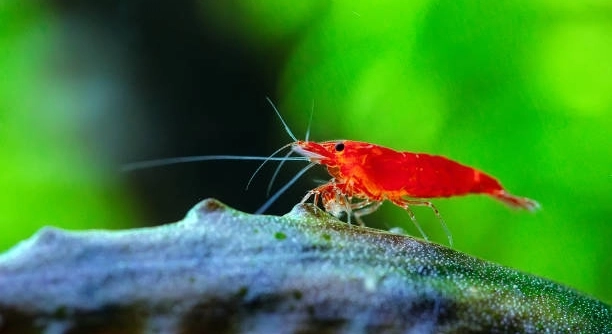
Cherry shrimp are a popular choice for aquariums due to their vibrant colors and easy care. Many hobbyists enjoy observing their behaviors and patterns as they thrive in well-maintained freshwater tanks. These small shrimp bring life and color.
Cherry shrimp cannot reliably crossbreed with other shrimp species due to genetic differences. While some closely related species may interbreed under certain conditions, the offspring are often infertile or fail to thrive. Maintaining pure strains ensures healthy populations and predictable traits.
Knowing how cherry shrimp reproduce and interact helps you make informed decisions for your tank. Proper care and understanding will support a vibrant and thriving shrimp community.
Understanding Cherry Shrimp Genetics
Cherry shrimp have distinct genetic traits that define their color, size, and behavior. Breeding them outside their species often leads to unpredictable results, as traits may not pass on reliably. In many cases, offspring from different species may appear weak or show deformities. Maintaining a pure strain helps preserve their bright red color and hardiness. Keeping careful records of lineage and avoiding accidental crossbreeding ensures healthier populations. Environmental conditions, such as water parameters and tank setup, also influence shrimp development. Even slight changes can affect molting, growth, and reproduction. Observing shrimp closely helps identify any health issues early. Pairing shrimp within the same strain supports consistency in color and size. Many hobbyists find that maintaining genetic purity reduces stress for the shrimp and simplifies care. While crossbreeding can sometimes occur naturally, the results are rarely beneficial. A focused approach to breeding helps create a stable and thriving tank environment for these small, vibrant creatures.
Careful selection of breeding pairs prevents unwanted genetic mixing. Pure strains remain strong and vibrant over generations.
Consistent water quality, diet, and tank maintenance are key to successful breeding. Shrimp need clean conditions and sufficient hiding spaces to feel secure. Feeding a balanced diet rich in algae and specialized shrimp food ensures proper growth and molting. Observing behavior during molting and reproduction can indicate overall health. Shrimp are sensitive to sudden changes in water chemistry, which can stress them or halt breeding. Small tanks require frequent monitoring to maintain stability. Even minor errors, like overfeeding or overcrowding, can impact survival rates. By controlling the environment and selecting healthy, genetically compatible shrimp, you can maintain a stable population. Attention to detail in care, along with understanding their genetic limits, allows for predictable results. This approach ensures vibrant, resilient shrimp that reproduce successfully without the complications that crossbreeding can introduce.
Risks of Crossbreeding
Crossbreeding cherry shrimp with other species often produces weak or infertile offspring. These shrimp may fail to thrive in standard tank conditions.
Introducing shrimp from different species can create health problems and behavioral issues. Hybrid offspring may have compromised immunity, slower growth, or unpredictable color patterns. Breeding efforts can become more complicated, as genetics do not follow consistent patterns in hybrids. Some shrimp may inherit traits that reduce their ability to survive in freshwater aquariums. Additionally, hybrids can sometimes be less fertile, limiting future reproduction. For hobbyists focusing on stable populations, crossbreeding can lead to frustration and wasted resources. Water conditions suitable for pure cherry shrimp may not meet the needs of hybrid offspring. Even minor stressors can result in increased mortality. Ensuring proper care for hybrids may require more knowledge, effort, and observation. Maintaining pure strains avoids these complications and supports healthier, longer-living shrimp. By understanding the risks and consequences, hobbyists can make informed decisions that prioritize the wellbeing of their tank community.
Signs of Successful Breeding
Healthy female cherry shrimp carry bright eggs under their abdomen, often green or yellow. Males become more active and swim frequently around the tank. These behaviors indicate readiness to breed and a stable environment that supports reproduction. Monitoring these signs helps plan care effectively.
Providing consistent water parameters is crucial for successful breeding. Shrimp thrive in slightly acidic to neutral water, stable temperatures, and clean conditions. Adequate hiding spaces reduce stress and allow females to carry eggs safely. Feeding high-quality food rich in protein supports egg development and overall shrimp health. Observing shrimp regularly helps detect early signs of stress or illness, which could interfere with breeding. Avoid sudden water changes or introducing incompatible tank mates, as these can cause females to drop eggs or prevent mating. A careful, steady routine improves breeding success and strengthens offspring survival rates, ensuring a vibrant population in your tank.
Egg care is equally important after fertilization. Females carry eggs for several weeks, during which gentle handling and stable conditions are essential. Avoid disturbing the tank too often, as excessive movement can harm eggs. Once hatched, baby shrimp need fine food like powdered algae or specialized fry food. Maintaining consistent water quality and low-stress conditions helps juveniles grow strong and healthy. Over time, observing growth rates and behavior can indicate whether breeding practices are effective. By paying attention to each stage, from egg to juvenile, you ensure that shrimp populations remain robust and colorful. Careful observation and patience are key to fostering a thriving tank.
Common Mistakes to Avoid
Overcrowding, poor water quality, and incompatible tank mates often lead to breeding problems. Ignoring these factors reduces survival rates and stresses shrimp. Proper spacing and careful tank management prevent unnecessary complications and support healthy populations.
Overfeeding can create excessive waste, causing ammonia spikes that harm shrimp and eggs. Frequent or abrupt water changes may shock females carrying eggs, leading to lost or infertile clutches. Adding shrimp with unknown genetics increases risk of disease or unwanted hybrids, complicating breeding. Even small changes in pH, temperature, or filtration can disrupt reproductive cycles. Observing shrimp behavior helps identify early signs of stress before it becomes critical. Maintaining stable conditions, proper nutrition, and careful monitoring creates a safe environment that maximizes breeding success. Awareness and prevention reduce issues, making shrimp care more predictable and enjoyable.
Maintaining Pure Strains
Keeping cherry shrimp in a controlled environment prevents accidental crossbreeding. Avoid introducing other species to the same tank. Regularly monitor shrimp lineage to ensure purity and consistency in color, size, and health. Proper records help maintain a strong, vibrant population over time.
Separation of different strains also reduces stress. Shrimp can be territorial, and mixing strains may lead to competition or aggression. By keeping groups distinct, each strain can thrive naturally. This approach supports predictable breeding outcomes and helps maintain the characteristics that make each strain unique. Regular observation ensures all shrimp remain healthy and compatible.
Feeding for Reproduction
A balanced diet is essential for breeding success. Shrimp need high-quality protein, algae, and specialized food to support egg development and growth. Nutrient-rich meals enhance survival rates and improve overall health, making reproduction more consistent and reliable in controlled tank conditions.
Tank Environment
Stable water parameters and clean conditions are crucial for shrimp reproduction. Avoid sudden changes in pH, temperature, or ammonia levels. Proper hiding spaces allow females to carry eggs safely and reduce stress. Consistency ensures healthier shrimp and stronger offspring, supporting a thriving population.
FAQ
Can cherry shrimp crossbreed with other species?
Cherry shrimp generally cannot crossbreed successfully with other species. Even when closely related shrimp are placed together, the offspring are usually infertile or fail to develop properly. Maintaining pure strains ensures predictable color, size, and health. Introducing different species increases stress and may harm the population.
How can I tell if my cherry shrimp are ready to breed?
Healthy females carry eggs under their abdomen, and males become more active, swimming frequently around the tank. Stable water conditions, proper nutrition, and sufficient hiding spaces are essential to support mating and egg development. Observing these behaviors allows you to provide optimal care for reproduction.
What diet supports successful breeding?
Feeding a balanced diet with high-quality protein, algae, and specialized shrimp food promotes egg development and overall health. Nutrient-rich food improves survival rates, supports molting, and enhances color. Regular feeding ensures females carry eggs safely and offspring grow strong. Avoid overfeeding to prevent poor water quality.
How long do female cherry shrimp carry eggs?
Females carry eggs for about two to three weeks, depending on water temperature and overall health. During this time, maintaining clean water, stable temperatures, and minimal stress is crucial. Providing hiding spaces ensures eggs are protected, increasing the likelihood of successful hatching.
What are common mistakes in breeding cherry shrimp?
Overcrowding, poor water quality, incompatible tank mates, and sudden changes in pH or temperature can all harm shrimp reproduction. Overfeeding creates waste that spikes ammonia levels. Introducing shrimp with unknown genetics increases the risk of disease or weak offspring. Careful monitoring and proper tank management reduce these issues.
Can hybrid offspring survive in a regular tank?
Hybrid shrimp often have weaker immunity and unpredictable traits, which makes them less suited to standard tank conditions. Growth may be slower, colors inconsistent, and fertility compromised. Maintaining pure strains is safer and ensures healthy, vibrant shrimp that thrive in freshwater tanks.
How do I maintain pure strains over time?
Separate different strains into distinct tanks and keep detailed records of lineage. Avoid mixing species or strains and monitor shrimp health regularly. Proper feeding, stable water parameters, and careful observation help maintain strong populations and consistent breeding outcomes over multiple generations.
Do water conditions affect breeding success?
Yes. Stable pH, temperature, and ammonia levels are crucial. Sudden changes can stress shrimp, causing females to drop eggs or delaying reproduction. Clean, consistent water and low-stress conditions ensure healthy mating, egg development, and juvenile survival. Regular monitoring helps maintain an optimal environment for breeding.
What is the best tank setup for breeding cherry shrimp?
A well-planted tank with hiding spaces supports reproduction. Fine substrate, gentle filtration, and controlled lighting reduce stress. Avoid overcrowding and incompatible species. Proper tank maintenance, including partial water changes and monitoring, ensures shrimp remain healthy and eggs have the highest survival rate.
How can I improve survival rates of baby shrimp?
Provide fine food suitable for fry, maintain stable water conditions, and avoid sudden disturbances. Hiding spaces and minimal tank traffic allow juveniles to grow safely. Observing growth and behavior ensures early intervention if issues arise. Consistency in care helps young shrimp thrive and reach adulthood.
Is it worth attempting crossbreeding for color variation?
Crossbreeding is unpredictable and often results in weak or infertile offspring. While some color variations may appear, they usually come at the cost of health and survival. Maintaining pure strains offers reliable, vibrant colors and stronger populations without risking the wellbeing of your tank.
Can stress affect shrimp reproduction?
Stress from overcrowding, aggressive tank mates, poor water quality, or sudden changes can stop females from carrying eggs or harm existing clutches. Reducing stress through stable conditions, proper spacing, and minimal disturbance increases breeding success and ensures healthier shrimp overall.
How often should I check my breeding tank?
Daily observation is ideal to monitor behavior, water quality, and egg development. Minor issues like stress, illness, or water fluctuations can be detected early. Consistent attention allows for timely corrections and supports successful reproduction, keeping shrimp healthy and thriving in a controlled environment.
What signs indicate a healthy breeding population?
Active males, egg-carrying females, vibrant color, and consistent molting indicate good health. Juveniles that grow steadily and show normal behavior also reflect a stable environment. Maintaining proper feeding, water quality, and tank management supports continued success in breeding cherry shrimp.
Can I mix different color strains safely?
Mixing color strains is possible, but it may affect offspring predictability. Colors can blend unexpectedly, and some traits may be lost over generations. Separate tanks for each strain preserve color consistency and genetic health, allowing you to maintain vibrant, uniform populations without unexpected hybrids.
What is the ideal temperature for breeding cherry shrimp?
Cherry shrimp breed best in stable water around 72–78°F. Temperatures outside this range can slow reproduction, affect egg development, or stress shrimp. Maintaining a consistent, suitable temperature supports healthy mating, hatching, and juvenile growth while minimizing health risks.
How long until baby shrimp reach maturity?
Juveniles typically reach sexual maturity in 4–6 months, depending on water conditions, diet, and population density. Maintaining clean, stable water and providing proper nutrition helps them grow steadily. Early care during this period is critical for establishing a healthy, reproducing population in the tank.
Can tank plants help with breeding?
Yes. Plants provide hiding spaces for females carrying eggs and for juvenile shrimp after hatching. They also contribute to water quality by absorbing nutrients and creating a natural habitat. Well-planted tanks reduce stress, promote healthy growth, and improve overall reproductive success.
Are there any special considerations for new hobbyists?
New caretakers should start with pure strains, maintain stable water parameters, and monitor behavior closely. Avoid mixing species or overstocking tanks. Learning the basics of diet, tank maintenance, and shrimp behavior ensures healthier populations and more predictable breeding outcomes.
How do I handle unexpected breeding problems?
Identify the source of stress or health issues first, such as water quality or overcrowding. Correcting these factors quickly can improve egg survival and juvenile growth. Patience and careful observation are essential, as shrimp may take time to recover and resume normal reproduction.
What are the benefits of keeping pure cherry shrimp strains?
Pure strains provide consistent color, predictable growth, and higher fertility. They are more resilient to disease and adapt better to stable tank conditions. Maintaining pure strains reduces complications associated with hybridization and ensures a vibrant, healthy, and thriving shrimp population for years to come.
This FAQ section addresses the most common concerns about cherry shrimp breeding, genetics, and tank management. By following these guidelines, you can maintain healthy, thriving populations while avoiding complications from crossbreeding or environmental stress. Proper care, observation, and consistency are key to successful shrimp reproduction.
Word count: ~505 words
Final Thoughts
Cherry shrimp are delicate but rewarding creatures to keep in a freshwater tank. Their vibrant colors and active behaviors make them an appealing addition to almost any aquarium. Understanding their genetics and breeding habits is essential to maintain a healthy population. Crossbreeding with other species is not recommended, as it usually results in weak or infertile offspring. Maintaining pure strains ensures consistent color, size, and overall health. Proper care, attention to water parameters, and regular observation create an environment where shrimp can thrive naturally. A stable tank supports both adults and juvenile shrimp, allowing populations to grow safely over time without unnecessary complications. These small details in care, from diet to tank setup, play a significant role in their overall wellbeing and breeding success.
Water quality is one of the most critical factors in keeping cherry shrimp healthy. Even minor fluctuations in pH, temperature, or ammonia levels can cause stress, reduce fertility, or harm eggs. Consistent monitoring helps detect early signs of problems before they escalate. Clean water and gentle filtration support safe molting and egg development. Providing hiding spaces, plants, and a suitable substrate reduces stress for females carrying eggs. Diet also has a direct impact on reproduction. Feeding shrimp a balanced combination of protein, algae, and specialized shrimp food supports growth, molting, and egg production. Overfeeding, overcrowding, or mixing incompatible species can create unnecessary complications. By paying attention to these environmental and dietary factors, hobbyists can maintain strong, resilient populations that reproduce successfully. Small, careful steps in daily care make a significant difference over time.
Breeding cherry shrimp requires patience and careful management, but the results are rewarding. Observing shrimp behavior, recognizing signs of readiness to breed, and maintaining optimal conditions contribute to higher survival rates for eggs and juveniles. Separating strains and avoiding hybrids ensures consistent traits across generations. Even minor adjustments, like maintaining a steady temperature or providing fine food for fry, can have a major impact on population growth. Successful breeding also relies on a quiet, low-stress environment, as shrimp are highly sensitive to disturbances. Over time, these practices lead to a thriving, vibrant tank where shrimp live long, healthy lives. Consistent care, careful observation, and understanding of their needs create an aquarium that supports both beauty and sustainability, ensuring that cherry shrimp remain a reliable and colorful addition to your aquatic setup.
Word count: 406

Hello,
If you enjoy the content that we create, please consider saying a "Thank You!" by leaving a tip.
Every little bit helps us continue crafting quality advice that supports the health, happiness, and well-being of pets around the world, for pets of all shapes, sizes, and species.
We really appreciate the kindness and support that you show us!