
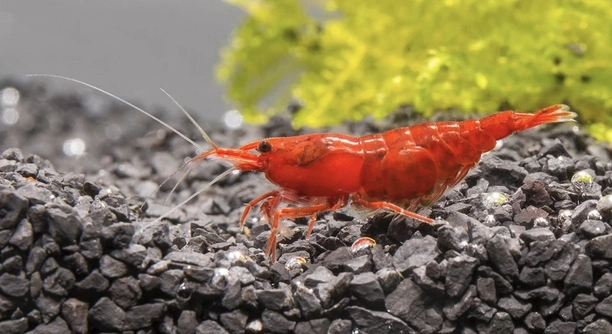
Are your shrimp spending most of their time hidden away instead of exploring their tank, leaving you unsure about what might be causing their behavior each day in your aquarium setup and routine at home.
Excessive hiding in shrimp typically results from stress linked to poor water quality, inadequate hiding structures, sudden environmental changes, aggressive tank mates, or improper acclimation practices. These combined factors disrupt normal behavior patterns and increase the likelihood of persistent concealment.
This overview offers practical guidance that supports a calmer setup, giving you a clearer path to improving your shrimp’s comfort.
Poor Water Quality
Poor water quality is one of the most common reasons shrimp hide more than expected, and it often develops faster than many new keepers realize. Shrimp react strongly to ammonia, nitrite, and sudden nitrate spikes, so even small changes can make them retreat into cover for long periods. When conditions shift, they rely on hiding to feel safer, and this behavior continues until the water returns to a stable state. Regular testing helps you catch issues early, and consistent maintenance keeps stress low. Using a proper filter, avoiding overfeeding, and performing gentle water changes all support a stable habitat. When the environment stays predictable, shrimp feel more confident and behave more naturally. Paying attention to these details may seem simple, but it has a big impact on the daily comfort of your tank. A clean setup encourages your shrimp to stay active rather than tucking themselves into plants and decor.
Keeping water quality steady supports calm behavior in shrimp, and it prevents the repeated hiding that often follows sudden parameter shifts. Stable numbers give them the confidence to roam, graze, and interact in peaceful routines that make your tank feel more balanced and help them feel secure throughout each day.
If you notice your shrimp hiding frequently, it helps to approach water care with a calm and consistent routine. Small actions, like removing leftover food and rinsing filter media in tank water, make stability easier to maintain. Shrimp thrive when their surroundings change slowly, so keeping a steady schedule supports their comfort. When the tank feels predictable, they are more willing to explore openly. This shift may seem gradual, yet it can transform the entire mood of your aquarium, giving your shrimp a space where they move with ease instead of slipping back into hiding throughout each calm day ahead.
Lack of Hiding Places
A tank with limited shelter often pushes shrimp to stay hidden for longer stretches because they do not feel secure in open areas. Adding plants, moss, and small structures provides safe spots that support steady movement and reduce stress in their daily routines as they settle into the environment naturally.
Shrimp rely on a sense of cover to feel settled, and a tank without enough hiding spaces can make them withdraw more than expected. Even confident shrimp prefer having sheltered zones nearby, since these areas let them adjust to lighting, movement, and subtle changes in the environment. Plants play a major role in creating this comfort, and simple additions like floating stems, dense moss, and low-growing ground plants encourage shrimp to move more freely. Hardscape pieces also help, giving them shaded pockets to use whenever they need a quick retreat. A mix of textures, heights, and shadows creates a layout that supports steady activity. When your tank offers several small shelters instead of one large one, each shrimp can claim a spot without competing. This reduces tension and keeps their behavior calm. Providing these features does not need to be complicated. A few well placed elements can shift the entire feel of the tank, helping your shrimp behave more naturally while staying visible throughout the day. This simple approach also supports healthier feeding habits, since shrimp are more likely to graze confidently when they feel protected by their surroundings, allowing the whole group to remain active, steady, and comfortable across.
Aggressive Tank Mates
Aggressive fish in the tank often make shrimp retreat into hiding for long stretches, especially when they feel chased or overcrowded. Even small nips or fast movements can push them to stay tucked away. Giving them calm surroundings helps reduce this constant pressure and supports steadier behavior in their tank.
Shrimp struggle to relax when they share space with species that move quickly or show territorial habits. These interactions create tension that builds over time, leading the shrimp to hide more often to avoid conflict. Selecting peaceful tank mates helps ease this stress and keeps their movements more natural. Slow, gentle fish allow shrimp to forage without interruption, and this stability influences their confidence. Careful stocking choices also prevent overcrowding, which can add even more strain. When you balance the community, shrimp respond with calmer routines. Their activity becomes steadier as they feel safer in each part of the tank.
Shrimp also react to ongoing pressure by changing how they explore the tank, and this behavior can become routine if the environment does not improve. Offering hiding spots helps, but removing the source of stress matters even more. Monitoring interactions during feeding time shows whether certain fish are causing repeated tension. Rearranging decor can also reset territorial zones, lowering aggressive behavior from other species. Making small adjustments gives shrimp a better sense of safety. Over time, they emerge more often, graze with less hesitation, and settle into predictable movements that reflect a calmer and healthier setup across the entire aquarium.
Sudden Environmental Changes
Rapid shifts in temperature, lighting, or water parameters can unsettle shrimp and make them hide for long stretches. Even small changes can disrupt their sense of stability, especially when they happen without warning. Keeping conditions steady supports calmer behavior and prevents the retreating pattern that follows sudden disturbances in the tank’s overall environment. Maintaining a simple routine and avoiding rushed adjustments gives them space to adapt without stress building around their daily activities each day.
Sudden environmental changes affect shrimp on a deeper level because their bodies are sensitive to even mild swings in their surroundings. When parameters shift sharply, they respond by withdrawing to preserve energy and regain a sense of balance. Gradual adjustments are safer and keep their behavior more stable. Introducing new water slowly during changes, adjusting lighting in smaller increments, and handling temperature shifts with patience all help reduce stress. Shrimp thrive when transitions feel gentle, since it lets them settle without fear. Watching how they react after each modification guides you toward a more comfortable setup. Over time, adopting slow, measured changes encourages them to remain active, explore with confidence, and maintain predictable routines that reflect a healthier and more peaceful environment in the tank.
Improper Acclimation
Improper acclimation can cause shrimp to hide for long periods because sudden changes in water conditions feel overwhelming to them. When shrimp are placed into new parameters too quickly, their stress levels rise, and they retreat until their bodies adjust, creating long stretches of hiding throughout the tank each day.
Moving shrimp without a slow drip method often shocks them, and this discomfort shows up as extended hiding. Giving them time to match temperature and chemistry reduces stress. A calm acclimation process helps them feel safer, settling their behavior and letting them ease into the new environment more gently overall.
Overcrowding
Overcrowding increases stress in shrimp because limited space makes them compete for food, shelter, and calm areas. When too many tank mates occupy the same zones, shrimp withdraw and spend more time hiding to avoid constant activity around them. A heavily stocked tank also causes waste to build up faster, leading to unstable water conditions that make hiding even more common. Reducing the number of inhabitants and providing more room for movement helps shrimp feel settled. When they have space to graze without interruption, their behavior becomes steadier, and they are more likely to remain visible throughout the day today.
Strong Lighting
Strong lighting can make shrimp feel exposed, causing them to hide in shaded areas for most of the day. Bright fixtures without enough cover create pressure that disrupts their routine. Softer lighting or added plants helps balance the tank, giving shrimp the comfort they need to move more freely today.
FAQ
Why do my shrimp hide all the time even when the water seems fine?
Shrimp are sensitive to more than just water parameters. Even small stresses, like new tank decorations, sudden noises, or frequent movement near the aquarium, can make them feel unsafe. They retreat instinctively to protect themselves, even if water conditions appear stable. Observing them over time helps identify subtle triggers.
Can hiding shrimp indicate illness?
Yes, excessive hiding can sometimes signal health issues. Common problems include bacterial infections, parasites, or molting complications. Sick shrimp often stay hidden longer than usual, eat less, or show unusual movement. Monitoring their appearance and behavior, along with maintaining clean water, reduces the risk of disease spreading.
Do shrimp hide more during molting?
Absolutely. Molting is a vulnerable time for shrimp because their new shell is soft. They instinctively seek cover to avoid predators or stress. Providing plenty of plants and hiding spots ensures they can molt safely and regain confidence once their shell hardens.
How long should shrimp stay hidden normally?
It depends on the tank setup, water quality, and companions. Healthy shrimp may hide intermittently but generally come out to feed or explore. If hiding continues for several days without activity, it can indicate stress, poor water conditions, or overcrowding.
Can tank mates affect hiding behavior?
Yes, aggressive or fast-moving fish push shrimp into hiding more often. Even peaceful fish may cause stress if the tank is overcrowded. Shrimp need calm companions and enough space to retreat safely. Providing sufficient plants and structures helps them feel secure.
Does lighting influence shrimp hiding?
Strong or direct lighting can make shrimp feel exposed, prompting them to hide under plants or decorations. Adjusting the intensity, using floating plants, or adding shaded areas encourages natural behavior and reduces stress. Gradual changes to lighting prevent sudden panic responses.
Will shrimp ever stop hiding completely?
Shrimp may never fully stop hiding, as seeking cover is a natural instinct. However, when stressors are minimized and the environment is stable, they will spend more time out in the open feeding, exploring, and interacting. Consistency in water quality, gentle tank mates, and proper hiding spots supports confident shrimp behavior.
How do I know if my shrimp are stressed?
Stress signs include prolonged hiding, loss of appetite, erratic swimming, and slower molting. Changes in coloration can also indicate distress. Maintaining a calm, clean, and predictable environment reduces stress and encourages normal activity levels.
Is water temperature important for shrimp activity?
Yes. Sudden changes or prolonged temperatures outside the species’ comfort range can make shrimp retreat into hiding. Keeping temperature stable and within recommended limits promotes healthy behavior, feeding, and molting cycles.
How can I reduce hiding behavior long-term?
Focus on consistent water quality, appropriate tank mates, proper lighting, and plenty of hiding spaces. Slow acclimation for new shrimp and avoiding sudden changes help them feel safe. Over time, shrimp learn their environment is secure and gradually become more visible and active.
Do different shrimp species hide differently?
Yes, behavior varies by species. Some are naturally shy, while others are more active. Observing their typical patterns and adjusting the tank to match their needs ensures they are comfortable and reduces stress-induced hiding.
Can feeding schedule affect hiding?
Regular feeding encourages shrimp to come out more often. Unpredictable feeding or overfeeding can cause stress or poor water quality, prompting hiding. A steady routine helps shrimp anticipate safety during meals and promotes confident behavior in the tank.
How often should I check water parameters?
Frequent testing of ammonia, nitrite, nitrate, and pH is essential. Even minor fluctuations can lead to hiding behavior. Weekly or bi-weekly checks, combined with small, consistent water changes, help maintain stability and reduce stress.
Do shrimp prefer planted tanks for less hiding?
Yes. Plants provide natural hiding spots and make shrimp feel secure. A mix of mosses, floating plants, and dense low-growing plants allows them to retreat when needed but still move freely, reducing prolonged hiding and supporting active daily routines.
Can stress from handling affect shrimp?
Handling or moving shrimp too frequently can increase hiding. Minimizing disturbances during water changes or tank maintenance keeps stress low. Using gentle methods like netting slowly and avoiding sudden splashes reduces fear responses and promotes confidence.
Does water flow impact hiding behavior?
Strong currents can make shrimp feel unsafe, especially species that prefer calm waters. Adjustable filters, diffused flow, and areas of calm allow shrimp to rest, feed, and explore without feeling forced into constant hiding.
Is it normal for shrimp to hide at certain times of day?
Yes, some shrimp are naturally more active during low-light periods. They may hide during bright daylight and come out during dimmer periods. Observing their natural rhythm helps you understand what is normal versus stress-induced hiding.
How can I help shy shrimp become more visible?
Reduce stressors like aggressive tank mates, strong lighting, or sudden water changes. Provide ample hiding spots, maintain stable water conditions, and feed consistently. Patience is key; over time, they will gradually explore more and show natural behavior.
Does water hardness affect shrimp hiding?
Sudden changes in hardness can stress shrimp, causing them to hide. Gradual adjustments when needed, combined with proper acclimation for new additions, ensure they remain comfortable and reduce stress-related hiding behavior.
Can overcrowded tanks cause permanent hiding habits?
Persistent overcrowding may make shrimp permanently more cautious. Reducing population density, adding shelters, and providing calm surroundings encourages more normal behavior and allows shrimp to regain confidence to explore without constant retreating.
Final Thoughts
Shrimp are naturally cautious creatures, and hiding is a normal part of their behavior. They use cover to feel safe, protect themselves during vulnerable times like molting, and adjust to changes in their surroundings. However, excessive hiding often signals stress caused by environmental factors such as poor water quality, aggressive tank mates, sudden changes, or lack of shelter. Observing shrimp closely helps identify patterns and potential causes. When shrimp retreat too often, it is rarely a sign of laziness or misbehavior. Their behavior is a response to perceived threats or discomfort. Taking time to notice when, where, and how often they hide can give valuable insight into the conditions they experience daily.
Creating a comfortable environment is the most effective way to encourage shrimp to stay visible and active. Providing plenty of hiding spots like plants, moss, and small decorations allows them to feel safe while exploring. Consistent water parameters, a stable temperature, and gentle lighting reduce stress and support steady routines. Slow acclimation when introducing new shrimp or making changes in the tank helps prevent shock and prolonged hiding. Selecting peaceful tank mates and avoiding overcrowding ensures shrimp have enough space and security. Even simple steps like regular water testing, careful feeding, and monitoring behavior make a noticeable difference in their overall confidence. With attention to these factors, shrimp gradually become more comfortable, spend more time out in the open, and display natural behaviors that reflect a healthier environment.
Patience is key when helping shy or stressed shrimp. Changes in behavior often take time, and improvement is gradual rather than immediate. Observing shrimp over weeks rather than days provides a better understanding of what adjustments are effective. Maintaining a calm and consistent routine fosters trust in the tank, allowing shrimp to explore, feed, and interact without constant fear. Even when hiding continues occasionally, it is often part of normal shrimp behavior and should not be cause for alarm. The goal is not to eliminate hiding entirely but to create conditions where shrimp feel secure enough to be active and visible for much of the day. Over time, these small, consistent efforts lead to a more balanced aquarium where shrimp are healthier, calmer, and better able to enjoy their environment.

Hello,
If you enjoy the content that we create, please consider saying a "Thank You!" by leaving a tip.
Every little bit helps us continue crafting quality advice that supports the health, happiness, and well-being of pets around the world, for pets of all shapes, sizes, and species.
We really appreciate the kindness and support that you show us!