
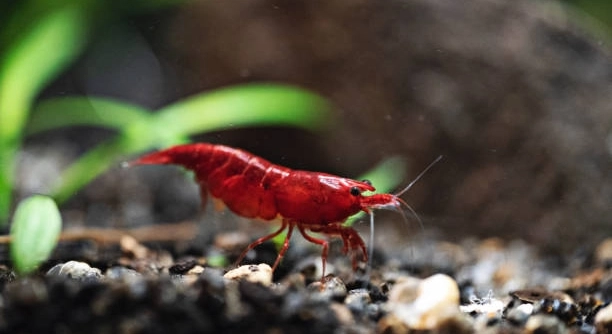
Cherry shrimp are small, colorful freshwater creatures often kept in home aquariums. Many shrimp owners enjoy observing their behavior and feeding habits. Understanding how they sense their surroundings can improve care and overall tank management.
Cherry shrimp possess chemoreceptors that allow them to detect food molecules in water from a distance. This sensory ability is not as strong as in larger aquatic animals but is sufficient for locating nearby food sources efficiently.
Learning how cherry shrimp find their food can help aquarium enthusiasts provide better feeding strategies and maintain a healthy, active tank environment for their tiny pets.
How Cherry Shrimp Sense Food
Cherry shrimp rely heavily on their sense of smell, or chemoreception, to locate food in their tank. Their tiny antennae pick up chemical signals released by food particles in the water. Even small amounts of fish flakes or algae can trigger movement toward the source. This ability is essential because cherry shrimp are slow-moving and need to detect food before it sinks or is eaten by other tank inhabitants. Their eyes do not provide much detail for spotting food, so they depend on chemical cues instead. Observing them, you might notice a shrimp pausing and waving its antennae when new food is added. This behavior helps it detect even faint traces of nutrients. Over time, shrimp learn the areas in the tank where food usually appears and adjust their movement accordingly. This makes feeding time more efficient, reducing stress for the shrimp. Proper feeding ensures healthy growth, coloration, and reproduction.
Their antennae are highly sensitive, allowing them to detect minute amounts of food dissolved in water.
Providing consistent feeding locations and amounts helps shrimp respond quickly and maintain good health, supporting active and visible behavior in the aquarium.
Distance and Detection
Cherry shrimp can detect food within a limited range, usually a few inches in standard tanks.
The detection distance depends on water conditions, including flow, temperature, and the type of food offered. Heavier or oily foods may sink quickly, making them less detectable, while smaller particles remain suspended longer, giving shrimp more time to sense them. Additionally, water movement disperses chemical signals, sometimes drawing shrimp from unexpected directions. Observing shrimp behavior during feeding provides insights into how far they can sense food, as they often move deliberately toward the source. Shrimp rely on repeated exposure to associate certain locations with food, which improves their efficiency over time. Feeding strategies that consider particle size, water flow, and tank layout can maximize their ability to locate food. Understanding these factors is critical for maintaining a healthy tank. Consistent monitoring helps ensure that all shrimp get adequate nutrition and remain active, reducing competition and stress within the aquarium. Proper care encourages natural behaviors and enhances the visual appeal of these tiny, lively creatures.
Factors Affecting Food Detection
Water quality plays a major role in how effectively cherry shrimp detect food. Clear, well-oxygenated water allows chemical signals to travel efficiently, while poor water conditions can weaken their ability to sense nutrients. Maintaining proper water parameters is essential.
Temperature, pH, and ammonia levels influence shrimp behavior. Warmer water can increase activity, helping shrimp move toward food faster. Sudden changes in pH or high ammonia can stress them, reducing feeding response. Filtration and regular water changes help maintain stable conditions, ensuring chemical signals from food remain detectable. Tank decorations and plants may also affect water flow and how signals spread, so positioning food near open areas can improve detection. Observing shrimp during feeding allows you to adjust placement and timing, giving all shrimp a fair chance to find food.
Shrimp size and age also impact detection. Younger or smaller shrimp may respond slower, and competition among tank mates can influence feeding efficiency. Choosing appropriate food size ensures that all shrimp can access nutrients, promoting growth and healthy coloration.
Types of Food and Their Influence
Dry foods like flakes or pellets release chemical signals slowly, allowing shrimp time to detect them.
Fresh or frozen foods, such as brine shrimp or daphnia, produce stronger signals. These foods often sink slower, giving shrimp more opportunity to sense and reach them. Varying food types can stimulate natural foraging behavior, keeping shrimp active. Observation shows that shrimp respond quickly to protein-rich foods, while algae wafers attract constant grazing behavior. Rotating food types ensures nutritional balance, encourages movement, and supports overall health.
Feeding frequency and portion size are crucial. Overfeeding can cloud the water and mask chemical signals, reducing shrimp’s ability to detect food. Small, frequent feedings maintain water clarity and provide constant stimuli for foraging. Adjusting feeding strategies according to tank size, population, and shrimp activity levels helps maintain a stable environment. Combining different textures and nutrient compositions encourages natural behaviors, ensuring all shrimp get enough food. Proper feeding also supports reproduction, as healthy adults produce more viable eggs, maintaining a thriving shrimp population over time.
Feeding Behavior Patterns
Cherry shrimp tend to feed actively during the morning and evening hours. These periods coincide with lower light levels, making them feel safer while foraging.
Shrimp often explore the substrate and surfaces for tiny food particles. They use their claws and antennae to pick up and test potential food items before consuming them.
Response to New Foods
Introducing new foods triggers noticeable curiosity in cherry shrimp. They may wave their antennae more frequently and move toward the source cautiously.
Shrimp gradually learn which foods are safe and palatable. Over time, they develop consistent feeding routines, showing preference for certain types while still sampling others. Observing their reactions helps in providing a balanced diet that supports growth and vitality.
Impact of Tank Mates
Other fish or invertebrates can influence shrimp feeding behavior. Presence of larger or faster species may make shrimp more cautious, altering how they approach food.
Maintaining adequate hiding spaces allows shrimp to feed without stress, ensuring they receive proper nutrition. Proper tank arrangement promotes active, healthy shrimp.
Feeding Tips for Beginners
Consistent feeding schedules help shrimp recognize mealtime and reduce stress.
Offering a variety of food types ensures balanced nutrition and encourages natural foraging instincts.
FAQ
Can cherry shrimp smell food through the water?
Yes, cherry shrimp use chemoreceptors on their antennae to detect food particles dissolved in water. These receptors are sensitive enough to guide them toward flakes, pellets, or live foods. While their sense is not as strong as in larger aquatic animals, it is sufficient for locating nearby food efficiently. Water quality and flow can affect how well these signals travel, so maintaining stable parameters helps shrimp find their meals consistently.
How far can cherry shrimp detect food?
The detection range is usually a few inches in a standard aquarium. Water flow, temperature, and food type influence how far chemical signals can travel. Lighter particles or suspended foods may be easier for shrimp to sense than dense, sinking foods. Observation shows shrimp often move deliberately toward food sources, suggesting they are aware of signals from multiple directions. Consistent feeding locations help shrimp learn where to search, improving efficiency.
Do all cherry shrimp react the same to food?
Not exactly. Age, size, and health can affect feeding behavior. Younger or smaller shrimp may move slower or be more cautious. Tank mates can also influence their behavior, as shrimp may wait for calmer moments to approach food if other species are present. Variations in response are normal, and ensuring all shrimp have access to food prevents competition-related stress.
What types of food do cherry shrimp prefer?
Shrimp respond to both dry and fresh foods. Flakes and pellets release chemical signals slowly, giving shrimp time to detect them. Live or frozen foods, like brine shrimp or daphnia, produce stronger signals and often remain suspended longer, allowing more time for shrimp to reach them. Rotating food types ensures a balanced diet and stimulates natural foraging behaviors, keeping shrimp active and healthy.
How does water quality affect food detection?
Clear, well-oxygenated water allows chemical signals to travel efficiently. Poor water conditions, including high ammonia, sudden pH changes, or cloudy water, can weaken shrimp’s ability to sense food. Maintaining proper filtration, regular water changes, and stable parameters ensures shrimp remain active and able to locate food effectively.
Can feeding frequency influence detection?
Yes. Small, frequent feedings help maintain water clarity and consistent chemical signals. Overfeeding can cloud water and mask these signals, making it harder for shrimp to find food. Adjusting portion sizes and feeding schedules according to tank size, shrimp population, and activity levels helps ensure all shrimp have equal access to nutrition.
Do shrimp remember where food is located?
Cherry shrimp display learned behavior over time. They may return to areas where food is usually placed, showing they can associate specific locations with meals. This behavior improves feeding efficiency and ensures they expend less energy searching for food. Observation and consistent feeding routines reinforce these patterns naturally.
Does shrimp behavior change with different food types?
Yes, different foods trigger different behaviors. Protein-rich foods like frozen brine shrimp often elicit fast, active movement, while algae wafers encourage grazing over time. Offering a variety of foods helps maintain natural foraging behavior and ensures nutritional balance, contributing to healthy growth and reproduction.
Are there ways to help shy shrimp find food?
Providing hiding spaces and spreading food across multiple areas reduces competition and stress. This encourages timid shrimp to approach food safely. Using smaller portions and placing food near sheltered zones ensures even the most cautious shrimp can feed effectively without being intimidated by tank mates.
How do tank mates affect shrimp feeding?
Larger or faster species may intimidate shrimp, making them more cautious. Observing shrimp during feeding helps identify potential issues. Strategic placement of hiding spots and food ensures shrimp can feed without stress, promoting overall health and natural behavior in the tank.
What signs indicate shrimp are finding enough food?
Active movement, bright coloration, and consistent growth are good indicators. Shrimp that locate food easily display natural foraging behaviors and remain visible throughout the tank. Monitoring these signs helps ensure feeding strategies meet their needs, preventing malnutrition or stress-related issues.
Final Thoughts
Cherry shrimp are fascinating little creatures, and understanding how they sense food can make caring for them much easier. Their primary method of detecting food is through chemoreception, which relies on tiny receptors on their antennae. These receptors pick up chemical signals released by food particles in the water. Because shrimp are small and slow-moving, this sense is essential for survival in their environment. Even though their detection range is limited compared to larger aquatic animals, it is enough for them to locate food efficiently in a well-maintained tank. Observing shrimp behavior during feeding can provide valuable insights into how effectively they are detecting and reaching food. Over time, shrimp can learn where food is usually placed, which helps reduce unnecessary searching and energy expenditure. This learned behavior also improves their overall feeding efficiency and supports healthy growth.
Water quality and tank conditions play an important role in how well cherry shrimp can detect and reach their food. Clear, well-oxygenated water allows chemical signals to travel farther, making it easier for shrimp to sense nutrients. Factors such as temperature, pH, water flow, and filtration can influence their ability to respond to these signals. Poor water quality can reduce their responsiveness, stress the shrimp, and even lead to health issues. Additionally, tank decorations, plants, and substrate can affect how chemical cues disperse. Proper placement of food in areas with moderate flow and accessible spaces ensures that all shrimp can find it without difficulty. Consistent feeding routines also help shrimp recognize mealtime and reduce stress, creating a more predictable and comfortable environment. By monitoring shrimp during feeding, caretakers can identify any individuals struggling to find food and adjust placement or portions to accommodate them.
The type of food provided has a significant impact on how shrimp locate and consume it. Dry foods, such as flakes or pellets, release chemical signals gradually, while live or frozen foods, like brine shrimp or daphnia, produce stronger, more noticeable signals. Offering a mix of food types supports balanced nutrition and encourages natural foraging behaviors, keeping shrimp active and healthy. Feeding frequency and portion size are equally important. Overfeeding can cloud the water, making chemical signals less detectable, while small, regular feedings maintain water clarity and provide steady stimulation for shrimp. Tank mates also influence feeding behavior, as larger or more active species can intimidate shrimp and change how they approach food. Providing hiding spots, spreading food across multiple areas, and ensuring even distribution can help timid shrimp access nourishment safely. Paying attention to these factors helps maintain a thriving population of cherry shrimp, promotes healthy growth and reproduction, and allows caretakers to enjoy observing their natural behavior in a stress-free environment.

Hello,
If you enjoy the content that we create, please consider saying a "Thank You!" by leaving a tip.
Every little bit helps us continue crafting quality advice that supports the health, happiness, and well-being of pets around the world, for pets of all shapes, sizes, and species.
We really appreciate the kindness and support that you show us!