
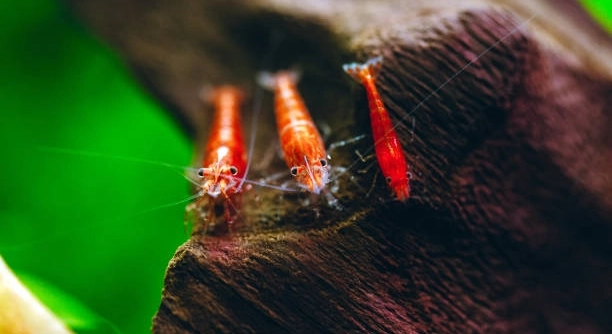
Do you ever notice your cherry shrimp moving around the tank and wonder how they interact with other fish or invertebrates? These tiny creatures have delicate behaviors that can be influenced by their aquatic companions and environment.
Cherry shrimp generally do not actively follow tank mates. Their behavior is largely independent, focusing on foraging and shelter. While they may occasionally move near other species, this proximity is incidental and not a deliberate following pattern.
Observing their subtle movements and interactions can reveal surprising details about tank harmony and the care they need.
How Cherry Shrimp Interact with Other Tank Mates
Cherry shrimp are peaceful creatures that prefer to stay out of conflict. They spend most of their time grazing on algae, biofilm, and leftover food. Their movements are cautious, and they often retreat to plants, rocks, or hiding spots when larger fish approach. Even in a community tank, they avoid chasing or following other animals. They rely on sensing vibrations and changes in the water to determine safety, which makes them more reactive than proactive in social interactions. Observing them can reveal that they are more focused on feeding and survival than on forming any following behavior. They may come near other species if there is food, but it is not a sign of social attachment. Over time, shrimp develop routines around their environment, knowing where to find food and shelter while avoiding stress. A well-planted tank allows them to feel secure and reduces aggressive encounters.
Their behavior is subtle, and movement near tank mates is mainly incidental rather than intentional.
Providing hiding spots and steady feeding routines encourages natural shrimp activity. They feel safer exploring when they can retreat quickly. Even in mixed-species tanks, this ensures they are not stressed and maintain healthy behavior patterns.
Tank Mates That Work Best with Cherry Shrimp
Peaceful small fish and invertebrates are ideal companions for cherry shrimp.
Choosing tank mates that do not see shrimp as food is crucial. Small tetras, rasboras, and snails coexist well without causing stress. Avoid large or aggressive fish, which may chase or eat them. Shrimp need areas to hide and plenty of plants to feel secure. Dense vegetation and moss create safe zones where shrimp can feed and molt without interference. Consistent water parameters, such as temperature and pH, help all species thrive together. By selecting calm, compatible species, shrimp activity can remain natural and visible, offering a more engaging tank environment. Monitoring interactions ensures that any signs of stress are noticed early, preventing losses. A carefully chosen community allows shrimp to display normal behavior and maintain their health. Planning tank setups with compatible species also reduces the need for constant intervention, making maintenance simpler. This combination of proper tank mates, shelter, and steady care supports the long-term well-being of cherry shrimp and their companions.
Feeding Behavior and Movement Patterns
Cherry shrimp move slowly and deliberately while searching for food. They graze on algae, biofilm, and leftover fish food, rarely venturing far from hiding spots. Their movements are more about survival than social interaction, making them seem independent in community tanks.
Shrimp spend most of their time picking at surfaces and exploring plants for food. They tend to stay close to cover to avoid larger fish that may pose a threat. This cautious behavior means they do not actively follow tank mates, even when food is present. Occasionally, they may appear near other species, but it is coincidental and based on resource availability rather than social behavior. Observing them closely reveals their natural instincts and how environment influences their patterns. Their grazing habits keep tanks clean while ensuring they receive the nutrients needed for growth and molting.
Movement is influenced by safety and feeding opportunities. Cherry shrimp rarely stray from secure areas. They instinctively use plants, rocks, and decorations to navigate without exposing themselves to predators. Even in well-maintained tanks, they prioritize avoiding stress over interacting with other inhabitants. Their activity may increase during feeding times, but their paths remain cautious and indirect, highlighting an independent lifestyle. Providing adequate hiding places and consistent food sources supports healthy movement and reduces stress, allowing them to display natural behaviors without unnecessary risk from larger tank mates.
Signs of Stress in Cherry Shrimp
Stress in cherry shrimp often shows through color changes and erratic swimming.
Shrimp may lose their vibrant red coloring or become unusually transparent when stressed. Sudden darting, hiding constantly, or failing to eat are clear indicators that their environment is not optimal. Stress can result from aggressive tank mates, poor water quality, or insufficient hiding spots. Monitoring behavior daily helps detect early signs of discomfort. Proper filtration, regular water changes, and dense plant cover reduce stress, allowing shrimp to feel secure and behave naturally. A calm tank environment supports healthy growth, molting, and reproduction while minimizing risk of disease.
Environmental factors significantly affect shrimp behavior. Water parameters such as temperature, pH, and hardness must remain stable, as fluctuations can increase stress and weaken their immune system. Aggressive or predatory tank mates create constant threats, causing shrimp to retreat and forage less. Providing dense vegetation, moss, and caves ensures shrimp have safe zones to hide and explore freely. Regular feeding and removing uneaten food prevent competition and reduce stress-related aggression from other species. By maintaining stable conditions, monitoring water quality, and offering ample shelter, cherry shrimp can thrive in a community tank, exhibiting normal colors, activity, and feeding behavior.
Tank Setup Tips for Cherry Shrimp
A well-planned tank provides security and encourages natural shrimp behavior. Dense plants, moss, and hiding spots reduce stress and allow shrimp to explore safely. Proper filtration and stable water parameters are essential for their health.
Substrate choice also affects their grazing and molting. Fine gravel or sand lets shrimp forage easily while preventing injury. Including driftwood or rocks adds surface area for biofilm, a natural food source. Regular water changes keep ammonia and nitrate levels low, supporting both shrimp and tank mates. Thoughtful arrangement ensures shrimp can move freely while feeling protected from larger, more active species.
Observing Cherry Shrimp Behavior
Watching shrimp reveals their cautious yet curious nature. They spend most time grazing and exploring near safe areas.
Careful observation shows patterns in feeding, hiding, and movement. Shrimp rarely follow other tank mates intentionally, but they may come close when searching for food. Their behavior is subtle, reflecting environmental comfort and security.
Compatibility Considerations
Choosing peaceful, non-predatory species is key for successful shrimp cohabitation.
Aggressive or large fish can stress shrimp, limiting their activity and natural grazing. Small, calm fish, snails, or other gentle invertebrates maintain a balanced tank environment. Avoid overcrowding to prevent competition and ensure all species have adequate shelter.
FAQ
Do cherry shrimp follow each other?
Cherry shrimp are not social in the sense of actively following one another. They spend most of their time grazing on algae, biofilm, and leftover food. Occasionally, you may notice two shrimp in the same area, but this is typically coincidental. Their movement is guided by food sources and safety, not social behavior. They may gather near plants or decorations where biofilm accumulates, but it is not a deliberate following of tank mates. Shrimp are more focused on avoiding stress and finding secure areas, which is why observing them can show them moving independently rather than in coordinated patterns.
Can cherry shrimp follow fish in the tank?
Cherry shrimp do not intentionally follow fish. Their natural instinct is to avoid larger or fast-moving tank mates. If a shrimp appears near a fish, it is usually because food has been dropped or the shrimp is moving cautiously along a surface that coincides with the fish’s path. They rely on plants, rocks, and other hiding spots to navigate safely. Stressful interactions with larger or aggressive fish can cause them to retreat entirely, limiting visible movement. Keeping shrimp with calm, small species ensures they remain active and exhibit natural grazing behavior without feeling the need to hide constantly.
Why do cherry shrimp move in groups sometimes?
When you see cherry shrimp together, it is generally due to food availability or favorable environmental conditions. They are attracted to areas with high biofilm or leftover food rather than intentionally forming groups. Shrimp may also cluster in spots with ample hiding places or optimal water conditions. Their grouping is temporary and situational, not a sign of social following. Observing these clusters can provide insight into their preferred feeding areas and highlight which parts of the tank are safest for them. Over time, these patterns show their natural instincts for feeding and security.
Do cherry shrimp recognize tank mates?
Cherry shrimp do not recognize individual tank mates. They respond to general stimuli such as movement, vibrations, and water disturbances. Their reactions depend on perceived threat levels rather than any social recognition. Calm, non-predatory species are tolerated, while aggressive or fast-moving fish can cause stress. Shrimp behavior is largely instinctual, so recognition of tank mates in a human sense does not occur. Providing dense vegetation and hiding spots allows shrimp to feel secure and reduces unnecessary stress from cohabitating species.
How do cherry shrimp react to new tank mates?
Introducing new tank mates can cause initial caution or hiding in shrimp. They will typically observe from safe areas and slowly resume normal activity as they adjust. The presence of new species can increase stress temporarily, so adding compatible, small, and peaceful fish or invertebrates is essential. Observing shrimp closely during introductions helps ensure they are not overly stressed and allows you to make adjustments if necessary. Gradual acclimation, steady feeding routines, and well-structured hiding spots reduce disruption and help shrimp maintain normal grazing and movement patterns.
What influences cherry shrimp movement the most?
The main factors influencing movement are food availability, water conditions, and perceived safety. Shrimp are cautious creatures, rarely venturing far from hiding spots unless motivated by food or a calm environment. Sudden changes in water parameters, aggressive tank mates, or insufficient shelter can reduce their activity. Observing how they navigate plants, substrate, and decorations shows how environmental factors shape behavior. Providing a stable tank with ample feeding areas and secure hiding spots encourages natural movement, allowing shrimp to display normal grazing habits and maintain their health over time.
Can cherry shrimp follow each other while molting?
During molting, cherry shrimp are particularly vulnerable and focus on hiding. They do not follow others during this process. Finding a safe and covered area is their priority, as exposed shrimp are at risk of predation or stress. Dense plants, moss, and small caves are ideal for this stage. Other shrimp may be nearby, but it is coincidental, often because they share similar hiding spaces or feeding areas. Monitoring the tank during molting helps ensure shrimp remain safe and healthy throughout this delicate period.
Do environmental changes make shrimp follow each other more?
Environmental changes do not cause intentional following. Shrimp may appear to move together when seeking safe spots after a sudden disturbance, but this is a reaction to stress, not social interaction. Providing stable water conditions, consistent feeding, and adequate hiding places prevents unnecessary clustering and allows shrimp to move freely without fear. Understanding their cautious nature helps maintain a healthy, low-stress tank where each shrimp can behave naturally.
Are baby shrimp more likely to follow others?
Juvenile shrimp are not more social than adults. Baby shrimp focus on feeding and avoiding threats, similar to adults. They often stay near cover and biofilm sources, occasionally appearing near other shrimp due to limited space or food concentration. Their behavior is driven by survival instincts rather than social interaction, and they will disperse when the environment allows it. Ensuring sufficient hiding spots and food sources supports healthy growth and natural behavior for both baby and adult shrimp.
Can shrimp behavior change over time with tank mates?
Yes, shrimp may become bolder or more active as they become accustomed to calm tank mates. Over time, they learn which areas are safe and where food is consistently available. However, this does not lead to following behavior. They remain cautious and independent, moving according to feeding and safety rather than social cues. Observing gradual changes can help gauge tank conditions, shrimp health, and comfort with cohabiting species, allowing you to maintain an environment that encourages natural behaviors without stress.
This FAQ section provides detailed insights into cherry shrimp behavior, emphasizing that movement near others is largely incidental and driven by survival needs rather than social interaction.
Cherry shrimp are fascinating creatures to keep in a tank, but understanding their behavior is key to creating a healthy environment. These tiny shrimp spend most of their time grazing on algae, biofilm, and leftover food, moving carefully around plants, rocks, and other decorations. Their movement is cautious, and they prioritize safety above interaction with other tank mates. Observing them can show a lot about how they respond to their surroundings and the care they need. Providing hiding spots and dense vegetation allows them to feel secure while maintaining normal activity patterns. Even in community tanks, their interactions with other species are limited and generally coincidental, rather than deliberate. This independence does not mean they are inactive, but rather that their behavior is guided by instinct and environmental comfort.
A well-maintained tank plays a major role in how cherry shrimp behave and thrive. Stable water parameters, appropriate feeding routines, and consistent cleaning all contribute to a healthy and stress-free environment. Stress can lead to color loss, erratic swimming, or hiding, so paying attention to water quality and tank conditions is essential. Choosing compatible tank mates is equally important, as aggressive or larger fish can cause constant stress and reduce shrimp activity. Small, peaceful fish or invertebrates are best for community setups, allowing shrimp to display natural behavior without fear. Proper planning of the tank’s layout, including substrate, plants, moss, and decorations, supports safe exploration and feeding. Over time, shrimp will adapt to the tank environment, showing predictable grazing and hiding patterns that reflect both security and resource availability.
Observing cherry shrimp closely can also be rewarding because it reveals subtle behaviors that indicate health and well-being. Even though they do not actively follow each other or other tank mates, their movements near food, cover, or safe spaces provide insight into their daily routines and preferences. Molting, feeding, and foraging all have distinct patterns that are influenced by environmental conditions. By understanding these behaviors and maintaining a stable, well-structured tank, shrimp can thrive while exhibiting natural, independent activity. Their cautious but consistent movement adds life to the aquarium and highlights the importance of careful husbandry. Over time, maintaining this balance ensures that shrimp remain healthy, colorful, and active, contributing to a vibrant and harmonious tank environment.

Hello,
If you enjoy the content that we create, please consider saying a "Thank You!" by leaving a tip.
Every little bit helps us continue crafting quality advice that supports the health, happiness, and well-being of pets around the world, for pets of all shapes, sizes, and species.
We really appreciate the kindness and support that you show us!