
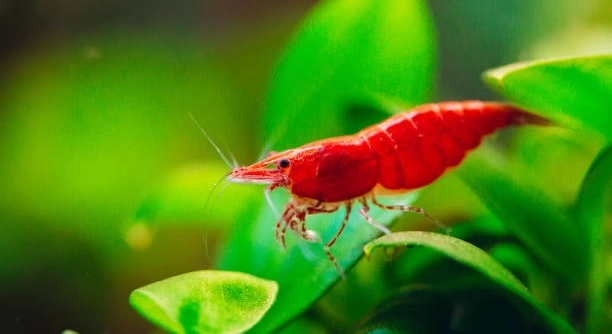
Cherry shrimp are small, colorful additions to many freshwater aquariums, often admired for their lively movements. Sometimes, they may be seen crawling over snails, which can leave owners puzzled about this curious behavior in their tanks.
Cherry shrimp crawling on snails is primarily a foraging behavior. They explore snail shells in search of algae, biofilm, and leftover food particles. This interaction is normal and typically does not harm the snails or disrupt the tank’s ecosystem.
Observing this activity can reveal interesting details about your aquarium’s cleanliness and the shrimp’s natural tendencies. Paying attention to their patterns helps maintain a balanced, healthy environment for all tank inhabitants.
Why Cherry Shrimp Climb on Snails
Cherry shrimp often climb on snails because they are constantly searching for food. Their diet includes algae, biofilm, and small leftover particles in the tank. Snail shells are a perfect surface for these tiny snacks. Shrimp use their small claws to scrape the shell gently, picking off whatever they can find. This behavior is natural and does not indicate aggression or stress. Many shrimp spend hours exploring every surface in their habitat, and snails are just another area to inspect. By climbing on snails, shrimp can reach spots in the tank that might otherwise be inaccessible. This helps them get enough nutrition and stay active. Observing them can be entertaining because each shrimp moves carefully, almost like it is mapping the environment. Over time, you might notice patterns in how they choose which snails to climb. Overall, this climbing is part of their normal foraging routine.
This climbing behavior does not harm snails. Shrimp are lightweight and only scrape surfaces for food.
Watching shrimp interact with snails can teach you about their activity levels and diet preferences. Their movements often show which areas of the tank have more algae and which need attention.
Maintaining a Healthy Tank for Shrimp and Snails
Shrimp climbing on snails is common in healthy, balanced tanks where both species coexist peacefully. Observing their interactions can help you maintain a clean and thriving environment.
A balanced tank starts with proper feeding, clean water, and enough hiding places for both shrimp and snails. Cherry shrimp need consistent access to food sources like algae wafers or blanched vegetables. Snails help control algae, but their population should be monitored to prevent overcrowding. Regular water changes and testing for ammonia, nitrites, and nitrates ensure a stable environment. Decorations, plants, and smooth surfaces provide areas for shrimp to explore without damaging snails. When snails and shrimp have their space, interactions remain harmless, and both species benefit from the tank’s ecosystem. By paying attention to these details, you can create a thriving aquarium where shrimp actively forage while snails continue to graze. Understanding their behaviors reduces stress and promotes long-term health for all aquatic inhabitants.
Signs Your Shrimp Are Healthy
Active foraging and climbing on snails indicate healthy shrimp. They move steadily, have vibrant colors, and respond to food or changes in their environment.
Healthy cherry shrimp display consistent activity throughout the day. They explore surfaces, interact with snails, and often graze on algae or biofilm without hesitation. Their exoskeleton remains intact, and their antennae wave constantly as they sense their surroundings. Shrimp that hide constantly or appear dull may be stressed or unwell. Providing stable water conditions, proper food, and safe tank mates helps maintain their health. Monitoring behavior closely can prevent illness before it worsens. Regular observation allows you to notice subtle changes early, ensuring shrimp thrive.
Shrimp sometimes climb more when there is limited food in the tank. Even minor fluctuations in water quality can increase this behavior. They use snails as extra surfaces to search for edible materials. Observing these interactions over time gives insight into feeding patterns, activity levels, and overall tank balance. Adjusting feeding schedules or adding fresh biofilm sources can reduce excessive climbing while supporting shrimp health.
How Snails Benefit Shrimp
Snails help keep the tank clean by eating leftover food and algae, which supports shrimp foraging.
Snails produce waste that can provide nutrients for biofilm, a primary food source for cherry shrimp. By grazing on algae, they prevent overgrowth, keeping the tank surfaces accessible for shrimp to explore. This indirect contribution enhances shrimp activity and encourages natural foraging behavior. Snails also provide additional surfaces for shrimp to climb, expanding their territory without adding stress. In tanks with both species, snails and shrimp create a symbiotic dynamic where each benefits from the other’s presence, resulting in a more balanced and healthy aquarium environment.
Preventing Overcrowding
Keeping shrimp and snails at healthy numbers prevents stress and ensures enough space for movement. Overcrowding can lead to competition for food and surfaces.
Regularly monitoring population sizes and adjusting feeding routines helps maintain balance. Providing extra plants or decorations gives shrimp more climbing opportunities without disturbing snails.
Monitoring Water Quality
Stable water conditions are essential for both shrimp and snails. Temperature, pH, and ammonia levels should remain within safe ranges. Sudden changes can stress shrimp, leading to unusual behavior, including excessive climbing on snails. Regular testing and maintenance ensure a supportive environment.
Feeding Tips
Feed small, frequent portions to avoid leftover food. Excessive feeding encourages snails to overpopulate and can reduce water quality.
Choosing Compatible Tank Mates
Select peaceful tank mates to prevent shrimp stress. Aggressive fish can harm shrimp and disrupt natural behaviors, including climbing on snails.
FAQ
Why do cherry shrimp climb on snails so often?
Cherry shrimp climb on snails primarily to find food. Snail shells collect algae, biofilm, and leftover particles that shrimp can scrape off with their small claws. This is normal foraging behavior and does not harm the snails. Frequent climbing can also indicate limited food elsewhere in the tank.
Can this behavior harm my snails?
No, it rarely harms snails. Cherry shrimp are very light and only explore the shell surface. They do not bite or scratch deeply, so snails remain unharmed. Over time, shrimp may repeatedly climb certain snails, but this is just part of their natural activity.
Do shrimp need snails to thrive?
Shrimp do not need snails to survive, but snails provide additional surfaces for grazing and create biofilm that supports shrimp nutrition. Snails help maintain a clean environment by consuming algae and leftover food, indirectly benefiting shrimp. A tank without snails can still support healthy shrimp with proper care.
Is excessive climbing a sign of stress?
Not always, but it can be a subtle indicator. If shrimp climb excessively, it might mean food is scarce or water conditions are slightly off. Observing other behaviors, like hiding or reduced activity, can help determine if stress is a factor. Correcting water quality and providing more food usually resolves it.
How can I encourage healthy behavior in my shrimp?
Provide a balanced diet, stable water conditions, and enough surfaces to explore. Live plants, decorations, and snail shells give shrimp room to forage naturally. Feeding small, frequent portions ensures they do not overgraze snails while maintaining proper nutrition. Monitoring activity patterns helps you see when adjustments are needed.
Do all shrimp climb on snails or just some?
Not every shrimp climbs on snails. Individual behavior varies depending on personality, size, and position in the tank hierarchy. Some shrimp prefer exploring rocks, plants, or tank glass, while others use snails as part of their daily foraging routine. Differences are normal and do not indicate health issues.
Will climbing increase if I add more snails?
Yes, adding more snails can increase climbing activity because more surfaces are available for grazing. However, as long as populations remain balanced, this behavior remains harmless. Overcrowding snails, though, can lead to competition and water quality problems, indirectly affecting shrimp health.
Should I worry about algae growth on snail shells?
Algae on snail shells is beneficial for shrimp, as it provides a constant food source. Moderate growth is healthy and supports natural foraging. Only intervene if algae becomes excessive, which can indicate overfeeding or poor water quality. Controlled cleaning and monitoring keep the tank balanced.
Can climbing help shrimp molt properly?
Indirectly, yes. Climbing and exploring help shrimp stay active, which supports healthy molting. The exercise improves muscle tone and circulation, reducing molting stress. While climbing is not essential for molting, a stimulating environment with snails and decorations contributes to overall shrimp well-being.
How do I know if climbing behavior is abnormal?
Climbing becomes abnormal if it is paired with lethargy, loss of color, or frequent hiding. These signs usually point to stress, illness, or poor water conditions. Observing the tank regularly and maintaining proper feeding, cleaning, and monitoring routines helps keep shrimp behavior healthy and predictable.
Cherry shrimp climbing on snails is a normal and harmless behavior that reflects their natural instincts. In most aquariums, shrimp are constantly exploring, foraging for algae, biofilm, and leftover food. Snail shells provide an ideal surface for them to graze, and their tiny claws make it easy to scrape off whatever they can find. Observing shrimp climb on snails can actually be interesting because it shows how active and curious they are. This behavior does not indicate aggression, and snails usually tolerate it without any issues. Over time, you may notice that some shrimp prefer certain snails, while others explore rocks, plants, or decorations instead. These differences are simply individual preferences, which add variety to your tank’s daily activity.
Maintaining a balanced tank is important for encouraging healthy behavior in both shrimp and snails. Providing enough food ensures shrimp do not over-rely on snail surfaces, while maintaining proper water conditions prevents stress. Water parameters such as temperature, pH, and ammonia levels should be consistent, as even small fluctuations can change shrimp behavior. Decorations, plants, and smooth surfaces give shrimp plenty of areas to explore, reducing overcrowding on snails. Snails contribute indirectly to shrimp health by consuming algae and leftover food, helping maintain a cleaner environment. This combination of clean water, balanced feeding, and plenty of surfaces supports both species, allowing them to thrive together peacefully. Observing your tank regularly helps you notice changes in behavior early, so you can adjust feeding or environmental conditions as needed.
Understanding these behaviors can make caring for your shrimp and snails more rewarding. Instead of worrying when shrimp climb on snails, you can appreciate it as a natural part of their life in the tank. Regular monitoring, balanced feeding, and proper tank maintenance create an environment where both shrimp and snails are active and healthy. This also allows you to enjoy watching the shrimp’s curious movements and the subtle interactions between species. When shrimp are energetic and snails are grazing steadily, it is a sign that your tank is well-maintained. Paying attention to these small details helps ensure long-term health and happiness for all inhabitants, while giving you confidence that the behaviors you see are normal. Over time, you will learn to recognize patterns in shrimp activity and snail grazing, making tank care simpler and more predictable. Observing these interactions can be quietly satisfying, as each shrimp and snail plays its part in maintaining a balanced, thriving aquatic environment.

Hello,
If you enjoy the content that we create, please consider saying a "Thank You!" by leaving a tip.
Every little bit helps us continue crafting quality advice that supports the health, happiness, and well-being of pets around the world, for pets of all shapes, sizes, and species.
We really appreciate the kindness and support that you show us!