
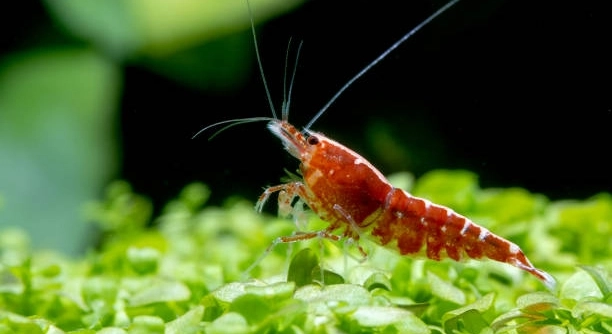
Are you thinking about keeping cherry shrimp but only have a single type in your tank? Many aquarists enjoy these tiny, colorful creatures for their beauty and low-maintenance nature in home aquariums.
Cherry shrimp can thrive alone without other shrimp. They do not require companionship to survive, and a properly maintained tank with clean water, suitable hiding spots, and a stable environment is sufficient for their health and longevity.
Learning the right tank setup and care practices can make all the difference for your shrimp’s well-being and happiness.
Cherry Shrimp Behavior Alone
Cherry shrimp are surprisingly active even when kept alone. They spend most of their time grazing on algae, biofilm, and leftover food. In a solo setup, they may explore the tank more thoroughly since there are no other shrimp competing for resources. This can make their behavior more noticeable to the owner. They tend to use hiding spots like plants, moss, and small decorations to feel secure. Watching a single shrimp can be calming because their movements are deliberate and gentle. You can observe how it eats, climbs, and interacts with its environment without distraction. It is important to maintain clean water and stable conditions, as stress from poor water quality can affect even a single shrimp. Proper feeding is key too; offering a variety of foods will help it stay healthy. Over time, a solitary shrimp can show unique patterns and preferences that may not appear in a group setting.
Keeping just one shrimp can be simple and rewarding, as they do not require companions to thrive.
Even though cherry shrimp are social by nature, a single shrimp can live a full, healthy life with the right care. Observing its feeding and movement patterns can give you insight into its health and personality. It is crucial to provide adequate hiding spots and a well-planted environment so it feels safe. Regular water changes and testing help maintain a balanced environment, preventing stress that can lead to disease. Feeding a varied diet, including algae wafers, blanched vegetables, and occasional protein treats, ensures it gets the nutrients it needs. Temperature and pH stability are also important, as fluctuations can weaken its immune system. By paying attention to these details, even one cherry shrimp can live comfortably, showing vibrant color and active behavior. A tank that supports a single shrimp can also serve as a quiet, low-maintenance addition to your home, offering both visual appeal and a chance to learn about shrimp care.
Tank Setup for Solo Shrimp
A tank for a single cherry shrimp should have plenty of hiding spots, plants, and clean water.
The size of the tank is less important than stability. A 5-gallon tank can be ideal for one shrimp, but the key is maintaining consistent water quality. Using a sponge filter or gentle filtration prevents strong currents that could stress it. Plants like Java moss, Anubias, and floating species give both cover and surfaces for grazing. Substrate choice also matters; fine gravel or sand allows for natural foraging. Lighting should encourage plant growth without overheating the water. Regular water changes of about 10–20 percent weekly help maintain low nitrates and stable chemistry. Avoid overfeeding, as leftover food can deteriorate water quality. Monitoring temperature, pH, and hardness ensures a consistent environment. Adding natural decorations, like driftwood or small rocks, provides texture and hiding spaces. Even with a single shrimp, maintaining these standards keeps the tank lively and healthy, allowing your cherry shrimp to display full coloration and normal behavior over time.
Feeding a Single Cherry Shrimp
Even a single cherry shrimp needs a balanced diet. They eat algae, biofilm, and small pieces of vegetables. Occasional protein-based foods like shrimp pellets help maintain their health.
Providing a variety of foods keeps the shrimp active and colorful. Blanched spinach, zucchini, or cucumber works well. Algae wafers or specialized shrimp pellets offer essential nutrients. Rotating foods prevents boredom and supports proper growth. Avoid overfeeding, as leftover food can pollute the tank and stress the shrimp. Monitoring how much your shrimp consumes ensures it gets enough nutrition without harming water quality. Even alone, a well-fed shrimp can thrive and display natural behaviors, such as grazing and exploring.
Regular feeding helps maintain a healthy environment. Removing uneaten food promptly keeps water clean and prevents harmful ammonia spikes. Feeding at consistent times each day can encourage natural activity. Observing eating habits allows you to notice changes in appetite or health, which may indicate water or diet issues. A single shrimp may develop clear preferences, and understanding these habits makes care simpler and more predictable. Well-fed shrimp show stronger coloration and more energy, making their behaviors easier to observe. Providing variety also supports proper molting and reproductive potential, even in a solitary setup.
Water Quality Essentials
Maintaining clean water is vital for a solo shrimp. Filtration, gentle water flow, and regular changes keep ammonia and nitrates low.
Testing water parameters regularly ensures stability. Cherry shrimp are sensitive to pH, temperature, and hardness fluctuations. A consistent environment reduces stress and supports immune function. Using a sponge filter provides gentle filtration without harming the shrimp. Water changes of 10–20 percent weekly help maintain chemical balance. Avoid harsh chemicals or treatments that could harm a small tank. Dechlorinated water is essential, and monitoring temperature ensures it stays within the safe range of 68–78°F. Even one shrimp is vulnerable to poor water quality, making this aspect crucial for long-term health and activity.
Stable water encourages natural behaviors and prevents disease. A properly maintained tank allows your shrimp to explore, graze, and molt without complications. Checking ammonia, nitrites, and nitrates ensures water remains safe. Providing hiding spots reduces stress during any water fluctuations or tank adjustments. Plants and substrate can help maintain minor chemical balance while also offering surfaces for grazing. Regular observation of your shrimp’s behavior and coloration helps detect early signs of stress. With consistent maintenance, a single cherry shrimp can live healthily for years. Clean water improves color vibrancy, increases activity, and supports reproductive potential, even when kept alone.
Tank Companions
Cherry shrimp can live alone, but some owners add peaceful tank mates. Small snails or shrimp-friendly fish can coexist if the tank is large enough.
Avoid aggressive or fast-moving fish that may stress or harm a single shrimp. Compatibility ensures a calm environment and prevents hiding or reduced activity.
Signs of Stress
A shrimp showing faded color, lethargy, or hiding excessively may be stressed. Water quality, temperature, or sudden changes are often responsible. Observing behavior carefully can help identify problems early and allow corrective action before health declines. Regular checks and stable conditions reduce stress risks and maintain vitality.
Molting Considerations
Molting is natural, and a single shrimp may take longer to recover without others around. Ensure enough calcium in food and water to support healthy exoskeleton growth.
FAQ
Can cherry shrimp live completely alone?
Yes, cherry shrimp can live alone and remain healthy. They do not require companionship to eat, molt, or explore. A single shrimp will still display natural behaviors like grazing on algae, climbing plants, and seeking shelter. The key is maintaining a clean, stable environment with proper hiding spots and food.
Will a single shrimp get lonely?
Shrimp do not experience loneliness like humans. Their social behavior mainly revolves around feeding and breeding. A single shrimp may not interact with others, but it will still thrive and remain active if the tank conditions are suitable and food is consistently provided.
How often should I feed one cherry shrimp?
Feeding a single shrimp once daily is usually enough. Small portions of shrimp pellets, blanched vegetables, or algae wafers are ideal. Avoid overfeeding, as leftover food can pollute the tank and increase ammonia levels, which can stress or harm your shrimp.
Do they need hiding spots if they are alone?
Yes, even a single shrimp benefits from hiding spots. Plants, moss, rocks, and driftwood provide security and encourage natural behavior. Hiding places also help during molting when shrimp are most vulnerable. Without cover, stress and vulnerability to water fluctuations increase.
Can a single shrimp breed?
A solitary shrimp cannot breed because reproduction requires at least one male and one female. However, a healthy solo shrimp will grow normally and display typical activity. Introducing compatible shrimp later can allow breeding, but it is unnecessary for survival.
What water conditions are best for one shrimp?
Maintaining stable water parameters is crucial. pH should range from 6.5 to 8.0, temperature between 68–78°F, and ammonia and nitrites at zero. Nitrates should remain low. Regular water testing and partial changes ensure a healthy environment and prevent stress or illness.
Do they need a large tank alone?
A small tank of 5 gallons is sufficient for a single shrimp, as long as water quality is stable. Larger tanks are optional but not required. The focus should be on filtration, gentle water flow, and proper feeding rather than tank size alone.
How do I know if my shrimp is stressed?
Signs of stress include faded color, lethargy, hiding more than usual, or irregular molting. Stress often results from poor water quality, temperature swings, or sudden environmental changes. Observing behavior daily helps catch issues early and allows quick corrective measures.
Is feeding variety important for a single shrimp?
Yes, variety ensures proper nutrition. A mix of algae, vegetables, and occasional protein pellets supports growth, molting, and coloration. Offering the same food repeatedly may reduce interest and lead to nutritional gaps. Rotating foods encourages natural grazing behavior and overall health.
Can a single shrimp survive long-term?
With proper care, a single cherry shrimp can live several years alone. Stable water conditions, sufficient hiding spots, and a balanced diet support longevity. Observing behavior and maintaining regular maintenance routines are key to ensuring a happy, healthy shrimp over time.
What should I avoid when keeping one shrimp?
Avoid overcrowding, aggressive fish, overfeeding, sudden water changes, and chemical additives. Even though it is alone, poor tank maintenance or harmful substances can quickly stress or kill the shrimp. Consistency and careful observation are more important than having companions.
Do they interact with other tank inhabitants?
Yes, a solitary shrimp can still interact with snails or peaceful fish if present. These interactions are mostly incidental and not social in the human sense. They may graze near other creatures but generally avoid confrontation and maintain their own space.
Can I use tap water for one shrimp?
Tap water is safe if treated properly. Dechlorinate or use a water conditioner to remove harmful chemicals. Regular testing ensures pH, hardness, and temperature remain stable. Safe water is more critical than tank size or companionship for a single shrimp’s survival.
How often should I check water for one shrimp?
Testing water at least once a week is recommended. Monitor ammonia, nitrites, nitrates, pH, and temperature. Even a single shrimp is sensitive to changes, and consistent checks prevent stress, disease, and potential mortality. Early detection allows timely adjustments.
Will a single shrimp show bright colors?
Yes, a well-fed, healthy shrimp in stable water will display vibrant colors even alone. Proper nutrition, minimal stress, and clean water contribute to coloration. Observing a single shrimp often allows a better view of its natural beauty compared to a group.
Is a heater necessary for one shrimp?
A heater is recommended if your room temperature fluctuates below 68°F. Consistent temperature supports metabolism, molting, and overall health. In stable, warm environments, a heater may not be essential, but monitoring temperature is always important.
Can a single shrimp clean a tank alone?
While a single shrimp will graze on algae and detritus, it cannot fully maintain a clean tank. Regular maintenance, water changes, and occasional algae control are still necessary to prevent waste buildup and keep the environment healthy.
Do they need supplements if alone?
Supplements like calcium for molting can be helpful. Even a single shrimp benefits from occasional mineral additions to support exoskeleton strength. A balanced diet often provides most nutrients, but monitoring molting success helps determine if supplements are needed.
How do I encourage activity in a solo shrimp?
Providing plants, moss, hiding spots, and varied food encourages natural behavior. Observing how it explores and grazes gives insight into its health. Activity increases when water is stable, and the environment is enriched, even without other shrimp present.
Is a single shrimp suitable for beginners?
Yes, cherry shrimp are low-maintenance and adaptable, making them ideal for beginners. Even one shrimp can thrive with attention to water quality, diet, and habitat. Observing a solitary shrimp can also help new keepers learn care fundamentals before expanding a tank.
What are common mistakes with one shrimp?
Common mistakes include overfeeding, skipping water changes, adding aggressive tank mates, and ignoring water parameters. Even a single shrimp is sensitive, and these errors can quickly cause stress, illness, or death. Careful observation and routine maintenance prevent these issues.
Can I add more shrimp later?
Yes, additional shrimp can be introduced later if the tank is stable. Quarantine new shrimp if possible to prevent disease. A small group may enhance activity and breeding potential, but it is not required for a single shrimp to thrive.
Do they need light if alone?
Light is important for plant growth and natural day-night cycles but is not strictly necessary for survival. A moderate light schedule supports algae growth for grazing and helps maintain a healthy environment without stressing the shrimp.
Are they compatible with other small invertebrates?
Yes, they can coexist with snails, small freshwater clams, and peaceful invertebrates. Avoid predators that may harm or stress them. Compatibility depends on tank size, hiding spots, and the behavior of other inhabitants.
How can I tell if a shrimp is healthy alone?
A healthy shrimp will have bright colors, move actively, graze regularly, and molt successfully. Lack of these signs, faded color, or lethargy may indicate water issues, stress, or illness. Observing patterns over time provides a clear picture of its condition.
Do they need a filter in a small solo tank?
Yes, a gentle sponge filter is recommended. It keeps water clean without producing strong currents that can stress a single shrimp. Filtration supports water quality, oxygenation, and overall health. Even one shrimp benefits from a stable, filtered environment.
How long do cherry shrimp live alone?
With proper care, a single shrimp can live 1.5 to 3 years. Longevity depends on stable water, good diet, and minimal stress. A well-maintained solo tank can support a shrimp’s full lifespan comfortably and healthily.
Can I breed a single shrimp later?
A solitary shrimp cannot reproduce alone. Introducing a compatible male or female later allows breeding, but reproduction is unnecessary for its health. Focus on maintaining a stable environment, diet, and hiding spots before considering expansion.
Do they need frequent observation if alone?
Yes, even a single shrimp benefits from regular observation. Watching feeding, molting, and activity patterns helps identify issues early. Quick intervention prevents illness and keeps a lone shrimp healthy and active.
Can a single shrimp survive in a bare tank?
Technically, yes, but it is not ideal. Hiding spots and plants reduce stress and encourage natural behaviors. A bare tank may lead to increased stress, hiding, or slower growth. Enrichment supports overall health and longevity.
Are water conditioners necessary for one shrimp?
Yes, dechlorination is essential even in a small solo tank. Tap water often contains chemicals harmful to shrimp. Using a conditioner ensures safety and stability, which is more important than companionship for their survival.
Do they need special lighting alone?
No special lighting is required for the shrimp itself. Moderate light helps plants and algae grow, supporting natural grazing. Avoid strong or prolonged light that could stress the shrimp or encourage excessive algae growth.
How do I prevent disease in one shrimp?
Maintain stable water, feed properly, and avoid introducing sick or aggressive tank mates. Regular water changes, monitoring parameters, and observing behavior help prevent stress-related disease. A single shrimp can thrive if the environment is consistent and clean.
Can I keep a single shrimp in a community tank later?
Yes, they can be added to peaceful community tanks. Ensure compatibility with other species and provide hiding spaces. Monitor water conditions closely, as community dynamics can affect stress levels for a lone shrimp.
Are cherry shrimp hardy alone?
Yes, they are hardy when water is stable, food is sufficient, and the environment is safe. Even a solitary shrimp can live healthily for years with proper care and attention.
How do I support molting alone?
Provide sufficient calcium and a stress-free environment. Hideouts allow safe molting, and regular feeding ensures proper nutrients. Observing the shrimp during this period helps prevent complications and supports healthy exoskeleton development.
Do they need live plants if alone?
Live plants are not strictly required but improve water quality, offer grazing surfaces, and provide shelter. A planted environment supports natural behaviors and reduces stress, benefiting a single shrimp’s overall health.
Is it okay if my shrimp doesn’t move much alone?
Occasional rest is normal, but prolonged inactivity may indicate stress, poor water quality, or illness. Regular observation helps detect issues. Minor movement throughout the day is expected even for a solitary shrimp.
Do I need to cycle the tank for one shrimp?
Yes, a cycled tank ensures beneficial bacteria are established, keeping ammonia and nitrite at safe levels. Even one shrimp is sensitive to uncycled water, making this step essential for survival.
Can I keep one shrimp with other small invertebrates?
Yes, peaceful snails, small shrimp-friendly crabs, or clams are compatible. Avoid aggressive species that may harm or stress the shrimp. Compatibility relies on careful selection of tank inhabitants and environmental stability.
How much attention does a single shrimp need?
A single shrimp needs daily feeding, weekly water checks, and occasional observation. While low-maintenance, consistent care ensures health, activity, and proper molting, supporting a long and vibrant life.
What is the most important factor for a solo shrimp?
Stable water quality is the most important factor. Proper filtration, temperature, pH, and cleanliness have a larger impact on health than companionship or tank size. Consistency supports longevity, activity, and overall well-being.
Can I add decor after getting one shrimp?
Yes, adding plants or hiding spots is fine if done slowly. Introduce items gradually to prevent sudden water changes or stress. Decor enhances safety, grazing surfaces, and activity without harming a single shrimp.
Do they need monitoring during molting if alone?
Yes, molting is critical and stressful. Observing a solitary shrimp ensures it molts safely. Provide hiding spots and avoid disturbances during this time. Proper nutrition and calcium support healthy exoskeleton formation.
Are cherry shrimp quiet if alone?
Yes, they make no noise. Their small size and calm behavior make them peaceful inhabitants even when alone. Observation is purely visual, and their activity is gentle and unobtrusive.
How do I maintain a solo shrimp tank long-term?
Feed appropriately, monitor water, maintain hiding spots, and provide gentle filtration. Regular observation and water changes keep a single shrimp healthy and active. Consistency ensures longevity and proper behavior over years of care.
Do they benefit from water additives alone?
Calcium and trace minerals help molting and growth, even for a single shrimp. These additives complement a balanced diet and stable water, supporting overall health without requiring tank mates.
Can a single shrimp thrive in a nano tank?
Yes, a well-maintained nano tank is sufficient. Stability, filtration, hiding spots, and proper feeding are more important than tank size for a solitary shrimp. A small tank can still support active, healthy behavior.
Will a single shrimp eat dead shrimp?
Yes, cherry shrimp may scavenge on dead shrimp. It provides nutrition, but remove any decaying matter promptly to avoid water quality issues. Observation ensures the tank remains safe and clean.
Is breeding stress-free for a single shrimp added to others later?
Introducing compatible shrimp later allows breeding, but a single shrimp alone will not breed. Gradual introduction and stable water reduce stress when adding new shrimp to the tank.
Do they need high oxygen levels alone?
Moderate oxygenation is sufficient. A sponge filter or gentle aeration ensures survival. High oxygen is not required, but stagnant water should be avoided to prevent stress or disease.
How do I handle tank cleaning with one shrimp?
Remove debris carefully, maintain water parameters, and avoid disturbing the shrimp excessively. A gentle cleaning routine prevents stress while keeping the tank safe and healthy for a single inhabitant.
Is a single cherry shrimp ideal for observation?
Yes, keeping one shrimp allows close observation of behavior, feeding, and molting patterns. It provides insight into shrimp care and makes noticing changes in health or activity easier than in a group.
Do they react to human presence alone?
Yes, a single shrimp may become aware of movement or shadows. It may pause, hide, or explore more slowly. They are not social with humans but are sensitive to environmental changes.
Can I use medications in a solo shrimp tank?
Yes, but use caution. Only shrimp-safe treatments are appropriate. Even one shrimp is sensitive, and incorrect dosing can be fatal. Always follow instructions carefully and avoid unnecessary chemicals.
Do they benefit from live algae alone?
Yes, live algae provides natural grazing and nutrients. It supports health, activity, and coloration, even without other shrimp. Algae growth also contributes to a balanced micro-ecosystem in the tank.
Can I keep a single shrimp in a cold room?
Temperature should remain within 68–78°F. Colder rooms require a heater to maintain stability. Low temperatures slow metabolism, affect molting, and can reduce lifespan if not managed properly.
Is a single shrimp suitable for small tanks in apartments?
Yes, their small size and low maintenance make them ideal. A well-maintained small tank supports a healthy, active shrimp without taking much space, noise, or time.
Do they need water circulation if alone?
Yes, gentle circulation supports oxygenation and prevents stagnation. A sponge filter or gentle flow ensures a healthy environment without stressing the shrimp.
Can a single shrimp live with plants only?
Yes, a fully planted tank provides grazing surfaces, hiding spots, and natural filtration. Plants support natural behavior, water quality, and overall well-being without needing other shrimp present.
Do they react to tank vibrations alone?
Yes, they are sensitive to sudden vibrations or strong currents. Even a single shrimp may hide or become less active. Gentle handling and stable placement prevent stress.
Will a single shrimp show normal molting patterns?
Yes, with proper diet, calcium, and hiding spots, a solitary shrimp molts normally. Observing molting gives insight into health and proper care practices.
Do they need frequent feeding if alone?
Once daily feeding is sufficient. Small, varied portions maintain health without polluting water. Observation ensures the shrimp consumes enough food while keeping the tank clean.
Can I use a heater with a nano tank for one shrimp?
Yes, a small heater maintains temperature stability, which is more critical than tank size. Consistent warmth supports metabolism, molting, and overall activity.
Are cherry shrimp sensitive to sudden changes alone?
Yes, abrupt changes in water, temperature, or light cause stress. Even one shrimp benefits from gradual adjustments to avoid health issues or mortality.
Do they need monitoring for algae growth?
Yes, algae provides food but should not overgrow. Regular control ensures clean water and prevents hiding spots from being obscured, supporting natural behavior and a healthy tank environment.
Can a single shrimp live without live plants?
Yes, but plants improve water quality, provide grazing surfaces, and create hiding spots. A planted environment enhances health and behavior even for one shrimp.
How much space does a single shrimp need?
A 5-gallon tank is sufficient if water is stable. The focus should be on filtration, hiding spots, and food availability rather than tank size alone.
Do they need water additives for molting?
Calcium and trace minerals support exoskeleton formation. Even one shrimp benefits from occasional supplementation alongside a balanced diet to ensure proper molting and growth.
Will a single shrimp thrive in filtered tap water?
Yes, if dechlorinated and conditioned. Maintaining stable parameters ensures the shrimp’s health. Even a single shrimp relies more on water quality than tank size or companions for survival.
Are cherry shrimp low-maintenance alone?
Yes, they require minimal care, but consistent feeding, water checks, and hiding spots are necessary. With proper attention, even one shrimp can live a long, healthy, and active life.
Do they need observation for reproduction later?
Observation is helpful when adding mates later to monitor compatibility and breeding. Alone, reproduction does not occur, but a healthy shrimp will be ready if companions are introduced.
Can I change the tank setup for one shrimp?
Yes, but do it gradually. Sudden changes can stress the shrimp. Adding plants, decorations, or altering substrate should be done slowly while monitoring behavior.
Do they need special care during temperature swings alone?
Yes, sudden temperature changes stress even a single shrimp. Maintaining stable warmth ensures normal metabolism, feeding, and molting, preventing health problems.
Can I keep a single shrimp in a community tank later?
Yes, with peaceful tank mates. Introduce slowly, provide hiding spots, and maintain stable water parameters. Careful observation reduces stress and ensures compatibility.
Do they require extra oxygen in a small tank?
Moderate oxygenation is enough. Gentle filtration or slight water movement provides sufficient oxygen without stressing a single shrimp.
**Is it okay if
Cherry shrimp can do very well alone. They do not need other shrimp to be healthy or active. A single shrimp will still graze on algae, explore its tank, and molt normally as long as it has a stable environment. Watching one shrimp can even be easier than watching a group because its behavior is clear and predictable. It will use hiding spots, climb plants, and find food naturally. Feeding it a balanced diet of vegetables, algae wafers, and occasional protein treats helps maintain its health and coloration. Over time, you may notice small habits or preferences unique to your shrimp, such as favorite hiding spots or preferred foods. Even without companions, the shrimp can live a full and active life if its tank is kept clean and stable.
Maintaining water quality is the most important part of keeping a single shrimp. Regular water changes, testing for ammonia, nitrites, and nitrates, and ensuring stable pH and temperature are all essential. Even a small tank requires consistent attention, and neglect can quickly stress the shrimp. Providing gentle filtration, like a sponge filter, helps keep water clean without creating strong currents that could disturb it. Hiding spots, live plants, and soft substrate improve both the shrimp’s comfort and its natural behavior. These elements also reduce stress during molting, which is a vulnerable time for any shrimp. By focusing on water stability, feeding, and shelter, you can ensure a single shrimp stays healthy for years. A small tank with careful attention is often enough for a solitary shrimp to thrive.
A single cherry shrimp can also offer a rewarding experience for those learning shrimp care. You can closely observe its eating habits, movements, and molting patterns. It is easier to notice changes in behavior or coloration with just one shrimp, which can help prevent problems before they become serious. While cherry shrimp are social in nature, they do not depend on companions for survival. Providing the right conditions—stable water, a balanced diet, adequate hiding spots, and gentle care—ensures the shrimp remains active and healthy. Watching a single shrimp interact with its environment can be relaxing and educational. Overall, keeping one cherry shrimp is manageable and fulfilling, and with proper care, it can live a long, vibrant life, showing natural behaviors and bright coloration without the need for other shrimp nearby.

Hello,
If you enjoy the content that we create, please consider saying a "Thank You!" by leaving a tip.
Every little bit helps us continue crafting quality advice that supports the health, happiness, and well-being of pets around the world, for pets of all shapes, sizes, and species.
We really appreciate the kindness and support that you show us!