
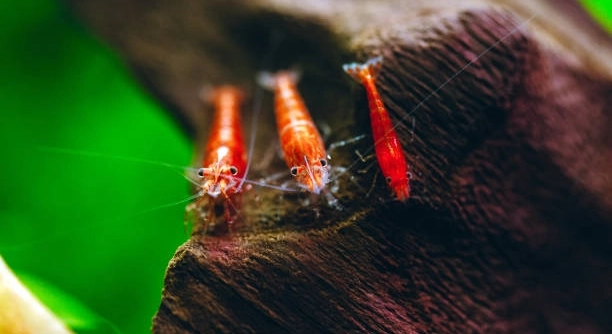
Cherry shrimp are gentle and tiny creatures that prefer calm, safe environments in their tanks. Many hobbyists notice that these shrimp sometimes avoid certain areas, especially around equipment like sponge filters. Observing their behavior can reveal small but important details.
Cherry shrimp may avoid sponge filters due to strong water currents, insufficient hiding spots, or sudden changes in flow. These factors create stress, making the shrimp feel unsafe. Adjusting placement and flow can encourage more natural exploration and comfort.
Knowing why shrimp behave this way can improve their habitat and overall well-being. Small adjustments in tank setup often lead to noticeable changes in their activity and comfort.
Why Strong Currents Affect Cherry Shrimp
Strong water currents around a sponge filter can make cherry shrimp feel exposed and stressed. These shrimp are naturally small and delicate, so they avoid areas where they must fight against fast water flow. Even if the current seems gentle to larger fish, shrimp can perceive it as too forceful. Over time, constant exposure to strong flow can reduce feeding activity and make them hide more often. Many aquariums place sponge filters too close to open areas, which limits the shrimp’s options for safe movement. Adding plants, moss, or other obstacles can create calmer zones where shrimp feel secure. These sheltered spaces allow them to feed, molt, and explore without fear. Observing their behavior daily helps you notice if the filter’s flow is too aggressive. Adjusting the sponge filter’s output gradually is often enough to encourage shrimp to use more of the tank.
Cherry shrimp avoid strong currents because it increases stress and reduces comfort. Lowering flow or providing shelter allows them to move freely.
Flow adjustments are simple but effective. Redirecting the water with decorations, sponge covers, or repositioning the filter reduces direct force. Creating multiple low-current zones encourages shrimp to explore and feed more evenly across the tank. It also prevents clustering in only one area, which can cause competition for food and hiding spaces. Observing shrimp movement helps identify where currents are still too strong. Small changes in placement or flow speed can drastically improve shrimp comfort. Over weeks, shrimp gradually expand their activity into previously avoided areas. These improvements enhance not just behavior but also molting success and overall health. Even a slight increase in hiding spots or a minor reduction in flow can make a noticeable difference.
Lack of Hiding Spots
Cherry shrimp feel exposed if the sponge filter area has few hiding spots. A bare section of tank can seem unsafe.
Providing plants, moss, or small decorations around the sponge filter encourages shrimp to explore. Covering the filter with soft material reduces visible water turbulence.
Hiding spots are essential for shrimp during molting and rest periods. When they shed their exoskeleton, they are highly vulnerable to injury or stress, making nearby shelter critical. Shrimp also prefer to graze under cover, where they feel protected while feeding on biofilm or algae. Without enough cover near a sponge filter, shrimp will avoid that area, reducing the tank’s overall activity balance. Even minimal additions, like small clumps of moss or a few ceramic tubes, can transform a previously empty section into a safe retreat. Observing shrimp use of new shelters can confirm improvements. Gradual rearrangement of plants or decorations near the filter often leads to better exploration. Over time, a well-structured area allows shrimp to feel confident moving around while maintaining access to clean water from the filter.
Sudden Changes in Water Flow
Sudden increases in sponge filter output can startle cherry shrimp. They prefer steady, predictable currents and may hide or avoid areas when flow changes abruptly.
Frequent adjustments to water flow can create stress for shrimp. Even slight increases in the filter’s speed or repositioning can make shrimp feel unsafe. When water movement shifts suddenly, shrimp retreat to corners or dense plant areas. Over time, they may completely avoid the filter zone if changes happen often. Monitoring flow and keeping it consistent allows shrimp to move freely without fear. Gentle, gradual adjustments are less disruptive, giving shrimp time to acclimate to any new conditions in their tank.
Gradual adaptation helps shrimp feel secure near the filter. Adding low-flow areas or redirecting current with decorations reduces the impact of sudden flow changes. Observing shrimp behavior after adjustments ensures they are comfortable. If they continue to avoid the area, it may be necessary to further reduce flow or add more shelters. Careful attention and small, incremental changes make a significant difference in their willingness to explore and feed near the sponge filter.
Filter Placement and Tank Layout
Placing a sponge filter in open areas without cover makes shrimp hesitant. They need nearby shelter to feel safe.
Cherry shrimp rely on tank layout for security. A filter in the middle of an open section exposes them to perceived threats, discouraging movement near it. Introducing plants, moss, or small caves around the filter helps shrimp navigate safely. Even small decorations can break the line of sight and reduce stress. Shrimp naturally seek cover when feeding, so proper filter placement supports both comfort and feeding habits. Rearranging the tank to create safe zones encourages more interaction with the filter’s filtered water.
Proper positioning improves water circulation without causing anxiety. Shrimp benefit from alternating areas of open water and dense cover. A balanced layout ensures they have both safe feeding spaces and access to clean water. Using live plants or moss around the sponge filter creates natural hiding spots, allowing shrimp to graze while staying protected. Over time, shrimp begin to explore areas they initially avoided, increasing their activity throughout the tank. Strategic placement of decorations and flow adjustments can transform a stressful section into a comfortable environment where shrimp feel secure and able to thrive near the filter.
Water Quality Around the Filter
Cherry shrimp may avoid areas where water quality fluctuates. Even minor changes in parameters like ammonia, nitrites, or pH can make them feel unsafe.
Regular monitoring of water quality is essential. Sponge filters help maintain cleanliness, but uneven circulation can create zones with less stable water.
Temperature Fluctuations
Shrimp are sensitive to sudden temperature changes near the sponge filter. Water that is cooler or warmer than the rest of the tank can cause avoidance.
Maintaining a stable temperature throughout the tank helps shrimp feel secure. Using heaters or insulating the tank can prevent fluctuations. Observing shrimp behavior in different areas ensures the environment stays comfortable and stress-free.
Noise and Vibrations
Vibrations from the sponge filter can disturb cherry shrimp. They may avoid areas where bubbles or filter movements are noticeable.
Minimizing noise and securing equipment reduces stress. Softening vibrations with sponge covers or repositioning can encourage shrimp to explore safely.
FAQ
Why do my cherry shrimp avoid the sponge filter entirely?
Shrimp often avoid sponge filters because of strong currents, lack of shelter, or sudden changes in flow. They are small and delicate, so even minor disturbances can make an area feel unsafe. Adding plants, moss, or small hiding spaces near the filter often encourages them to explore. Gradual adjustments to the filter’s flow also help shrimp feel more comfortable. Observing their behavior over several days can show whether changes are effective, as shrimp slowly expand their activity into previously avoided areas.
Can the sponge filter harm cherry shrimp physically?
A sponge filter is generally safe, but small shrimp can get trapped in strong suction or get knocked by bubbles if flow is high. Using a sponge with finer pores or covering the intake with extra mesh can prevent accidents. Ensuring the filter is properly positioned and the flow is gentle keeps shrimp safe while maintaining water cleanliness. Regular inspection of the filter helps identify areas where shrimp could get stuck or stressed.
Do hiding spots really make a difference near the filter?
Yes. Hiding spots give shrimp security during molting, feeding, or rest. They naturally seek cover to avoid perceived threats. Without these, they will avoid open areas entirely. Even small decorations or moss clumps provide essential protection and encourage natural exploration. Placement should allow easy access to the filtered water while keeping shrimp sheltered. Over time, well-structured hiding areas lead to more even tank activity and healthier shrimp.
How does water flow affect shrimp behavior?
Cherry shrimp prefer steady, gentle water currents. Rapid or uneven flow can stress them, causing avoidance of the filter zone. Gradual adjustments and creating low-flow areas with decorations or plants helps them acclimate. Monitoring shrimp movement shows whether they are comfortable or need further flow modification.
Will temperature changes near the filter cause avoidance?
Shrimp are sensitive to even small temperature fluctuations. Water near the filter may differ slightly from the rest of the tank due to bubbles or circulation patterns. Consistent temperature across the tank reduces stress and encourages shrimp to explore the filter area. Heaters, insulation, and careful observation help maintain uniform conditions.
Does noise or vibration from the filter disturb shrimp?
Yes. Continuous vibration or loud bubble sounds can make shrimp avoid nearby areas. Softening vibrations with sponge covers or adjusting placement reduces stress. Observing shrimp behavior after these adjustments can confirm whether they are more comfortable.
How can I encourage shrimp to explore around the sponge filter?
Provide gradual flow adjustments, introduce hiding spots, and maintain stable water quality and temperature. Avoid sudden changes that may stress shrimp. Over time, these changes allow shrimp to venture into previously avoided areas while still feeling secure. Regular observation is key to ensure comfort and safety.
Can water quality issues near the filter cause shrimp to avoid it?
Yes. Even with a sponge filter, stagnant zones or uneven circulation can lead to small shifts in ammonia, nitrites, or pH. Maintaining regular water testing and careful flow management prevents shrimp from avoiding certain areas.
Is it normal for some shrimp to avoid the filter while others explore it?
Yes. Individual shrimp have different tolerance levels for flow, light, or perceived risk. Some may be braver or more curious, while others remain cautious. Ensuring shelter and gentle flow helps all shrimp gradually expand their activity zones.
How long does it take for shrimp to feel comfortable near the sponge filter?
Adjustment time varies by shrimp and tank setup. With consistent hiding spots, steady flow, and stable water conditions, most shrimp begin exploring in a few days to weeks. Gradual improvements in the environment lead to lasting comfort and healthier behavior patterns.
Are there alternatives to sponge filters that shrimp tolerate better?
Some hobbyists use gentle hang-on-back filters or air-driven filters with low flow. The key is maintaining filtration while minimizing stress from currents or vibrations. Regardless of filter type, providing shelter and monitoring shrimp behavior remains essential.
Can overcrowding influence avoidance behavior?
Yes. Too many shrimp or tank mates increase competition for food and hiding spaces. Overcrowding near a filter makes shrimp more likely to avoid it. Maintaining a balanced population allows each shrimp access to safe zones and reduces stress, encouraging exploration and natural activity.
Does lighting affect shrimp near the filter?
Bright or direct lighting can make shrimp feel exposed. Shaded areas or plants around the filter help them feel secure. Proper lighting supports algae growth for grazing while providing cover, making the filter zone more attractive to shrimp.
Are shrimp more likely to avoid a new sponge filter?
Yes. Shrimp take time to acclimate to new equipment. Sudden placement or strong initial flow may lead to temporary avoidance. Gradual introduction, careful flow adjustment, and nearby hiding spots encourage early exploration and reduce stress.
How do I know if shrimp avoidance is due to stress or illness?
Shrimp avoiding the filter while remaining active elsewhere usually indicate stress from flow, layout, or exposure. Signs of illness include lethargy, discoloration, or unusual swimming patterns. Observing overall behavior and maintaining water quality helps distinguish between environmental stress and health issues.
Can adding moss or plants near the filter improve water quality and shrimp comfort?
Yes. Moss and plants not only provide hiding spots but also help stabilize water quality by reducing nitrates and providing biofilm for grazing. Strategically placing them near the filter ensures shrimp can access clean water while feeling secure, encouraging natural activity patterns.
Is it necessary to cover the sponge filter intake?
Covering the intake with fine mesh or sponge extensions reduces risk of small shrimp getting trapped or stressed. It also softens water flow and bubbles, creating a safer environment while maintaining filtration efficiency.
How often should I check shrimp behavior near the filter?
Daily observation is ideal. Noticing changes in hiding, feeding, or movement helps identify stress factors early. Prompt adjustments to flow, shelter, or tank layout prevent long-term avoidance and support healthy shrimp activity.
Do all shrimp react the same way to sponge filters?
Individual reactions vary. Some shrimp are bolder and explore quickly, while others are cautious. Providing multiple low-stress zones ensures all shrimp can access clean water and safe spaces, reducing avoidance behavior across the group.
Can slow, gentle water currents encourage shrimp activity near the filter?
Yes. Shrimp prefer calm, predictable flow. Creating low-flow areas near the sponge filter encourages feeding and exploration, while high-flow areas remain mostly for water circulation. Gradual adjustments support shrimp confidence and comfort over time.
Does the size of the sponge filter matter for shrimp behavior?
Yes. Large filters with strong suction or high output can overwhelm small shrimp. Selecting appropriately sized equipment and adjusting flow to match shrimp needs prevents avoidance and stress, creating a healthier tank environment.
How can I balance filtration and shrimp comfort?
Use gentle flow, add shelter, and maintain consistent water quality. Properly sized filters, thoughtful placement, and low-stress zones allow efficient filtration without compromising shrimp safety. Regular observation ensures shrimp remain comfortable while benefiting from clean water.
What small adjustments have the biggest impact on shrimp near the filter?
Adding moss or plants, covering intakes, adjusting flow gradually, and stabilizing temperature all make significant differences. These simple measures reduce stress, encourage exploration, and improve overall shrimp well-being without major tank overhauls.
Are there long-term benefits to making the sponge filter shrimp-friendly?
Yes. Shrimp feel secure, feed consistently, and molt successfully. A calm environment reduces stress-related health issues and promotes natural behavior. Investing time in gradual adjustments ensures the tank remains both clean and a safe habitat for shrimp to thrive.
Final Thoughts
Cherry shrimp are small, delicate creatures that need calm and secure environments to thrive. A sponge filter, while essential for maintaining water quality, can sometimes create conditions that shrimp find uncomfortable. Strong currents, lack of hiding spots, temperature fluctuations, and vibrations all play a role in whether shrimp feel safe near the filter. Observing their behavior is key to understanding how they respond to their surroundings. Shrimp often avoid areas that seem exposed or too turbulent, and their movements can give clear signs of stress. Over time, even minor adjustments to the tank setup can encourage them to explore more freely. By paying attention to their needs, shrimp keepers can create a space that balances clean water with comfort.
Providing hiding spots around the sponge filter is one of the simplest ways to make shrimp feel secure. Plants, moss, and small decorations give them areas to rest, molt, and feed without feeling exposed. These sheltered spaces allow them to interact with the filter without stress. Adjusting the water flow to create gentle currents near the filter further improves comfort. Gradual changes are important, as sudden alterations can startle shrimp and make them retreat. Even small steps, such as slightly repositioning the filter or adding a single moss ball, can make a noticeable difference in their behavior. Over time, shrimp become more confident, and you may notice increased activity throughout the tank. Careful observation ensures that these changes are effective and that the shrimp are using the new areas safely.
Maintaining stable water conditions is equally important for shrimp comfort. Temperature consistency, proper filtration, and clean water all contribute to a healthy environment. Sponge filters are effective for maintaining water quality, but their benefits are fully realized only when shrimp feel secure using the filtered areas. Noise and vibrations should also be minimized, as shrimp are sensitive to these disturbances. A well-planned tank setup that combines gentle water flow, sufficient hiding spots, and stable water conditions allows shrimp to explore naturally. Regular observation and incremental improvements help maintain this balance. Ultimately, the goal is to create an environment where cherry shrimp can feed, molt, and move freely without stress, ensuring their long-term health and well-being.

Hello,
If you enjoy the content that we create, please consider saying a "Thank You!" by leaving a tip.
Every little bit helps us continue crafting quality advice that supports the health, happiness, and well-being of pets around the world, for pets of all shapes, sizes, and species.
We really appreciate the kindness and support that you show us!