
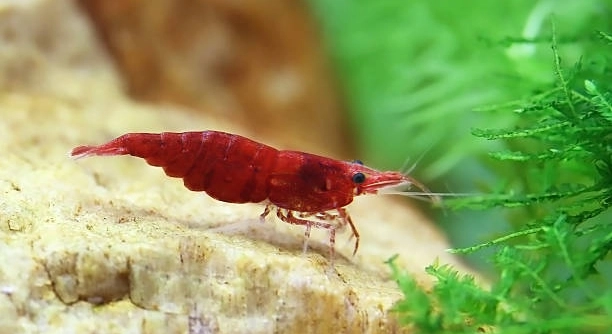
Do your aquariums sometimes feature lively cherry shrimp scuttling around, capturing your attention with their bright colors and playful movements? These tiny creatures add charm and personality to freshwater tanks effortlessly. Observing their behavior can be quite engaging.
Cherry shrimp do taste the water before eating. They use sensory hairs on their legs and antennae to detect chemical cues, assess the environment, and determine the suitability of food before ingestion. This behavior ensures safe and appropriate feeding.
Understanding this behavior helps aquarists provide better care and maintain a healthy tank environment. Observing their feeding habits reveals more about their natural instincts.
How Cherry Shrimp Sense Their Environment
Cherry shrimp rely heavily on their sensory organs to interact with their surroundings. They use antennae and tiny hairs on their legs to detect chemicals in the water, allowing them to identify food sources and potential threats. Before consuming any item, they often tap and taste the water, ensuring it is safe and suitable for ingestion. This method helps prevent consuming harmful substances and allows them to distinguish between different types of algae, plant matter, and other small particles in the tank. Observing their feeding patterns reveals how deliberate they are, pausing to test water quality before fully committing to a meal. Their cautious approach is a survival tactic, especially in crowded or unfamiliar tanks. Maintaining clean water and consistent conditions supports this natural behavior, reducing stress and encouraging healthy feeding habits. Proper tank maintenance enhances their ability to explore and interact naturally.
Cherry shrimp tasting water before eating shows their careful approach to feeding. It helps them avoid hazards and select appropriate food.
In addition to tasting water, cherry shrimp are highly responsive to environmental changes. Slight shifts in temperature, pH, or water hardness can affect their activity levels and feeding behavior. They also rely on visual cues to locate food, using movement and contrast to identify edible particles. Providing varied and suitable foods, such as algae wafers or blanched vegetables, encourages natural foraging behaviors. Observing these interactions can be fascinating, as shrimp methodically test each item before consuming it. Overfeeding or sudden changes in diet can disrupt these behaviors, causing stress or reduced activity. By understanding how shrimp interact with their environment, aquarists can create a more balanced and supportive tank. Regular water testing, consistent feeding schedules, and careful observation allow shrimp to thrive and display their natural behaviors with confidence.
Feeding Techniques and Tips
Feeding cherry shrimp requires patience and observation. They respond best to small, frequent portions that match their natural grazing habits.
To maintain their health, offer a mix of protein and plant-based foods in moderation. Avoid overfeeding, as leftover food can deteriorate water quality, harming shrimp and other tank inhabitants. Observing their tasting behavior helps determine how much and how often they should be fed. Introducing new foods gradually allows shrimp to adapt without stress. Providing hiding spaces and live plants encourages natural foraging and reduces competition for food. Over time, shrimp develop recognizable patterns in how they explore and test their environment before eating. Understanding these patterns helps aquarists adjust feeding schedules, ensure nutritional balance, and maintain overall tank health. A well-maintained tank with clean water and appropriate food promotes active shrimp that display their full range of natural behaviors. Proper care also enhances their colors and activity, making the tank more lively and visually appealing.
The Role of Antennae in Feeding
Cherry shrimp use their antennae to explore objects and detect chemicals in the water. This sensory input helps them decide if something is edible. Antennae movements are precise and deliberate, allowing shrimp to gather detailed information about their surroundings before committing to a bite.
Antennae are equipped with tiny sensory hairs that detect minute changes in water chemistry. When approaching food, shrimp extend their antennae and wave them over surfaces, sensing whether the item is safe or appealing. This method prevents accidental ingestion of harmful particles. The behavior also aids in identifying algae, biofilm, or plant debris suitable for consumption. Observing shrimp, you can notice them pausing repeatedly, tasting the water with their antennae before picking up food, showing how important this sense is in their daily activity.
Beyond tasting water, antennae help shrimp communicate subtly with tank mates. They use gentle touches to signal interest or establish boundaries, reducing conflicts while feeding. Combined with their other senses, antennae allow shrimp to navigate complex tank environments safely. Regularly observing these interactions provides insight into how shrimp manage both feeding and social behavior, revealing their adaptability and intelligence in a confined habitat.
How Shrimp Choose Their Food
Cherry shrimp prefer fresh, natural food sources over processed items. They are selective, often ignoring unfamiliar or unappealing particles until tested.
Shrimp rely on a combination of taste, smell, and touch to decide what to eat. Algae, biofilm, and small plant matter are often their primary targets, while commercial pellets are accepted gradually if introduced carefully. Testing the water first ensures that each item is safe and fits their dietary needs. They move slowly, examining each particle and tasting it multiple times before ingestion, which reduces risk and promotes digestion. This careful selection process is essential in maintaining healthy shrimp, especially in community tanks.
Feeding behavior also depends on shrimp size, age, and health. Younger shrimp explore more actively, while older shrimp may focus on familiar foods. Water conditions, such as pH and temperature, influence appetite and responsiveness to new food. Providing a consistent environment with varied nutrition supports natural feeding behaviors, encourages growth, and reduces stress. Watching shrimp interact with food offers valuable insight into their preferences and well-being, allowing for adjustments that promote both health and activity within the tank.
Water Testing Before Eating
Cherry shrimp rely on tasting water to detect food safety. They briefly sample surrounding water to check for harmful substances or unsuitable items before eating. This behavior helps them avoid ingesting toxins or spoiled material.
This testing process is subtle but consistent. Shrimp move their antennae over food and tap surfaces with their legs to gather chemical information. It ensures they only consume safe particles. Observing this behavior shows how cautious and methodical these tiny creatures are when selecting what to eat.
Interaction with Other Shrimp
When feeding, cherry shrimp often communicate through gentle touches. This contact helps them navigate shared spaces and reduces competition. They use these subtle interactions to maintain order while exploring and tasting available food, which supports peaceful coexistence in crowded tanks.
Impact of Water Quality
Water quality directly influences how shrimp taste and eat food. Poor water conditions can reduce their appetite and slow down feeding activity. Maintaining clean, stable water encourages normal tasting behavior and ensures shrimp remain healthy and active.
FAQ
Do cherry shrimp always taste water before eating?
Cherry shrimp almost always test the water before eating. They rely on their antennae and tiny sensory hairs to detect chemicals and assess the safety of food. This behavior is instinctive, helping them avoid harmful substances and choose appropriate particles for consumption. Even if food looks appealing, they pause to taste surrounding water first, especially in unfamiliar conditions. Observing this process shows how careful and methodical these shrimp are.
How long do they taste the water before eating?
The tasting process is usually brief, lasting only a few seconds per item. Shrimp wave their antennae over the food and tap it lightly with their legs. This allows them to gather enough chemical information to make a decision. While it seems quick, it is enough for them to determine if the food is safe, fresh, and suitable for consumption. In larger tanks or when multiple food sources are present, this tasting may repeat several times.
Do they taste all types of food the same way?
Cherry shrimp use the same method for all foods, including algae, plant matter, and commercial pellets. The process is consistent, though they may spend more time testing unfamiliar or unusual items. Familiar foods, like algae wafers or blanched vegetables, are usually tested more quickly. Their natural instincts ensure they select what meets nutritional needs while avoiding potentially harmful substances. Observing their behavior highlights how shrimp prioritize safety over speed when feeding.
Can poor water quality affect their tasting behavior?
Yes, water quality has a strong influence on tasting behavior. High ammonia, nitrite, or nitrate levels can make shrimp less active, reducing their ability to test and consume food. Unstable pH or temperature changes can also disrupt feeding. Maintaining clean, well-conditioned water ensures shrimp can perform their natural tasting behavior and eat normally. Regular water testing and partial water changes support healthy feeding habits and overall shrimp well-being.
Do shrimp taste water in community tanks differently?
In community tanks, cherry shrimp continue to taste water carefully, even with other tankmates nearby. They use subtle movements and pauses to avoid conflict while assessing food. This behavior helps them navigate shared spaces and reduces competition, allowing multiple shrimp to feed safely. Watching this behavior reveals how adaptable shrimp are in varied tank environments, maintaining caution even when surrounded by other species.
How can I encourage proper tasting behavior?
Providing a consistent environment with stable water parameters supports tasting behavior. Introduce new foods gradually so shrimp can safely test and adapt. Avoid overfeeding, as leftover particles can spoil and reduce their natural caution. Observing how they interact with food and adjusting the feeding routine helps maintain healthy, active shrimp. Using high-quality food that matches their nutritional needs encourages natural tasting without stress.
Do baby shrimp taste water the same way as adults?
Baby cherry shrimp, or shrimplets, also taste water before eating, but their process may be less precise due to smaller size and developing sensory structures. They still rely on antennae and legs to assess food safety. Providing tiny, soft foods helps young shrimp test and consume food successfully, supporting healthy growth and survival. Gradual exposure to varied food types ensures they develop proper feeding instincts.
Does tasting water improve digestion?
Yes, tasting water before eating helps shrimp avoid harmful substances, which indirectly supports digestion. By ensuring food is safe and suitable, they reduce the risk of ingesting toxic or spoiled material that could upset their digestive system. This careful selection process contributes to overall health, allowing shrimp to absorb nutrients effectively. Proper feeding routines combined with clean water enhance their natural tasting and digestive behaviors.
Can shrimp taste water to detect harmful bacteria?
While shrimp cannot identify bacteria in the same way humans understand them, they can sense chemical cues associated with decaying or contaminated particles. This instinct helps them avoid potentially unsafe food and reduces the likelihood of illness. Maintaining good tank hygiene complements their natural ability to detect unsafe items, creating a safer feeding environment.
What should I do if shrimp stop tasting water?
If cherry shrimp stop testing water, it may indicate stress, poor water quality, or illness. Check ammonia, nitrite, nitrate, pH, and temperature levels, and ensure consistent conditions. Reduce sudden changes in diet or tank environment. Healthy shrimp will resume tasting behavior once stressors are minimized, and proper feeding is restored. Observing shrimp regularly helps detect issues early and maintain normal feeding activity.
Do shrimp taste water in the wild differently than in aquariums?
In the wild, tasting behavior is similar but often more critical due to higher risks from predators and contaminated food sources. Shrimp use their senses to carefully evaluate algae, biofilm, and detritus. In aquariums, the behavior remains, though it may appear less cautious due to stable, controlled conditions. Observing both scenarios shows how instinctive and consistent this behavior is across environments.
How does tasting water affect shrimp social behavior?
Tasting water also influences how shrimp interact with tank mates. While feeding, gentle touches and pauses help reduce competition and conflicts. This careful approach allows multiple shrimp to share space and resources efficiently. Social dynamics are influenced by these tasting pauses, promoting cooperation and minimizing stress in crowded tanks.
Can stress stop shrimp from tasting water?
Stress can temporarily suppress tasting behavior. Factors like sudden temperature changes, aggressive tankmates, or poor water conditions may make shrimp cautious or inactive. Restoring stable conditions and providing hiding spots encourages shrimp to resume normal tasting and feeding patterns. Monitoring behavior allows for quick intervention and ensures shrimp remain healthy and active.
Does food size affect their tasting method?
Yes, larger food particles require more testing than smaller ones. Shrimp will wave antennae and tap larger items repeatedly, ensuring they are safe and manageable to consume. Smaller particles are often tested quickly, especially if familiar. Providing food sizes appropriate for shrimp size supports natural tasting and efficient feeding.
Are all shrimp species tasting water the same way?
While cherry shrimp are known for tasting water, many other freshwater shrimp species exhibit similar behavior. The method may vary slightly depending on sensory development, size, and habitat preferences, but most shrimp rely on antennae and leg sensors to assess food safety before eating. Observing this behavior is consistent across species.
Do shrimp taste water for nutrition detection?
Shrimp primarily taste water to assess safety rather than specific nutrient content. However, their chemical detection allows them to identify edible plant matter or algae, which indirectly guides them toward nutrient-rich food. Consistent tasting behavior supports both safe feeding and proper nutrition over time.
How often should I observe tasting behavior?
Regular observation helps ensure shrimp are feeding correctly and safely. Watching their tasting patterns daily or during feeding times provides insights into health, water quality, and overall activity. Noticing changes early allows for quick adjustments in diet or tank maintenance, keeping shrimp active and thriving.
Does aging affect tasting water behavior?
Aging may slow movements slightly but does not eliminate the tasting instinct. Older shrimp may test food more slowly or focus on familiar items, but they maintain the same careful approach to assessing safety before consumption. Providing consistent conditions ensures aging shrimp continue healthy feeding behaviors.
Can tank decorations influence tasting behavior?
Yes, decorations and surfaces can affect how shrimp explore and test food. Smooth surfaces may make tasting faster, while textured surfaces encourage more thorough assessment. Providing a mix of hiding spots and natural surfaces supports natural exploration and tasting patterns, enhancing feeding efficiency.
Is tasting water linked to survival instincts?
Tasting water is a key survival behavior. It prevents ingestion of harmful substances, supports proper nutrition, and helps shrimp navigate social dynamics. This instinct ensures they thrive in both wild and aquarium environments by reducing risks and promoting healthy feeding habits.
Do shrimp taste water when breeding?
During breeding periods, tasting behavior continues, though focus may shift to reproductive activity. Females and males still assess food safety, ensuring they maintain energy and health for successful breeding. Providing consistent, safe, and nutritious food supports both feeding and reproductive needs effectively.
Does lighting affect tasting behavior?
Lighting can influence shrimp activity levels, which indirectly affects tasting behavior. Bright or sudden light changes may cause caution or hide behaviors, while stable lighting encourages normal exploration and tasting. Observing shrimp under consistent lighting provides the most accurate insight into their feeding habits.
How can I tell if tasting behavior is normal?
Normal tasting behavior involves brief pauses, antennae movement, and tapping of food before ingestion. Shrimp should appear deliberate but active. Sudden lack of tasting, lethargy, or skipping food may indicate stress, poor water quality, or illness. Regular observation ensures shrimp maintain natural feeding patterns.
Does group size affect tasting behavior?
Larger groups may slow individual feeding slightly, as shrimp navigate space and avoid conflict. Despite this, tasting remains consistent. Observing interactions helps ensure all shrimp access food safely. Providing multiple feeding points reduces competition and supports natural tasting habits.
Can diet changes disrupt tasting behavior?
Sudden diet changes may make shrimp hesitant or cause extended tasting pauses. Gradual introduction of new foods allows them to test items safely. Consistent monitoring ensures shrimp adapt while maintaining normal tasting and feeding behavior.
Do shrimp taste water when sick?
Sick shrimp may taste less or ignore food entirely. Reduced activity, delayed reactions, or skipping tasting often indicate illness. Addressing water quality, nutrition, and potential pathogens is essential to restore normal behavior and support recovery.
Does tank size impact tasting behavior?
In smaller tanks, tasting may appear more frequent due to limited space and proximity to food. Larger tanks allow for more natural exploration and deliberate tasting. Regardless of size, shrimp maintain cautious assessment of food before eating.
Can tasting behavior indicate water contamination?
If shrimp hesitate or avoid food, it may suggest water issues. Observing changes in tasting patterns can serve as an early warning for poor water quality or chemical imbalances, allowing timely intervention to maintain shrimp health.
Do shrimp taste water during molting?
During molting, shrimp may reduce activity and tasting. After shedding, they resume normal behavior once they regain strength. Providing safe spaces and gentle feeding supports recovery and encourages normal tasting habits.
How important is tasting water for shrimp health?
Tasting water is essential for avoiding harmful substances, maintaining nutrition, and ensuring safe feeding. This instinctive behavior is a key component of overall health and survival in both aquariums and natural habitats, making it a critical aspect of care.
Do shrimp taste water differently at night?
Shrimp are generally more active at night, but tasting behavior remains consistent. Reduced light may make them more cautious, but they continue to assess food safety carefully before consumption. Providing a stable environment supports nighttime feeding behavior.
Can overfeeding affect tasting behavior?
Excess food can reduce the need for careful tasting, as shrimp may consume readily available items quickly. Overfeeding can also lead to water quality issues, indirectly impacting natural tasting habits. Moderation supports healthy, consistent behavior.
Do shrimp taste water for texture or consistency?
Yes, shrimp detect both chemical and textural cues. They tap and wave antennae to assess size, firmness, and edibility, helping them avoid unsuitable particles and maintain safe feeding routines.
How does tank cleaning influence tasting behavior?
Cleaning can temporarily disturb shrimp and slow tasting, but maintaining consistent schedules and gentle methods encourages normal feeding. Clean water enhances safety and promotes proper tasting behavior over time.
Can stress from tankmates affect tasting behavior?
Aggressive or large tankmates may cause shrimp to pause or delay tasting. Providing hiding spots and multiple feeding points reduces stress and allows shrimp to maintain normal cautious feeding routines.
Is tasting behavior more frequent with new foods?
New foods require more careful tasting. Shrimp explore unfamiliar items with antennae and legs before consumption. Familiar foods are tested more quickly, showing adaptability and cautious instincts in feeding.
Do shrimp taste water when hungry versus full?
Hunger increases motivation but does not reduce tasting. Even full shrimp may sample water to assess food quality before deciding to eat. This ensures safety and avoids ingestion of unsuitable material.
Can water current affect tasting behavior?
Strong currents may make testing difficult, causing shrimp to adjust position and timing. Gentle, stable flow allows normal antennae movements and careful assessment, supporting natural feeding behavior.
Do shrimp taste water when food is scarce?
Scarcity increases testing behavior. Shrimp carefully assess available particles to ensure each bite is safe. This careful approach maximizes energy use and reduces risk, supporting survival under limited food conditions.
Does tank temperature change tasting behavior?
Temperature influences shrimp activity. Colder water slows movements and tasting, while warmer stable temperatures encourage normal exploration and assessment. Maintaining optimal conditions ensures consistent feeding behavior.
Can tasting water help detect spoiled food?
Yes, shrimp can sense chemical changes in decaying food, avoiding ingestion. This instinct prevents potential illness and supports safe, healthy feeding practices in aquariums.
Do shrimp taste water differently in planted tanks?
Planted tanks provide natural surfaces and biofilm, enhancing tasting opportunities. Shrimp use antennae to explore leaves and substrate, detecting edible material while assessing safety before consumption.
Is tasting water more important for juvenile shrimp?
Juveniles rely heavily on tasting to avoid unsuitable particles. Their developing senses require careful assessment of food and water, ensuring proper growth and survival. Providing small, safe food supports this behavior.
How often do adult shrimp taste water in a day?
Adult shrimp taste water frequently during feeding sessions. They repeat the process for each particle or area explored, ensuring safe ingestion and supporting overall health in a consistent, methodical manner.
Can tank decorations reduce the need for tasting water?
Decorations themselves do not reduce tasting, but familiar surfaces may speed assessment. Shrimp still test food to ensure safety, using natural instincts regardless of tank setup.
Does lighting spectrum affect tasting behavior?
Different lighting may influence activity levels but does not alter the innate tasting process. Stable lighting encourages consistent exploration and assessment before feeding.
Do shrimp taste water when molting is near?
Close to molting, shrimp may reduce activity but still test food when needed. Ensuring minimal stress and safe feeding conditions supports normal tasting behavior post-molt.
Can sudden diet changes disrupt tasting behavior?
Yes, sudden changes may cause hesitation or extended tasting. Gradual introduction allows shrimp to assess food safely and maintain normal feeding patterns. Observing their response helps guide proper dietary adjustments.
Do cherry shrimp taste water more in tanks with predators?
Presence of predators increases caution. Shrimp may test food more carefully and pause frequently, using tasting to ensure safety while minimizing exposure to threats.
How does water hardness affect tasting behavior?
Water hardness influences chemical detection. Proper hardness supports accurate assessment of food safety, enabling shrimp to maintain normal tasting habits in a healthy environment.
Do shrimp taste water differently during winter?
Seasonal temperature changes can slow movements, but tasting remains essential. Stable, warm tank conditions encourage normal behavior despite outside seasonal shifts.
Can overstocking affect tasting behavior?
Crowded tanks may limit space, causing shrimp to adjust feeding and tasting routines. Providing multiple feeding points and adequate space reduces stress and supports normal cautious behavior.
Does taste testing vary by shrimp color morph?
Color morphs do not significantly affect tasting behavior. All morphs rely on antennae and sensory hairs to assess food safety before eating.
Can medications affect tasting water behavior?
Certain medications may temporarily reduce appetite or sensory sensitivity, impacting tasting behavior. Observing shrimp during treatment ensures they resume normal feeding once effects subside.
Do shrimp taste water when stressed by loud vibrations?
Strong vibrations may cause hesitation or hiding, temporarily reducing tasting behavior. Calm, stable conditions encourage shrimp to return to normal feeding patterns.
Can tank mates stealing food disrupt tasting behavior?
Competition from faster or aggressive species may slow shrimp tasting. Multiple feeding locations and careful observation help shrimp maintain their cautious assessment and safely consume food.
Do shrimp taste water differently during breeding season?
Breeding may shift attention slightly, but tasting continues to ensure safe feeding. Nutritional needs are critical during reproduction, so cautious assessment remains consistent.
How can I tell if shrimp are tasting water too much?
Extended pauses or refusal to eat may indicate stress, water quality issues, or unsuitable food. Normal tasting is brief and methodical, not prolonged or excessive.
Does tank substrate type influence tasting behavior?
Textured or natural substrates encourage thorough testing of particles and biofilm, supporting natural exploration and cautious feeding behavior. Smooth substrates may reduce time spent testing but do not eliminate it.
Are there signs shrimp are tasting food incorrectly?
Shrimp appearing lethargic, consuming harmful items, or skipping normal pauses may indicate sensory issues or water problems. Addressing conditions ensures proper assessment and feeding safety.
Can feeding frequency affect tasting behavior?
Frequent small feedings encourage normal tasting habits, while infrequent large feedings may cause hurried assessment or skipped testing. Consistent schedules support natural cautious feeding.
Do shrimp taste water when stressed by light changes?
Sudden lighting may cause temporary hesitation. Stable lighting supports normal tasting and feeding behavior, encouraging consistent exploration and consumption.
Does aging affect the frequency of tasting water?
Older shrimp may move slower but continue tasting. The process remains instinctive, ensuring safety before ingestion throughout their lifespan.
Can water flow disrupt tasting behavior?
Strong currents may make assessment difficult, while gentle flow allows normal antennae movement and accurate evaluation of food safety.
Do shrimp taste water when sick or injured?
Sick or injured shrimp may reduce tasting or skip feeding entirely. Proper care, clean water, and supportive food help restore normal behavior.
Does diet variety influence tasting behavior?
Varied diets may increase initial tasting pauses, as shrimp explore new foods. Familiar items are tested faster, showing cautious adaptability in feeding habits.
Can tank noise affect tasting behavior?
Excessive vibrations or noise may slow feeding. Stable conditions encourage shrimp to taste and consume food normally, maintaining health and activity.
Does seasonal temperature change affect tasting frequency?
Shrimp may be less active in cooler water, reducing tasting frequency. Maintaining optimal tank temperatures ensures consistent feeding behavior year-round.
How does feeding during the day versus night affect tasting?
Shrimp remain cautious at all times but are generally more active and exploratory at night. Feeding schedules should consider natural activity patterns to support normal tasting.
Do shrimp taste water differently in planted versus bare tanks?
Planted tanks provide surfaces with biofilm and algae, encouraging more thorough testing. Bare tanks result in faster, more direct assessment of food items.
Can tank lighting color affect tasting behavior?
Color spectrum influences visibility but does not alter the instinctive process. Consistent, appropriate lighting supports normal exploration and cautious feeding.
Does water oxygenation influence tasting behavior?
Proper oxygen levels maintain activity and feeding behavior. Low oxygen can reduce tasting frequency and appetite, while well-oxygenated water supports normal, cautious assessment.
Do shrimp taste water before eating live versus frozen food?
Yes, shrimp test all food types, including live, frozen, or prepared items. The method is consistent, ensuring safety and suitability before ingestion.
Can algae presence affect tasting behavior?
Algae provide natural food and surfaces for testing. Shrimp use antennae to evaluate algae patches carefully, maintaining cautious, deliberate feeding behavior.
**How does shrimp density impact
Cherry shrimp are small but remarkably attentive creatures when it comes to eating. Their habit of tasting water before consuming food is a natural and instinctive behavior. Using their antennae and tiny sensory hairs on their legs, they can detect chemical cues in their environment and determine whether something is safe to eat. This behavior is important for their survival, even in aquarium settings, because it prevents them from accidentally ingesting harmful substances or spoiled food. Watching cherry shrimp carefully explore food, pause, and taste water first highlights how deliberate they are. Every movement they make during feeding, from tapping particles with their legs to waving their antennae over surfaces, is part of a methodical process that ensures they consume only what is safe and suitable. This cautious approach is an essential part of their daily routine, helping them maintain good health and supporting their natural instincts.
The way cherry shrimp taste water also has broader implications for tank care and maintenance. Observing this behavior provides insight into their needs and preferences, allowing aquarists to provide a better living environment. Shrimp are highly sensitive to water quality, temperature, and pH levels, and any significant changes can affect their tasting and feeding behavior. For instance, poor water conditions may make shrimp less active or hesitant to eat, which can signal that adjustments are needed. Regular tank maintenance, stable water parameters, and clean conditions not only encourage normal tasting behavior but also reduce stress and promote overall shrimp health. Proper feeding techniques, such as offering small, frequent portions of suitable food and gradually introducing new items, support their natural caution and allow them to explore their food safely. Observing how cherry shrimp taste water before eating provides a clear window into their instincts, and responding to their needs ensures that they thrive in a home aquarium.
Finally, understanding cherry shrimp behavior can improve both their quality of life and the enjoyment of keeping them. Tasting water is more than a simple feeding habit—it is a key part of their survival strategy, social interactions, and daily activity. By paying attention to this behavior, aquarists can ensure that shrimp are feeding properly, remain healthy, and feel safe in their environment. Providing appropriate food, stable water conditions, and adequate hiding spaces encourages shrimp to continue their natural behaviors and supports their long-term well-being. Observing these small creatures at work, tasting and testing each particle, adds to the appreciation of their careful and deliberate nature. Maintaining awareness of their needs and adjusting feeding practices as necessary helps create a balanced, healthy tank environment where cherry shrimp can display their full range of behaviors confidently. Ultimately, paying attention to their tasting habits is a small but significant part of responsible care, ensuring that shrimp continue to thrive and remain active, healthy, and safe.

Hello,
If you enjoy the content that we create, please consider saying a "Thank You!" by leaving a tip.
Every little bit helps us continue crafting quality advice that supports the health, happiness, and well-being of pets around the world, for pets of all shapes, sizes, and species.
We really appreciate the kindness and support that you show us!