
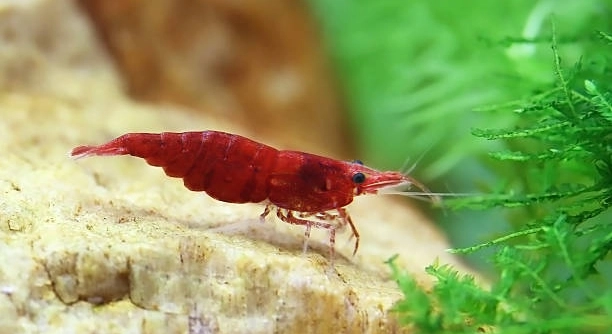
Have you ever noticed your cherry shrimp moving around at certain times of the day? Many aquarium enthusiasts observe their tiny pets following similar patterns, which can be fascinating to watch. These behaviors often reflect their natural instincts.
Cherry shrimp do exhibit routine behaviors, often linked to feeding times and light cycles. Their activity increases during daylight hours, while rest periods occur at night. Regular schedules can influence molting, foraging, and overall health in a predictable manner.
Understanding these patterns can help you provide a more stable environment for your shrimp. Observing their routines may improve care and enhance their wellbeing over time.
Daily Activity Patterns of Cherry Shrimp
Cherry shrimp are naturally active during the day, often moving around to explore their tank or search for food. Their movements can seem small but are consistent, from grazing on algae to interacting with decorations. Nighttime usually brings rest, as they hide among plants or under rocks to feel safe. These patterns are influenced by light exposure, water temperature, and feeding schedules. Shrimp often become more active when their environment is predictable, responding to routine tank maintenance or feeding times. Observing these daily rhythms can help you notice when something is off, like illness or stress, as changes in movement are often the first sign. Regular observation also allows you to adjust tank conditions, such as light cycles or feeding frequency, to better match their natural behaviors. Over time, these routines help shrimp thrive, promoting proper molting and healthier growth while reducing stress from sudden environmental changes or irregular feeding.
Routine consistency helps shrimp feel secure, reducing stress and encouraging predictable activity patterns in their tank environment.
Keeping track of activity patterns is important because it can reveal subtle changes in health. If a shrimp becomes less active, it may indicate illness, poor water quality, or molting issues. Monitoring these patterns allows you to intervene early and adjust tank conditions.
Feeding Schedules and Behavior
Cherry shrimp respond strongly to regular feeding schedules. Providing food at consistent times helps them anticipate and stay active during feeding periods. This also encourages natural grazing behaviors, as they learn where and when to find food in the tank.
Maintaining a balanced diet and predictable feeding routine supports shrimp health. Overfeeding can lead to water quality problems, while irregular feeding may stress them or reduce activity. Observing shrimp during meals gives insight into their social behaviors, like how they interact with each other and compete for food. Some shrimp may dominate feeding spots, while others stay hidden until it’s safer to eat. Adjusting portion sizes and placement of food helps ensure all shrimp get their share without creating excess waste. Feeding schedules, combined with proper tank conditions, reinforce their natural rhythms, leading to more visible activity and healthier shrimp. Consistent routines in both feeding and environment help reduce stress, encourage growth, and improve their molting cycles, making your shrimp more active and resilient.
Light Cycles and Activity
Light has a strong impact on cherry shrimp behavior. They tend to be more active when the tank is illuminated and retreat when lights are off. A stable light schedule promotes regular activity and reduces stress in the tank.
Consistent light cycles help regulate shrimp’s natural rhythms. Sudden changes, like turning lights off and on at irregular times, can startle them and disrupt feeding or molting patterns. Most shrimp prefer a light period of around 8 to 10 hours a day, followed by darkness for rest. Using a timer can make this easier, ensuring the shrimp maintain a routine without human intervention. Gradual dimming or gradual lighting helps mimic natural sunrise and sunset, which can make shrimp feel more secure and encourage normal behaviors throughout the day. Proper lighting also supports plant growth, which provides hiding spots and grazing surfaces, further benefiting shrimp health.
Shifts in light intensity or duration can temporarily confuse shrimp, causing unusual hiding or clustering. Observing how shrimp respond allows small adjustments that maintain consistent activity and comfort. Maintaining a calm, predictable environment ensures shrimp feel safe, remain active during the day, and complete essential behaviors like foraging and molting efficiently.
Tank Maintenance and Routine
Regular tank maintenance helps shrimp maintain predictable habits and reduces stress. Cleaning, water changes, and monitoring parameters at consistent times promote healthy routines for shrimp.
Performing tank maintenance on a schedule prevents sudden changes in water quality, which can disrupt shrimp behavior. Shrimp are sensitive to ammonia, nitrate, and pH fluctuations, so frequent partial water changes help maintain stable conditions. Removing uneaten food and debris at regular intervals prevents pollution and keeps shrimp from hiding excessively. Additionally, consistent observation during maintenance helps identify health issues or unusual behavior early. Using tools like siphons or soft brushes minimizes stress while cleaning. Routine maintenance reinforces other schedules, like feeding and light cycles, helping shrimp feel secure. Over time, this consistency encourages active foraging, normal molting, and social interaction, creating a balanced and healthy environment that supports long-term shrimp wellbeing.
Temperature and Activity
Water temperature directly affects cherry shrimp activity. Warmer temperatures generally increase movement, while cooler water slows them down. Maintaining a stable temperature helps them stay active and reduces stress.
Sudden temperature changes can shock shrimp, causing them to hide or stop eating. A consistent, moderate temperature keeps their routines predictable and supports proper metabolism and molting.
Social Behavior and Routine
Cherry shrimp often follow each other’s movements, especially during feeding or exploring. Social cues help them establish predictable patterns, such as clustering near food or hiding together. Observing these interactions provides insight into their comfort level and overall tank dynamics, showing how group behavior reinforces daily routines.
Stress Factors and Activity
Stress from poor water quality, aggressive tank mates, or sudden environmental changes can disrupt shrimp activity. Minimizing stress supports predictable behavior and healthier routines.
How often do cherry shrimp follow a routine?
Cherry shrimp naturally develop routines based on feeding times, light cycles, and tank conditions. They tend to become more active during periods when they expect food or when lights are on. Their activity patterns are consistent enough that owners often notice predictable movements throughout the day. Routine helps shrimp feel secure, reducing stress and supporting normal behaviors like molting and grazing. Maintaining consistent conditions reinforces these natural patterns, allowing shrimp to develop reliable daily habits over time.
Can cherry shrimp adapt to changes in their schedule?
Cherry shrimp can adjust to minor changes in light, feeding, or temperature, but sudden shifts often cause stress. Gradual changes, such as slowly adjusting feeding times or light schedules, allow them to adapt without disrupting daily activity. Shrimp rely heavily on environmental cues to determine when to be active or rest, so keeping changes incremental ensures their routines remain mostly intact. Sudden changes in water quality, tank cleaning, or aggressive tank mates can have a larger impact, sometimes causing hiding, decreased feeding, or molting delays. Careful observation helps identify stressors early, allowing adjustments before routines are significantly disrupted.
Do all shrimp in a tank follow the same routine?
While shrimp in the same tank share environmental cues, individual behavior can vary. Some shrimp may be bolder, exploring more or feeding first, while others hide until it feels safe. Social hierarchy can influence how routines are expressed. However, the overall daily rhythm of activity and rest tends to be similar, reflecting shared responses to light cycles, feeding, and tank conditions. Observing multiple shrimp over several days can reveal both group patterns and individual differences, helping owners understand how each shrimp interacts with its environment.
Does feeding affect their daily schedule?
Feeding plays a major role in shaping cherry shrimp routines. Shrimp learn when and where food is available, which influences when they become most active. Consistent feeding times encourage predictable grazing behavior and reduce stress caused by uncertainty. Overfeeding can cause water quality problems, which disrupt routines, while irregular feeding may lead to inactivity or hiding. Paying attention to shrimp behavior during feeding can also reveal if certain individuals are not getting enough food, allowing adjustments in portion size or food placement. Balanced feeding schedules help maintain stable routines and healthy activity levels throughout the day.
How do light cycles influence shrimp behavior?
Light cycles directly affect when cherry shrimp are active and when they rest. Most shrimp are more active during daylight hours and retreat to hiding spots when the tank is dark. A consistent schedule of light and darkness helps them establish predictable daily patterns. Abrupt changes in lighting can startle shrimp, causing unusual hiding or reduced activity. Using a timer ensures a steady cycle, supporting normal feeding, foraging, and molting behaviors. Gradual dimming or soft lighting can mimic natural sunrise and sunset, making shrimp feel more comfortable and reinforcing their daily routines.
Can stress disrupt shrimp routines permanently?
Stress can temporarily or even long-term alter shrimp behavior. Poor water quality, aggressive tank mates, or sudden environmental changes can cause hiding, reduced feeding, and disrupted activity cycles. While short-term stress is often recoverable if conditions are corrected, prolonged stress may affect molting, growth, and reproduction. Maintaining stable water parameters, consistent feeding, and gentle handling helps prevent routine disruption. Observing shrimp closely for early signs of stress allows intervention before it becomes serious. Gradually returning to stable conditions usually restores their predictable behavior over time.
Is it possible to train shrimp to a schedule?
While “training” shrimp is limited compared to larger animals, they do respond to consistency. Feeding at the same time daily and maintaining predictable light and maintenance routines teaches shrimp to anticipate activity periods. Over time, they may become more active during expected feeding times or light periods. This learned anticipation helps establish a reliable routine, making tank behavior more predictable and easier to monitor. Combining environmental consistency with observation allows owners to reinforce healthy shrimp activity and maintain stable, stress-free conditions.
Do environmental changes affect shrimp routines immediately?
Environmental changes often have an immediate effect on shrimp behavior. Sudden shifts in temperature, water quality, or tank layout can cause hiding, decreased activity, or stress-related behaviors. Gradual adjustments minimize disruptions and allow shrimp to adapt without losing their routine entirely. Observing shrimp closely after any change helps ensure they return to normal activity patterns quickly, maintaining both health and stability in the tank.
How long does it take for shrimp to settle into a routine?
Newly introduced shrimp usually take several days to a couple of weeks to establish a stable routine. They gradually learn feeding schedules, light cycles, and hiding spots, adjusting their activity accordingly. Providing consistent conditions, including temperature, water quality, and feeding times, accelerates this process. Observing behavior during this period helps identify if any adjustments are needed to support predictable activity. Over time, routines become reliable, allowing shrimp to thrive in a structured and stress-free environment.
Can shrimp routines be used to monitor health?
Yes, observing daily routines is a valuable way to monitor shrimp health. Deviations from normal patterns, such as decreased activity, hiding, or skipping feeding times, often signal stress, illness, or water quality problems. Regular observation allows early intervention before issues escalate. Maintaining consistent light, feeding, and maintenance schedules enhances these patterns, making abnormalities easier to spot. By paying attention to daily activity, owners can support shrimp wellbeing and quickly address any concerns, ensuring a healthy and stable tank environment.
Cherry shrimp are small, delicate creatures whose daily routines are shaped by a combination of environmental factors and natural instincts. Light cycles, feeding schedules, water temperature, and tank maintenance all play a role in determining when they are active and when they rest. Observing their behavior over time reveals consistent patterns, showing that they do respond to routine. Active periods often coincide with feeding or daylight hours, while nighttime usually brings rest and hiding. These predictable behaviors are important because they indicate that the shrimp are comfortable in their environment and that tank conditions are suitable for their health. Paying attention to these patterns allows owners to better understand the needs of their shrimp and make adjustments that support their wellbeing.
Maintaining consistency in care is one of the most effective ways to ensure that cherry shrimp thrive. Regular feeding times, predictable light cycles, and scheduled maintenance create a stable environment that reduces stress and supports normal behavior. Sudden changes, such as abrupt shifts in water temperature or inconsistent feeding, can disrupt routines and cause hiding, decreased activity, or even molting problems. On the other hand, gradual adjustments allow shrimp to adapt without unnecessary stress. Observing shrimp during daily routines also provides valuable insight into their health. Unusual behavior, such as lethargy, hiding for extended periods, or irregular feeding, can be an early sign of illness or environmental issues. By keeping a steady schedule and closely monitoring behavior, owners can intervene early and maintain a balanced environment that promotes long-term shrimp health.
Routine not only affects daily activity but also supports overall growth, reproduction, and longevity. Cherry shrimp that live in stable environments with consistent light, temperature, and feeding tend to molt successfully and remain active throughout the day. Social behaviors, such as clustering during feeding or exploring together, are more predictable when environmental cues are consistent. Even small changes, like rearranging decorations or adjusting water parameters, can temporarily alter activity patterns, which shows how sensitive these shrimp are to their surroundings. Maintaining stable conditions and predictable routines creates a comfortable habitat that encourages natural behaviors, reduces stress, and helps shrimp live longer, healthier lives. Paying attention to these details ultimately allows for a more enjoyable and manageable experience when keeping cherry shrimp, ensuring that both the shrimp and their environment remain in balance.

Hello,
If you enjoy the content that we create, please consider saying a "Thank You!" by leaving a tip.
Every little bit helps us continue crafting quality advice that supports the health, happiness, and well-being of pets around the world, for pets of all shapes, sizes, and species.
We really appreciate the kindness and support that you show us!