
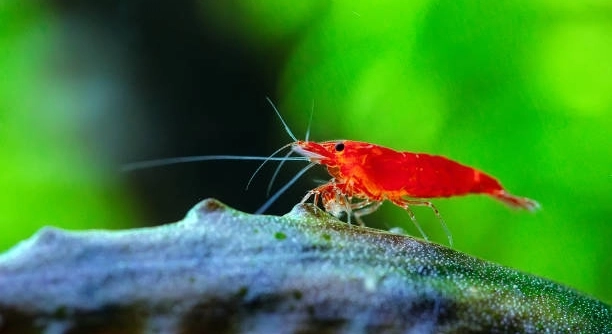
Cherry shrimp are fascinating little creatures that often attract attention in aquariums. Observing them move together on the same plant can be both calming and intriguing for hobbyists of all experience levels.
Cherry shrimp cluster on a single plant primarily due to safety and food availability. The plant provides shelter from predators, surfaces for algae grazing, and a stable microenvironment, encouraging multiple shrimp to remain in one location for optimal survival and nourishment.
Learning more about their behavior can improve your aquarium setup and help your shrimp thrive in a healthy, balanced environment.
Reasons Cherry Shrimp Stay on One Plant
Cherry shrimp are small and delicate, so they naturally look for places that offer safety. Plants give them a surface to cling to and hide among leaves when they feel threatened. Shrimp also feed on algae, biofilm, and tiny detritus that collect on plants. A single plant with enough coverage provides both food and shelter, making it ideal for multiple shrimp. They often stay close to each other because they feel secure and can easily find resources without moving around too much. Environmental stability is another factor. Shrimp are sensitive to water currents and sudden changes in temperature or chemistry. Plants create microhabitats where water movement is gentle and conditions remain consistent. When a plant meets these needs, it becomes a focal point. Observing them clustered together shows their natural preference for comfort, safety, and readily available nutrition. Small details like leaf density and surface texture play a role in where they gather.
Shrimp cluster in areas where food and shelter overlap. A single plant often meets both needs effectively.
The presence of multiple shrimp on one plant is a sign that the environment is healthy. They rely on plants not only for protection but also as a source of constant food. The algae and biofilm on leaves provide a reliable diet, while dense foliage reduces exposure to stress. Shrimp communicate subtly through movement and chemical cues, which may encourage grouping in favorable spots. Understanding these patterns allows caretakers to manage plant placement, feeding schedules, and water quality more effectively. By observing shrimp behavior, adjustments can be made to replicate these ideal conditions throughout the tank, ensuring shrimp remain active, healthy, and stress-free. The plant acts as a miniature hub, balancing nourishment and security. Proper maintenance of this hub encourages natural behavior and prevents overcrowding or wandering that could compromise safety or nutrition.
Impact of Plant Choice on Shrimp Behavior
Shrimp behavior changes depending on plant type. Some plants provide better coverage or surface area for grazing.
Plants with fine leaves or dense growth create perfect shelters. Mosses and carpeting plants allow shrimp to explore safely while feeding. Broad-leafed plants may offer resting spots, while floating plants give shade and reduce light stress. Shrimp often ignore sparse plants because they offer little protection. Tank layout also matters. Placing several suitable plants in different areas can encourage balanced distribution, preventing overconcentration. The presence of multiple plants allows shrimp to forage naturally, maintaining social behavior and health. Inadequate plant choice may lead to stress, increased hiding, or aggression among shrimp. Monitoring shrimp preferences helps identify which plants are most effective for both shelter and food. Regular trimming and maintenance ensure the plants remain productive. By choosing the right types, caretakers can influence where shrimp spend time, which simplifies feeding routines and enhances observation. Understanding plant-shrimp interactions ensures the tank supports their natural instincts and promotes overall well-being. Proper plant selection can transform a simple aquarium into a thriving habitat that meets both ecological and behavioral needs of cherry shrimp.
Water Conditions and Shrimp Grouping
Stable water conditions encourage shrimp to stay in one area. Sudden changes in temperature, pH, or hardness can make them move frequently or hide more often.
Shrimp prefer calm areas where water parameters remain steady. Plants act as natural buffers, reducing sudden fluctuations and providing a controlled microenvironment. Areas with consistent temperature and clean water reduce stress, which keeps shrimp grouped together. Water flow also matters. Too strong a current can push them off plants, while gentle movement allows them to feed and explore safely. Maintaining stable conditions supports their natural behavior and keeps the shrimp active and visible. Observing their clustering can indicate if the water environment is healthy and suitable.
Even minor variations in water chemistry influence shrimp behavior. Ammonia spikes, nitrite presence, or low oxygen can drive them to search for safer spots. Regular testing, filtration, and partial water changes create an environment that supports their feeding, breeding, and social interactions. When conditions are ideal, shrimp naturally remain near plants that provide both food and shelter, minimizing unnecessary movement. Stability allows them to focus on grazing and resting without stress, creating a predictable pattern in their daily activity. By paying attention to water quality, shrimp clustering becomes a reliable sign of overall tank health.
Feeding Patterns and Plant Preference
Shrimp often gather where food is abundant, usually on plants with algae or biofilm.
Cherry shrimp feed continuously throughout the day, picking at surfaces covered with biofilm, algae, and leftover food particles. Plants act as both a resting place and a food source. Mosses, ferns, and fine-leaf plants offer extensive surfaces where biofilm grows. Shrimp will spend more time on plants that have thicker or richer coatings of food, naturally leading to clustering. Feeding routines also influence behavior. If food is distributed unevenly, shrimp may crowd the plants where it is most accessible. Over time, they learn which plants consistently provide nutrition. Observing these patterns allows caretakers to adjust feeding and plant placement, ensuring shrimp have steady access to food without creating competition.
Shrimp show clear preferences based on food availability, leaf texture, and surface area. Dense, slow-growing plants with rough surfaces provide the best grazing grounds. Smooth leaves or sparsely covered plants are often ignored. By understanding these preferences, you can encourage natural grouping and grazing behavior while maintaining balanced feeding practices. Selecting plants that support algae growth or supplementing with biofilm-friendly options ensures shrimp remain healthy and active. Clustering around these plants is not random—it reflects their instinct to maximize feeding efficiency and minimize energy use. Proper feeding and plant management also reduce stress, prevent aggressive interactions, and support overall tank stability. Monitoring shrimp over time helps identify which plants best meet their nutritional and shelter needs.
Social Behavior and Clustering
Cherry shrimp are naturally social, often staying near each other for safety and interaction. Grouping on a plant reduces stress and allows them to communicate subtly through movement and chemical cues.
Clustering also helps in breeding. Proximity increases the chance of mating and ensures that juveniles have access to food and shelter.
Lighting and Plant Preference
Shrimp prefer shaded or partially lit areas on plants. Bright light can make them feel exposed, while leaves and moss offer protective cover. Shaded spots allow them to feed comfortably and rest without stress, making these areas natural gathering points.
Stress and Environmental Pressure
Environmental pressures like sudden temperature swings, predators, or tank disturbances push shrimp to cluster. Plants provide a secure refuge, reducing stress and creating a predictable space where shrimp can feel safe.
Tank Layout Influence
The arrangement of plants and decorations affects where shrimp gather. Dense planting with multiple layers gives shrimp options, but they often favor one plant that meets shelter, food, and safety needs most effectively.
FAQ
Why do cherry shrimp always stay on the same plant?
Cherry shrimp stay on one plant primarily for safety and food. Plants provide shelter from stress or predators and surfaces covered in biofilm or algae, which are their main food sources. Shrimp feel secure and reduce unnecessary movement by staying where resources are abundant.
Is it normal for all shrimp to cluster together?
Yes, clustering is natural. Cherry shrimp are social creatures, and staying close allows them to interact, feed efficiently, and protect each other from potential threats. A healthy cluster often indicates that the plant provides enough food and shelter.
Can too many shrimp on one plant be harmful?
Overcrowding can increase stress and competition for food. If the plant is small or has limited surface area, some shrimp may not get enough nourishment or hiding space. Ensuring multiple plants or adding moss and decorations can reduce overcrowding while still maintaining clustering behavior.
Do water conditions affect where shrimp gather?
Absolutely. Stable water conditions encourage shrimp to stay in preferred spots. Sudden changes in temperature, pH, or hardness may cause them to move more frequently or hide. Calm, consistent water around a plant allows them to feed and rest safely.
Will shrimp leave a plant if food runs out?
Yes, they will explore other areas if the current plant no longer provides sufficient algae or biofilm. Shrimp are opportunistic feeders, so they will move gradually to nearby plants or surfaces with food while still seeking shelter.
Do all plant types attract cherry shrimp equally?
No, shrimp prefer plants that provide both food and protection. Fine-leaf plants, mosses, and ferns often attract them more than broad or smooth-leaf plants because they offer surfaces for biofilm growth and cover for hiding. Choosing the right plant influences clustering behavior.
How does light affect shrimp distribution?
Shrimp prefer shaded or partially lit areas. Bright light can make them feel exposed, so they often gather on plants with dense foliage that filters light. Shaded plants allow them to feed and rest without stress. Adjusting light levels can influence where shrimp spend most of their time.
Can shrimp behavior indicate plant health?
Yes, shrimp clustering can be a sign that a plant is thriving and producing enough biofilm or algae. If shrimp avoid a plant, it may lack food or shelter. Observing shrimp behavior helps identify which plants are most effective for feeding and protection.
Do shrimp need multiple plants in the tank?
Multiple plants are beneficial. While shrimp may favor one plant, additional plants provide options for grazing, shelter, and movement. This reduces stress and overcrowding, ensuring shrimp remain active and healthy. A varied layout also supports natural behavior and social interaction.
How can I encourage shrimp to explore other areas?
Introduce additional plants with surfaces rich in biofilm or algae. Adjusting water flow slightly and maintaining consistent water parameters encourages shrimp to gradually expand their territory while still feeling safe. Strategic placement can guide their movement without causing stress.
Do shrimp communicate through clustering?
Indirectly, yes. They use subtle movements and chemical cues to indicate safe areas or food availability. Clustering helps shrimp recognize secure zones and supports social interaction, which contributes to feeding efficiency, breeding, and stress reduction.
Will juvenile shrimp behave the same as adults?
Juveniles also cluster but may prefer smaller leaves or denser moss for protection. They rely on adults to signal safe feeding and hiding spots, gradually learning which plants provide the best combination of food and shelter. Juvenile clustering often mirrors adult patterns over time.
How often should I monitor shrimp clusters?
Regular observation helps assess tank health and behavior. Daily or every few days, check where shrimp gather, how many are clustering, and whether food and shelter are adequate. Adjust plant density, feeding, or water conditions as needed to maintain a balanced environment.
Can stress cause shrimp to leave their preferred plant?
Yes, stress from sudden disturbances, predators, or poor water quality may force shrimp to disperse. Providing stable water, sufficient shelter, and predictable feeding areas helps prevent unnecessary movement and supports natural clustering behavior.
Do shrimp ever fight over a plant?
Cherry shrimp are generally peaceful, but limited space or food can lead to minor competition. They usually resolve this by sharing surfaces or moving to nearby plants. Ensuring multiple plants reduces potential conflicts and maintains a calm environment.
Can clustering indicate breeding behavior?
Clustering often coincides with breeding activity. Being close increases mating chances and ensures that juvenile shrimp have access to food and shelter. Observing clusters can help caretakers identify optimal conditions for shrimp reproduction.
How does tank size affect shrimp clustering?
Smaller tanks may encourage tighter clustering due to limited space, while larger tanks allow more distributed grouping. Providing multiple suitable plants ensures shrimp can spread out comfortably while still exhibiting natural clustering patterns.
What should I do if shrimp ignore a healthy plant?
Shrimp may avoid a plant if it lacks sufficient biofilm, has poor leaf texture, or feels exposed. Adding moss, adjusting lighting, or supplementing algae growth can make the plant more attractive and encourage shrimp to return.
Does water flow influence clustering locations?
Yes, strong currents can push shrimp off plants, while gentle water movement allows safe feeding and resting. Plants in calm areas naturally attract more shrimp, creating stable clusters that reflect their comfort and environmental preference.
Can clustering indicate a tank problem?
Not always. While clustering is normal, sudden changes—shrimp leaving plants or hiding excessively—may indicate water quality issues, insufficient food, or stressors in the tank. Monitoring patterns helps detect problems early and maintain a healthy environment.
Do shrimp prefer specific areas within a plant?
Shrimp often gather on leaves with the most biofilm, near stems for support, or in shaded sections. They select areas that balance food access, safety, and minimal exposure, demonstrating instinctive prioritization of survival and comfort in their microhabitat.
Final Thoughts
Cherry shrimp are fascinating creatures, and observing them in an aquarium can teach a lot about their behavior. Their habit of clustering on a single plant is not random. It reflects a natural combination of safety, food availability, and environmental comfort. Shrimp are small and vulnerable, so they instinctively seek spots where they can feel secure. Plants provide leaves and moss to hide among, surfaces for grazing, and microhabitats where water conditions are more stable. When a group of shrimp gathers on one plant, it often shows that the plant meets multiple needs at once. This behavior is a helpful indicator for caretakers, signaling which plants and areas of the tank are performing well.
The choice of plants plays a significant role in where shrimp spend their time. Dense plants with fine leaves, mosses, and ferns are particularly attractive because they support algae and biofilm growth, offer shelter, and create gentle areas of water flow. Smooth or sparse plants may be ignored because they provide little food or protection. Observing shrimp preferences helps identify which plants are most effective for supporting both feeding and resting behavior. Multiple plants in a tank are beneficial, even if shrimp favor one plant, as this prevents overcrowding and encourages a more balanced distribution of activity. Caretakers can also adjust lighting and water conditions to enhance the comfort of specific areas, which naturally encourages shrimp to stay in preferred spots.
Shrimp behavior is influenced by several subtle factors beyond just plant choice. Stable water conditions, gentle currents, adequate lighting, and consistent feeding all encourage clustering in safe, nourishing locations. Stress, sudden changes in water parameters, or limited food sources can disrupt this pattern. By maintaining a stable, well-planted environment, shrimp can display natural behavior and remain healthy and active. Their clustering reflects instinctive decision-making, balancing feeding efficiency, social interaction, and protection from threats. Paying attention to these patterns provides insight into shrimp well-being and helps caretakers create an aquarium environment that supports long-term health. Observing shrimp, learning from their preferences, and adjusting the habitat accordingly ensures that both the animals and the tank ecosystem remain stable, balanced, and vibrant.

Hello,
If you enjoy the content that we create, please consider saying a "Thank You!" by leaving a tip.
Every little bit helps us continue crafting quality advice that supports the health, happiness, and well-being of pets around the world, for pets of all shapes, sizes, and species.
We really appreciate the kindness and support that you show us!