
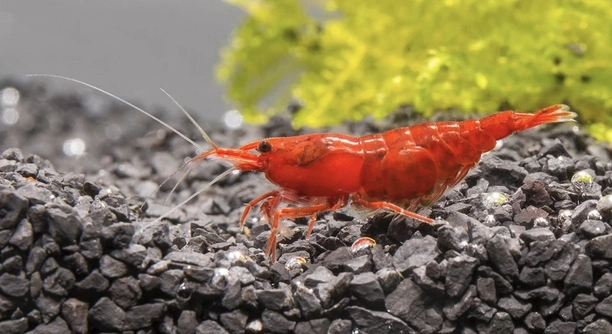
Cherry shrimp are tiny, colorful creatures that brighten aquariums with their movement and charm. Watching them swim and interact with their environment can make anyone wonder about the ways they perceive the world around them.
Current research suggests that cherry shrimp do not experience the passage of time in the same conscious way humans do. Their behavior is largely driven by environmental cues, internal rhythms, and instinctive responses rather than an awareness of elapsed time.
Observing their activity and patterns can still provide insight into their daily habits and overall wellbeing in your tank.
How Cherry Shrimp Respond to Their Environment
Cherry shrimp rely heavily on their surroundings to guide their behavior. Light, temperature, and water quality all play a significant role in how active or inactive they appear. Changes in lighting can trigger movement, feeding, or hiding behaviors. Similarly, fluctuations in water temperature influence their metabolism, affecting how quickly they swim or search for food. Even slight variations in pH and hardness can make them retreat to safer areas of the tank. Observing their reactions over time can reveal patterns in their activity, though these patterns are instinctual rather than an awareness of time passing. The shrimp’s behavior is a combination of survival instincts and environmental responses, helping them adapt to changing conditions in their habitat. Watching them navigate plants, substrate, and tank decorations provides insight into how sensitive they are to subtle changes, making it clear that their actions are guided by immediate conditions rather than a sense of elapsed time.
Their activity levels shift primarily due to external triggers rather than an internal clock.
Understanding these behaviors helps maintain a stable tank, ensuring the shrimp remain healthy and active throughout the day.
Feeding Patterns and Perceived Time
Cherry shrimp show consistent interest in food at particular intervals.
Feeding times seem regular, but these are prompted by hunger cues and environmental signals, not an actual awareness of time passing. Their instincts drive them toward food when they sense availability.
Shrimp do not track hours or minutes like humans. Instead, their foraging and feeding behaviors follow biological rhythms and the immediate presence of food. When food is introduced, they respond quickly, showing coordinated movement to gather it efficiently. If feeding occurs at roughly the same times daily, shrimp may appear to “anticipate” meals, but this is a learned response to repeated stimuli rather than a conscious understanding of timing. Over time, they associate certain environmental changes, like light levels or human activity, with feeding, reinforcing these behaviors. This consistency can make caretakers think shrimp have a sense of time, yet it is entirely linked to cues and instinctive patterns. Observing how they gather and interact with food can help in setting proper feeding schedules to maintain their health and prevent overfeeding.
Activity Levels and Rest
Cherry shrimp alternate between bursts of activity and periods of rest. These cycles are influenced by environmental conditions rather than a conscious awareness of time passing.
Their movement patterns vary throughout the day depending on light exposure, water temperature, and the presence of food. During brighter periods, they tend to explore more, climbing plants or scavenging across the substrate. Cooler temperatures or dim lighting often trigger slower movement or resting behavior. While these changes may look like a schedule, they are simply instinctual responses to immediate conditions, not a sense of elapsed time. Observing these fluctuations provides insight into their natural habits and overall comfort in the tank.
Even short-term changes in their environment can shift activity levels noticeably. Watching them adapt shows how sensitive they are to subtle cues.
Monitoring these patterns allows for a healthier tank setup, ensuring the shrimp remain active and stress-free while maintaining their natural rhythms.
Interaction with Tank Mates
Cherry shrimp interact cautiously with other tank inhabitants. They assess threats and opportunities, often moving or hiding to avoid potential danger.
Interactions are guided by instinct and environmental cues. They may cluster together for safety or scatter when larger fish approach. Social behavior is subtle, often observed through coordinated movement or territory selection. Their reactions are not based on an understanding of past or future events but on immediate sensory input. Over time, they may show consistent patterns around other species, appearing predictable, though this is instinct rather than planning. Maintaining compatible tank mates reduces stress and promotes natural activity.
Observing these interactions helps in understanding shrimp behavior and optimizing tank conditions. Proper placement of plants, hiding spots, and compatible species encourages safe, stress-free interactions and supports overall wellbeing.
Sensing Changes in the Tank
Cherry shrimp respond quickly to shifts in their environment. Light, movement, and water conditions trigger immediate reactions, guiding their behavior.
They rely on sensory input rather than memory or an awareness of time. Changes prompt hiding, feeding, or exploration behaviors, all rooted in instinct.
Molting and Growth
Molting is a critical process for cherry shrimp, allowing them to grow and regenerate. This process occurs in stages, beginning with the loosening of their old exoskeleton. Once ready, they shed it carefully, exposing a softer new shell underneath. During this time, they tend to hide more and reduce movement to avoid predators and stress. Adequate nutrition and stable water conditions are essential to support successful molting. Observing these patterns helps in maintaining healthy shrimp and understanding their natural growth cycles, emphasizing care and attention to their needs.
Daily Rhythms
Activity levels fluctuate naturally, showing periods of high movement and short rests throughout the day.
FAQ
Can cherry shrimp feel stress?
Yes, cherry shrimp can show signs of stress through changes in behavior. Rapid swimming, hiding for long periods, or reduced feeding are common indicators. Stress usually arises from poor water quality, sudden temperature changes, or aggressive tank mates. Providing stable conditions and plenty of hiding spots can minimize stress.
Do cherry shrimp recognize their owners?
Cherry shrimp do not recognize humans like pets such as cats or dogs. They may, however, associate certain actions, like approaching the tank during feeding, with food availability. This behavior is based on repeated environmental cues rather than conscious recognition.
How often should I feed cherry shrimp?
Feeding once a day or every other day is generally sufficient. Overfeeding can lead to water quality issues and unhealthy shrimp. Offer small portions that they can consume in a few hours. Supplemental foods like algae wafers or blanched vegetables can provide balanced nutrition.
Do cherry shrimp sleep?
Cherry shrimp do have rest periods, though it is not sleep in the human sense. During these times, they reduce activity and remain mostly still. Rest helps them conserve energy, grow, and recover from molting, but it is driven by instinct and environmental cues rather than awareness of time.
Can cherry shrimp feel pain?
There is no evidence that cherry shrimp experience pain like mammals do. Their responses to harmful stimuli are reflexive and protective rather than a conscious sensation of pain. Maintaining safe tank conditions ensures they avoid injury and stress.
Why do cherry shrimp hide so often?
Hiding is a natural survival behavior. They seek shelter when feeling threatened, during molting, or when tank conditions are unfavorable. Providing plants, rocks, or decorations gives them secure spaces to retreat, helping reduce stress and supporting healthy activity levels.
Do cherry shrimp communicate with each other?
Communication is subtle and mostly chemical or through movement. They can detect pheromones or other signals in the water, helping them coordinate molting, mating, or avoiding predators. Observing patterns in group behavior can reveal these interactions, though they are instinctual rather than conscious.
How long do cherry shrimp live?
Cherry shrimp typically live between one and two years, depending on water quality, diet, and tank conditions. Proper care, including stable temperature, clean water, and adequate nutrition, can help them reach the upper end of their lifespan.
Do cherry shrimp remember past events?
Their memory is very limited and mainly linked to learned responses. They can remember locations of food or hiding spots, but this is not a reflection of time awareness. These behaviors are based on repetition and environmental cues rather than conscious recollection.
Why do cherry shrimp cluster together?
Clustering is a natural instinct for safety and comfort. In groups, they feel less vulnerable to potential threats. This behavior also helps with social interaction, foraging efficiency, and reproductive activities. Observing clustering patterns can provide insight into their wellbeing and stress levels.
Can cherry shrimp detect changes in water quality?
Yes, cherry shrimp are very sensitive to changes in water parameters like pH, ammonia, nitrites, and temperature. Sudden shifts can cause stress or hiding behaviors. Regular monitoring and maintaining stable conditions help them remain active and healthy.
Do cherry shrimp show preferences for certain areas of the tank?
They often favor areas with plenty of cover, stable temperatures, and available food. Shrimp may spend more time among plants or near substrate surfaces, reflecting their natural instincts for safety and foraging. Adjusting tank layout can support these preferences and improve overall activity.
Are cherry shrimp affected by light cycles?
Yes, light plays a significant role in their activity levels. They are more active during well-lit periods and tend to rest or hide when it is dark. Consistent light cycles help regulate their behavior and support healthy daily rhythms.
Can cherry shrimp sense vibrations?
Cherry shrimp respond to vibrations as potential signs of predators or environmental changes. They may freeze, hide, or swim quickly to avoid perceived threats. Tank placement and careful handling can minimize unnecessary disturbances, reducing stress and promoting normal behavior.
Do cherry shrimp interact with plants?
Yes, plants provide both shelter and food sources like biofilm. Shrimp often graze on plant surfaces, contributing to algae control. Including live plants in the tank improves their environment and encourages natural behaviors while maintaining water quality.
Is water temperature important for cherry shrimp activity?
Temperature directly affects their metabolism and movement. Warmer water increases activity and feeding, while cooler water slows them down. Keeping temperatures stable within the recommended range supports health, growth, and predictable behavior patterns.
Do cherry shrimp molt regularly?
Molting occurs throughout their lives as they grow. The frequency depends on age, nutrition, and water conditions. Stress, poor diet, or unstable water can disrupt molting, so careful observation and proper care are essential for healthy shrimp.
How do cherry shrimp behave during reproduction?
During mating, males actively pursue females, and females carry eggs under their abdomen until hatching. These behaviors are guided by instinct and environmental cues. Ensuring a comfortable, stable environment promotes successful reproduction without inducing stress or aggression.
Can cherry shrimp survive alone?
They can survive individually, but they thrive in groups. Social interactions, clustering, and foraging behavior are more natural and balanced in small colonies. Maintaining group dynamics encourages activity, reduces stress, and supports healthier shrimp overall.
Are cherry shrimp sensitive to chemicals?
Yes, they are extremely sensitive to chemicals, including cleaning agents, pesticides, or even certain medications. Contaminated water can be fatal. Using dechlorinated water and avoiding chemical exposure is critical for maintaining their health and longevity.
Do cherry shrimp show curiosity?
Curiosity is expressed through exploration of new objects or changes in the tank. This behavior is instinctual, helping them find food or safe areas, rather than an intellectual understanding of novelty. Encouraging safe exploration enhances their activity and wellbeing.
Can cherry shrimp survive in varying pH levels?
They can tolerate minor variations, but extreme shifts in pH stress them and can be lethal. Maintaining stable pH within recommended ranges ensures proper molting, feeding, and overall health, preventing unnecessary stress or behavioral changes.
Why do some shrimp appear more active than others?
Individual activity differences arise from age, health, and temperament. Younger shrimp or those in optimal conditions tend to move more, while older or stressed shrimp may remain still. Observing activity levels helps identify potential issues and maintain a balanced, healthy tank environment.
How do cherry shrimp find food?
They rely on chemical and tactile cues to locate food. Biofilm, algae, and small debris on surfaces attract them. Their foraging behavior is instinct-driven, ensuring they can locate nutrition without a conscious sense of time or planning.
Do cherry shrimp enjoy different tank layouts?
Yes, varied terrain with plants, rocks, and hiding spots encourages natural behaviors. A thoughtfully arranged tank promotes exploration, reduces stress, and supports both foraging and social interactions, enhancing their overall activity and health.
Can cherry shrimp adapt to new tanks?
Adaptation occurs gradually. Sudden changes in water conditions or tank mates can cause stress. Slowly acclimating them to new environments allows them to adjust, find hiding spots, and resume normal activity patterns without unnecessary harm.
Are cherry shrimp sensitive to noise?
Noise itself is less impactful than vibrations transmitted through water. Sudden movements or tank disturbances can startle them, causing temporary hiding or freezing behavior. Minimizing vibrations and handling the tank gently helps maintain calm, normal behavior.
Do cherry shrimp show preference for certain foods?
Yes, they tend to favor algae, biofilm, and blanched vegetables. Offering a variety of foods supports nutrition and encourages natural foraging behaviors, while avoiding overfeeding prevents water quality issues.
How can I tell if my cherry shrimp are healthy?
Healthy shrimp are active, bright in color, feed regularly, and molt successfully. Signs of stress or illness include lethargy, discoloration, hiding, or irregular molting. Monitoring their behavior and maintaining optimal tank conditions ensures they remain in good health.
Do cherry shrimp interact with other shrimp species?
Interactions vary depending on species compatibility. Some may coexist peacefully, while others may compete for resources. Observing behavior and maintaining compatible species ensures safe, balanced social interactions within the tank.
How long can cherry shrimp survive without food?
They can survive a few days to a week without food, depending on age and health. Regular feeding is essential to maintain energy, support molting, and ensure ongoing activity and growth.
Cherry shrimp are fascinating creatures that bring life and color to any aquarium. While they do not experience the passage of time like humans, their behavior is guided by instincts and environmental cues. Observing them can be rewarding, as they respond to changes in lighting, temperature, water quality, and the presence of food. These reactions help them survive, grow, and reproduce, even without a conscious awareness of hours or days passing. From periods of activity to resting phases, their natural rhythms are shaped by immediate conditions rather than an internal sense of time. Understanding these patterns allows caretakers to create stable, supportive environments that meet the shrimp’s needs and encourage natural behavior.
Their feeding habits, social interactions, and molting processes are all influenced by instincts and repeated stimuli. Cherry shrimp respond consistently to cues like the presence of food, movement in the tank, or changes in light, giving the impression that they are aware of time, when in reality, they are reacting to environmental signals. Maintaining proper care, including a balanced diet, compatible tank mates, and consistent water parameters, ensures that they remain active and healthy. Watching them gather food, explore plants, and interact with other shrimp can provide insight into their daily habits. Even subtle environmental changes can alter behavior, showing just how sensitive these small creatures are to their surroundings. This sensitivity is an essential consideration for anyone keeping cherry shrimp, as it highlights the importance of stability and careful observation.
Providing a well-maintained tank, with clean water, adequate hiding spots, and consistent care, supports their wellbeing and natural instincts. Cherry shrimp thrive in environments that allow them to exhibit their typical behaviors, including exploration, foraging, and resting. While they do not perceive time as humans do, their predictable responses to cues can make it easier to manage their care and anticipate their needs. Observing their activity patterns, molting cycles, and social interactions can be both informative and enjoyable, offering a deeper appreciation for their complexity. Ensuring that they live in a stable and supportive habitat helps them grow, reproduce, and maintain vibrant coloration. By understanding the role of environmental factors in shaping their behavior, caretakers can create an aquarium that allows cherry shrimp to flourish, demonstrating that even creatures without a sense of time can display consistent, instinct-driven patterns that reflect health and wellbeing.

Hello,
If you enjoy the content that we create, please consider saying a "Thank You!" by leaving a tip.
Every little bit helps us continue crafting quality advice that supports the health, happiness, and well-being of pets around the world, for pets of all shapes, sizes, and species.
We really appreciate the kindness and support that you show us!