
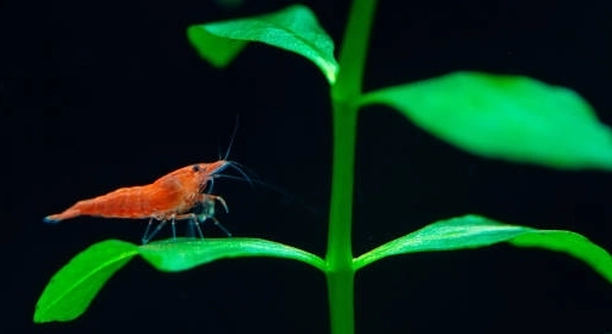
Have you ever wondered how cherry shrimp handle cooler household conditions during different seasons as indoor temperatures shift and create unexpected challenges for these small creatures as they adjust to their surroundings each day inside.
Cherry shrimp can survive in cold rooms but sustained low temperatures reduce metabolic efficiency and weaken immune responses. Maintaining water above their minimum tolerance range supports stable physiological functions and prevents stress related mortality ensuring health within controlled indoor environments.
As you explore you will find simple guidance that helps you support these shrimp when temperatures shift inside your home.
Understanding How Cold Rooms Affect Cherry Shrimp
Cold rooms influence the way cherry shrimp move, feed, and react to their surroundings. When the water temperature drops, their activity slows, their appetite changes, and their ability to handle stress becomes weaker. These small shifts can add up over time and affect their overall stability in the tank. Keeping an eye on how the shrimp behave during cooler periods helps you notice early signs of discomfort, like reduced movement or hiding more often than usual. Stable conditions matter, and even small temperature dips can create a noticeable difference in how they respond to daily life in their habitat. Maintaining slightly warmer water helps them stay active and comfortable, and it supports the natural balance they rely on. Once you understand how cold impacts them, it becomes easier to make simple adjustments that keep them healthy during seasonal temperature changes in your home.
Cold temperatures slow their metabolism and limit their ability to stay active, which often leads to weaker health. These changes can be prevented by keeping water temperatures steady and avoiding sudden drops.
By paying attention to how temperature affects their behavior, you can create a more comfortable setup. Small changes like adjusting heating equipment or improving insulation help maintain conditions that support their long term well-being.
Ideal Temperature Range for Cherry Shrimp
Cherry shrimp thrive best in stable water that stays within a comfortable range, since it helps regulate their internal functions and daily activity levels. A colder environment can place stress on their system, which makes it important to prevent large fluctuations.
Maintaining consistent temperatures supports healthy molting, stable feeding patterns, and reliable growth. When the water gets too cold, their metabolism slows and their immune response becomes less effective, which puts them at risk for health issues over time. Adding a small heater can offer a simple and dependable way to keep their tank steady during colder months. Insulating the tank or keeping it away from drafty areas also helps prevent sudden dips. Even minor temperature changes can influence how they behave, so steady conditions give them the best chance to stay active and colorful. With the right setup, cherry shrimp remain comfortable, making their care easier and more predictable throughout cooler seasons.
How Cold Temperatures Influence Daily Behavior
Cold water slows movement and makes cherry shrimp less active during the day. Their feeding habits also become irregular, which affects their ability to maintain normal routines inside the tank when temperatures remain low for extended periods.
Cold temperatures reduce energy use, which makes the shrimp less responsive and more likely to hide for longer periods. Their feeding slows, and they may ignore food they usually enjoy. Over time, this reduced activity can cause mild stress that builds gradually. Keeping temperatures stable prevents these small shifts from impacting their overall stability. Even minor changes in room temperature can influence how they react, so maintaining consistency keeps them comfortable and predictable inside their tank.
As the water cools, their reactions become slower and their interactions with tank mates decrease. They may avoid open areas and spend more time under plants or decorations. This behavior is their way of conserving energy, but it can cause long term issues if the cold persists. Simple adjustments like improving tank insulation or using a gentle heater help reduce these effects. Consistent warmth encourages steady movement, healthier feeding, and balanced behavior throughout cooler months.
Adjustments to Keep Shrimp Comfortable
Keeping the tank warm prevents sluggish behavior and supports stable feeding patterns. Small improvements like reducing drafts around the aquarium or adjusting room placement help maintain a safe and steady temperature during cold periods inside your home.
A reliable heater keeps water stable, especially during nights when room temperatures drop the most. Choosing a low watt heater works well for smaller shrimp tanks and prevents sudden spikes that may cause stress. If the tank sits near a window or exterior wall, moving it to a more insulated area keeps temperatures from dropping too quickly. Adding a lid or light cover helps retain warmth without major changes. Stable temperatures support their molting cycle, overall comfort, and natural activity levels. Taking these steps ensures your shrimp stay healthy, active, and balanced even when your home becomes colder during seasonal shifts.
Recognizing Signs of Temperature Stress
Cherry shrimp show stress when they move less and hide more often in cooler water. Their colors may fade slightly, and they may seem less eager to explore areas they normally enjoy when conditions drop below their comfort range.
Reduced feeding is another sign that the cold is affecting them. They may leave food untouched or approach it slowly, which can lead to weakened health if the temperature stays low for too long inside the tank.
Why Stable Conditions Matter
Maintaining stable temperatures helps cherry shrimp avoid unnecessary stress that develops when water shifts too quickly. Sudden drops interrupt their natural rhythm and make them more sensitive to changes in their surroundings. Consistency keeps their metabolism steady, which supports healthy molting and balanced activity levels each day. A stable environment prevents gradual discomfort that can build during seasonal changes. This makes their behavior more predictable and allows you to notice real issues more easily. Keeping conditions steady also reduces energy loss, helping them stay active, colorful, and comfortable without added strain.
Simple Ways to Improve Stability
Small steps like adjusting tank placement or minimizing drafts can help maintain consistent water temperatures. These efforts support healthy activity and make cold seasons easier for cherry shrimp living in indoor environments.
FAQ
Do cherry shrimp survive short periods of cold temperatures?
Cherry shrimp can handle short periods of cooler water, but their comfort depends on how low the temperature drops and how fast it changes. Slow and mild drops are less stressful, while sharp dips can weaken them quickly. Their metabolism slows when the water becomes colder, which affects movement, feeding, and overall energy use. If the cold lasts only a brief time, they usually recover with no long term impact as long as the temperature returns to their ideal range. However, repeated cold spells can wear them down over time. Keeping the tank stable prevents these repeated stress cycles and supports healthier behavior throughout colder days.
What temperature is too cold for cherry shrimp?
Anything below the mid 60s starts to create noticeable stress. Their movement becomes slower, their colors can dim, and their response to food becomes inconsistent. If temperatures drop into the low 60s or below, the strain becomes more serious. Even though they may survive, their immune system weakens and makes them more vulnerable to small changes or poor conditions that they normally tolerate. Keeping the tank above this level helps prevent these reactions and keeps them more active and stable each day.
Do cherry shrimp need a heater in cold rooms?
A heater is helpful when your home gets cold during certain seasons because it prevents sudden drops and keeps the tank within a comfortable range. Even a low watt heater can make a useful difference, especially in smaller tanks that lose heat faster. Tanks placed near windows, doors, or exterior walls cool down quickly, so a heater helps create a steady environment. You do not need anything powerful, just something that maintains consistency. This keeps their metabolism functioning normally and supports active feeding and molting.
Can cherry shrimp live without a heater if the room is cool but not cold?
They can manage without a heater if the room stays within a mild and steady range. Slow and predictable temperature swings are easier for them to handle. The key is avoiding sharp changes early in the morning or late at night. If your room temperature drops several degrees overnight, a heater becomes helpful. If it stays mostly steady, they can adapt. Observing their behavior gives you clues. If they move slowly, hide more, or leave food untouched, the temperature may be too low even if it seems acceptable.
What signs show that cold temperatures are affecting cherry shrimp?
You may notice slower movement, reduced feeding, and longer hiding times. Their colors may fade slightly, and they might gather in warmer parts of the tank. These shifts show that their body functions are slowing down. If the cold persists, they may become more sensitive to small changes or appear more sluggish each day. These reactions usually ease when the water warms again, but long exposure to cold increases stress. The earlier you adjust the temperature, the better they recover.
How can I warm a shrimp tank without a heater?
You can insulate the tank with a simple cover or move it away from drafty spots. Placing it in a warmer part of the room helps maintain a more stable temperature. A light lid can help keep warmth from escaping. You can also keep the room itself slightly warmer during colder nights. Small steps like closing nearby windows or reducing airflow can make the tank more stable. These changes are gentle and prevent sudden shifts that shrimp often struggle with.
Why do cherry shrimp become less active in cold water?
When the temperature drops, their metabolism slows. This affects every part of their routine, including feeding, movement, and how often they explore. They conserve energy when they feel cold, which leads to slower reactions. Although this behavior is normal for colder conditions, long periods of inactivity can reduce their overall stability. Providing steady warmth keeps them active and helps support healthy molting and feeding patterns.
Does cold water affect molting in cherry shrimp?
Cold water slows the molting process and makes it less predictable. Since molting requires energy, cooler temperatures can delay shedding or make it more difficult. This can lead to incomplete molts or longer recovery periods. Warmer and steady temperatures help support smoother molting and strengthen their new shells. If the water becomes too cold, the process may take longer than normal, which puts extra strain on their system. Keeping conditions consistent helps avoid these issues and supports healthier molting cycles.
Final Thoughts
Cold rooms can create challenges for cherry shrimp, but most of these challenges can be managed with small adjustments that keep their environment steady. Shrimp react strongly to temperature changes, so even minor drops can influence how they move, feed, and interact with their surroundings. Paying attention to the way they respond during colder periods helps you understand what they need to stay comfortable. Many homes experience natural shifts throughout the day, especially during winter or late evenings, and shrimp feel these changes more than people often expect. By keeping their tank away from drafty areas and watching for slow or faded behavior, you can react early and prevent long term stress. With simple steps, you can support their well being without making major changes to your home or routine. Their needs may seem small, but stability makes a noticeable difference in their overall comfort.
Colder temperatures affect shrimp in ways that build slowly over time. They may become less active, hide more often, or lose interest in food they usually accept. These signs are subtle at first, but they become clearer when the cold continues for several days. Their internal systems work best when temperatures remain steady, so unpredictable fluctuations cause them to work harder to maintain balance. Unlike fish that can tolerate wider ranges, cherry shrimp prefer consistency because it helps them molt properly and maintain regular energy use. If their tank temperature drops too quickly, their responses change almost immediately, and this can lead to stress that takes days to correct. A simple heater or better insulation often brings quick improvement. When temperatures rise back to their comfortable range, their colors brighten, their movements return to normal, and they resume common behaviors like grazing and exploring. These reactions show how strongly temperature influences their day to day life.
Keeping cherry shrimp healthy in cold rooms comes down to observing, adjusting, and maintaining steady conditions. You do not need complex equipment to keep them safe during colder seasons. A low watt heater, a tank lid, or a warmer room placement can make a significant difference without requiring constant attention. Their comfort depends on small details, and once you learn how they respond to cold, it becomes easier to prevent issues before they appear. Stable temperatures support smooth molting, predictable feeding, and calmer behavior throughout the day. This creates a tank environment that feels balanced and easy to manage. When you focus on consistency, your shrimp stay active, colorful, and resilient even when your home becomes colder for long stretches. By making thoughtful adjustments, you give them a stable habitat that supports their natural patterns and keeps them thriving year round.

Hello,
If you enjoy the content that we create, please consider saying a "Thank You!" by leaving a tip.
Every little bit helps us continue crafting quality advice that supports the health, happiness, and well-being of pets around the world, for pets of all shapes, sizes, and species.
We really appreciate the kindness and support that you show us!