
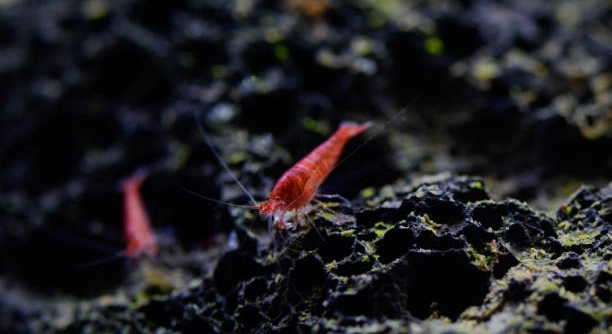
Cherry shrimp are tiny, delicate creatures that can brighten any aquarium with their vibrant colors. Sometimes, however, they seem to hide more than usual, staying near plants or decorations and avoiding open spaces entirely.
Cherry shrimp often act shy due to stress, water conditions, or tank environment. Factors such as sudden changes in temperature, high light levels, or incompatible tank mates can make them retreat and limit their activity.
Understanding why your shrimp behave this way can improve their comfort. By learning these subtle cues, you can create a calmer, healthier environment that encourages them to be more active.
Common Reasons Cherry Shrimp Hide
Cherry shrimp are sensitive to changes in their environment. Sudden fluctuations in water temperature or pH levels can make them retreat into hiding. Strong currents or bright lighting also create stress, as shrimp prefer calmer, dimmer areas. Overcrowding or the presence of aggressive tank mates may force them to seek shelter, reducing their visibility. Even small disturbances, like tapping on the glass or moving decorations, can cause them to stay hidden for hours or even days. Observing their patterns can help you identify the specific stressors. Providing plenty of plants, moss, and hiding spots helps them feel safe. Live plants not only offer shelter but also support better water quality. Proper acclimation when introducing new shrimp or tank changes minimizes stress and encourages them to explore. Keeping a stable routine for feeding and maintenance further reduces anxiety, helping your shrimp become more confident and active in their environment.
Shy behavior in shrimp often signals minor stress. Adjusting the tank environment can improve their comfort and activity.
Creating a stable, comfortable environment involves consistent water parameters, gentle lighting, and plenty of hiding spots. Plants like Java moss, floating plants, or small caves allow shrimp to feel secure. Avoid sudden changes in water chemistry or temperature, as these can trigger hiding. Overcrowding or mixing species that are not compatible may also lead to timid behavior. Observing shrimp closely will show which areas they prefer and when they are most active. Reducing disturbances near the tank encourages exploration. Providing a balanced diet with high-quality shrimp food and occasional treats supports their health. Slowly introducing new tank mates and maintaining a clean, stable environment fosters a sense of safety. With patience, your shrimp will gradually spend more time out in the open. This approach helps them thrive, display natural behavior, and maintain vibrant coloration.
Adjusting Tank Conditions
Proper water quality is essential for confident shrimp. Regular testing and careful adjustments help keep them healthy.
Temperature, pH, and hardness should remain consistent. Rapid changes can stress shrimp and cause them to hide. Filtration should provide gentle flow, and bright lights may need dimming or shading. Plants and moss provide both food sources and security. Hiding spots prevent dominance by more aggressive tank mates, giving timid shrimp space to explore when ready. Maintaining a clean substrate, avoiding overfeeding, and performing regular water changes supports overall water quality. Even subtle changes, like adding decorations or new plants, should be done gradually to avoid startling them. Monitoring behavior over time allows you to see which adjustments make a difference, helping you fine-tune the environment. Providing a stable and secure habitat encourages shrimp to show natural behaviors, including feeding, breeding, and interacting with the environment more openly, resulting in a lively and balanced aquarium.
Feeding and Shy Behavior
Cherry shrimp may hide if they feel unsafe while feeding. They often retreat to plants or decorations when food is offered, especially in a new or crowded tank.
Providing food in small amounts reduces competition and stress. Spread food across different areas to encourage timid shrimp to eat. Live or frozen foods like blanched vegetables, daphnia, or specialized shrimp pellets can attract them gradually. Observing their feeding patterns helps identify which shrimp are more confident and which need more time. Avoid overfeeding, as leftover food can degrade water quality, adding more stress. Offering a variety of foods ensures balanced nutrition and encourages shy shrimp to come out more often. Gradually, they will associate feeding times with safety, reducing hiding behavior and promoting healthier activity levels in the tank.
Shrimp often prefer grazing quietly on biofilm or plants rather than competing at the main food source. Allowing them to eat in safe zones supports natural behavior.
Even with proper feeding techniques, some shrimp remain shy due to tank dynamics. Adding more hiding spots and placing food near these areas can help them gradually venture out. Over time, confident shrimp often encourage timid ones to follow. Maintaining a calm environment during feeding—minimizing tapping on the glass or sudden movements—helps them feel secure. Consistency in feeding schedules also builds trust and reduces stress. Observing subtle changes in their activity and body color can indicate improved comfort. With patience, shy shrimp often increase their time in the open, showing natural behaviors like exploring and interacting with plants.
Tank Layout and Shrimp Confidence
Shrimp feel safer with plenty of places to hide and explore. Rocks, caves, and dense plants provide both cover and grazing areas.
A well-planned tank layout balances open swimming space with hiding spots. Dense plants or moss mats create layers where shrimp can feel secure. Decorations should allow shrimp to retreat quickly if startled, while open areas encourage natural exploration. Placing food near these safe zones reduces stress. Avoid overcrowding, as too many decorations or excessive shrimp can increase competition and hiding behavior. Gradually adjusting layout or adding new plants allows shrimp to adapt without excessive fear. A thoughtfully designed tank supports confident, active shrimp that interact more naturally with their environment.
Hiding spots also reduce aggression from tank mates. Shy shrimp gain confidence when they can escape if needed.
Shrimp often remain timid in tanks lacking proper structure. Incorporating moss, floating plants, or small caves allows them to explore at their own pace. Open areas between hiding spots encourage movement while providing safety. Observing where shrimp spend time reveals their comfort zones and preferred paths. Avoid sudden rearrangements of plants or decorations, as this can trigger hiding and stress. Gentle water flow and gradual acclimation to changes help them feel secure. By designing the tank with both shelter and open swimming spaces, shy shrimp gradually build confidence, spend more time feeding, and exhibit natural behaviors, making the aquarium more lively and balanced.
Water Quality and Shrimp Comfort
Maintaining stable water conditions is crucial for shy cherry shrimp. Fluctuations in temperature, pH, or ammonia levels can make them retreat and hide for long periods.
Regular testing and gentle adjustments prevent stress. Shrimp thrive in clean, well-oxygenated water with minimal chemical changes, helping them feel secure and more active.
Lighting and Activity Levels
Bright or harsh lighting often causes shrimp to hide. They prefer dimmer areas with soft, natural light that mimics their natural habitat. Adjusting the light intensity gradually helps them adapt and encourages more consistent activity throughout the day.
Tank Mates Influence Behavior
Aggressive or fast-moving tank mates can intimidate shy shrimp. Keeping peaceful species together allows timid shrimp to explore without constant stress, improving overall activity and comfort in the aquarium.
Observation and Patience
Consistently monitoring shrimp behavior helps identify stress triggers. Subtle changes in hiding patterns, color, or feeding habits signal environmental adjustments are needed to maintain a calm, safe habitat for them.
Why is my cherry shrimp hiding all the time?
Cherry shrimp hide for several reasons, usually related to stress or environmental factors. Sudden changes in water temperature, pH, or hardness can make them retreat to plants, moss, or decorations. Overcrowding and aggressive tank mates also contribute to hiding behavior. Even frequent disturbances near the tank, such as tapping on the glass or moving decorations, can cause them to stay out of sight. Hiding is a natural survival response, so shy shrimp often spend most of their time in areas where they feel safe. By observing patterns and adjusting their environment, you can encourage them to gradually come out and explore more.
How long does it take for shy shrimp to become confident?
The time it takes for shrimp to feel comfortable varies. Some shrimp may adjust within a few days if the tank conditions are stable and they feel safe. Others, particularly newly introduced shrimp or those in previously stressful environments, may take weeks or even months. Providing plenty of hiding spots, a stable water environment, gentle lighting, and minimal disturbances speeds up this process. Consistent feeding routines and gradual acclimation to changes help build trust and reduce anxiety. Patience is essential, as forcing interaction or removing hiding spaces can increase stress rather than encourage confidence.
Can water quality really affect shrimp behavior?
Yes, water quality is one of the most important factors influencing shrimp behavior. Ammonia, nitrite, or nitrate spikes create stress that makes shrimp hide. Sudden shifts in pH, temperature, or hardness also contribute to timid behavior. Maintaining stable, clean water with regular testing and water changes is essential. Proper filtration that does not create strong currents and avoiding overfeeding prevent water quality issues. Even minor fluctuations can be noticeable to shrimp, as they are highly sensitive to chemical and physical changes. Consistent water quality ensures that shrimp feel safe, remain healthy, and show normal activity patterns in the tank.
Does tank layout really matter for shy shrimp?
Yes, a thoughtfully arranged tank encourages shrimp to explore and reduces hiding. Providing plants, moss mats, small caves, or decorations creates secure zones where shrimp can retreat if startled. Open swimming areas between these hiding spots give them space to move and feed without feeling exposed. Overcrowding decorations or adding incompatible tank mates can increase stress and hiding. Gradually rearranging the tank or adding plants allows shrimp to adapt naturally. A well-balanced layout combining safety and open space supports confident shrimp, encourages natural behavior, and allows them to interact with their environment more freely.
Will feeding methods affect shy behavior?
Feeding techniques have a noticeable effect on timid shrimp. Offering small amounts in multiple areas reduces competition and stress. Placing food near hiding spots allows shrimp to eat safely without leaving shelter. Variety in diet—blanched vegetables, specialized pellets, or occasional frozen foods—encourages timid shrimp to come out gradually. Overfeeding can degrade water quality and increase hiding behavior. Consistent feeding routines build a sense of security, helping shrimp associate feeding times with safety. Observing shrimp while they eat shows which individuals are confident and which need more time, allowing adjustments to the feeding strategy.
Can lighting make shrimp more shy?
Yes, bright or harsh lighting often triggers hiding behavior. Shrimp feel safer in dim or diffused light that simulates natural conditions. Adjusting light intensity gradually and providing shaded areas with plants or floating foliage encourages them to explore. Sudden bright lights can stress them and force retreat, while gentle, consistent lighting supports normal activity and reduces fear. Observing where shrimp spend most of their time can guide adjustments to lighting and tank decor to maximize comfort.
Are some shrimp naturally more timid than others?
Individual temperament plays a role in shrimp behavior. Some shrimp are naturally shy, while others are more curious and bold. Environmental factors, previous stress, or injuries can intensify timidity. Creating a calm, secure environment helps even naturally timid shrimp become more confident over time. Observing individual differences ensures that feeding, tank layout, and water adjustments accommodate all shrimp, supporting overall well-being.
Do tank mates influence shy behavior?
Yes, fast or aggressive tank mates can intimidate cherry shrimp. Peaceful species reduce stress, allowing timid shrimp to explore and feed without constant hiding. Observing interactions and selecting compatible tank mates improves confidence, encourages natural behavior, and prevents unnecessary stress. Ensuring enough hiding spots also allows shrimp to retreat safely if startled.
Can changes in the tank environment improve shy behavior?
Gradual changes can improve shrimp confidence. Adding plants, moss, or hiding spots gives them security while encouraging exploration. Slow adjustments to lighting, decorations, or feeding locations prevent stress. Rapid changes often backfire, increasing hiding and anxiety. Patience and careful observation allow timid shrimp to adapt at their own pace, leading to healthier and more active behavior.
How do I know if my shrimp’s hiding is a problem?
Hiding is normal, but persistent, excessive retreat may signal stress or poor water conditions. Watch for changes in color, reduced feeding, or inactivity. Regular water testing, stable conditions, and a calm environment usually resolve these issues. Adjusting tank layout, feeding, and lighting often restores normal behavior.
This FAQ addresses common causes and solutions for shy cherry shrimp behavior, helping improve confidence, activity, and overall health in the aquarium.
Word count: 507
Cherry shrimp are delicate and sensitive creatures, and their behavior often reflects their comfort level in the tank. When they hide or act shy, it usually indicates that something in their environment is not ideal for them. Factors such as water quality, lighting, tank layout, and the presence of other tank mates all play a role in their behavior. Even small disturbances, like tapping on the glass or rearranging decorations suddenly, can cause stress and lead them to retreat. Understanding these factors helps us create a more stable and supportive habitat. Providing plenty of hiding spots, such as plants, moss, or small caves, gives them a sense of security. These safe areas allow timid shrimp to explore at their own pace while feeling protected. Over time, a thoughtful and consistent environment can encourage them to become more active and display their natural behaviors more openly.
Water quality is one of the most important elements for maintaining confident and healthy shrimp. Sudden changes in temperature, pH, or hardness can make them retreat for extended periods. Regular water testing and gradual adjustments prevent stress and allow them to adapt without anxiety. Proper filtration that avoids strong currents, combined with routine water changes and careful feeding practices, ensures that the water remains clean and stable. Overfeeding can cause leftover food to decompose, leading to harmful chemical spikes that stress shrimp further. Observing shrimp behavior in relation to water quality provides clear insight into their comfort levels. By maintaining consistent water conditions, we can reduce hiding behavior and support the shrimp’s overall health and well-being. Shy shrimp often require more patience, but consistent care helps them gradually gain confidence and interact with their surroundings more openly.
Tank layout and feeding practices also influence shrimp behavior significantly. Shrimp feel safer and more confident when they have a balance of hiding spaces and open areas for movement. Placing food near shelters encourages timid shrimp to eat without feeling exposed, and spreading food throughout the tank prevents competition. Lighting should be gentle and natural, with shaded areas where shrimp can retreat if necessary. Aggressive or fast-moving tank mates can intimidate them, so selecting peaceful companions is important. Monitoring shrimp regularly allows you to identify which changes are effective and which areas may still cause stress. Over time, providing a stable environment with secure hiding spots, proper water quality, and gentle feeding routines allows shy shrimp to thrive, explore, and display their natural colors and behaviors, creating a lively and balanced aquarium.
Word count: 414

Hello,
If you enjoy the content that we create, please consider saying a "Thank You!" by leaving a tip.
Every little bit helps us continue crafting quality advice that supports the health, happiness, and well-being of pets around the world, for pets of all shapes, sizes, and species.
We really appreciate the kindness and support that you show us!