
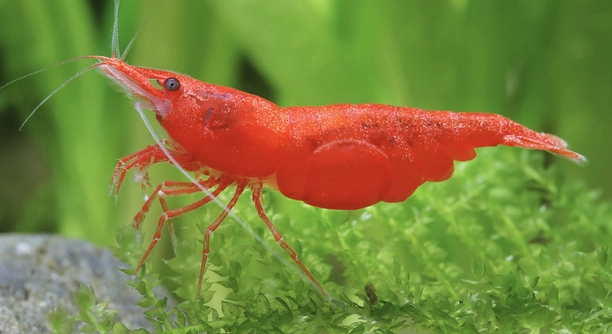
Cherry shrimp are small, vibrant creatures that add color and life to home aquariums. Many aquarium owners notice them exploring plants and hiding spots, moving with curiosity. Their lively behavior often keeps watchers entertained and engaged daily.
Cherry shrimp rarely jump out of tanks under normal conditions. Escapes typically occur when water parameters are poor, the tank is overcrowded, or there is insufficient food. Maintaining proper conditions and monitoring their environment reduces the risk of shrimp leaving the aquarium.
Observing these tiny shrimp can be fascinating, and understanding their habits ensures a safe and thriving home aquarium environment for them.
Why Cherry Shrimp Might Jump
Cherry shrimp are naturally cautious and sensitive to their surroundings. Sudden changes in water temperature, pH levels, or ammonia spikes can make them stressed, prompting unusual behavior like attempting to escape. Open tanks or gaps in lids provide opportunities for these tiny creatures to leave their safe environment. Often, shrimp won’t jump unless they feel threatened or uncomfortable. In some cases, aggressive tank mates can cause stress, pushing shrimp to look for a safer spot. Overcrowding is another factor, as limited space and hiding spots make shrimp anxious and restless. Even minor disturbances like tapping the glass or rearranging decorations can trigger jumping attempts. Ensuring stable water parameters, adequate food, and hiding areas reduces the chance of escapes. Many hobbyists find that paying attention to these details significantly improves shrimp behavior. Watching them move confidently through plants and moss reflects a healthier, more secure environment, minimizing risks of loss.
Providing proper tank covers and avoiding sudden changes ensures that shrimp remain safe and content.
When I first started keeping cherry shrimp, I noticed how sensitive they were to small changes. Even a minor drop in water temperature caused them to cling tightly to plants or quickly hide under decorations. Over time, I learned to monitor water parameters consistently and add moss or leaf litter for cover. Giving them enough space and maintaining cleanliness kept their stress levels low. Observing them interact calmly in a well-maintained tank is satisfying and reduces worries about escapes. Small adjustments, like gentle feeding routines and covering any gaps, make a huge difference in keeping them safe. This attention to detail ensures they thrive and exhibit natural behaviors, moving confidently and exploring without fear. Consistent care and observation build a sense of security for these delicate shrimp, preventing unnecessary stress or risky behavior.
Tank Setup to Prevent Escapes
Proper tank setup is essential to keep cherry shrimp contained and healthy.
A secure lid and careful placement of decorations prevent gaps that shrimp could exploit. Smooth edges and stable plants reduce stress and minimize escape attempts. Substrate choice matters, as fine gravel or sand allows natural foraging and hiding. Shrimp benefit from moss, caves, and floating plants that offer cover while they explore. Placement of filters and heaters should avoid strong currents that could push shrimp toward openings. Maintaining consistent water levels prevents accidental exposure to air. Observing shrimp daily helps spot early signs of stress, allowing quick adjustments. Regular partial water changes and monitoring of ammonia, nitrite, and nitrate levels keep the environment stable. Avoid overfeeding, which can increase debris and affect water quality, indirectly raising stress levels. Ensuring compatible tank mates reduces harassment or predation risks. A well-planned setup balances aesthetics and function, keeping shrimp safe, healthy, and active in their habitat. Proper care ensures their tiny lives remain vibrant, secure, and enjoyable to watch over time.
Common Mistakes That Cause Escapes
Neglecting proper tank maintenance often leads to cherry shrimp attempting to leave. Overcrowding, fluctuating water parameters, and weak tank covers are frequent issues that increase stress and risky behavior among shrimp.
In my early experience, I often overlooked small gaps in the lid and added too many shrimp at once. These mistakes caused noticeable jumps and escapes. I learned that even minor shifts in water chemistry, like pH swings or temperature drops, make shrimp anxious. Regular monitoring, careful stocking, and secure tank covers significantly reduce escape attempts. Observing shrimp behavior closely helps identify problems early, allowing corrections before any shrimp are lost. These simple adjustments make a huge difference in keeping them safe.
Another mistake is overfeeding, which can pollute the water quickly. Uneaten food breaks down and increases ammonia and nitrate levels, stressing the shrimp. I now feed sparingly and remove leftovers promptly. Additionally, aggressive tank mates can harass shrimp, prompting them to explore dangerous areas or try jumping. Proper tank planning, compatible species, and consistent maintenance help create a safe and calm environment. Adding hiding spots and moss ensures shrimp have secure areas to retreat. These precautions keep shrimp healthy and prevent unnecessary escape attempts.
Preventing Jumping Through Observation
Noticing subtle signs of stress early can prevent escapes. Rapid movement, constant hiding, or climbing the glass indicates potential problems.
I often track shrimp behavior daily, checking their activity and interactions. Small behavioral changes can signal water issues, overcrowding, or insufficient hiding spots. Observing how they respond to new additions or rearrangements allows me to adjust conditions quickly. Using timers for feeding and monitoring temperature consistency reduces sudden disturbances. Over time, these habits helped me understand shrimp needs better. Observation, combined with careful tank management, keeps shrimp comfortable, confident, and less likely to attempt escapes.
Routine observation also highlights environmental preferences. Some shrimp favor certain plants or areas for hiding, while others explore more open regions. I learned to arrange plants and decorations to balance exploration and safety. Monitoring water flow and adjusting filter currents prevents accidental pushes toward tank edges. Keeping a small notebook of shrimp behavior and water parameters helped me identify trends and make improvements. By being attentive and proactive, I prevent many common stressors before they cause escape attempts. Consistent observation is the key to maintaining a healthy, secure habitat for cherry shrimp.
Signs Your Shrimp Are Stressed
Shrimp may flick their tails, climb the glass, or hide excessively when stressed. These behaviors often indicate poor water conditions or overcrowding.
Changes in color, lethargy, or lack of feeding are additional signs. Stress can escalate quickly if not addressed, increasing the risk of jumping.
Feeding Habits That Affect Safety
Overfeeding or inconsistent feeding schedules can create water quality issues. Uneaten food decomposes, raising ammonia and nitrate levels that stress shrimp. I now feed small amounts at the same times daily. Observing how quickly they eat allows me to adjust portions. Feeding in this controlled way helps maintain clean water and reduces stress.
Water Quality Maintenance
Regular testing of pH, ammonia, nitrite, and nitrate keeps the tank stable. I use small, frequent water changes to maintain balance and prevent spikes. Stable water prevents stress-related jumps and supports shrimp health and growth.
Tank Lid Importance
A tight-fitting lid prevents shrimp from escaping. Even small gaps can be risky, so secure coverage is essential for safety.
FAQ
Do cherry shrimp really jump out of tanks?
Yes, cherry shrimp can occasionally jump, but it is uncommon. Most jumps happen when shrimp are stressed due to poor water conditions, overcrowding, or aggressive tank mates. I’ve noticed that when the tank is stable and the shrimp feel safe, jumping is almost nonexistent.
What are the main reasons shrimp try to escape?
Stress is the biggest factor. Rapid changes in water temperature, pH swings, or high ammonia levels make shrimp uneasy. Overcrowding or lack of hiding spaces can also trigger escape behavior. I learned to monitor water parameters regularly and provide plenty of moss and decorations, which greatly reduces jumping attempts.
Can tank mates cause shrimp to jump?
Yes. Larger or aggressive fish can scare shrimp, prompting them to try leaving the tank. I keep shrimp in tanks with calm, small fish to minimize stress. Providing hiding areas like moss, caves, and plants helps shrimp feel secure and reduces the chance of escapes.
How can I prevent my shrimp from jumping?
A secure, tight-fitting lid is essential. Ensuring proper water conditions, adequate hiding spots, and compatible tank mates also reduces stress. I always check for even small gaps in lids or decorations, as shrimp can squeeze through tiny spaces when anxious.
Does water quality really affect jumping?
Absolutely. Shrimp are highly sensitive to ammonia, nitrites, and pH fluctuations. I test water weekly and do partial water changes to keep conditions stable. Consistent water parameters make shrimp comfortable and confident, keeping them safe and less likely to try escaping.
Is overfeeding dangerous for shrimp?
Yes. Uneaten food breaks down, increasing ammonia and nitrate levels, which stress shrimp. I feed small portions and remove leftovers promptly. This not only keeps water clean but also reduces the likelihood of shrimp trying to jump in response to an uncomfortable environment.
Do shrimp ever jump for no reason?
Occasionally, a shrimp may attempt to explore, especially if it is young or newly added. In my experience, most jumps are triggered by stress or environmental issues rather than random behavior. Watching shrimp closely helps identify patterns and prevent unnecessary escapes.
Are some shrimp more prone to jumping than others?
Yes. More active or nervous shrimp tend to jump more if conditions are unfavorable. I’ve noticed that certain breeds are naturally more exploratory, so I make sure their tank setup is extra secure and stress-free.
Can decorations influence shrimp jumping?
Definitely. Sharp or unstable decorations can scare shrimp or block hiding areas, prompting jumps. I arrange plants and decorations carefully, providing smooth surfaces and stable structures. Moss and leaf litter are excellent for giving shrimp places to feel safe.
How important is daily observation?
Daily observation is crucial. It helps detect early signs of stress, illness, or water issues. I check shrimp behavior, feeding patterns, and tank conditions every day. Promptly addressing problems prevents escapes and keeps shrimp healthy and secure.
What should I do if a shrimp jumps?
If a shrimp jumps, it usually indicates stress or poor conditions. I immediately check water quality, tank security, and hiding spaces. If the shrimp survives, I monitor it closely to prevent further attempts and adjust the environment to make it feel safer.
Are juvenile shrimp more likely to jump?
Yes, younger shrimp are often more active and exploratory. I provide extra hiding spaces and maintain stable water conditions to reduce the risk. Over time, they settle into routines and are less likely to attempt jumping as they grow.
Does tank size matter?
Tank size influences shrimp comfort. Smaller tanks can increase stress if overcrowded, while larger tanks allow more space and hiding spots. I aim for a balance, ensuring enough room for shrimp to explore without feeling exposed, which reduces jumping risks.
Can temperature changes trigger jumping?
Yes. Sudden drops or rises in temperature stress shrimp and can lead to escape attempts. I use a reliable heater and thermometer to maintain stable temperatures. Gradual adjustments are essential when making changes to avoid startling them.
Do all shrimp species jump equally?
No. Some species are more prone to jumping than cherry shrimp. I’ve noticed that cherry shrimp are generally calmer, but stress or poor tank conditions can make any species attempt to leave. Proper care and tank setup are the best preventative measures.
Is it safe to keep shrimp in a planted tank?
Yes, planted tanks are ideal. Plants provide hiding spots, reduce stress, and make the environment natural. I keep moss, floating plants, and dense foliage, which helps shrimp feel secure and significantly lowers jumping behavior.
Can lighting affect shrimp behavior?
Bright or sudden lighting changes can startle shrimp. I use soft, consistent lighting and avoid sudden bursts or harsh flashes. This helps maintain calm behavior and reduces stress-induced jumps.
How often should I check the tank lid?
Daily checks are best. Even tiny gaps can allow shrimp to escape. I inspect edges and decorations near the surface to ensure complete coverage and security, keeping shrimp safely inside the tank at all times.
Are there signs a tank is unsafe for shrimp?
Signs include frequent hiding, flicking tails, climbing glass, or color fading. I monitor behavior closely, and any of these indicate immediate attention to water quality, tank setup, or stressors is needed to prevent escapes.
Does diet influence jumping?
A balanced diet keeps shrimp healthy and reduces stress. I provide high-quality food in appropriate amounts. Hungry or malnourished shrimp may become more restless, exploring areas they normally avoid, increasing the risk of jumping.
Can seasonal changes affect shrimp behavior?
Yes. Temperature fluctuations or light cycle changes can affect shrimp activity. I maintain stable indoor conditions and consistent routines to minimize stress and prevent jumps during seasonal shifts.
Are tank covers enough to prevent jumping?
Covers are necessary but not sufficient. Proper water conditions, hiding spots, and compatible tank mates are equally important. I combine secure lids with careful tank management to ensure shrimp safety and minimize escape risks.
How long does it take for shrimp to adjust to a new tank?
Adjustment usually takes a few days to a week. I provide plenty of hiding spots and maintain stable water parameters during this period. Observing behavior closely ensures they settle in safely without attempting to jump.
Can decorations block jumping paths?
Yes. Arranging plants and decorations can create barriers that prevent escapes. I place taller plants and floating foliage strategically near edges to reduce open paths and make shrimp feel secure.
Is it necessary to quarantine new shrimp?
Yes. Quarantining prevents stress and introduces shrimp slowly to the main tank. I observe behavior and health during this period, ensuring they adapt well before joining established shrimp. This reduces the chance of jumping due to sudden environmental changes.
Does substrate type matter for jumping prevention?
Soft substrates like sand or fine gravel allow natural foraging and provide security. I avoid sharp or uneven surfaces, which can stress shrimp and prompt exploratory jumps. Comfortable substrate encourages calm, safe behavior.
How do I know my shrimp are happy?
Active movement, consistent feeding, and regular hiding indicate content shrimp. I watch their behavior daily, ensuring they explore calmly without signs of stress. Happy shrimp are less likely to jump and show natural, confident behavior.
Can temperature or pH spikes happen suddenly?
Yes. Equipment failure or improper maintenance can cause rapid changes. I use reliable heaters, test water often, and monitor parameters to prevent sudden spikes that stress shrimp and may lead to jumping.
Do shrimp need hiding spots even in a secure tank?
Absolutely. Hiding spots reduce stress and provide security, even under a tight lid. I always include moss, plants, and decorations so shrimp can retreat when they feel threatened, reducing the likelihood of jumps.
Can adding new plants or decorations trigger jumping?
Yes, sudden changes can startle shrimp. I add items gradually and monitor behavior to prevent stress. Over time, they become accustomed, but initial introduction requires caution to avoid unnecessary escape attempts.
Are older shrimp less likely to jump?
Generally, yes. Older shrimp are more settled and less exploratory. I still maintain good conditions and secure lids, but mature shrimp tend to stay calmer and feel safer in their environment.
Does water flow affect jumping?
Strong currents can push shrimp toward tank edges, prompting jumps. I adjust filter output and monitor flow, ensuring shrimp can navigate comfortably without being forced toward potential escape routes.
Can overcrowding alone cause jumping?
Yes. Too many shrimp in a small space increases competition and stress. I maintain appropriate stocking levels and provide enough hiding spots to reduce tension, ensuring shrimp remain calm and less likely to jump.
How often should water parameters be tested?
Weekly testing is ideal. I track ammonia, nitrite, nitrate, and pH regularly. Consistent monitoring allows me to correct issues before they stress shrimp, preventing jumping and supporting overall health.
Can shrimp survive outside water?
Only briefly. I’ve seen instances where escaped shrimp survive a few minutes, but prolonged exposure is fatal. Preventing escapes through lids, proper conditions, and observation is essential for their safety.
Do substrate changes affect jumping?
Yes. Sudden substrate changes can stress shrimp and trigger jumps. I introduce new substrate gradually and ensure hiding spots remain consistent to help shrimp adjust comfortably.
Can sudden noises startle shrimp?
Yes. Loud or abrupt sounds can cause stress and erratic movement. I keep the tank in a calm area, away from frequent loud disturbances, which reduces the risk of jumping.
Is regular tank cleaning important?
Absolutely. Clean tanks maintain stable water parameters and reduce stress. I remove debris, uneaten food, and algae regularly, keeping the environment safe and comfortable for shrimp, minimizing escape attempts.
How do I handle shrimp after a jump?
If a shrimp survives, I gently return it to the water immediately and check conditions. I adjust water parameters, secure the tank, and provide extra hiding spots to prevent repeat attempts.
Can stress from handling cause jumping?
Yes. Excessive or rough handling can increase anxiety. I minimize direct interaction and only move shrimp when necessary, ensuring they remain calm and secure in their habitat.
Are all cherry shrimp equally sensitive to water changes?
No. Some tolerate minor fluctuations better, but most react to rapid changes. I always make gradual adjustments to water parameters to maintain comfort and reduce jumping risk.
Do shrimp recognize their tank environment?
Yes. They become familiar with hiding spots and territory. I’ve noticed shrimp exploring confidently over time, which reduces escape attempts as they feel secure in a stable, well-planted tank.
Does light duration affect behavior?
Yes. I maintain consistent light cycles to prevent stress. Sudden changes can startle shrimp, making them more likely to jump. Predictable lighting helps them feel safe and supports natural behavior.
Can plants alone prevent jumping?
Plants help but aren’t enough alone. I combine plants with secure lids, proper water conditions, and compatible tank mates to create a fully safe environment that discourages escapes.
How long does it take to correct jumping behavior?
With proper adjustments, behavior improves within days to a week. I focus on water stability, hiding spaces, and tank security, which gradually reduces stress and stops shrimp from attempting to jump.
Is it necessary to monitor shrimp individually?
Yes, observing each shrimp ensures health issues or stress are caught early. I track activity, feeding, and hiding habits to prevent potential jumps and maintain a safe environment.
Can ammonia spikes cause immediate jumping?
Yes. Even small spikes can cause distress. I use regular water testing and changes to prevent rapid increases, keeping shrimp safe and stress-free.
Does tank placement in the room matter?
Yes. Placing the tank in a stable, low-disturbance area reduces stress. I avoid high-traffic zones, vibrations, or sudden temperature changes to keep shrimp calm and less likely to attempt escapes.
Can jumping cause injury?
Yes. Escapes can be fatal or injure shrimp on hard surfaces. I learned early that secure lids and careful tank setup are essential to prevent accidents and ensure shrimp safety.
How do I make a shrimp feel safe?
Stable water parameters, hiding spots, compatible tank mates, and consistent routines all contribute. I combine these factors daily, which minimizes stress and prevents jumping behavior, keeping shrimp healthy and secure.
Can new water sources affect jumping?
Yes. Using water with different pH or hardness can stress shrimp. I acclimate them slowly to new water to prevent sudden environmental shocks and reduce escape attempts.
Does feeding location matter?
Yes. I place food in consistent spots, away from edges, to prevent shrimp from venturing too close to potential escape points while feeding.
Can tank decorations block hiding spots?
Yes. Overcrowding decorations or placing them incorrectly reduces hiding space. I arrange plants and moss to ensure clear, safe areas for shrimp to retreat when needed.
Are all shrimp equally prone to jumping in new tanks?
No. Some adapt faster than others. I provide secure hiding spots and maintain stable conditions to help newcomers settle in safely without attempting escapes.
Can light intensity cause stress?
Yes. Bright lights can startle shrimp. I use moderate, consistent lighting to reduce stress and maintain calm behavior.
Does water hardness affect jumping?
Extreme hardness can stress shrimp. I aim for moderate hardness suitable for cherry shrimp, which keeps them comfortable and less likely to attempt escapes.
Can filter output push shrimp toward edges?
Yes. Strong currents can force shrimp to climb decorations or glass. I adjust flow to ensure they navigate comfortably, minimizing risk of jumping.
Is tank depth a factor?
Yes. Shallow tanks with high activity levels may increase the likelihood of jumping. I provide adequate depth, hiding spots, and cover to reduce this risk.
Can sudden movement near the tank cause jumping?
Yes. Quick movements or tapping the glass can startle shrimp. I minimize disturbances near the tank to maintain calm behavior.
Do shrimp prefer calm water?
Yes. Gentle flow and stable conditions make shrimp feel secure. I reduce strong currents and disturbances to prevent stress-induced jumping.
How do I know if a shrimp is comfortable?
Regular activity, smooth swimming, and consistent feeding indicate comfort. I observe behavior daily to ensure shrimp are stress-free and unlikely to attempt jumping.
Can seasonal indoor changes affect shrimp?
Yes. Heating or cooling variations can alter water parameters. I maintain consistent indoor conditions to reduce stress and prevent jumps.
Is it better to have a planted or bare tank?
Planted tanks are safer. Plants provide hiding spots, reduce stress, and mimic natural habitat. I always include dense plants and moss for security.
Does tank lid material matter?
Yes. I use a sturdy lid without gaps. Thin or loose covers risk escapes, even in otherwise secure tanks.
Can shrimp get used to handling?
Limited handling reduces stress. I avoid frequent contact, allowing shrimp to explore naturally. Gradual interaction prevents fear and jumping attempts.
Is water temperature more critical than pH?
Both are important. I monitor temperature closely while keeping pH stable. Sudden changes in either can trigger jumping.
Can shrimp survive if the lid is left off overnight?
No. Even calm shrimp may explore and escape. I always keep the tank securely covered to prevent accidents.
How often should I inspect decorations for gaps?
Daily inspections ensure no escape routes. I check edges, plants, and ornaments, making small adjustments as needed to maintain a secure environment.
Can floating plants reduce jumping?
Yes. Floating plants provide cover and reduce stress. I place them strategically near the surface to discourage shrimp from approaching open edges.
Are young shrimp more likely to jump than adults?
Yes. They are curious and explore more actively. Extra hiding spots and secure lids help protect them until they settle.
Does feeding frequency influence jumping?
Regular, small feedings reduce stress. I avoid large meals that decompose quickly and cause water quality issues, keeping shrimp calm and safe.
Can tank neighbors scare shrimp?
Yes. Aggressive or fast-moving tank mates increase stress. I choose compatible species and provide sufficient hiding places to minimize fear.
Is acclimation necessary for new shrimp?
Yes. Gradual introduction to water conditions prevents stress and jumping. I drip acclimate new shrimp for at least an hour before releasing them into the main tank.
Does water clarity affect behavior?
Yes. Murky or dirty water stresses shrimp. I maintain clear water through filtration and regular changes to support calm, safe behavior.
Can seasonal lighting changes affect jumping?
Yes. I keep a consistent light schedule to prevent startling shrimp. Sudden shifts can increase activity near edges, raising escape risk.
Do all shrimp respond the same to stress?
No. Individual temperament varies. I monitor each shrimp to identify those more sensitive and make adjustments to prevent escape attempts.
Is substrate color relevant?
Yes. Dark substrates can reduce stress and help shrimp feel secure. I use natural-colored gravel or sand to provide comfort and confidence in the tank.
Can water aeration influence jumping?
Excessive aeration may push shrimp toward edges. I adjust air stones and filters to maintain gentle currents that support healthy movement without risk.
Do shrimp react to vibrations?
Yes. Vibrations from tapping, appliances, or movement near the tank can startle shrimp. I place the tank in a stable, low-disturbance area to reduce jumping risk.
Can sudden water additions cause jumping?
Yes. Adding water too quickly or at different temperatures can stress shrimp. I pour slowly and match temperature to avoid shocks.
Does tank size affect jumping behavior?
Yes. Smaller tanks with limited hiding spots increase stress and risk. I provide enough space and decor for shrimp to feel safe and reduce escape attempts.
Are juvenile shrimp more sensitive to water changes?
Yes. I acclimate them slowly and monitor closely. Sensitive juveniles are more prone to stress-induced jumps than adults.
Does tank lighting placement matter?
Yes. Bright lights above open edges can startle shrimp. I position lights to avoid glare and sudden intensity changes near the surface.
Can substrate depth influence jumping?
Shallow substrate limits hiding and foraging, increasing stress. I use sufficient depth to allow natural behavior and reduce escape risk.
Is it necessary to provide multiple hiding spots?
Yes. Multiple options reduce competition and stress. I include moss, caves, and plants to ensure each shrimp can retreat comfortably when needed.
Do shrimp prefer plants over decorations?
Yes. Natural plants provide security, food surfaces, and comfort. I combine plants with stable decorations for a balanced, safe environment.
Can feeding methods reduce jumping?
Yes. Placing food in central areas and feeding small portions encourages calm behavior. I avoid feeding near edges to prevent shrimp from venturing too close.
Does water flow near the surface affect jumping?
Yes. Strong currents near the top push shrimp toward edges. I adjust flow to maintain calm surface conditions.
Are shrimp more likely to jump at night?
Occasionally. I ensure tanks are covered and provide floating plants to reduce nighttime stress and
Cherry shrimp are small, delicate creatures that bring life and color to a tank. They are generally calm and cautious, but they can occasionally attempt to jump if conditions are not ideal. Stress from water quality fluctuations, sudden changes, or overcrowding is often the main reason. Aggressive tank mates or lack of hiding spaces can also make shrimp anxious, leading them to explore unsafe areas. Overfeeding or leftover food that decays quickly adds to the problem by increasing ammonia or nitrate levels. Observing their behavior daily is essential to notice subtle signs of stress. Flicking tails, climbing the glass, hiding more than usual, or changes in color can indicate discomfort. By paying attention early, adjustments can be made before shrimp attempt to leave the tank. Simple measures such as stable water parameters, gentle water flow, and adequate plant coverage help shrimp feel safe and reduce the risk of jumping. I’ve learned that even small improvements, like adding moss or adjusting the lid, make a big difference in their comfort and confidence.
Maintaining proper tank setup is crucial for the well-being of cherry shrimp. A tight-fitting lid prevents escapes while stable water conditions keep them calm. Providing plenty of hiding spots with moss, caves, and floating plants allows shrimp to retreat when they feel threatened. Overcrowding can increase stress, so proper stocking levels are important. I make sure decorations are secure and smooth to avoid startling or injuring the shrimp. Consistent feeding routines with appropriate portion sizes maintain water quality and reduce stress-related behavior. Even the placement of filters and heaters matters, as strong currents or temperature fluctuations can push shrimp toward the edges of the tank. By combining a secure, well-planted tank with careful observation and regular maintenance, the environment becomes safe and predictable. Shrimp thrive in these conditions, exhibiting natural behavior and moving confidently through their habitat without attempting to jump.
Observation and attention to detail are key to keeping cherry shrimp safe and healthy. I monitor water parameters, daily behavior, and feeding patterns closely, making adjustments when needed. Noticing subtle changes allows me to address stressors before they become bigger problems. Gradual introduction of new shrimp, careful acclimation to water changes, and proper placement of decorations ensure they feel secure. Even small things, like the type of substrate or light intensity, can influence shrimp behavior. By maintaining a stable, well-organized tank and providing an environment that mimics their natural preferences, shrimp remain calm, active, and healthy. Proper care, attention, and preventive measures greatly reduce the likelihood of jumping, allowing these tiny creatures to flourish in a safe and supportive aquarium. Over time, I’ve found that a combination of consistency, observation, and thoughtful tank setup creates a habitat where shrimp can thrive without risk.

Hello,
If you enjoy the content that we create, please consider saying a "Thank You!" by leaving a tip.
Every little bit helps us continue crafting quality advice that supports the health, happiness, and well-being of pets around the world, for pets of all shapes, sizes, and species.
We really appreciate the kindness and support that you show us!