
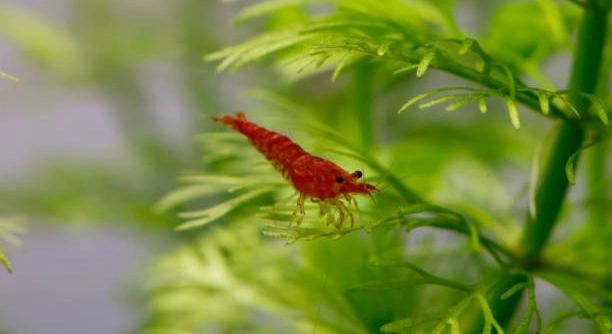
Cherry shrimp are tiny, colorful creatures that often brighten up home aquariums. Many shrimp owners notice a recurring behavior where these small crustaceans frequently cling to the sponge filter in their tanks.
Cherry shrimp are consistently found on the sponge due to its role as a food source and shelter. Biofilm and algae grow on the sponge surface, providing essential nutrients, while the sponge’s structure offers a safe area for shrimp to explore and hide.
Observing shrimp on the sponge is common, but understanding why they prefer it can improve their care and overall tank health.
Why Cherry Shrimp Prefer the Sponge Filter
Cherry shrimp are drawn to sponge filters because they provide both food and security. The sponge surface collects biofilm, algae, and leftover food particles, which shrimp graze on throughout the day. It’s like having a small, constant buffet they can rely on without needing to search the tank extensively. Additionally, the porous texture of the sponge creates tiny crevices that feel safe for the shrimp. These spaces help them hide from more aggressive tank mates or when they are molting, which is a vulnerable time. Over time, shrimp learn to associate the sponge with safety and nutrition, making it a preferred spot in the aquarium. For many shrimp keepers, observing this behavior highlights how simple environmental additions can support natural behaviors. The sponge filter’s dual function is practical, improving water filtration while simultaneously catering to the shrimp’s needs.
The sponge filter offers both protection and consistent feeding opportunities, which is why shrimp are frequently seen clinging to it.
Providing a sponge filter not only ensures cleaner water but also encourages natural shrimp behavior. Watching them feed and explore gives insight into their daily routines. Some shrimp will spend most of their time on the sponge, grazing on biofilm layer by layer, which also helps maintain their health. This behavior reduces stress and allows them to feel secure, especially in tanks with larger or more active species. Over time, shrimp may even favor certain parts of the sponge where biofilm growth is denser. Observing this pattern can help you understand their habits and adjust feeding or cleaning schedules to match. It’s fascinating to see how such a simple addition can have a meaningful impact on their comfort and overall wellbeing in the tank environment.
Tips for Encouraging Shrimp to Use the Sponge
Maintaining the sponge with gentle cleaning ensures shrimp continue to benefit from it without disturbing them.
To encourage regular sponge use, ensure it remains covered in biofilm and positioned in a low-flow area of the tank. Feeding small amounts regularly helps biofilm thrive, attracting the shrimp naturally. Monitor the tank to avoid overgrowth that could harm water quality. Consistency and observation will support the shrimp’s preference for the sponge. Keeping plants nearby can complement this setup, offering additional hiding spots. By arranging the tank thoughtfully, shrimp are more likely to explore and feed safely, reinforcing their natural habits.
Over time, understanding and supporting this behavior improves tank management and shrimp health. Observing where shrimp congregate helps determine water flow and feeding adjustments. A balanced approach ensures they continue to thrive on the sponge, benefiting both filtration and overall tank ecology.
Common Misconceptions About Sponge Behavior
Many shrimp keepers assume shrimp cling to the sponge only for food, but safety plays an equally important role in their behavior.
While feeding is a major reason, shrimp also use the sponge as a protective area. The tiny holes and crevices provide shelter from strong currents and potential threats. Even in peaceful tanks, shrimp instinctively seek areas where they feel secure. Observing them hiding or grazing on the sponge shows a balance between nutrition and safety. Some shrimp spend hours on one spot, carefully navigating the surface while avoiding open areas. This behavior reflects natural instincts carried from their native habitats into the aquarium environment.
Another misconception is that over-cleaning the sponge will benefit shrimp. In reality, excessive cleaning removes the biofilm and algae they rely on, reducing their food supply and making them more hesitant to explore. It’s best to gently rinse the sponge in tank water, preserving the beneficial growth. By maintaining the sponge without fully stripping it, shrimp continue to enjoy both the nutritional and protective benefits it provides, supporting their health and activity levels consistently.
Maintaining a Healthy Sponge Environment
A sponge’s health directly affects the shrimp that rely on it, making regular care essential.
Keeping the sponge clean while preserving biofilm requires a careful approach. Rinsing it in tank water helps remove debris without stripping away essential microorganisms. Avoid using soap or chemicals, as these can harm shrimp and disrupt the delicate ecosystem. Placement in a gentle water flow ensures biofilm growth continues while preventing clogging. Observing how shrimp interact with the sponge can guide cleaning frequency. Adjusting tank conditions, such as feeding and lighting, also helps maintain the ideal balance for biofilm production. Proper sponge care ensures shrimp have a reliable source of food and safety consistently.
Over time, a well-maintained sponge supports healthy shrimp behavior and reduces stress in the tank. Regular monitoring, gentle cleaning, and careful placement allow shrimp to thrive while the filter continues its essential function. By focusing on both water quality and habitat needs, you create an environment that promotes natural activity, feeding, and exploration. This balance benefits not only the shrimp but the overall health of the aquarium ecosystem.
Feeding Patterns on the Sponge
Shrimp spend a lot of time grazing on biofilm that naturally grows on the sponge surface. This constant nibbling keeps them well-fed between regular tank feedings.
They also target leftover food particles trapped in the sponge. This behavior maximizes their nutrition without them having to search the tank extensively.
How Tank Conditions Affect Sponge Use
Water flow, temperature, and lighting all influence how shrimp interact with the sponge. Strong currents may push shrimp away, while gentle flow encourages grazing. Moderate lighting helps biofilm grow without promoting excessive algae. Maintaining stable water parameters ensures shrimp remain active on the sponge and reduces stress.
Signs Your Shrimp Prefer the Sponge
Frequent visits, lingering in one spot, and consistent grazing indicate shrimp favor the sponge.
FAQ
Why do cherry shrimp spend so much time on the sponge?
Cherry shrimp are drawn to sponge filters because they provide both food and protection. The sponge surface grows biofilm and algae, which the shrimp graze on constantly. It also has small crevices where they can hide, especially during molting, making it a safe and reliable spot in the tank.
Can shrimp survive without a sponge filter?
Yes, shrimp can survive without a sponge filter if other hiding spots and biofilm sources are available. However, the sponge is convenient because it combines shelter and food in one area. Without it, shrimp may spend more time searching the tank for nourishment and safety.
How often should I clean the sponge?
The sponge should be cleaned gently in tank water when debris builds up. Avoid using soap or tap water, as chemicals can harm the shrimp and remove essential microorganisms. Regular, gentle cleaning preserves biofilm growth while keeping the filter functional.
Why do some shrimp ignore the sponge?
Not all shrimp spend equal time on the sponge. Factors like tank layout, availability of other hiding spots, or water current strength can influence where shrimp prefer to go. Some shrimp may also explore more actively, grazing on plants or tank surfaces instead of the sponge.
Does biofilm alone provide enough nutrition?
Biofilm is a key source of natural nutrition but is not sufficient alone. Supplementing with shrimp pellets or algae wafers ensures they receive all necessary nutrients. The sponge acts as a supplemental food source, keeping shrimp fed between scheduled feedings.
Can over-cleaning harm shrimp behavior?
Yes, excessive cleaning removes biofilm and algae, reducing feeding opportunities and making shrimp feel unsafe. It may lead to stress or decreased activity. A sponge should be rinsed gently and only when necessary to maintain both water quality and shrimp comfort.
Do shrimp prefer certain parts of the sponge?
Shrimp often favor areas with the densest biofilm growth or parts that offer more shelter. Observing where they spend most time can help determine optimal cleaning and placement to maintain comfort and feeding opportunities.
How does water flow affect sponge use?
Strong currents can push shrimp away from the sponge, reducing grazing and hiding behavior. Gentle flow encourages shrimp to stay on the sponge, allowing them to feed naturally while still benefiting from filtration.
Is the sponge important for molting shrimp?
Yes, shrimp often use sponge crevices as a safe place to molt. The porous structure protects them from potential threats during this vulnerable stage and allows them to remain in a secure area until their new exoskeleton hardens.
Can other tank mates affect sponge behavior?
Yes, shrimp may avoid the sponge if tank mates are aggressive or too large. Providing additional hiding spots can reduce stress and encourage shrimp to use the sponge without interference.
Should I add more than one sponge?
Adding multiple sponges can be beneficial in larger tanks or with many shrimp. It distributes biofilm and hiding areas, reducing competition and giving shrimp more opportunities to feed and feel secure.
Does lighting affect sponge grazing?
Moderate lighting promotes biofilm growth without encouraging excessive algae. Too much light may cause algae overgrowth, while too little may reduce biofilm production, impacting shrimp feeding behavior and preference for the sponge.
Can sponge filters replace plants entirely for hiding spots?
While sponges offer food and safety, plants provide natural cover and enrichment. Using both ensures shrimp have diverse hiding spots, reducing stress and promoting natural activity in the tank.
How can I encourage shrimp to use the sponge more?
Encouraging biofilm growth by feeding sparingly and maintaining gentle water flow helps. Observing where shrimp graze and adjusting tank placement can also improve sponge use, ensuring they get consistent nutrition and protection.
Do shrimp groom the sponge or just feed on it?
Shrimp both graze for food and explore the sponge structure. Grooming behavior helps remove unwanted debris from their bodies and encourages biofilm consumption, contributing to their overall health and hygiene.
Can the sponge affect water quality?
Yes, sponges provide mechanical filtration by trapping debris. They also support beneficial bacteria, which help break down waste and maintain a balanced tank environment, benefiting both shrimp and other aquatic life.
What signs show shrimp are benefiting from the sponge?
Active grazing, frequent visits, and secure hiding behavior indicate shrimp are thriving. Healthy color, consistent molting, and steady activity levels suggest the sponge is effectively supporting their needs.
Is there a preferred sponge type for cherry shrimp?
Fine-pored, soft sponges are ideal. They allow biofilm to grow well and provide gentle surfaces for shrimp to explore without damaging delicate appendages. Durable, non-toxic material ensures long-term use and shrimp safety.
Can baby shrimp use the sponge too?
Yes, baby shrimp, or shrimplets, rely heavily on sponges for both food and shelter. The small crevices protect them from larger tank inhabitants and provide a continuous source of biofilm essential for early growth.
How do I know if the sponge is overgrown or unsafe?
Excessive algae or debris buildup can reduce water flow and make shrimp uncomfortable. If shrimp avoid the sponge or appear stressed, it may be time for a gentle rinse to restore safe and productive conditions.
Do shrimp share the sponge peacefully?
Yes, cherry shrimp are generally social and share sponge space without conflict. Multiple shrimp can graze and hide simultaneously, though dense populations may require additional sponges to prevent overcrowding and ensure access to biofilm.
Can sponge placement affect shrimp activity?
Placing the sponge in low-flow, accessible areas encourages consistent grazing and exploration. Avoiding corners or high-current zones ensures shrimp can use it safely and maintain natural behaviors, supporting both feeding and protection effectively.
Does temperature influence sponge preference?
Moderate, stable temperatures encourage shrimp to stay on the sponge. Sudden fluctuations may cause them to retreat to other hiding spots or reduce grazing activity, highlighting the importance of consistent tank conditions.
Can I combine sponges with other feeding methods?
Yes, combining sponges with occasional pellets or wafers ensures shrimp receive complete nutrition. The sponge serves as a continuous, natural feeding source, complementing supplemental feedings without overfeeding or creating excess waste.
How long can shrimp rely on the sponge alone?
While biofilm provides constant nutrition, it is best to supplement with shrimp-specific foods for balanced health. The sponge ensures survival and comfort, but complete nutrition requires occasional additional feedings.
Are there any risks with sponge filters?
Risks are minimal if maintained properly. Over-cleaning or placing sponges in high flow areas can disrupt feeding and hiding. Regular observation and gentle care prevent these issues, allowing shrimp to thrive safely.
Do shrimp show preference for certain sponge textures?
Shrimp prefer soft, porous sponges that are easy to navigate and rich in biofilm. Coarse or hard sponges may discourage grazing or exploration, making texture an important factor in sponge selection.
Can sponges help reduce stress in new shrimp?
Yes, new shrimp often use the sponge as a familiar, safe area while acclimating to the tank. It provides both nourishment and protection, helping them settle more quickly and encouraging natural behavior.
Do all shrimp species behave the same on sponges?
Behavior varies by species. Cherry shrimp are highly active and frequently graze, while other species may use sponges more for hiding. Observing individual behaviors ensures tank setup meets the specific needs of each species.
How can I monitor sponge effectiveness over time?
Track shrimp activity, grazing frequency, and color health. Consistent visits and healthy behavior indicate the sponge supports nutrition and shelter effectively. Adjust cleaning, placement, or tank conditions if shrimp use declines.
Is it normal for shrimp to cling to one sponge spot for long periods?
Yes, shrimp often favor areas with dense biofilm or better shelter. Long periods of grazing or hiding in one spot are normal and indicate that the sponge meets their nutritional and safety needs.
Can sponge filters help reduce disease in shrimp?
Indirectly, yes. Sponges trap debris and support beneficial bacteria, improving water quality. Healthier water reduces stress and susceptibility to illness, promoting overall shrimp wellbeing while providing food and shelter.
What maintenance tips ensure shrimp continue using the sponge?
Gently rinse in tank water, maintain moderate lighting, monitor biofilm growth, and ensure gentle water flow. Avoid chemicals or over-cleaning to preserve both feeding and hiding functions. Regular observation helps maintain a healthy, attractive sponge for shrimp.
How do shrimp interact with sponges at night?
Shrimp continue grazing and exploring under low light, often retreating to crevices for safety. The sponge remains a reliable food source and shelter during nighttime, supporting natural circadian activity patterns.
Are there signs of overpopulation on a single sponge?
Overcrowding can lead to competition for biofilm and limited hiding space. Adding additional sponges or spreading biofilm sources prevents stress and ensures all shrimp have access to feeding and shelter areas.
Do shrimp ever ignore a sponge entirely?
Rarely, but it can happen if the sponge is overly clean, lacks biofilm, or is in an unfavorable location. Adjusting placement, flow, or feeding patterns can encourage shrimp to resume using it consistently.
Can I use multiple sponge types in one tank?
Yes, using sponges with different textures or porosities provides variety. Shrimp may prefer certain surfaces for grazing or hiding, and multiple types can support their natural behavior while maintaining filtration efficiency.
How long does it take for shrimp to start using a new sponge?
Shrimp often explore a new sponge within hours but may take a few days to graze regularly. Biofilm growth and gentle water flow help attract them faster, establishing it as a consistent feeding and hiding spot.
Are sponges more important in smaller tanks?
Yes, limited space increases the importance of concentrated food and hiding areas. In small tanks, sponges provide both filtration and essential habitat, supporting shrimp health and natural activity efficiently.
What should I avoid when using sponge filters for shrimp?
Avoid harsh cleaning, strong currents, and chemical exposure. These can disrupt biofilm, reduce feeding opportunities, and stress shrimp. Gentle maintenance and careful placement ensure long-term use and shrimp comfort.
Can shrimp help maintain the sponge?
Yes, grazing removes excess biofilm and small debris, indirectly supporting sponge function. Their activity keeps surfaces clean while providing nutrition, contributing to the overall tank ecosystem.
Do shrimp use sponges differently in planted tanks?
In planted tanks, shrimp balance grazing on sponge biofilm with feeding on plant surfaces. The sponge remains an important secondary food source and hiding area, complementing natural foraging behavior among plants.
How do I know if shrimp are stressed with a sponge setup?
Signs include avoiding the sponge, reduced grazing, hiding elsewhere, or color changes. Adjust cleaning, placement, or tank conditions to restore a safe and productive environment for the shrimp.
Can I relocate a sponge without upsetting shrimp?
Yes, but move it gently and gradually if possible. Shrimp may temporarily avoid it, but consistent biofilm and protection will encourage them to return. Avoid sudden removal, which can cause stress or disorientation.
Is it normal for shrimp to cluster on one sponge during feeding?
Yes, shrimp often gather where biofilm or trapped food is densest. Clustering indicates the sponge is effectively providing nutrition and security, especially in high-activity feeding periods.
Do different shrimp ages use the sponge differently?
Juveniles focus on grazing biofilm and hiding, while adults may explore more but still rely on it for food and protection. Providing varied sponge surfaces ensures all age groups benefit consistently.
Can sponge filters be used with other filtration methods?
Yes, combining sponges with hang-on-back or canister filters enhances overall water quality while still providing shrimp-friendly grazing and hiding areas. Proper placement prevents strong currents that may discourage sponge use.
How can I tell if biofilm growth is sufficient?
Regular shrimp grazing, visible accumulation on sponge surfaces, and consistent activity indicate sufficient biofilm. Slow or sparse growth may require adjusting lighting, feeding, or flow to encourage production naturally.
Do shrimp prefer horizontal or vertical sponge placement?
Shrimp often use horizontal surfaces for grazing and vertical areas for hiding. Placement variety allows them to choose the most comfortable position for feeding and protection, supporting natural behavior.
Are there any signs the sponge is harmful?
Shrimp avoiding the sponge, frequent stress behavior, or damaged appendages suggest issues. Check water flow, cleanliness, or sponge material to ensure it remains safe and suitable for long-term use.
Does the size of the sponge matter?
Larger sponges provide more surface area for grazing and hiding, reducing competition among shrimp. In smaller tanks, even a modest sponge is sufficient, but additional sponges may benefit crowded or heavily stocked setups.
Can shrimp transfer biofilm from sponge to other surfaces?
Yes, grazing activity can spread biofilm throughout the tank. This contributes to a more even food source and helps maintain natural feeding behavior on plants, decorations, and other surfaces.
How often should I observe sponge activity?
Daily or regular observation helps monitor shrimp health, feeding habits, and biofilm condition. Tracking activity allows for timely adjustments in cleaning, placement, or feeding routines to maintain optimal conditions.
Are there any special considerations for breeding shrimp?
Breeding shrimp often use sponges for hiding and grazing. Providing ample biofilm and crevices supports both adult and juvenile needs, reducing stress and promoting successful reproduction.
Can sponges help with algae control?
Indirectly, yes. Shrimp grazing on biofilm and microalgae can reduce excessive growth while maintaining a balanced tank environment, complementing regular maintenance and filtration.
Do shrimp groom each other on the sponge?
Occasionally, shrimp may interact while grazing, gently touching or picking at surfaces. Grooming primarily involves self-cleaning, but these interactions show social tolerance and shared use of the sponge.
What is the ideal sponge pore size for cherry shrimp?
Fine to medium pores allow shrimp to graze efficiently while providing small crevices for hiding. Extremely large pores may reduce biofilm surface area and limit protection, while very fine sponges can clog easily.
Can sponges support shrimp during water changes?
Yes, sponges offer a stable food source and safe hiding area during water changes, helping shrimp remain comfortable and reducing stress when other areas of the tank are temporarily disrupted.
How do I know if shrimp are feeding enough on the sponge?
Active grazing, healthy growth, and bright coloration indicate sufficient feeding. If shrimp appear lethargic or lose color, it may signal inadequate biofilm or the need for supplemental food sources.
Do shrimp prefer certain sponge colors?
Color is less important than texture and biofilm growth. However, natural or darker sponges may provide a sense of security, while very bright or artificial colors may make shrimp cautious initially.
Can sponges harbor harmful bacteria?
Sponges support both beneficial and potentially harmful bacteria. Maintaining proper water quality, gentle cleaning, and avoiding chemicals ensures harmful bacteria are minimized, allowing shrimp to thrive safely.
Are there seasonal effects on sponge grazing?
Temperature and light changes can influence biofilm growth and shrimp activity. Stable conditions help maintain consistent sponge use, while seasonal shifts may require minor adjustments to feeding and maintenance routines.
Do shrimp use sponges differently in community tanks?
In community tanks, shrimp may share the sponge cautiously, balancing grazing with avoiding larger or more aggressive species. Additional hiding spots and biofilm sources ensure they continue to feed safely without stress.
Can I remove the sponge temporarily without affecting shrimp?
Short-term removal is usually manageable if alternative hiding spots and food sources are available. Prolonged absence may stress shrimp and disrupt feeding routines, so it’s best to limit removal duration.
How long do shrimp typically stay on the sponge each day?
Time varies by individual and tank conditions. Many spend several hours grazing and hiding, while others explore more. Observing patterns helps assess behavior and adjust tank setup to support consistent sponge use.
Does feeding frequency affect sponge grazing?
Yes, more frequent feeding can reduce reliance on the sponge, while infrequent feeding encourages grazing on biofilm. Balancing feeding schedules supports natural foraging behavior and maintains sponge activity.
Can I use the sponge as a supplemental feeding tool only?
Yes, sponges provide consistent biofilm grazing in addition to regular feedings. They act as a natural supplement, supporting nutrition and reducing stress while maintaining filtration benefits.
Do shrimp ever damage the sponge?
Shrimp do not damage sponges. They graze gently, leaving the material intact. Only improper cleaning or strong currents pose risks to sponge integrity.
Are sponges more important in newly established tanks?
Yes, in new tanks, sponges provide early hiding spots and food sources while the ecosystem stabilizes. They help shrimp acclimate and support biofilm development, complementing other tank setup measures.
How do I balance sponge use with other tank enrichment?
Provide plants, decorations, and multiple hiding areas alongside the sponge. This encourages natural exploration while ensuring shrimp always have a safe feeding and shelter area.
Can shrimp survive if biofilm growth slows?
If biofilm is limited, supplemental feeding becomes critical. Shrimp may still use the sponge for shelter, but nutrition must be provided from other sources to maintain health.
Do shrimp ever overgraze the sponge?
Overgrazing is uncommon, as biofilm regenerates naturally. Excessive feeding or insufficient cleaning may alter biofilm balance, but generally, shrimp grazing supports sponge upkeep rather than harming it.
Can I combine sponges with other hiding materials?
Yes, adding plants, rocks, or PVC tubes complements sponge use. Multiple hiding areas reduce stress, prevent overcrowding, and ensure shrimp have diverse environments for feeding and protection.
How does sponge placement influence breeding behavior?
Positioning sponges in safe, low-flow areas encourages breeding shrimp to use them for hiding and grazing. Crevices provide security for molting females and protection for juvenile shrimp, supporting reproductive success naturally.
Are there signs shrimp are not using the sponge enough?
Shrimp avoiding the sponge, reduced grazing, or hiding elsewhere indicate low usage. Adjust flow, biofilm growth, or placement to restore consistent interaction and maintain health and comfort.
Can sponges serve as a backup food source during tank maintenance?
Yes, during cleaning or temporary disruptions, the sponge provides continuous access to biofilm, reducing stress and ensuring shrimp have a reliable food source while the tank is adjusted.
Does the sponge help juvenile and adult shrimp differently?
Juveniles rely more on small crevices for protection and biofilm grazing. Adults use it for supplemental feeding and molting safety. Both benefit, making the sponge a versatile element across life stages.
Can shrimp change their favorite sponge over time?
Yes, as biofilm growth shifts or tank conditions change, shrimp may explore new areas. Maintaining multiple sponges or adjusting placement ensures continued feeding and hiding opportunities.
Do all shrimp in a tank use the sponge equally?
Usage varies. Some are more active grazers, while others prefer exploring plants or decorations
Cherry shrimp are small, active creatures that add life and color to any aquarium. Their consistent attraction to the sponge filter highlights an important aspect of their natural behavior. The sponge offers both nutrition and shelter, allowing shrimp to feel safe while grazing on the biofilm and algae that grow on its surface. Observing them spending time on the sponge provides insight into their daily routines, feeding patterns, and instinctual need for protection. It is clear that this simple addition to the tank plays a vital role in supporting their overall health and comfort. The sponge serves as a stable environment where shrimp can engage in natural behaviors, from careful grazing to hiding in its crevices during molting or stressful moments, which ultimately contributes to their wellbeing.
Maintaining the sponge properly is key to ensuring it remains a beneficial feature for shrimp. Gentle rinsing in tank water preserves the essential biofilm while keeping the filter functional, and careful placement ensures that water flow does not disrupt their grazing or hiding behaviors. Biofilm alone is not enough to provide complete nutrition, so supplementing with small amounts of shrimp-specific food is important. However, the sponge helps bridge the gap between feedings, offering a constant source of nutrition and a sense of security. Paying attention to how shrimp interact with the sponge can inform adjustments in tank care, such as modifying feeding schedules, adjusting water flow, or providing additional hiding spots. These small steps help create a balanced environment that supports both the shrimp and the overall health of the aquarium.
Finally, understanding why shrimp favor the sponge filter allows for better care and a more harmonious tank setup. It is not just about providing a food source, but also creating an environment that accommodates their natural instincts. Shrimp thrive when they have reliable access to both nourishment and protection, and the sponge fulfills both roles effectively. Observing their behavior on the sponge provides useful feedback on tank conditions, letting keepers adjust lighting, flow, and placement as needed. With proper care, a sponge filter supports shrimp of all ages, from juveniles needing safety to adults seeking both food and shelter. By recognizing the importance of this small yet significant element, shrimp owners can ensure their aquatic pets remain healthy, active, and stress-free, while also maintaining a cleaner, well-balanced tank ecosystem.

Hello,
If you enjoy the content that we create, please consider saying a "Thank You!" by leaving a tip.
Every little bit helps us continue crafting quality advice that supports the health, happiness, and well-being of pets around the world, for pets of all shapes, sizes, and species.
We really appreciate the kindness and support that you show us!