
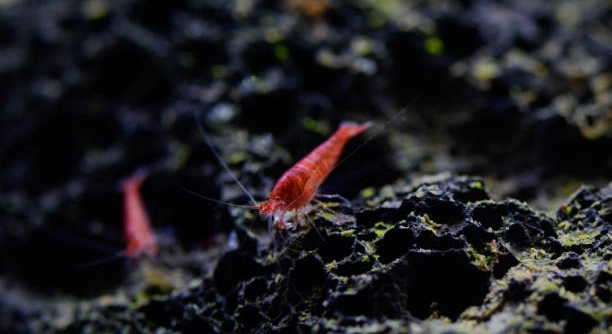
Cherry shrimp are delicate and need a calm environment to thrive. Tank filters can make a big difference, but loud filters often stress these tiny creatures. Choosing the right filter helps keep them healthy and active.
Quiet sponge filters, hang-on-back filters, and small internal filters are preferred for cherry shrimp. These filters provide gentle water flow, adequate filtration, and minimal noise, supporting shrimp health, breeding success, and maintaining stable water conditions essential for their well-being.
Learning which filters work best ensures your shrimp live comfortably and safely while keeping your tank clean and balanced.
Sponge Filters for Gentle Filtration
Sponge filters are perfect for cherry shrimp tanks because they provide soft water flow that won’t disturb the shrimp. They are air-driven, which keeps them quiet and safe for tiny shrimp. These filters trap debris while also offering surface area for beneficial bacteria to grow. The bacteria help break down waste, keeping water clean and stable. Sponge filters are easy to maintain; simply rinse the sponge in tank water during regular maintenance to remove debris without harming bacteria. They also prevent shrimp from being sucked into the filter, which is a common risk with stronger pumps. Many hobbyists choose sponge filters for breeding tanks because they create a calm environment, helping baby shrimp survive. Their compact size fits in small tanks without taking up too much space. Over time, the sponge will become a natural habitat for shrimp to graze on, which can help keep them healthy and active.
These filters are quiet and safe, making them ideal for tanks with delicate shrimp.
Because sponge filters provide gentle filtration, they reduce stress on cherry shrimp. They support both adult shrimp and baby shrimp by maintaining stable water quality. Regular cleaning preserves the sponge’s effectiveness without disrupting beneficial bacteria. Over time, algae and biofilm may grow on the sponge, giving shrimp extra grazing surfaces. This makes the tank healthier and reduces the need for additional feeding. Choosing the right size sponge filter ensures sufficient filtration for your tank volume. Smaller tanks need compact sponges, while larger tanks benefit from bigger sponges or multiple filters. The simplicity of these filters also makes them a practical choice for beginners, allowing easy maintenance and consistent results without complicated equipment. They are energy-efficient, low-noise, and reliable for continuous operation. In addition, many models are inexpensive and widely available, making it easy to replace or upgrade if needed. Proper placement near a corner or behind decorations ensures water circulates evenly without stressing the shrimp. Overall, sponge filters create a stable, calm, and healthy environment, supporting shrimp growth and activity over time.
Hang-On-Back Filters for Small Tanks
Hang-on-back filters can work well if the flow is adjustable and kept low for cherry shrimp. They hang neatly over the tank, saving space inside the aquarium.
Adjustable hang-on-back filters offer convenient filtration for small shrimp tanks. They provide mechanical and biological filtration, ensuring water stays clear. Maintaining low flow prevents shrimp from being disturbed. Regular cleaning of filter media keeps bacteria thriving and water stable, which helps maintain a healthy environment for all tank inhabitants. Choosing models with sponge pre-filters or adding sponge covers reduces the risk of shrimp being sucked into the intake, providing extra safety. They are easy to access for maintenance without moving decorations or substrate, making water changes simpler. For tanks under 20 gallons, a small hang-on-back filter is usually sufficient. While these filters may generate some noise, selecting a model designed for quiet operation ensures minimal disturbance. Hang-on-back filters balance effective filtration with shrimp safety, offering flexibility for those who prefer more mechanical cleaning along with biological support in their tank ecosystem.
Internal Filters with Adjustable Flow
Internal filters can be placed directly inside the tank, offering gentle water movement suitable for cherry shrimp. Flow can be adjusted to prevent stressing shrimp, and many models include sponge or bio-media for effective filtration.
These filters provide both mechanical and biological filtration, keeping water clear and healthy. Their compact size allows easy placement without disturbing tank decorations. Adjustable flow ensures shrimp are not swept around or injured. Many internal filters are easy to maintain: removing the filter media for rinsing or replacement is simple and doesn’t disrupt the tank’s ecosystem. They are quieter than many external filters, making them a practical choice for smaller shrimp tanks. Over time, the media develops beneficial bacteria, which support stable water conditions and help prevent spikes in ammonia or nitrites.
Internal filters also allow for customizable setups. Adding pre-filter sponges or foam blocks can protect shrimp from strong currents and offer extra surfaces for biofilm growth. This makes the tank safer and provides grazing areas, improving shrimp health. They are ideal for tanks where external equipment may not fit or where a clean, compact look is preferred. Regular monitoring of flow and media condition ensures the filter continues supporting a stable, shrimp-friendly environment.
Canister Filters with Fine Media
Canister filters are typically used in larger tanks but can be adapted for shrimp if equipped with fine sponge or mesh media. This prevents shrimp from being pulled into the intake and maintains gentle water flow.
Using fine media in canister filters allows effective mechanical and biological filtration without creating strong currents that disturb shrimp. Water passes through multiple stages of media, removing debris and fostering beneficial bacteria. They are highly customizable, with options to adjust flow rate and media type, supporting stable tank conditions. Canister filters are placed outside the tank, freeing up interior space and keeping the aquarium tidy. While setup can be more involved, maintenance is straightforward once installed, and cleaning media in tank water preserves bacteria colonies. Quiet operation is possible with models designed for low-noise performance.
Canister filters also provide superior water circulation in larger shrimp tanks. They reduce dead spots and distribute heat and nutrients evenly, improving overall tank health. Pre-filters or sponge covers at the intake ensure shrimp safety while maintaining optimal water quality. These filters are ideal for aquariums with multiple shrimp or mixed-species tanks, where consistent water parameters are crucial. Proper installation and flow adjustment make canister filters a long-term solution, supporting shrimp growth, breeding, and overall well-being. Their efficiency and customizable design make them a reliable choice for serious aquarists focused on shrimp health and tank stability.
Corner Filters for Small Tanks
Corner filters fit neatly in tank corners, providing gentle filtration that doesn’t disturb shrimp. They are compact and easy to hide behind plants or decorations, keeping the tank tidy and safe for tiny shrimp.
These filters create calm water movement, reducing stress on shrimp. Their design allows for efficient circulation while occupying minimal space. Many models include sponge media, which fosters beneficial bacteria growth and offers surfaces for shrimp to graze. They are easy to maintain, simply removing the sponge for rinsing in tank water. Corner filters are ideal for nano tanks or small setups where space is limited but water quality must remain high.
Betta and Shrimp Combination Filters
Combination filters designed for small tanks work well for both bettas and cherry shrimp. They provide gentle flow, mechanical, and biological filtration without creating strong currents.
Low-Flow Internal Pumps
Low-flow internal pumps circulate water quietly and efficiently. They help maintain oxygen levels while keeping shrimp safe from strong currents.
FAQ
What type of filter is best for cherry shrimp?
Sponge filters are generally the best choice for cherry shrimp. They offer gentle water flow, are quiet, and provide surfaces for beneficial bacteria and biofilm growth. These features help maintain stable water conditions, prevent shrimp from being sucked into the intake, and create a calm environment for breeding. Internal filters with adjustable flow are also suitable for small tanks, especially when equipped with a pre-filter sponge to protect shrimp. Hang-on-back filters can work if the flow is kept low, and fine media is added to prevent shrimp from entering the intake. For larger tanks, canister filters with fine sponge media provide strong biological filtration while keeping water movement gentle.
Can a high-flow filter harm cherry shrimp?
Yes, strong currents can stress or injure shrimp. High-flow filters can sweep adult shrimp and fry into the intake, causing physical harm or even death. Constant strong water movement can also make shrimp less active, reduce grazing opportunities, and interfere with molting. To avoid this, choose filters with adjustable flow rates or add sponge pre-filters to soften the current. Low-flow pumps or internal filters with gentle circulation are preferred for tanks containing small or baby shrimp. Even in larger tanks, regulating water speed ensures shrimp can safely move around the tank, feed, and reproduce without stress.
How often should I clean my shrimp filter?
Filters should be cleaned regularly but carefully to preserve beneficial bacteria. Rinsing sponges or filter media in tank water during maintenance helps remove debris without killing bacteria. Over-cleaning or using tap water can remove these bacteria, causing spikes in ammonia or nitrites. Generally, sponges can be rinsed every 2-4 weeks depending on tank load, while hang-on-back and canister media may need maintenance every 4-6 weeks. Regular observation is key; if water flow slows or debris builds up, it’s time to clean. Avoid deep scrubbing or harsh chemicals, as shrimp are sensitive to sudden water quality changes.
Are all quiet filters safe for shrimp?
Not all quiet filters are automatically shrimp-safe. Even silent models can have strong suction or fast flow that could harm small shrimp. It’s important to check intake design, flow rate, and whether a pre-filter sponge can be added. Filters designed specifically for shrimp or small fish are generally safer. For larger filters, adding sponge covers or adjusting flow ensures shrimp safety while maintaining efficient filtration. Quiet operation is beneficial, but safety and water stability are more important than noise levels when selecting a filter for cherry shrimp.
Can cherry shrimp survive without a filter?
Shrimp can survive for short periods without filtration if water quality is carefully managed. Small, heavily planted tanks with low shrimp numbers can sometimes maintain acceptable conditions through frequent water changes. However, a filter helps maintain stable water parameters, reduces ammonia and nitrite spikes, and provides surfaces for biofilm that shrimp feed on. Filters also keep detritus and leftover food from accumulating, which lowers the risk of water quality issues. Long-term survival without a filter is possible but requires significant effort and vigilance, whereas using a quiet, gentle filter makes caring for shrimp easier and safer.
How do I prevent shrimp from being sucked into a filter?
Using sponge covers, pre-filters, or fine mesh over filter intakes is the most effective way. Sponge filters naturally protect shrimp, while hang-on-back or internal filters can be modified with a sponge to reduce suction. Ensuring the flow rate is low also helps prevent shrimp from being drawn into the filter. Baby shrimp are especially vulnerable, so extra protection is crucial in breeding tanks. Positioning the filter in a corner or behind decorations can further minimize risk by directing strong currents away from areas where shrimp spend most of their time.
Do filters affect shrimp breeding?
Yes, filters can influence breeding success. Gentle, low-flow filters create calm water that encourages shrimp to mate and protects baby shrimp from being swept away. Filters with biofilm and sponge surfaces provide extra grazing areas for juveniles, which improves survival rates. High-flow filters or those without protective sponge covers can reduce breeding success by stressing adults and endangering eggs or fry. Choosing the right filter ensures a stable environment, clean water, and safe conditions for shrimp reproduction, making it easier to maintain a thriving shrimp colony.
Is maintenance different for sponge versus canister filters?
Yes, sponge filters are simpler to maintain. They usually require only a rinse in tank water every few weeks. Canister filters involve multiple media types and occasionally disassembly for cleaning. Both require careful handling to preserve beneficial bacteria, but canister filters demand more attention due to complexity. Sponge filters are low-maintenance, making them ideal for beginners or smaller tanks, while canister filters suit larger setups needing stronger filtration but require consistent care to maintain water stability. Proper maintenance of either type ensures a safe, healthy environment for cherry shrimp.
What signs indicate a filter is not suitable for shrimp?
Signs include shrimp avoiding areas near the filter, dead or stressed shrimp, or excessive fry loss. Strong currents, noisy operation, or large intake openings can make a filter unsuitable. If water quality fluctuates despite regular maintenance, the filter may not be effective. Modifying flow or adding sponge protection can resolve many issues, but persistent problems may require switching to a more shrimp-friendly filter.
Can I combine filters in a single tank?
Yes, combining a gentle sponge filter with a low-flow internal or hang-on-back filter can improve water quality without stressing shrimp. The sponge provides safe grazing areas, while the secondary filter enhances circulation and mechanical filtration. Flow should be monitored to prevent strong currents, and placement should avoid areas where shrimp are active. This approach is effective in larger tanks or setups with higher shrimp populations, balancing water cleanliness with shrimp safety.
Choosing the right filter for cherry shrimp is one of the most important steps in setting up a tank. These tiny creatures are sensitive to water movement, temperature changes, and water quality fluctuations, so selecting a gentle, quiet filter can make a big difference in their health and happiness. Sponge filters are often the easiest choice because they combine gentle water flow with surfaces for beneficial bacteria to grow. Internal filters and low-flow hang-on-back filters can also work well if their flow is adjustable and intake is protected. Even canister filters, which are usually designed for larger tanks, can be adapted for shrimp when fine media or sponge covers are used. Understanding the characteristics of each filter type helps ensure your shrimp thrive while keeping maintenance manageable and the tank environment stable.
Maintaining a filter properly is equally important. Regular cleaning is necessary, but it must be done carefully to avoid disturbing beneficial bacteria, which help break down waste and maintain water stability. Rinsing sponge media in tank water rather than tap water preserves these bacteria and reduces the risk of ammonia spikes. Checking flow rates, intake protection, and water circulation ensures that shrimp are not stressed or injured by strong currents. Some filters, like sponge filters, are very low maintenance, while canister filters require more attention. Observing shrimp behavior is a helpful guide; if shrimp are hiding or avoiding certain areas near the filter, adjustments may be needed. Maintaining a balance between effective filtration and a calm environment is key to keeping shrimp healthy and active.
A properly selected and maintained filter contributes to a thriving tank in multiple ways. It keeps water clean, stable, and safe while providing areas for shrimp to graze on biofilm, which is essential for their diet. Gentle filtration encourages breeding by protecting baby shrimp and creating a calm environment for adults. Choosing the right setup based on tank size, shrimp population, and filter type ensures that shrimp are safe from strong currents and debris. Ultimately, a quiet, reliable filter reduces stress on shrimp, makes care easier, and supports a stable tank ecosystem. By considering flow, media type, and maintenance needs, you can create an environment where cherry shrimp grow, reproduce, and display their natural behavior, keeping your tank both healthy and visually appealing.

Hello,
If you enjoy the content that we create, please consider saying a "Thank You!" by leaving a tip.
Every little bit helps us continue crafting quality advice that supports the health, happiness, and well-being of pets around the world, for pets of all shapes, sizes, and species.
We really appreciate the kindness and support that you show us!