
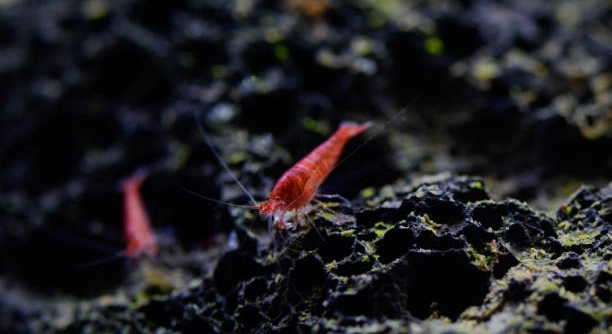
Cherry shrimp are delicate freshwater creatures that thrive on a clean and balanced diet. Their food choices directly impact their health, growth, and vibrant coloration. Feeding them correctly is essential for maintaining a thriving aquarium environment.
Cherry shrimp should not be fed moldy food. Mold introduces harmful bacteria and toxins that can compromise their digestive system, weaken immunity, and potentially lead to illness or death. Maintaining fresh, safe food is crucial for their wellbeing.
Proper feeding habits ensure your shrimp stay healthy and active. Learning the best practices for their diet will protect them in the long term.
Why Moldy Food is Dangerous for Cherry Shrimp
Moldy food can be extremely harmful to cherry shrimp. Even small amounts of mold introduce bacteria and toxins into their tank, which can stress their system and make them more susceptible to disease. Unlike larger fish, shrimp have a very sensitive digestive system, and contaminated food can quickly lead to digestive issues or infections. Signs of shrimp distress may include lethargy, reduced appetite, or unusual swimming patterns. It’s not always easy to spot mold in their food immediately, especially in flake or pellet form, so careful inspection before feeding is essential. Proper storage of shrimp food in cool, dry conditions prevents moisture buildup that encourages mold growth. Rotating food stock and only supplying what will be consumed in a few days can minimize risk. Keeping their environment clean, including regular tank maintenance and water changes, further reduces the chance of mold and bacterial growth, supporting a healthier and more active shrimp population.
Mold exposure can be fatal if ignored. It compromises shrimp immunity and tank hygiene.
Preventing mold involves routine checks and careful storage. Fresh food ensures your shrimp remain healthy and energetic, avoiding avoidable stress and illness.
Safe Feeding Practices for Cherry Shrimp
Always offer fresh, high-quality food to maintain shrimp health. Avoid overfeeding, as leftover food can decompose quickly and cause water quality issues.
Proper feeding starts with understanding what cherry shrimp need. They thrive on a balanced diet of algae, biofilm, and specially formulated shrimp pellets or flakes. Supplementing occasionally with blanched vegetables like zucchini or spinach can provide essential nutrients. Remove uneaten food within a few hours to prevent it from decaying in the tank, which can release harmful ammonia and increase the risk of mold formation. A consistent feeding schedule allows shrimp to establish routines and reduces stress caused by sudden changes in diet. It also ensures that all shrimp, including the smaller or less dominant ones, get access to food. Monitoring their eating habits helps identify potential health problems early. Adjusting portions based on shrimp activity and tank population size maintains optimal water quality. Clean, filtered water combined with controlled feeding habits ensures a stable environment where cherry shrimp can grow, reproduce, and maintain their vibrant color.
Signs Your Shrimp Have Eaten Mold
Shrimp that consume mold may show subtle changes in behavior. They might eat less, move slower, or hide more often than usual. Observing these changes early can prevent serious health issues and allow timely intervention.
Digestive distress is common when shrimp ingest moldy food. You may notice bloating, unusual swimming patterns, or even a loss of color. Mold introduces harmful bacteria and toxins into the shrimp’s system, weakening immunity and making them more susceptible to secondary infections. Immediate removal of contaminated food and careful water monitoring can help stabilize the tank environment. Adjusting feeding habits and keeping food fresh minimizes future risks, ensuring shrimp recover safely.
Long-term exposure to mold can affect growth and reproduction. Shrimp may stop molting properly, and weak individuals might not survive. Maintaining tank cleanliness, observing shrimp daily, and offering only fresh food are essential practices to protect their overall health.
Preventing Mold in Your Tank
Storing food properly prevents mold from developing. Keep it sealed, dry, and away from direct sunlight or moisture to maintain freshness.
Overfeeding is a major contributor to mold growth. Leftover food in the tank decomposes quickly, creating conditions for mold and bacteria. Feeding smaller portions and removing uneaten food within a few hours helps maintain water quality. Regular water changes reduce organic buildup, and using an efficient filtration system minimizes debris accumulation. Monitoring humidity and temperature where food is stored also prevents spoilage. By following these steps consistently, you ensure a safe and stable environment for your shrimp, promoting health, activity, and vibrant coloration throughout the tank.
Choosing the Right Food
Freshness matters more than brand. Always check the expiration date and texture before feeding. Shrimp thrive on food that is firm, dry, and free from visible mold or discoloration.
Variety supports health. Include pellets, algae wafers, and occasional blanched vegetables to provide essential nutrients. Rotate foods to prevent nutritional gaps and keep shrimp active and strong.
How to Store Shrimp Food
Store food in airtight containers to prevent moisture and contamination. Keep it in a cool, dry place away from sunlight. Proper storage extends shelf life and reduces the risk of mold growth, protecting your shrimp from harmful bacteria and toxins.
Immediate Actions for Mold Exposure
Remove contaminated food immediately. Perform a partial water change to reduce potential toxins and maintain a clean tank environment.
FAQ
Can cherry shrimp eat moldy food safely?
No, cherry shrimp should never eat moldy food. Mold contains harmful bacteria and toxins that can damage their digestive system, weaken immunity, and even lead to death. Always remove any food that shows signs of mold and replace it with fresh, safe options.
What happens if my shrimp eat mold by accident?
If shrimp consume mold accidentally, they may show signs of stress such as reduced activity, hiding, or loss of appetite. Their digestion can be affected, leading to bloating or slower molting. Immediate removal of remaining moldy food and monitoring water quality is essential to prevent further harm.
How can I tell if shrimp are sick from mold?
Signs of illness include lethargy, loss of color, irregular swimming, and reduced feeding. Molting issues may also appear. Observing these changes early helps prevent serious health problems. Maintaining a clean tank and offering only fresh food reduces the risk of mold-related sickness.
Can mold grow in my shrimp tank naturally?
Yes, mold can grow if leftover food, decaying plants, or poor water conditions exist. Overfeeding is a major factor, as uneaten food decomposes quickly. Keeping the tank clean, performing regular water changes, and removing uneaten food minimizes mold growth.
How often should I check shrimp food for mold?
Check food before every feeding. Flakes, pellets, or vegetables can develop mold quickly if exposed to moisture or heat. Inspecting food ensures it is safe and prevents accidental ingestion, which could harm shrimp health.
What types of food are safest for cherry shrimp?
Shrimp thrive on a diet of algae, biofilm, and specialized shrimp pellets or flakes. Occasional blanched vegetables like zucchini or spinach provide extra nutrients. Feeding only what will be eaten within a few hours reduces the chance of leftovers decomposing in the tank.
Can feeding small portions help prevent mold issues?
Yes, feeding smaller amounts ensures all food is consumed quickly, preventing leftover pieces from decaying. This practice maintains water quality and reduces the chance of harmful bacteria and mold forming in the tank.
Are frozen or dried foods safer than fresh foods?
Frozen or dried foods tend to last longer and are less prone to mold compared to fresh vegetables. However, proper storage is still necessary to prevent moisture from causing spoilage or mold growth. Always thaw frozen food safely before feeding.
Should I quarantine shrimp if they eat mold?
Quarantining is not always required unless symptoms appear or mold exposure was significant. Monitor the shrimp closely, remove any remaining mold, and perform a partial water change to reduce toxins in the tank. Quarantine may help prevent spread if illness occurs.
How can I maintain long-term tank safety against mold?
Store food in sealed, dry containers away from sunlight and heat. Remove uneaten food promptly and maintain a regular cleaning schedule. Observing shrimp behavior and water parameters consistently ensures a safe environment, preventing mold-related problems before they arise.
What vegetables are safe for occasional feeding?
Blanched zucchini, spinach, cucumber, and carrot slices are safe in moderation. Always remove uneaten portions within a few hours to prevent decay. These vegetables provide essential nutrients without increasing the risk of mold growth in the tank.
Is it safe to mix different foods in one feeding?
Yes, mixing pellets, flakes, and small vegetable pieces is safe and provides balanced nutrition. Avoid overfeeding, as leftover combinations can decay faster. Feeding small, controlled amounts maintains tank cleanliness and prevents mold.
How quickly does mold affect shrimp health?
Mold can start impacting shrimp health within hours if ingested. Digestive upset, stress, and weakened immunity can occur rapidly. Immediate action, including removal of moldy food and water monitoring, is crucial to limit health consequences.
Can shrimp recover fully from mold exposure?
If exposure is limited and water quality is maintained, shrimp can recover fully. Provide fresh food, clean the tank, and monitor behavior. Early intervention is key to preventing long-term health issues.
Is it necessary to discard old food regularly?
Yes, discarding food past its expiration or showing signs of moisture or mold prevents accidental ingestion. Regularly rotating and checking food ensures shrimp receive safe nutrition and reduces the risk of harmful bacteria or mold affecting the tank.
Cherry shrimp are small but sensitive creatures, and their diet directly impacts their health and wellbeing. Feeding them moldy food is never safe, as even a small amount can introduce harmful bacteria and toxins into their system. Over time, this can lead to digestive problems, weakened immunity, and serious illness. Observing shrimp behavior is essential to ensure they are healthy. Changes such as reduced activity, hiding more often, or loss of color can indicate stress or illness. Maintaining a clean tank and offering fresh, safe food helps prevent these issues. Proper storage of shrimp food is equally important. Keeping it sealed, dry, and away from moisture or heat prevents mold growth and preserves its nutritional value. Rotating food and providing only what the shrimp can eat in a few hours ensures there is no leftover food to decay in the tank. Small adjustments in feeding routines can have a large impact on the overall health of the shrimp population.
Understanding what to feed cherry shrimp is another key factor in maintaining a healthy tank. They thrive on a diet that includes algae, biofilm, and high-quality shrimp pellets or flakes. Occasionally supplementing with blanched vegetables such as zucchini, spinach, or cucumber provides additional nutrients and supports their natural growth. Feeding small portions and removing any uneaten food prevents overfeeding, which can lead to water quality issues and mold formation. Regular water changes, cleaning the substrate, and checking filters help maintain a safe environment, reducing stress on the shrimp and keeping them active. Observing their eating habits allows adjustments to portion sizes and feeding schedules, ensuring that all shrimp, including smaller or less dominant individuals, have access to food. Consistency in diet and care routines helps maintain their vibrant colors, encourages proper molting, and supports overall health.
Prevention and monitoring are essential components of keeping cherry shrimp healthy. Mold can appear quickly if food is left exposed to moisture or stored improperly. Checking food before each feeding, removing uneaten portions promptly, and storing food in cool, dry conditions prevents mold-related issues. If mold exposure occurs, immediate action such as removing contaminated food and performing a partial water change helps reduce toxins in the tank. Keeping a close eye on shrimp behavior allows early detection of potential problems, giving the opportunity for timely intervention. By maintaining good feeding practices, proper storage, and regular tank care, cherry shrimp can thrive in a stable, safe environment. This approach ensures they remain healthy, active, and vibrant, creating a balanced and sustainable aquatic habitat.

Hello,
If you enjoy the content that we create, please consider saying a "Thank You!" by leaving a tip.
Every little bit helps us continue crafting quality advice that supports the health, happiness, and well-being of pets around the world, for pets of all shapes, sizes, and species.
We really appreciate the kindness and support that you show us!