
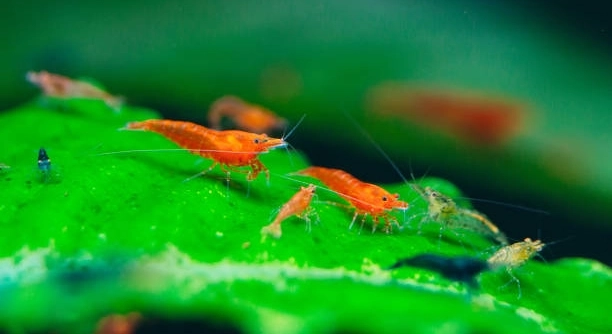
Cherry shrimp are small, colorful freshwater creatures that bring life to home aquariums. Their behavior can be surprisingly complex, and observing them offers a glimpse into how tiny aquatic animals interact in their environment.
Cherry shrimp can recognize each other through visual and chemical cues. They use patterns, colors, and pheromones to identify familiar individuals, which influences their social behavior, feeding habits, and mating interactions, highlighting the subtle intelligence of these small aquatic animals.
Learning how they communicate and recognize one another can improve your shrimp-keeping experience and ensure a harmonious aquarium environment.
How Cherry Shrimp Identify Each Other
Cherry shrimp rely on both sight and scent to recognize members of their group. Their eyes can detect subtle differences in color and patterns, which helps them distinguish individuals. Chemical signals released into the water also play a key role. These pheromones allow shrimp to detect who has been nearby and track social hierarchies. Observation shows that shrimp can remember familiar individuals, which reduces aggression and supports a calmer tank environment. Younger shrimp learn these signals quickly, allowing them to integrate with older ones. This recognition is not only for social interaction but also affects feeding behavior. Shrimp tend to feed more confidently around familiar companions, reducing stress. In breeding, recognizing familiar shrimp ensures smoother mating interactions. It is fascinating how even small creatures have developed such precise methods to interact safely. Keeping the tank stable enhances these behaviors naturally and supports healthy shrimp communities.
Recognition affects behavior and reduces stress in the tank. Familiar shrimp create a more peaceful environment for feeding and movement.
These recognition methods suggest shrimp have more advanced social abilities than they appear to. Visual memory, chemical communication, and learned social cues all contribute to their ability to coexist. By understanding these patterns, you can design a tank that encourages positive interactions. Providing hiding spots, balanced nutrition, and stable water conditions supports natural behaviors. Observing their interactions can reveal patterns in dominance, territoriality, and mating readiness. Even subtle changes in the tank, like new decorations or rearranged plants, can influence how shrimp identify each other. Maintaining consistent conditions helps them maintain recognition cues, which is vital for healthy social dynamics. Over time, these behaviors become more predictable, allowing for easier management. Paying attention to how they respond to new tankmates or changes in environment helps in keeping stress levels low. Recognition is not just about social comfort; it also impacts survival, reproduction, and overall well-being.
Signs of Recognition Among Cherry Shrimp
Shrimp will often approach familiar companions and stay nearby, showing comfort and reduced defensive behavior. They interact more openly and feed together.
Recognizable shrimp exhibit specific behaviors such as synchronized swimming, gentle antennal touches, and coordinated grazing. When new shrimp are introduced, hesitation or avoidance is common until scent and visual cues are established. Observation reveals that they also react to stress in others, sometimes mimicking movements or retreating together. Recognition is subtle but consistent, with patterns emerging in daily activity. Shrimp use these cues to maintain social order, protect themselves, and improve feeding efficiency. Understanding these behaviors helps in creating a stable aquarium. Proper spacing, plant cover, and water quality contribute to smoother social interaction. By noticing these signs, it is easier to manage aggression and support breeding. This natural recognition supports both health and tank harmony, making shrimp care more rewarding.
Factors Affecting Recognition
Water quality and tank conditions greatly influence shrimp recognition. Poor water parameters can stress shrimp, making them less responsive to visual and chemical cues. Stable conditions support natural behaviors and social interactions, allowing them to identify familiar companions more easily.
Proper lighting and plant cover enhance visual recognition. Shrimp rely on subtle color patterns and body shapes to distinguish each other, and bright, clear environments make these cues easier to detect. Additionally, hiding spots reduce stress, giving shrimp confidence to interact. Observing their behavior under these conditions shows they spend more time near familiar shrimp and engage in feeding or grooming together.
Nutrition also plays a role. Shrimp in a well-fed, balanced environment are calmer and more social. They are better at recognizing companions because stress and competition for food are minimized. Over time, these positive conditions strengthen memory and recognition abilities, leading to a more harmonious aquarium.
Breeding and Recognition
Recognizing companions impacts mating behavior and reproductive success. Shrimp are more likely to engage with familiar individuals, reducing stress and increasing breeding activity.
Mating interactions are smoother when shrimp can identify each other through chemical and visual cues. Females signal readiness with pheromones, and males respond more effectively to known individuals. Recognition reduces unnecessary aggression, allowing for safer courtship. Social hierarchies also play a role, with dominant shrimp often initiating interactions while subordinates wait. Understanding these patterns helps in planning breeding setups. Providing a stable tank with adequate hiding spots ensures that recognition cues remain consistent, which supports reproduction. Tracking behavior over time allows better management of pairings and overall shrimp health. Consistent observation can reveal which shrimp are most compatible, improving breeding success.
Social Hierarchies
Cherry shrimp establish subtle hierarchies within their groups. Dominant individuals claim preferred spaces and resources, while subordinate shrimp keep a respectful distance to avoid conflict. Recognition is key to maintaining this balance and preventing unnecessary aggression in the tank.
Hierarchy affects feeding and movement patterns. Dominant shrimp often eat first and explore open areas, while others wait or hide. Understanding these dynamics helps maintain a peaceful environment and supports natural behavior.
Impact of Tank Size
Larger tanks allow shrimp to establish territories and recognize each other more effectively. Space reduces stress, prevents overcrowding, and gives shrimp room to interact safely.
Observing Recognition
Daily observation can reveal patterns in shrimp interactions. Paying attention to who spends time together, who grooms, and who avoids conflict provides insight into recognition and social bonds.
Improving Recognition
Maintaining clean water, stable conditions, and balanced nutrition strengthens shrimp recognition. Consistent care encourages natural behaviors and supports healthy social dynamics.
FAQ
Do cherry shrimp remember each other?
Yes, cherry shrimp can remember familiar individuals through visual and chemical cues. They detect subtle color patterns, body shapes, and pheromones released into the water. This memory helps reduce aggression, improve feeding efficiency, and support smoother social interactions within the tank.
How do cherry shrimp recognize each other?
Recognition relies on both sight and scent. Their eyes notice differences in color and markings, while chemical signals help track who has been nearby. Together, these cues allow shrimp to identify companions, maintain social hierarchies, and respond appropriately to stress or threats in the tank.
Does recognition affect shrimp behavior?
Absolutely. Familiar shrimp tend to feed together, groom, and explore more confidently. They show less defensive behavior and interact more calmly, which reduces conflict and stress. Recognition also influences breeding behavior, as shrimp respond more effectively to known individuals during courtship.
Can new shrimp integrate into an established group?
Yes, but it takes time. New shrimp often show hesitation or avoidance until visual and chemical cues are recognized. Providing hiding spots, stable water conditions, and minimal disruption helps them gradually join the group and reduces stress for both new and existing shrimp.
Do shrimp show preference for certain companions?
Observations suggest that shrimp may spend more time near familiar individuals. They often swim, graze, and groom together, showing a subtle preference. These patterns support social stability and improve overall tank harmony.
What factors can interfere with recognition?
Stress, poor water quality, overcrowding, and sudden changes in the tank can interfere with recognition. When shrimp are stressed, their ability to process visual and chemical cues decreases, leading to more defensive or erratic behavior and less interaction with familiar companions.
Does tank setup influence recognition?
Yes. A well-structured tank with adequate hiding spots, plants, and stable lighting allows shrimp to see each other clearly and maintain chemical signals. Crowded or poorly lit tanks can cause confusion, increase stress, and reduce the effectiveness of recognition.
How does feeding affect recognition?
Feeding together often reinforces recognition. Shrimp that are well-fed are calmer and more social, making it easier for them to identify companions. Competition for food can stress shrimp, which may temporarily interfere with recognition cues and social interactions.
Can recognition improve breeding success?
Yes. Recognizing familiar individuals reduces stress and makes courtship smoother. Females release pheromones to signal readiness, and males respond more effectively to shrimp they recognize. Maintaining consistent water conditions and low stress enhances mating interactions and reproductive outcomes.
How can I encourage recognition in my tank?
Keep water parameters stable, provide plants and hiding spots, and avoid sudden changes. Consistent feeding and minimal disturbance help shrimp maintain visual and chemical cues, strengthening their ability to identify companions and interact naturally.
Do younger shrimp recognize older shrimp?
Younger shrimp learn cues quickly and can recognize older shrimp in the tank. This early recognition helps them integrate safely, avoid aggression, and understand the social hierarchy, which supports survival and reduces stress.
Is recognition permanent?
Recognition is maintained as long as conditions remain stable. Major changes in the environment or introduction of new shrimp may reset social familiarity. Shrimp rely on repeated exposure to visual and chemical cues to sustain recognition over time.
Do different shrimp species recognize each other?
Typically, recognition is strongest within the same species. Different species may respond to visual or chemical cues, but recognition is less precise. Mixed-species tanks require careful monitoring to prevent stress and conflicts caused by misidentification.
Can I observe recognition without disturbing shrimp?
Yes. Watching their daily interactions quietly can reveal patterns. Look for who swims together, shares feeding areas, or performs antennal touches. These behaviors indicate recognition, social bonds, and hierarchical structures without causing stress.
How long does it take for shrimp to recognize each other?
The timeframe varies but usually occurs over days to weeks, depending on tank conditions and individual personalities. Calm environments with stable water, good nutrition, and minimal disruptions accelerate recognition and help establish social harmony.
Does recognition change over time?
Yes, recognition can evolve. As shrimp grow or tank conditions shift, social dynamics may adjust. Familiar shrimp may change positions in hierarchies, and new behaviors may appear, reflecting ongoing memory and adaptation to their environment.
Are there signs shrimp do not recognize each other?
Signs include increased aggression, avoidance, hiding, or lack of coordinated behavior during feeding. Stressful conditions, sudden tank changes, or new introductions can temporarily disrupt recognition and lead to these behaviors.
Does recognition improve overall tank health?
Indirectly, yes. Reduced stress and aggression from proper recognition encourage natural behaviors, efficient feeding, and successful breeding. Calm, socially stable shrimp are generally healthier, with improved resilience to environmental changes and better long-term survival.
Can recognition be measured scientifically?
Researchers measure recognition by observing interaction patterns, feeding behavior, and response to chemical cues. Controlled experiments track how shrimp respond to familiar versus unfamiliar individuals, confirming that memory and recognition play an active role in their social behavior.
What role do chemical cues play compared to visual cues?
Chemical cues are critical, especially in murky water or low light. Pheromones signal presence, reproductive status, and social rank. Visual cues complement chemical signals, allowing shrimp to confirm identity and respond appropriately in various tank conditions.
How can I use recognition to manage my tank better?
Understanding recognition helps in arranging territories, introducing new shrimp, and reducing aggression. Providing consistent care, stable water, and visual clarity ensures shrimp can maintain social bonds, resulting in a peaceful, well-functioning aquarium.
Cherry shrimp are small but remarkably social creatures. Their ability to recognize each other relies on both sight and chemical cues, allowing them to distinguish familiar companions from newcomers. Visual cues like color patterns and body shape are important, but chemical signals in the water play an equally crucial role. These signals convey information about social rank, reproductive readiness, and presence in the tank. When shrimp recognize each other, interactions become calmer, feeding becomes more organized, and aggressive encounters are minimized. This natural recognition is essential for maintaining a balanced and peaceful aquarium environment. Observing shrimp over time can reveal patterns in behavior, showing how recognition influences movement, social hierarchies, and mating activities. It is fascinating to notice that even such small creatures have evolved ways to interact intelligently with their surroundings and companions, emphasizing that shrimp care involves more than just water quality and feeding.
Maintaining stable tank conditions greatly supports recognition and social harmony. Clean water, proper temperature, adequate lighting, and sufficient plant cover all contribute to reducing stress and allowing shrimp to rely on their natural instincts. Stressful or inconsistent conditions can interfere with their ability to detect visual or chemical cues, causing increased aggression, hiding, or erratic movement. Providing hiding spots and enough space also helps shrimp establish territories and avoid conflict. Nutrition plays a role as well; well-fed shrimp are calmer, more active, and better able to interact with others. Over time, consistent care strengthens recognition and social bonds, leading to a more peaceful, cooperative community. Understanding these factors makes shrimp-keeping more than just a hobby—it becomes a careful observation of how environmental conditions affect natural behavior and social structure. Simple steps, like maintaining stability and avoiding sudden changes, can significantly improve the overall well-being of the shrimp population.
Recognition also affects breeding and long-term tank management. Shrimp that are familiar with each other engage in smoother mating interactions, reducing stress and improving reproductive outcomes. Introducing new shrimp requires patience, as it takes time for them to become recognized and integrated into the group. Observing shrimp interactions helps identify compatible pairings and reduces the risk of conflict. Over time, the social structure in the tank becomes predictable, making it easier to manage feeding, space, and breeding. By paying attention to these natural behaviors, you can create an environment that supports both the physical health and social needs of the shrimp. Recognition is a subtle but powerful aspect of shrimp behavior, highlighting that careful observation and thoughtful care are key to maintaining a healthy, thriving aquarium.

Hello,
If you enjoy the content that we create, please consider saying a "Thank You!" by leaving a tip.
Every little bit helps us continue crafting quality advice that supports the health, happiness, and well-being of pets around the world, for pets of all shapes, sizes, and species.
We really appreciate the kindness and support that you show us!