
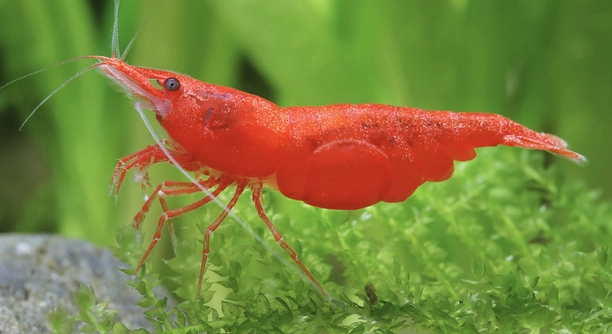
Have you ever prepared a tank for new shrimp but felt unsure if everything was ready for them to thrive? Setting up the right environment is key to keeping your shrimp healthy and happy from the start.
Before adding shrimp to a tank, it is essential to ensure the water parameters are stable, the tank is fully cycled, and all surfaces are clean. Proper preparation prevents stress, disease, and early mortality, creating a safe habitat for the shrimp.
Following these steps will make introducing shrimp smoother and help them adjust well. A little preparation can prevent major issues later.
Check Water Parameters
Before introducing shrimp, I always make sure the water is properly balanced. Parameters like pH, ammonia, nitrite, nitrate, and temperature must be stable. Shrimp are sensitive to sudden changes, so testing the water multiple times over a few days helps ensure stability. Adding conditioners or adjusting the pH may be necessary depending on your tap water. Avoid using chemicals that are not shrimp-safe, as these can be harmful. Keeping the temperature steady and within the recommended range is also crucial. Fluctuations can stress shrimp, making them vulnerable to disease. If the water is too hard or soft for the species you have, it may affect molting and overall health. Regular monitoring before adding any shrimp helps prevent early losses. I always prefer to let the tank sit for a week or two after adjustments to make sure everything remains stable.
Testing and adjusting water helps create a safe environment for shrimp. Stability is key to survival.
Stable water ensures your shrimp can adapt, grow, and thrive. It prevents stress and provides a strong start for healthy shrimp colonies. Monitoring and adjusting the parameters before introduction reduces risks of illness or early mortality, allowing them to explore and feed naturally. Consistent water quality also promotes proper molting, reproduction, and vibrant coloration. Taking the time to prepare the water conditions carefully makes a noticeable difference in how well shrimp settle in and respond to their new environment. Avoid rushing this step, as even minor imbalances can affect their health significantly.
Prepare the Tank
A clean tank with appropriate hiding spots is essential before adding shrimp. Decorations, plants, and substrate should be rinsed and safe for aquatic life.
Proper preparation prevents stress and provides shrimp with areas to hide and forage.
Shrimp rely on hiding spots to feel secure, especially when adjusting to a new environment. Live plants, mosses, and small caves help them establish territory and reduce aggression. A well-prepared substrate allows them to scavenge naturally, promoting healthy behavior. I make sure all surfaces are free from contaminants like soap or residues. Avoid sharp edges in decorations that could injure delicate shrimp. By preparing the tank thoughtfully, I’ve noticed shrimp settle faster and show more natural activity. This preparation also helps maintain water quality, as plants and substrates contribute to beneficial bacterial growth. Taking time to set up the tank carefully ensures shrimp feel safe, feed properly, and adjust without unnecessary stress.
Cycle the Tank
Cycling the tank fully before adding shrimp is essential. It builds beneficial bacteria that process waste and prevent toxic spikes.
A fully cycled tank ensures ammonia and nitrite levels stay at zero. This process can take several weeks, but rushing it risks shrimp health. I usually add a small source of ammonia or use hardy fish to start the cycle. Monitoring levels daily helps me see when the tank is safe. Cycling also stabilizes pH and other water parameters. Beneficial bacteria colonize the filter, substrate, and decorations, creating a balanced ecosystem. Without this step, even a clean tank can quickly become hazardous. Watching ammonia drop to zero gives me confidence that shrimp will survive and thrive once introduced.
Cycling also improves water clarity and reduces stress on shrimp. A properly established cycle supports long-term tank health and creates a stable, safe habitat for all shrimp in the aquarium. Consistent testing is the key to knowing when the tank is fully ready.
Acclimate Slowly
Acclimating shrimp slowly to their new environment reduces stress and prevents shock.
I usually float the bag in the tank for 20-30 minutes to match temperatures. Then I gradually add small amounts of tank water every 5-10 minutes over an hour. This helps shrimp adjust to differences in pH, hardness, and temperature. Rushing this process often leads to deaths from sudden environmental changes. I watch them closely during this time to see how they react. Once acclimated, shrimp start exploring and feeding normally. Proper acclimation gives them the best chance to settle quickly and remain healthy.
Slow acclimation also helps shrimp maintain normal behavior and coloration. Sudden changes can cause molting issues or weaken their immune system. I’ve noticed that shrimp introduced gradually are more active and less likely to hide excessively. Taking extra time to acclimate avoids unnecessary losses and ensures the tank remains stable for everyone already living in it. This careful approach is worth the effort for healthy, thriving shrimp colonies.
Provide Hiding Spots
Shrimp need places to hide, especially after molting. Moss, plants, and small caves give them security and reduce stress.
Hiding spots also help shrimp feel safe from tank mates. I make sure there are plenty of areas where they can retreat, which encourages natural behavior and keeps them active.
Avoid Overfeeding
Overfeeding can quickly pollute the tank and harm shrimp. I give only small amounts of food they can consume in a few hours.
Feeding carefully helps maintain water quality. Excess food breaks down into ammonia and nitrite, which stress shrimp. By controlling portions and feeding on a schedule, the tank stays cleaner and shrimp stay healthier.
Observe Behavior
Watching shrimp daily allows me to notice changes in activity, feeding, or molting.
Early observation helps identify problems before they become serious. Spotting unusual behavior or hiding patterns allows me to adjust water, feeding, or tank conditions promptly, keeping the shrimp healthy and thriving.
FAQ
How long should I cycle my tank before adding shrimp?
Cycling a tank usually takes four to six weeks, depending on the method. I monitor ammonia, nitrite, and nitrate daily. The tank is ready when ammonia and nitrite reach zero, and nitrates are stable. Rushing this step often leads to shrimp stress or death. Using live plants or a small hardy fish can help establish beneficial bacteria faster. Patience is key—shrimp are sensitive to even small spikes in ammonia or nitrite. I always test the water multiple times over several days to ensure stability before adding any shrimp.
What water parameters are best for freshwater shrimp?
Most freshwater shrimp thrive in a pH between 6.5 and 8, with water hardness around 4–8 dGH. Temperature should generally stay between 72–78°F. I test ammonia, nitrite, and nitrate daily during the first weeks. Keeping parameters consistent is more important than hitting exact numbers. Sudden changes in pH, hardness, or temperature can stress shrimp and impact molting. I prefer gentle adjustments over time if parameters are off. Shrimp also benefit from mineral-rich water, which supports shell growth and overall health. Using a water conditioner and dechlorinator is always necessary when using tap water.
How should I acclimate new shrimp to my tank?
I use a slow drip or floating method to acclimate shrimp. Floating the bag in the tank for 20–30 minutes equalizes temperature. Then I slowly add small amounts of tank water to the bag over 60–90 minutes. This gradual process helps shrimp adjust to differences in pH, hardness, and temperature. I watch them closely to ensure they aren’t stressed. Rushing acclimation often leads to molting problems or death. Once introduced, I give them hiding spots and avoid disturbing the tank for the first few days. Proper acclimation improves survival and encourages natural behavior.
What foods are safe for shrimp, and how often should I feed them?
Shrimp eat algae, biofilm, and specialized shrimp pellets. I also occasionally provide blanched vegetables like zucchini or spinach. Overfeeding is harmful—small amounts once daily or every other day are enough. Uneaten food should be removed to prevent ammonia spikes. I observe shrimp feeding behavior to adjust portions. Supplementing with mineral-rich foods helps support shell growth and molting. Feeding small amounts at a regular schedule keeps the tank clean and shrimp healthy. Avoid feeding human food or anything with preservatives, as shrimp are very sensitive to chemicals.
Why do shrimp hide or seem inactive?
Hiding is normal, especially after molting. I make sure they have plenty of plants, moss, or caves. Inactivity can also indicate poor water conditions. I test ammonia, nitrite, and pH if shrimp remain hidden for several days. Stress from tankmates, temperature fluctuations, or overfeeding can also cause hiding. Providing a stable, well-prepared tank and observing their patterns helps me determine whether it’s natural behavior or a problem. Healthy shrimp will eventually venture out to feed and explore once they feel safe.
How often should I check water quality after adding shrimp?
I test the tank at least twice a week during the first month. Checking ammonia, nitrite, nitrate, pH, and temperature ensures stability. Regular observation helps catch problems before they affect shrimp health. Once the tank is stable, I test weekly. I keep a log to track changes over time. Sudden changes in water parameters can stress shrimp, so consistent monitoring is important, especially after adding new shrimp or making adjustments to the tank.
Can shrimp live with other fish?
Some small, peaceful fish are compatible, but many species may see shrimp as food. I choose tankmates carefully and provide hiding spots. Shrimp do best with species that won’t chase or eat them, like small tetras or snails. Dense plant cover gives them safety. Even with compatible fish, I watch interactions closely during the first few weeks. Proper tank size and hiding spaces reduce stress and improve survival.
What should I do if a shrimp molts and doesn’t eat right away?
It’s normal for shrimp to hide after molting while their new shell hardens. I ensure they have safe hiding spots. Molting is stressful, and handling them or moving decorations should be avoided. Providing mineral-rich foods helps strengthen the new shell. Most shrimp resume normal activity within a day or two. I monitor water parameters closely during this time, as soft shells are more vulnerable to poor water conditions.
How can I tell if my shrimp are healthy?
Healthy shrimp are active, brightly colored, and feed regularly. I look for smooth molting cycles and minimal hiding after adjustment periods. Dull coloration, lethargy, or unusual spots can indicate stress or poor water quality. I check water parameters and adjust feeding habits if needed. Observing behavior daily helps me detect early problems.
How many shrimp should I start with in a new tank?
I usually begin with a small group to monitor their adaptation. Overcrowding can cause stress and water quality issues. A small colony allows me to maintain stability and track behavior. As they reproduce, the population can grow naturally. Starting with too many shrimp in a new tank increases risk of stress and early losses.
What plants are best for shrimp tanks?
Mosses, Java fern, and floating plants provide hiding spots and surfaces for biofilm. I avoid plants that require heavy fertilizers, as chemicals can harm shrimp. Dense plant coverage also helps maintain water quality and gives shrimp areas to explore.
How do I prevent shrimp diseases?
Maintaining stable water, avoiding overfeeding, and proper acclimation are key. I quarantine new shrimp before introducing them to the main tank. Observing for unusual behavior or spots early allows intervention. Good hygiene and clean equipment reduce the risk of disease spreading.
Is it necessary to supplement shrimp with minerals?
Yes, minerals support healthy molting and shell growth. I provide mineral-rich foods or add shrimp-safe supplements. Soft water alone may not provide enough calcium, so supplementation ensures strong shells and reduces mortality during molts.
Can shrimp survive in tap water?
Only if it is properly treated. I use a dechlorinator and check hardness and pH. Untreated tap water may contain chlorine or heavy metals, which are toxic. Testing and adjusting water quality ensures shrimp thrive in a home aquarium.
What temperature range is ideal for shrimp?
Most shrimp do best between 72–78°F. I maintain a consistent temperature to avoid stress and molting problems. Sudden drops or spikes can weaken shrimp and make them prone to disease. Using a heater or thermometer helps keep the tank stable.
How long do freshwater shrimp live?
Freshwater shrimp typically live one to two years. Proper care, stable water, and a clean environment extend their lifespan. Regular observation and careful feeding help them stay healthy throughout their life cycle.
What signs indicate water quality issues?
Shrimp may hide excessively, become lethargic, or show color loss. I test ammonia, nitrite, nitrate, and pH immediately if I notice these behaviors. Rapid intervention prevents deaths. Maintaining a regular cleaning and monitoring routine keeps water quality stable.
How often should I clean a shrimp tank?
I perform partial water changes weekly, removing debris and uneaten food. Avoiding full cleanings preserves beneficial bacteria. Regular maintenance keeps water quality stable and reduces stress, which is crucial for shrimp health.
Can I keep different shrimp species together?
Some species are compatible, but I avoid mixing aggressive or significantly different sizes. I provide enough space and hiding spots. Observation is necessary to ensure peaceful coexistence and avoid bullying or predation.
What should I do if shrimp start dying suddenly?
I check water parameters immediately and remove any dead shrimp. Rapid ammonia or nitrite spikes are often the cause. I examine recent changes in feeding, tankmates, or decorations. Correcting water quality and reducing stress can prevent further losses.
Are shrimp sensitive to light?
Yes, bright lights can stress them. I provide shaded areas and floating plants. Proper lighting also supports plant growth without causing stress, helping shrimp feel secure.
Can shrimp live in a nano tank?
Yes, as long as water parameters are stable and hiding spots are sufficient. I monitor small tanks closely because fluctuations in water quality happen faster in limited volumes. Stability and careful feeding are critical.
How do I encourage shrimp to breed?
Stable water, good nutrition, and plenty of hiding spots encourage breeding. I maintain consistent conditions and provide mineral-rich foods. Healthy, stress-free shrimp are more likely to reproduce naturally.
Is it okay to mix shrimp with snails?
Yes, most snails are harmless and do not compete aggressively for food. They also help clean the tank. I avoid snails that may damage plants or outcompete shrimp for resources.
Can shrimp survive winter indoors?
Yes, as long as temperature and water quality are maintained. I use heaters to prevent sudden drops and monitor water parameters to ensure they remain stable.
Do shrimp need aeration?
Yes, proper water movement ensures oxygen levels are sufficient. I use gentle filters or air stones. Strong currents can stress shrimp, so I adjust flow carefully.
What is the best substrate for shrimp?
Fine gravel or sand allows shrimp to forage and supports beneficial bacteria. I avoid sharp substrates that may harm delicate legs or antennae. Substrate choice also affects water chemistry, so I select shrimp-safe options.
Can shrimp live in planted vs. bare tanks?
Planted tanks provide hiding spots, food sources, and surfaces for biofilm. Bare tanks are easier to clean but require alternative hiding areas. I prefer plants for shrimp comfort and health.
How do I prevent algae overgrowth?
Controlling light, feeding, and nutrients helps prevent algae. I use algae-eating shrimp or snails and remove excess growth manually. Regular monitoring keeps the tank balanced.
Is it necessary to quarantine new shrimp?
Yes, quarantine reduces the risk of introducing disease or parasites. I isolate new shrimp for two weeks, observing health and behavior before adding them to the main tank.
What should I do if a shrimp molts incompletely?
I check water quality, hardness, and calcium levels. Providing hiding spots and minerals helps prevent stress-related molting issues. Avoid handling them, as this can worsen the problem.
How long can shrimp survive without food?
Shrimp can survive a few days without food but shouldn’t be left hungry long-term. I make sure biofilm, plants, or supplemental feeding are available to prevent stress and weakness.
Can shrimp live in soft water?
Yes, some species tolerate soft water, but calcium supplementation may be necessary for healthy molting and shell growth. I monitor shell quality carefully in soft water setups.
Are shrimp affected by tank vibrations or noise?
Yes, excessive vibrations or frequent disturbances can stress them. I place tanks in quiet, stable areas to ensure shrimp feel secure and maintain normal behavior.
Do shrimp need a heater in tropical climates?
Yes, consistent temperatures are important. Even in warm climates, nighttime drops can stress shrimp. I use a heater to maintain stability and avoid temperature fluctuations.
Can shrimp be aggressive toward each other?
Generally, freshwater shrimp are peaceful. Aggression usually occurs during overcrowding, molting, or competition for food. I provide enough space and hiding spots to reduce conflicts.
What should I do if shrimp change color suddenly?
Color changes often indicate stress, water issues, or poor nutrition. I check water parameters, adjust feeding, and ensure hiding spots. Observing behavior helps determine the cause.
How often should I trim plants in a shrimp tank?
Trimming once every few weeks prevents overgrowth and ensures shrimp can move freely. I remove dead leaves and maintain open spaces for feeding and hiding.
Can shrimp survive in unheated tanks?
Some species tolerate cooler temperatures, but growth and reproduction may slow. I monitor temperature carefully to ensure shrimp remain healthy.
What is the ideal tank size for beginners?
A 10–20 gallon tank is manageable for most beginners. I can maintain stable water parameters more easily in medium-sized tanks, providing enough space for hiding and exploration.
How do I tell if shrimp are stressed?
Signs include hiding, inactivity, color loss, or unusual behavior. I check water quality, tankmates, and feeding habits. Stress can be reduced by improving hiding spots and stabilizing conditions.
Can shrimp coexist with crayfish or crabs?
Generally not, as crayfish and crabs may eat shrimp. I avoid combining them unless there is sufficient space and hiding areas, but risk is still high.
How do I prevent mold or fungus in a shrimp tank?
Maintaining water quality, removing uneaten food, and controlling humidity on decorations helps prevent mold. I also monitor plants and driftwood to ensure no fungal growth occurs.
Can shrimp survive long trips when purchased online?
Yes, if shipped properly with temperature control and oxygenated water. I acclimate them slowly after arrival to minimize stress and improve survival.
Do shrimp need special lighting?
Lighting mainly supports plants. Shrimp prefer gentle light with shaded areas. I avoid harsh or intense lighting that may stress them.
How long before shrimp start reproducing?
Most healthy shrimp breed within a few weeks if water is stable, nutrition is adequate, and hiding spots are available. Observation ensures they are adjusting well before expecting offspring.
Can shrimp live in brackish water?
Some species tolerate slight brackish conditions, but most freshwater shrimp do not. I research species requirements carefully before changing water chemistry.
What should I do if I see white or fuzzy growths on shrimp?
These can indicate fungus or bacterial infections. I isolate affected shrimp and check water quality immediately. Treatment options depend on severity and species.
How do I maintain water quality in a heavily planted tank?
Regular partial water changes, monitoring nutrients, and trimming plants help maintain balance. I also avoid overfeeding and remove debris promptly to prevent spikes in ammonia or nitrite.
Can shrimp survive alongside bettas?
Some bettas may coexist, but many see shrimp as food. I provide dense plants and hiding spots. Observation is essential during the first weeks to ensure safety.
Do shrimp need carbon dioxide injection in planted tanks?
Not necessarily. Low-tech planted tanks with moderate light are sufficient. CO2 may benefit plant growth but is not required for shrimp health.
What is the best way to remove debris without disturbing shrimp?
I use a small siphon or tweezers gently around hiding spots. Avoid stirring substrate aggressively, as shrimp are delicate and can be stressed by sudden movements.
Can shrimp live in soft vs. hard water?
Some species prefer soft water, others hard. I match species to water hardness and supplement minerals if necessary for shell growth and molting.
How do I prevent shrimp from escaping the tank?
I ensure a tight-fitting lid with no gaps. Even small openings can allow shrimp to climb out. Monitoring decorations and plants near the surface also helps.
Is it necessary to quarantine plants before adding to a shrimp tank?
Yes, to prevent pests, chemicals, or snails that may harm shrimp. I rinse and sometimes dip plants in shrimp-safe treatments before adding them to the main tank.
Can shrimp survive alongside goldfish?
Generally no. Goldfish often eat shrimp and produce high waste levels, which can affect water quality. I avoid combining them to ensure shrimp safety.
What should I do if a shrimp loses a leg or antenna?
Shrimp can regenerate lost limbs over time. I ensure water quality is stable and provide a safe environment for recovery. Stress reduction is key during regeneration.
Do shrimp need specialized filters?
Filters should provide gentle water flow. Sponge filters are ideal because they prevent shrimp from being sucked in while maintaining beneficial bacteria. I avoid strong currents that can stress shrimp.
How do I manage population growth?
I monitor reproduction and may move excess shrimp to other tanks. Proper space, feeding, and stable conditions prevent overcrowding. Observation ensures a healthy population balance.
Can shrimp tolerate tap water with chlorine?
No, chlorine and chloramines are toxic. I always use a dechlorinator before adding water to the tank to keep shrimp safe.
How often should I test water parameters long-term?
After stability is achieved, weekly testing is sufficient. I monitor for any sudden changes after feeding, water changes, or adding new tankmates. Regular checks maintain shrimp health.
What should I do if shrimp appear translucent or faded?
Color fading can indicate stress, poor nutrition, or water issues. I check parameters, adjust feeding, and ensure hiding spots. Healthy shrimp regain coloration quickly with stable conditions.
Can shrimp survive in tanks without plants?
Yes, but hiding spots and surfaces for biofilm are still necessary. I use moss, caves, or decorations to provide security and feeding areas.
How do I prevent stress during water changes?
I perform small, frequent water changes with temperature-matched water. I avoid sudden large replacements, and I handle shrimp minimally to prevent stress.
Can shrimp survive in low-oxygen tanks?
No, they require sufficient dissolved oxygen. I provide gentle aeration or surface agitation to maintain safe levels.
What should I do if shrimp stop eating?
I check water parameters, feeding, and tankmates. Stress, illness, or poor water quality are common causes. Correcting conditions usually restores appetite quickly.
Do shrimp need special supplements besides food?
Calcium and mineral supplements support shell growth. I add shrimp-safe products if water is soft or lacks sufficient minerals for molting.
How can I encourage algae growth for shrimp to graze on?
Moderate lighting and balanced nutrients support natural algae growth. I avoid over-cleaning surfaces and allow small amounts for grazing.
Are baby shrimp more sensitive than adults?
Yes, juveniles are more sensitive to water quality and stress. I provide dense plants, gentle filtration, and careful feeding to support their survival.
Can shrimp tolerate fluctuating temperatures?
No, sudden changes cause stress and molting issues. I maintain consistent temperatures to ensure shrimp health and longevity.
Do shrimp need a quarantine tank for disease prevention?
Yes, isolating new or sick shrimp helps prevent the spread of disease. I monitor quarantined individuals before introducing them to the main tank.
How do I prevent shrimp from getting trapped in decorations or filters?
I check all decorations for gaps and use sponge filters or guards to prevent shrimp from being trapped. Smooth surfaces reduce risk.
Can shrimp survive if their tank is overcrowded?
Overcrowding causes stress, poor water quality, and molting problems. I maintain appropriate stocking levels and provide plenty of hiding spots for safety.
What should I do if shrimp start fighting or showing aggression?
Aggression is rare but can occur during molting or overcrowding. I provide hiding spots, reduce population density, and monitor behavior closely.
Do shrimp need special water changes in planted tanks?
Partial weekly changes are sufficient. I remove debris and uneaten food, avoiding full cleanings that may disturb beneficial bacteria.
**Can shrimp live in tanks with fluctuating pH
Adding shrimp to a tank can be a rewarding experience, but it requires careful preparation and attention. Shrimp are sensitive creatures, and even small mistakes in water parameters, feeding, or tank setup can affect their health. Taking the time to cycle the tank fully, monitor water quality, and create hiding spots makes a significant difference in their survival and overall well-being. Ensuring that the environment is stable and safe before introducing shrimp helps reduce stress and allows them to adjust smoothly. Proper planning not only supports their health but also encourages natural behaviors like foraging, exploring, and even breeding over time.
Acclimation is another critical step that should not be overlooked. Introducing shrimp slowly allows them to adapt to differences in temperature, pH, and water hardness. This process might feel time-consuming, but it significantly reduces the chances of shock and mortality. Observing shrimp during acclimation can also help detect any early signs of stress or water issues that need attention. Once the shrimp are comfortable, they tend to become more active, feed properly, and settle into the tank environment. Providing regular feeding, mineral supplements, and clean water ensures that shrimp continue to thrive in the long term.
Finally, maintaining a shrimp tank is an ongoing process that combines consistency with observation. Regular water testing, careful feeding, and attentive care for plants and decorations create a balanced habitat. Shrimp are delicate, but with proper attention, they are surprisingly resilient and can live for years while reproducing naturally. Overcrowding, sudden water changes, or neglecting tank conditions can quickly lead to problems, so keeping track of water quality and behavior is essential. By following these steps and being mindful of their needs, shrimp can flourish in a home aquarium, providing an enjoyable and rewarding experience for anyone willing to invest the time and care.

Hello,
If you enjoy the content that we create, please consider saying a "Thank You!" by leaving a tip.
Every little bit helps us continue crafting quality advice that supports the health, happiness, and well-being of pets around the world, for pets of all shapes, sizes, and species.
We really appreciate the kindness and support that you show us!