
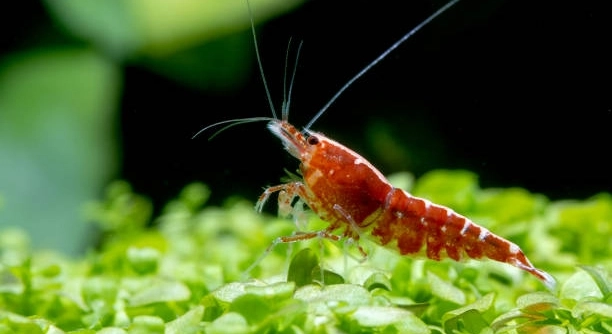
Do your freshwater shrimp sometimes seem determined to explore beyond the water? Many aquarium owners notice their shrimp crawling on the lid, wandering along the edges, or resting on surfaces above the tank water.
Shrimp often climb the aquarium lid due to environmental stress, searching for food, or seeking higher oxygen levels. Poor water quality, overcrowding, or insufficient hiding places can also trigger this behavior, prompting them to leave their usual submerged habitat.
Understanding why shrimp exhibit this climbing behavior can help maintain a healthier aquarium and prevent potential escapes or health issues. Proper care ensures they stay safe and content in their aquatic environment.
Why Shrimp Climb the Aquarium Lid
Shrimp climbing the aquarium lid is often linked to their instinctual need to explore or escape uncomfortable conditions. In many cases, the water may have elevated levels of ammonia or nitrites, which irritate their gills and make them search for fresher air. Lack of hiding spaces or dense plant coverage can also push them toward the lid. Sometimes, shrimp simply respond to changes in water temperature, lighting, or oxygen levels. Observing their behavior closely allows you to identify patterns, such as climbing during feeding times or when the tank is newly cleaned. Juvenile shrimp are more likely to climb as they are curious and tend to wander. Adjusting water parameters and adding decorations or plants can reduce stress. Consistent monitoring of water quality and tank conditions helps prevent excessive climbing, keeping your shrimp healthier and more content within the aquarium.
Maintaining proper water quality and a structured environment keeps shrimp safer and more stable, reducing the need to leave their usual space.
By adding more plants, moss, or small hiding spots, shrimp feel secure. Filtration and aeration help maintain oxygen levels and prevent stress-induced climbing. Monitoring temperature and chemical levels regularly ensures conditions remain stable. Small adjustments like these can make a significant difference, encouraging shrimp to stay submerged while still allowing them room to explore safely. Overcrowding should be avoided, as it increases competition for resources and forces shrimp to move into less suitable areas. Regular observation of behavior helps detect early signs of stress or illness, which can prevent potential escapes or fatalities. Keeping the aquarium lid properly sealed is also important, especially if shrimp are prone to climbing. Attention to these details ensures a calm environment, supporting their natural activities and growth while reducing the risk of them venturing out of the water unnecessarily.
How to Prevent Lid Climbing
Ensuring proper tank setup is the first step to preventing shrimp from climbing the lid.
Providing stable water parameters, consistent feeding schedules, and adequate hiding places reduces stress that triggers lid climbing. Overcrowding and sudden environmental changes should be avoided to maintain calm and healthy shrimp.
Shrimp are highly sensitive to their surroundings, so prevention focuses on creating a comfortable habitat. Installing dense plant clusters, moss, or small decorations gives them spaces to retreat and explore safely. Maintaining stable water temperature, oxygen levels, and chemical balance reduces stress-driven behaviors. Avoiding overcrowding ensures each shrimp has access to food and space, minimizing competition. Regular observation allows early detection of stress, illness, or unusual climbing behavior. Filtration and aeration systems play a key role in sustaining a balanced environment, keeping water quality high. A securely fitted lid prevents accidental escapes, while still allowing adequate airflow. By taking these steps, you encourage natural behavior, limit climbing incidents, and promote healthier, longer-living shrimp in the aquarium.
Common Environmental Triggers
Poor water quality often drives shrimp to climb. High ammonia or nitrite levels irritate their gills and create discomfort, prompting them to search for more tolerable areas outside the water.
Temperature fluctuations and low oxygen levels are frequent triggers. Shrimp are sensitive to rapid changes, which can stress them. Insufficient aeration or high temperatures reduce oxygen availability, pushing shrimp toward the water surface or even the lid. Overcrowding and inadequate hiding spaces amplify stress, as shrimp compete for food and shelter. By keeping parameters stable and adding plants or decorations, you can reduce climbing behavior and maintain a calm environment for your shrimp.
Lighting and sudden disturbances can also provoke climbing. Bright lights or frequent tapping on the glass startle shrimp, prompting them to seek refuge above the water. Providing shaded areas and limiting sudden disruptions allows shrimp to feel secure, reducing the frequency of lid exploration. Combining environmental adjustments with regular water testing ensures shrimp remain comfortable and healthy.
Behavioral Patterns of Shrimp
Shrimp exhibit specific patterns when exploring the aquarium lid. They often move during feeding times or when the tank is freshly cleaned, responding to new stimuli or scents.
Active shrimp may climb in small bursts, pausing on the lid or edges. Juveniles are particularly curious and wander more than adults, testing their surroundings. This behavior is sometimes mistaken for escape attempts, but it can also indicate stress or oxygen-seeking. Observing these patterns over time helps identify underlying causes. Recording when and how often shrimp climb allows you to address specific triggers. Gradual environmental adjustments, such as adding plants, improving aeration, and maintaining steady temperatures, can reduce lid climbing significantly while supporting natural exploration safely.
Signs of Stress in Shrimp
Shrimp that climb frequently may show other stress indicators, such as lethargy, loss of color, or reduced appetite. These signs often appear alongside lid-climbing behavior and suggest the tank environment needs adjustment.
Behavioral changes, including constant hiding or rapid swimming, also signal stress. Noticing these early can prevent further health issues and keep shrimp safer in their habitat.
Improving Oxygen Levels
Adding an air stone or increasing water circulation helps maintain proper oxygen levels. Shrimp are highly sensitive to low oxygen, which often drives them to climb. Proper aeration keeps them active, healthy, and less likely to leave the water.
Tank Maintenance Tips
Regular water changes and filter cleaning reduce toxins that stress shrimp. Maintaining consistent water parameters minimizes climbing behavior and supports long-term health.
Feeding and Nutrition
Providing a balanced diet with appropriate portions encourages shrimp to stay active in the water. Overfeeding or insufficient food can trigger wandering and climbing behaviors, so careful feeding helps maintain a stable environment.
FAQ
Why do my shrimp keep climbing the lid even though water looks fine?
Even if water appears clear, shrimp are sensitive to slight changes in ammonia, nitrites, or oxygen levels. Small fluctuations can stress them, prompting lid climbing. Overcrowding or a lack of hiding spots may also push shrimp to explore above the water.
Can shrimp die from climbing the lid?
Yes, if the lid is not secure or there are gaps, shrimp can escape and dry out. They need a moist environment to survive, so climbing becomes risky if the water is not contained. Securing the lid prevents accidental escapes.
Does temperature affect lid climbing?
Temperature fluctuations can trigger climbing behavior. Shrimp are sensitive to sudden drops or spikes in water temperature. Stable conditions with a proper heater or monitoring system can reduce stress-driven climbing.
Is low oxygen a common reason for climbing?
Low oxygen is a frequent trigger. Shrimp will move toward surfaces with higher oxygen availability, sometimes climbing the lid in the process. Adding aeration, increasing circulation, and maintaining plants helps oxygen levels remain stable.
Can shrimp get stressed from too much light?
Bright or constant lighting can stress shrimp, causing them to climb or hide. Providing shaded areas or dimming lights during certain periods allows shrimp to feel safe and reduces the urge to leave the water.
Does tank size influence lid climbing?
Smaller tanks with high shrimp density increase competition for food and space. Shrimp may climb to find more comfortable areas. Larger, well-structured tanks with decorations, plants, and hiding spots minimize stress and reduce climbing behavior.
Should I worry if only a few shrimp climb?
Isolated climbing isn’t always dangerous, but it can indicate minor stress or curiosity. Monitoring water quality, feeding habits, and environmental conditions ensures those shrimp remain healthy and prevents escalation.
Can diet impact climbing behavior?
Yes, insufficient or unbalanced feeding can make shrimp wander. Providing a consistent diet with varied nutrients keeps them engaged in their environment and reduces the need to leave the water in search of food.
How often should I check water parameters?
Regular checks are crucial. Weekly tests for ammonia, nitrite, nitrate, and pH help maintain stable conditions. Immediate adjustments prevent stress-induced behaviors, including lid climbing, and support overall shrimp health.
Do juvenile shrimp climb more than adults?
Juveniles are naturally more curious and exploratory. They climb more often than adults, testing their surroundings. Ensuring a secure lid and a structured environment helps young shrimp stay safe while allowing natural exploration.
Can stress from tank mates cause climbing?
Yes, aggressive or overly active tank mates can scare shrimp. They may climb to escape perceived threats. Creating hiding spaces and monitoring tank interactions reduces fear and discourages lid climbing.
Is lid climbing more common in certain shrimp species?
Some species are more active and exploratory than others. Researching the specific behavior patterns of your shrimp species helps anticipate and reduce lid-climbing incidents through tailored tank setup and care practices.
What are immediate steps if I see climbing?
Check water parameters, improve aeration, and ensure hiding spaces are available. Adjust lighting and temperature as needed. Securing the lid prevents escapes while you address potential stressors.
Can frequent cleaning trigger lid climbing?
Yes, sudden changes in water conditions, temperature, or placement of decorations during cleaning can stress shrimp. Performing gradual maintenance helps minimize climbing and keeps shrimp comfortable in their habitat.
How can I make the tank more comfortable?
Add plants, moss, and decorations to create hiding spots and natural structures. Maintain stable water conditions, moderate lighting, and proper oxygenation. These changes provide a secure environment and reduce the likelihood of climbing behavior.
Will climbing stop if I improve tank conditions?
With consistent care, lid climbing often decreases. Stable water, sufficient oxygen, proper diet, and a structured environment address the primary stressors that cause shrimp to explore above the water.
Shrimp climbing on the aquarium lid can be surprising, but it is usually a sign that something in their environment needs attention. Stress, water quality issues, or lack of hiding places are the most common reasons. By observing their behavior closely, you can identify patterns that indicate why they are exploring above the water. Sometimes, it is a simple matter of curiosity, especially in younger shrimp, but persistent climbing often points to environmental or health concerns that should be addressed to keep your shrimp safe and comfortable.
Maintaining proper water quality is key to reducing climbing behavior. Regularly testing for ammonia, nitrites, nitrates, and pH levels ensures the water remains within a safe range. Stable temperature and adequate oxygen levels also play an important role, as shrimp are sensitive to sudden changes in their surroundings. Adding plants, moss, or small decorations provides places for shrimp to hide and feel secure, which can significantly reduce their urge to climb. Overcrowding should be avoided, as too many shrimp in a tank increases stress and encourages wandering. By taking these measures, you can create a more stable and secure habitat that encourages natural behavior while minimizing risky climbing.
Feeding and overall care also affect shrimp behavior. Providing a balanced diet in appropriate portions keeps them active and engaged in the tank, reducing the need to explore outside the water. Observing their reactions to changes in lighting, temperature, and tank maintenance helps you spot stress early and make necessary adjustments. Even small improvements, like gradual water changes or adding aeration, can have a noticeable effect on reducing climbing incidents. Attention to these details ensures that your shrimp remain healthy, active, and safe. By combining careful observation with proper tank maintenance and care, you can create an environment where shrimp feel comfortable and their natural behaviors are supported, keeping them happy and preventing potential health risks.

Hello,
If you enjoy the content that we create, please consider saying a "Thank You!" by leaving a tip.
Every little bit helps us continue crafting quality advice that supports the health, happiness, and well-being of pets around the world, for pets of all shapes, sizes, and species.
We really appreciate the kindness and support that you show us!