
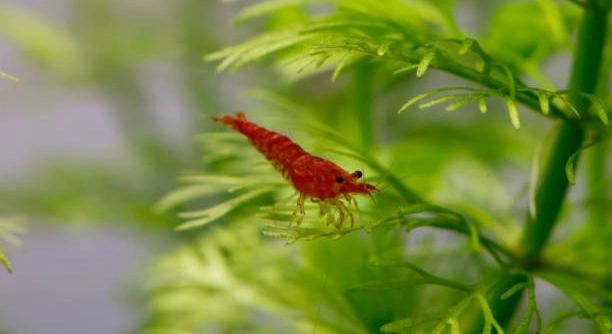
Have you ever noticed your cherry shrimp moving slowly across the tank and wondered if they feel lonely when alone? Many shrimp owners start thinking about companionship for these tiny, delicate creatures. Their behavior can seem puzzling.
Cherry shrimp are social creatures that generally prefer living in groups rather than alone. Keeping them in small numbers may lead to stress or reduced activity, while a well-populated tank promotes natural behaviors, breeding, and overall health.
Understanding the social needs of cherry shrimp can improve their care and ensure a happier, more active aquarium environment for your little aquatic friends.
How Many Cherry Shrimp Should You Keep Together
Keeping the right number of cherry shrimp together is important for their well-being. A small group may feel isolated, while too many can overcrowd the tank and create stress. Ideally, start with at least five to ten shrimp. This allows them to interact naturally and feel secure. Watching a larger group swim and graze together can be calming and satisfying. Make sure the tank is well-planted and has plenty of hiding spots. Moss, small plants, and decorations give shrimp spaces to explore and retreat when they feel threatened. Proper filtration is also key. Avoid sudden changes in water parameters, as shrimp are sensitive to shifts in temperature, pH, and ammonia levels. Feeding them small amounts regularly will keep them healthy. Observing their activity levels helps you know if they are comfortable in their environment. A balanced approach to population keeps the tank stable and the shrimp active.
Starting with a group helps reduce stress and encourages natural behavior, even in smaller tanks.
Larger groups promote breeding and healthier shrimp overall. They move more confidently and share the space without fighting. Over time, the tank becomes a more dynamic and lively environment. Proper care, plants, and hiding areas enhance this effect. Monitoring water conditions and feeding ensures the shrimp remain active and stress-free.
Signs Your Cherry Shrimp May Be Lonely
Lonely shrimp may hide more often and move less than usual.
Shrimp are quiet creatures, but changes in their behavior can reveal discomfort. When kept alone, they may stay in corners or cling to plants, appearing inactive. Social interaction with other shrimp helps stimulate activity and feeding. Watching a single shrimp may make you realize how much they benefit from company. Small, subtle behaviors like grazing together or exploring the tank indicate a healthy social environment. Loneliness can also affect molting, making them more vulnerable. Over time, a solitary shrimp may lose color or seem less vibrant. Ensuring the tank has multiple shrimp allows them to express natural behaviors and feel safe. Even adding just a few companions can make a noticeable difference in their activity levels and overall health. Observing these signs early helps you adjust their environment before stress affects them permanently. Creating a lively, shared space is crucial for their happiness and longevity.
Creating a Comfortable Tank Environment
A well-planted tank with plenty of hiding spots keeps cherry shrimp active and reduces stress. Moss, small plants, and decorations provide areas to explore and retreat. Proper water conditions and gentle filtration are essential for their comfort and health.
Plants and decorations not only give shrimp a sense of security but also help maintain water quality by absorbing excess nutrients. Hiding spots reduce aggression between shrimp and give them places to molt safely. A calm environment encourages grazing and natural behaviors, allowing them to move confidently throughout the tank. Regular observation of water temperature, pH, and cleanliness is key to keeping shrimp healthy. Even small changes can make a difference, so consistency matters. Keeping the tank balanced ensures your shrimp remain active, vibrant, and stress-free, promoting longer life and natural breeding habits.
Lighting also plays a role in shrimp activity. Gentle, natural light encourages movement without causing stress or overgrowth of algae. A tank with varied textures, plants, and safe spaces helps them feel secure. Observing your shrimp in this environment allows you to see their natural behaviors and adjust the tank to their needs. Proper substrate and water parameters contribute to their comfort, while thoughtful placement of plants and hiding spots keeps them engaged. Overall, a well-designed tank leads to healthier, happier shrimp that thrive in a social, interactive setting.
Feeding and Social Behavior
Cherry shrimp thrive on small, frequent feedings. They graze naturally and enjoy plant matter and specialized shrimp foods.
Feeding encourages social interactions. When multiple shrimp feed together, they display grazing behaviors and gentle competition, which helps establish a social hierarchy. Providing a variety of foods like algae wafers, blanched vegetables, and biofilm supplements keeps them active and healthy. Uneaten food should be removed to prevent water quality issues, which can stress shrimp. Observing how they share food gives insight into their social behavior, showing which shrimp are more dominant or shy. Consistent feeding schedules support growth, molting, and reproduction, while also reducing aggression. Well-fed shrimp are more likely to interact positively with tank mates.
Social behaviors extend beyond feeding. Shrimp communicate subtly through body movements and positioning. They explore together, follow one another across the tank, and use hiding spots strategically. Over time, they develop patterns that show comfort and confidence. Stress can disrupt these behaviors, causing shrimp to hide or become less active. Providing an environment that supports both feeding and exploration ensures a balanced, social community. Watching these interactions over time helps you understand individual personalities and the overall dynamics of your shrimp group, improving care and maintaining a stable, healthy tank.
Signs of Stress in Cherry Shrimp
Shrimp that hide constantly or lose color may be stressed. Slow movement, reduced feeding, or clinging to surfaces are warning signs of discomfort.
Water quality, tank overcrowding, and lack of hiding spots often cause stress. Addressing these issues promptly helps shrimp regain normal activity and vibrant color.
Adjusting Tank Conditions
Temperature, pH, and water hardness must remain stable for healthy shrimp. Sudden fluctuations can impact behavior and survival. Regular monitoring ensures a safe and comfortable environment.
Breeding and Social Interaction
Cherry shrimp reproduce more readily in groups. Social interaction stimulates mating behaviors and increases the likelihood of successful offspring. Well-populated tanks allow natural selection of safe spaces for females to molt and release eggs, supporting healthy growth of juveniles.
Tank Companions
Some fish or invertebrates can coexist with cherry shrimp, but aggressive species should be avoided. Choosing compatible tank mates ensures shrimp remain active and safe.
How many cherry shrimp should I keep together?
Cherry shrimp are social animals and do best in groups. Keeping at least five to ten shrimp together allows them to interact naturally and reduces stress. Smaller groups may hide more and move less, while a larger group encourages activity and natural behaviors. Overcrowding can be harmful, so balance is key. Proper hiding spots, plants, and gentle filtration support a comfortable environment for multiple shrimp. Monitoring water quality regularly ensures all shrimp remain healthy, active, and vibrant. A well-maintained group will show social behaviors like grazing and exploring together.
Can cherry shrimp live alone?
While cherry shrimp can survive alone, it is not ideal. Solitary shrimp may become stressed, hide more, and display less natural behavior. Social interaction with other shrimp promotes normal activity, feeding, and molting patterns. Loneliness can also affect breeding, as solitary females rarely release eggs without nearby companions. Even adding just a few shrimp companions can significantly improve their quality of life. Proper tank setup with plants, moss, and hiding spots is still important for a single shrimp, but social benefits are limited. Observing solitary shrimp often shows reduced movement and duller coloration.
How can I tell if my shrimp are stressed?
Signs of stress in cherry shrimp include hiding constantly, losing color, reduced feeding, or sluggish movement. Molting problems or sudden deaths are also indicators. Stress often results from poor water quality, aggressive tank mates, overcrowding, or insufficient hiding spaces. Monitoring water parameters like pH, temperature, ammonia, and nitrite levels is essential. Ensuring a well-planted tank with moss and decorations helps reduce stress. Gentle filtration and stable conditions support normal activity. Observing shrimp daily allows you to spot stress early and make adjustments to improve their environment, promoting better health and social behavior.
What do cherry shrimp eat?
Cherry shrimp are omnivores that graze on biofilm, algae, and plant matter. They also enjoy blanched vegetables like zucchini or spinach and specialized shrimp foods or algae wafers. Feeding small amounts several times a week is ideal to prevent overfeeding and water quality issues. Uneaten food should be removed promptly to avoid stress or disease. A varied diet encourages activity and supports molting, reproduction, and color vibrancy. Watching how shrimp share food can reveal social behaviors. Proper nutrition helps maintain energy, natural behavior, and overall health.
Do cherry shrimp need hiding spots?
Yes, hiding spots are essential. Shrimp use them to feel safe, especially during molting when they are vulnerable. Moss, small plants, and decorations provide both security and grazing surfaces. A tank without hiding places can lead to stress, reduced movement, and even increased mortality. Well-placed hiding areas encourage exploration and natural behaviors. Shrimp will use these spaces to rest, escape aggressive tank mates, or molt safely. Hiding spots also support breeding by giving females secure areas to release eggs. Creating a balanced tank with enough cover helps shrimp thrive socially and physically.
Can cherry shrimp live with fish?
Cherry shrimp can coexist with certain peaceful fish, but aggressive or large fish may harm them. Small species like neon tetras or guppies are usually safe, while cichlids or larger predators should be avoided. Compatibility depends on fish behavior, tank size, and hiding opportunities. Even compatible fish should not overcrowd the tank. Shrimp will feel safer and display normal behavior with sufficient cover and plants. Observing interactions helps ensure shrimp remain stress-free. Adding shrimp gradually allows them to adapt to tank mates and reduces potential aggression. Proper planning ensures a harmonious community tank.
How often should I clean the tank for cherry shrimp?
Regular water changes and substrate cleaning are important, but over-cleaning can harm biofilm that shrimp feed on. Changing 10–20% of the water weekly maintains stability and water quality. Avoid harsh chemicals or soaps. Gentle siphoning removes debris without disturbing shrimp too much. Maintaining stable temperature, pH, and filtration supports a healthy environment. Monitoring ammonia, nitrite, and nitrate levels helps prevent stress. Cleaning decorations and plants occasionally keeps algae manageable. Balancing cleanliness with the shrimp’s natural habitat ensures they remain active, healthy, and social while preserving their food sources.
Do cherry shrimp breed easily?
Yes, cherry shrimp breed readily in the right environment. Groups with both males and females are more successful. Stable water conditions, plenty of hiding spots, and proper nutrition increase breeding rates. Females carry eggs under their tails until hatching. Juveniles need plants and moss for protection. A well-populated tank encourages natural mating behavior and social interaction, while a solitary shrimp rarely reproduces. Observing shrimp activity can indicate readiness to breed, such as males following females or grazing together. Maintaining a healthy, stress-free tank supports continuous breeding and healthy offspring growth.
How can I encourage my shrimp to be more active?
Providing a spacious, well-planted tank with hiding spots encourages activity. Stable water parameters and gentle filtration reduce stress. Feeding small amounts regularly and offering a variety of foods stimulates movement and grazing. Avoid overcrowding, and choose compatible tank mates. Observing their interactions helps adjust the environment.
What is the ideal tank size for a small group of cherry shrimp?
A 10-gallon tank is usually sufficient for a small group of five to ten shrimp. It allows enough space for grazing, hiding, and social interaction. Larger tanks are better for breeding and maintaining stable water conditions. Proper filtration, plants, and substrate ensure a healthy habitat. A 10-gallon tank provides a manageable environment while supporting activity, breeding, and social behaviors. Adding too many shrimp can cause overcrowding and stress. Monitoring water parameters regularly keeps the tank stable. Well-planted tanks with enough space promote natural behavior and improve shrimp health.
This FAQ covers the most common concerns about cherry shrimp care, social needs, and tank setup.
Cherry shrimp are small but fascinating creatures that thrive when their social needs are met. They are naturally social animals, preferring to live in groups rather than alone. Keeping only one shrimp may seem convenient, but it can lead to stress, reduced activity, and less natural behavior. When kept in a group, even a modest one of five to ten shrimp, they interact more, move confidently around the tank, and display grazing and exploration behaviors. Providing hiding spots with plants, moss, and decorations makes them feel secure and reduces the risk of stress or aggression. Observing a group of shrimp in a well-planted tank can be rewarding, as their activity levels and vibrant colors make the aquarium more lively. A properly balanced environment also promotes molting, reproduction, and overall health, ensuring your shrimp remain active and bright.
Maintaining stable water parameters is equally important for the well-being of cherry shrimp. They are sensitive to sudden changes in temperature, pH, ammonia, and nitrite levels, which can negatively affect their behavior and health. Regular monitoring of water quality and gentle filtration can prevent stress and create a comfortable habitat. Overfeeding or overcrowding can also disrupt water stability, so careful attention to population size and feeding schedules is essential. Providing small, frequent meals of algae wafers, blanched vegetables, and biofilm supplements supports growth, molting, and natural social behaviors. When shrimp are well-fed and living in a stable environment, they are more likely to interact with each other, show normal activity, and even reproduce successfully. These practices ensure a healthy, active shrimp community that can thrive over time.
Social interaction and a thoughtfully arranged tank are the keys to keeping cherry shrimp happy and healthy. A tank with sufficient hiding spots, plants, and gentle filtration supports natural behaviors while reducing stress. Observing their behavior can help identify signs of discomfort early, allowing adjustments before problems arise. Breeding is also more successful in groups, as females need company to release eggs and males stimulate mating behavior. Choosing compatible tank mates and avoiding aggressive species helps maintain a safe environment. Even small changes, like adding a few more shrimp or adjusting the placement of plants, can improve activity and overall well-being. Ultimately, understanding and addressing the social and environmental needs of cherry shrimp makes a noticeable difference in their behavior, appearance, and longevity. A carefully maintained, social, and well-structured tank allows these tiny creatures to thrive, bringing both life and enjoyment to any aquarium.

Hello,
If you enjoy the content that we create, please consider saying a "Thank You!" by leaving a tip.
Every little bit helps us continue crafting quality advice that supports the health, happiness, and well-being of pets around the world, for pets of all shapes, sizes, and species.
We really appreciate the kindness and support that you show us!