
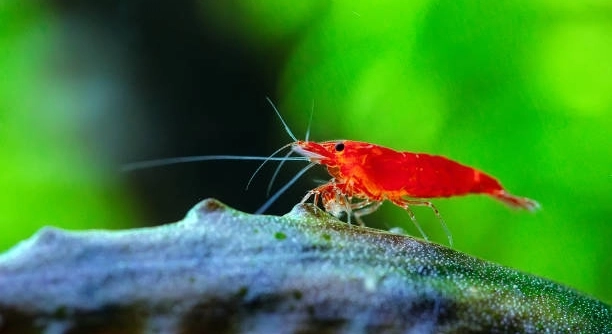
Cherry shrimp are lively additions to any freshwater aquarium, admired for their bright colors and peaceful nature. Watching them interact can be rewarding, and observing signs of breeding adds a fascinating dimension to shrimp keeping and care routines.
Breeding in cherry shrimp can be identified through specific physical and behavioral indicators. Common signs include the appearance of a saddle in females, berried shrimp carrying eggs under their abdomen, increased activity among males, and heightened feeding behavior, all of which reflect reproductive readiness.
Recognizing these indicators allows aquarists to support healthy breeding, ensuring the shrimp population thrives and the aquarium environment remains balanced and vibrant.
Understanding the Female Saddle
The saddle is one of the clearest signs that a female cherry shrimp is ready to breed. It appears as a yellow or greenish patch behind the shrimp’s head, where eggs will develop before fertilization. Observing the saddle gives a clear indication of reproductive readiness, often appearing in healthy, mature females. Not every female develops a saddle at the same time, and it can vary depending on water conditions, diet, and overall health. A visible saddle usually signals that eggs are forming internally and that the shrimp is in peak condition for mating. Monitoring this sign helps predict when berried shrimp will appear and allows adjustments in tank care to support egg development. Ensuring stable water parameters, proper nutrition, and low stress levels can increase the likelihood of successful breeding and healthier offspring. This early observation is vital for anyone maintaining a thriving cherry shrimp colony.
Saddles are temporary and may disappear after egg fertilization.
Keeping track of saddle development allows careful planning of tank management, enhancing the survival of newly hatched shrimp. Regular observation ensures timely care adjustments.
Berried Shrimp and Egg Care
A berried shrimp carries eggs under her abdomen, which are visible as small, round, yellow or green clusters. The female constantly fans the eggs with her pleopods to supply oxygen and prevent fungus growth. Observing berried shrimp is rewarding, as the eggs gradually darken before hatching. Proper water conditions, such as stable temperature, clean water, and minimal stress, are crucial during this stage. Feeding high-quality food rich in protein supports the female’s energy needs and enhances egg development. Disturbing the female too much can cause her to drop eggs, so it is important to maintain a calm environment.
Berried shrimp require consistent care for successful hatching.
Providing a stable tank environment, nutritious food, and gentle handling increases the survival rate of fry. Monitoring egg color and development helps predict hatching time, allowing for proactive care measures to support the next generation of cherry shrimp. This attentive approach ensures that the eggs develop fully and the young shrimp have a healthy start in the aquarium. Understanding the needs of berried shrimp enhances the overall health of the colony and reduces stress-related risks, promoting a balanced and thriving tank ecosystem.
Increased Male Activity
Males often become more active when females are ready to breed. They swim around frequently, searching for receptive females and showing more movement than usual. This heightened activity is a reliable sign of breeding behavior.
Male cherry shrimp display persistent swimming and chasing patterns. Their movements intensify near berried females or those with visible saddles. This behavior ensures mating opportunities and can influence the timing of egg fertilization. Watching males interact with females provides insight into the shrimp’s reproductive dynamics. Tank conditions, including water stability and hiding spots, can affect activity levels, so maintaining a comfortable environment supports natural behaviors.
Observing increased male activity helps aquarists anticipate breeding events. Males may occasionally display gentle nudging or circling around females, which is normal. Recognizing these patterns allows adjustments in tank management, supporting reproductive success and overall shrimp health.
Feeding Behavior Changes
Shrimp often show heightened feeding activity during breeding periods. They actively search for food and consume it more eagerly than usual. This behavior reflects increased energy requirements.
Berried females and reproductive-ready males need extra nutrients to sustain egg development and mating efforts. Providing high-quality food ensures shrimp remain healthy and energetic during this period. Nutrient-rich options like protein-based flakes or algae supplements support vitality and promote successful reproduction. Tracking feeding behavior changes can help monitor shrimp health and reproductive status effectively.
Feeding adjustments also minimize competition and stress. Observing which shrimp consume more or less can reveal individual health conditions. A well-fed colony promotes consistent breeding, reduces mortality risks, and strengthens shrimp resilience. Maintaining balanced feeding practices supports long-term tank stability and encourages natural reproductive cycles. Proper nutrition, coupled with clean water and stable conditions, creates an environment where cherry shrimp thrive and reproduce successfully.
Color Intensification
Breeding-ready shrimp often show brighter, more vivid colors. This change is more noticeable in males, signaling health and vitality to potential mates.
Females may also display slightly deeper hues when carrying eggs. The color shift can be subtle but consistent, reflecting hormonal changes during reproductive periods.
Hiding and Shelter Use
Females frequently seek hiding spots when carrying eggs. This behavior protects the eggs from stress, predators, and potential disturbances within the tank. Providing plants, moss, and small caves encourages safe sheltering and supports successful egg development.
Molting Frequency
Shrimp may molt more often during breeding phases. Frequent molting ensures proper growth and prepares females for carrying eggs safely. Regular observation of molting patterns helps monitor shrimp health and reproductive readiness.
Juvenile Appearance
Newly hatched shrimp are tiny, translucent, and active. Observing juveniles confirms successful breeding and signals a growing, healthy colony within the tank environment.
FAQ
How long does it take for cherry shrimp eggs to hatch?
Cherry shrimp eggs usually take about 2 to 3 weeks to hatch, depending on water temperature and quality. Warmer water speeds up development, while cooler water slows it down. Maintaining stable conditions ensures consistent hatching and healthy fry.
Can I separate berried females from the main tank?
Separating berried females is not always necessary if the tank is well-planted and stress-free. However, isolating them can reduce egg loss from disturbance, aggression, or accidental predation. Use a small breeding box or safe tank area with hiding spots.
Do I need special food for berried females?
Berried females benefit from protein-rich foods to support egg development. High-quality flakes, algae wafers, or finely crushed pellets provide essential nutrients. Regular feeding ensures the female has enough energy for carrying and caring for eggs.
How can I tell if my eggs are healthy?
Healthy eggs appear uniform in color, usually yellow or green initially, and darken before hatching. Avoid cloudy, white, or fungus-covered eggs, as these often indicate poor conditions or fungal infection. Maintaining clean water and stable parameters prevents egg problems.
Will all eggs hatch successfully?
Not all eggs hatch; some may fail due to stress, poor water quality, or insufficient nutrition. Observing the female and providing optimal conditions increases survival rates but some natural loss is normal. Focus on maintaining a healthy environment for the remaining eggs.
Do juveniles need special care after hatching?
Juveniles can feed on biofilm, microalgae, and finely crushed shrimp food. Ensuring a well-established tank with plants and surfaces for biofilm growth helps them thrive. Avoid aggressive tankmates that could eat or stress the tiny shrimp.
How can I encourage breeding in my tank?
Stable water parameters, consistent temperature, good nutrition, and plenty of hiding spaces encourage natural breeding behavior. Avoid sudden changes in water chemistry or frequent disturbances, as stress can delay or prevent reproduction. Healthy, mature shrimp are more likely to breed successfully.
Is it normal for females to drop their eggs?
Females may drop eggs if stressed, poorly fed, or exposed to sudden water changes. Handling the tank carefully, maintaining stable conditions, and providing nutritious food reduces the chance of egg loss. Occasional loss is natural and not always a sign of illness.
Can males breed with multiple females?
Yes, males actively seek out multiple females during breeding periods. This behavior increases the likelihood of fertilizing all available eggs. Observing males interacting with several females is normal and reflects their natural reproductive patterns.
How often do cherry shrimp breed?
Under optimal conditions, cherry shrimp can breed continuously throughout the year. Mature females can carry new eggs soon after hatching previous ones. Consistent food, clean water, and minimal stress promote frequent and healthy breeding cycles.
Do I need to remove other tankmates during breeding?
Aggressive or predatory tankmates may harm eggs or juveniles. Peaceful community setups or dedicated shrimp tanks ensure higher survival rates. Providing dense plants and hiding spots also protects eggs and newly hatched shrimp.
Can I tell the difference between male and female shrimp?
Females are usually larger, with a curved underbelly and a visible saddle when ready to breed. Males are smaller, slimmer, and more active, particularly during breeding periods. Recognizing these differences helps anticipate breeding activity.
How do I prevent fungal infections on eggs?
Good water quality and minimal disturbances reduce fungal growth. Adding natural biofilm sources and maintaining gentle filtration keeps eggs clean. Avoid overcrowding and sudden chemical changes that can weaken female shrimp and eggs.
What should I do if eggs don’t hatch?
Check water parameters, feeding, and stress levels. Unfertilized or damaged eggs may not develop. Remove dead eggs to prevent contamination and ensure the female remains healthy for future breeding opportunities.
Can I encourage faster hatching?
Slightly warmer, stable water can speed up development, but avoid sudden temperature changes. Balanced nutrition and stress-free conditions support normal hatching rates without compromising egg health.
Are there signs that shrimp are ready to mate again?
Females develop a new saddle after hatching and molting. Males remain active and show chasing behavior. Observing these signs helps predict upcoming breeding cycles and allows timely adjustments to tank care.
Do all females in a tank breed at the same time?
No, breeding readiness varies. Some females develop saddles or carry eggs while others remain inactive. Staggered breeding helps maintain a continuous population in the tank and reduces stress on individual shrimp.
How can I improve fry survival?
Provide plenty of plants, moss, and surfaces for hiding. Feed finely crushed food and maintain stable water quality. Reducing stress and avoiding aggressive tankmates ensures juveniles grow safely into healthy adults.
Can I mix different cherry shrimp colors while breeding?
Yes, but offspring may show mixed colors depending on genetics. Keeping selective lines separate ensures consistent coloration if desired. Mixing colors does not affect survival or general breeding behavior.
Do juveniles look different from adults?
Juveniles are smaller, translucent, and less colorful than adults. They develop their adult coloration gradually over weeks, with size and color changes reflecting growth and overall health.
Breeding cherry shrimp can be a rewarding experience for anyone maintaining a freshwater aquarium. Observing their behaviors and physical changes, such as the appearance of saddles, berried females, and increased male activity, provides clear indicators of reproductive readiness. Paying attention to these signs allows for better care and ensures a higher survival rate of the eggs and fry. Maintaining stable water parameters, providing nutritious food, and offering ample hiding spaces are all essential factors that support successful breeding. These basic steps create a healthy environment for both adult shrimp and their offspring, reducing stress and minimizing the risk of egg loss or disease. Watching the gradual process of reproduction can also deepen understanding of shrimp behavior and promote a more engaged and attentive approach to aquarium management.
Supporting berried females requires careful observation and gentle handling. Female shrimp carrying eggs need consistent care, including proper nutrition and a calm environment. Disturbances during this period can result in dropped eggs, which reduces hatching success. By maintaining clean water, stable temperature, and suitable hiding areas, it is possible to ensure that the eggs develop fully. The development of healthy fry depends largely on the female’s condition and the surrounding environment. Providing a balanced diet and avoiding overcrowding helps females conserve energy for egg care, which directly impacts the overall health of the colony. Observing the eggs as they darken before hatching can also indicate progress and allow adjustments if any problems arise. Attention to these details ensures that breeding is a smooth process and that the young shrimp have the best start in life.
The survival of newly hatched juveniles relies on proper care and an environment that supports growth. Young shrimp are delicate and need access to biofilm, algae, or finely crushed food, which helps them build strength and grow. Dense plants, moss, and other natural hiding spots protect them from accidental predation by other tankmates. Monitoring water quality and avoiding sudden changes are also critical for their health. Over time, juveniles develop their adult colors and behaviors, gradually integrating into the colony. By maintaining consistent care practices and observing the shrimp closely, it is possible to cultivate a thriving, self-sustaining population. Overall, understanding the breeding patterns and needs of cherry shrimp allows for successful reproduction while keeping the aquarium balanced and healthy, creating a vibrant environment that benefits every member of the tank.

Hello,
If you enjoy the content that we create, please consider saying a "Thank You!" by leaving a tip.
Every little bit helps us continue crafting quality advice that supports the health, happiness, and well-being of pets around the world, for pets of all shapes, sizes, and species.
We really appreciate the kindness and support that you show us!