
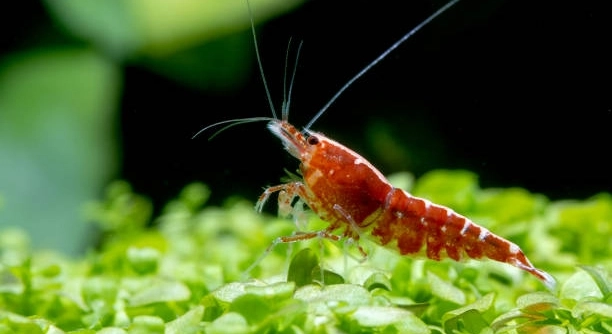
Cherry shrimp are small, colorful freshwater creatures that bring life to any aquarium. Their behavior can change depending on subtle shifts in their surroundings, making it important to observe how they react to different conditions.
Cherry shrimp respond to a variety of environmental cues, including water temperature, pH levels, lighting, water flow, availability of hiding spots, presence of food, and chemical signals from other shrimp. Each factor can influence their activity, coloration, and overall health in measurable ways.
Learning to recognize these reactions can improve shrimp care and create a more balanced tank environment. Observing their responses offers insight into their natural habits and needs.
Water Temperature
Cherry shrimp are very sensitive to water temperature. Even small changes can affect their activity and feeding habits. Temperatures between 72°F and 78°F are ideal, while higher or lower temperatures can stress them. Stressed shrimp may hide more, eat less, or show duller colors. Maintaining a stable temperature is key to keeping them healthy and active. Using a reliable aquarium heater and thermometer helps prevent sudden shifts. Avoid placing the tank near windows, vents, or heating sources that can cause fluctuations. During seasonal changes, check the temperature daily until it stabilizes. Sudden temperature drops can make them lethargic, and extreme heat can reduce their lifespan. Consistent care ensures your shrimp remain lively, colorful, and display normal behaviors. Observing their reactions to the water temperature helps you detect early signs of stress before it affects their health and overall behavior.
Maintaining a steady water temperature supports their metabolism and keeps them active and healthy in the tank environment.
Proper temperature control encourages growth, reproduction, and vibrant coloration. Shrimp become more interactive and visible when their habitat is comfortable.
pH Levels
Cherry shrimp thrive in slightly acidic to neutral water, ideally between pH 6.5 and 7.5. Proper pH ensures efficient molting and overall health. Sudden swings can stress shrimp, leading to inactivity, molting issues, or weakened immunity. Monitoring and adjusting pH gradually is important.
Stable pH levels prevent health problems and keep shrimp behavior predictable. Regular testing helps maintain balance.
Adjusting pH can be done using natural methods like driftwood, Indian almond leaves, or commercially available pH buffers. Avoid rapid changes as shrimp are sensitive and may not adapt quickly. Proper pH supports their exoskeleton development and encourages breeding. Tank plants can naturally help stabilize pH while providing shelter. Observing their behavior after pH adjustments shows whether the environment is suitable. Ensuring stable pH contributes to vibrant colors, consistent activity, and overall tank harmony, making it easier to maintain a thriving shrimp colony.
Lighting Conditions
Cherry shrimp are sensitive to light intensity. Bright lights can make them hide, while dim lighting encourages exploration and feeding. Proper lighting enhances their color without stressing them.
Too much light can lead to excessive algae growth, which may alter water quality and shrimp behavior. Using a timer ensures consistent day-night cycles, helping shrimp establish normal activity patterns. Adjusting light gradually prevents sudden stress. Plants provide natural shading, giving shrimp places to retreat when needed. Observing their movement under different lighting conditions allows you to find the right balance for both health and visual appeal. Proper lighting supports active, colorful, and visible shrimp throughout the day.
Balanced lighting encourages natural behavior and molting cycles. Shrimp are more likely to be visible and interact with their environment when lighting is suitable.
Water Flow
Cherry shrimp prefer gentle water currents. Strong currents can stress them and reduce feeding opportunities. Slow, consistent flow keeps water oxygenated and waste distributed evenly.
High water flow may force shrimp to cling to surfaces, limiting normal activity and increasing stress. Low or stagnant flow can cause debris accumulation, affecting water quality. Positioning filters or pumps carefully allows for moderate circulation without disrupting shrimp behavior. Adjusting flow gradually helps shrimp acclimate while preventing sudden stress. Observing how shrimp move in response to flow indicates whether the current is suitable. Plants and decorations provide sheltered areas to escape stronger currents. Maintaining proper flow encourages feeding, molting, and active movement, ensuring a healthy and balanced tank environment.
Hiding Spots
Cherry shrimp feel safer when they have plenty of places to hide. Moss, plants, and small caves offer shelter from stress and reduce aggression from tank mates.
Providing multiple hiding spots encourages natural behavior. Shrimp are more active and visible when they feel secure, reducing molting problems and stress-related issues.
Food Availability
Consistent and appropriate food ensures shrimp stay healthy and active. Overfeeding can pollute the water, while underfeeding may cause them to compete or starve.
Balanced nutrition supports growth, coloration, and reproduction. Feeding small amounts several times a day helps maintain water quality and allows shrimp to feed naturally without overcrowding.
Chemical Signals
Cherry shrimp detect chemicals released by other shrimp and tank inhabitants. These signals help them identify food, danger, and social cues.
Observing shrimp reactions to chemical changes helps understand their interactions and social behavior. Proper filtration and regular water changes maintain a safe chemical balance.
FAQ
What water temperature is best for cherry shrimp?
Cherry shrimp thrive in water between 72°F and 78°F. Maintaining a stable temperature prevents stress, supports metabolism, and encourages normal activity. Sudden changes can make them hide, stop eating, or lose color. Using a reliable heater and thermometer ensures consistent conditions.
How often should I test pH levels?
Testing pH at least once a week is recommended. Cherry shrimp prefer a pH between 6.5 and 7.5. Sudden swings can cause molting issues or stress. Regular testing helps you adjust gradually, using natural methods like driftwood or leaves, or safe commercial buffers.
Can lighting affect shrimp behavior?
Yes, lighting plays a major role. Bright lights may make shrimp hide, while dim or moderate lighting encourages activity and feeding. Using a timer ensures day-night consistency. Plants can provide natural shade, giving shrimp places to retreat when needed. Observing their activity under different lights helps determine the right intensity.
What is the ideal water flow for cherry shrimp?
Gentle, consistent water flow is best. Strong currents can stress shrimp and make feeding difficult, while stagnant water may lead to debris accumulation. Positioning filters or pumps carefully ensures moderate circulation. Plants and decorations provide sheltered areas to escape stronger currents. Proper flow encourages feeding, molting, and active movement.
How important are hiding spots?
Hiding spots are crucial for shrimp to feel safe. Moss, plants, and small caves reduce stress and aggression. Shrimp with ample shelter are more active, molt successfully, and display vibrant colors. Multiple hiding places also help during molting, when shrimp are most vulnerable.
How often should I feed cherry shrimp?
Feeding small amounts several times a day is ideal. Overfeeding can pollute water, while underfeeding can lead to competition and malnutrition. Balanced food supports growth, reproduction, and coloration. Observing shrimp during feeding helps gauge portions, ensuring none is wasted.
Do chemical signals affect shrimp behavior?
Yes, cherry shrimp detect chemicals released by other shrimp and tank inhabitants. These signals indicate food, danger, and social interactions. Maintaining a clean tank through proper filtration and water changes ensures chemical balance. Observing shrimp reactions helps you understand their social behavior and health.
Can cherry shrimp live with other fish?
Cherry shrimp can cohabit with peaceful fish, but aggressive species may stress or eat them. Providing hiding spots and monitoring behavior is key. Avoid large or predatory fish. Tank mates should complement shrimp habits without disturbing their feeding or molting patterns.
Why are my shrimp losing color?
Fading color often indicates stress or poor water conditions. Common causes include incorrect temperature, pH fluctuations, inadequate diet, or insufficient shelter. Ensuring stable water parameters, a balanced diet, and proper lighting helps maintain their vibrant coloration. Observing daily behavior helps catch early signs of stress.
How can I encourage breeding?
Stable water conditions, a proper diet, and secure hiding spots promote breeding. Females carry eggs under their tails until hatching. Avoid sudden changes in temperature, pH, or water flow, as these can disrupt reproduction. Providing plants and moss gives fry places to hide and survive.
Is molting normal, and how should I help?
Molting is a natural growth process. Shrimp may hide during this time. Ensure water quality is stable and provide calcium-rich food. Avoid removing molted shells immediately; shrimp often consume them to regain nutrients. Proper shelter reduces stress and supports successful molts.
What signs indicate a stressed shrimp?
Stress can show as hiding, inactivity, dull color, or failed molts. Causes include sudden water changes, poor nutrition, high flow, or aggressive tank mates. Observing behavior daily and maintaining stable conditions can prevent stress and improve overall health.
How often should I clean the tank?
Regular maintenance is crucial. Partial water changes once a week help maintain chemical balance and prevent debris accumulation. Avoid drastic cleaning that may disturb shrimp. Cleaning decorations and substrate gently preserves biofilm, which shrimp feed on and rely on for healthy behavior.
Can I use tap water for cherry shrimp?
Tap water can be used if properly treated. Use a water conditioner to remove chlorine, chloramine, and heavy metals. Testing pH and hardness ensures it meets shrimp needs. Conditioned water prevents stress, supports molting, and encourages normal feeding and social behavior.
How do I introduce new shrimp safely?
Acclimate new shrimp slowly using a drip method or gradual mixing. Sudden changes in water parameters can stress or kill them. Quarantining new shrimp helps prevent disease spread. Observing reactions during introduction ensures they adjust safely to their new environment.
What is the average lifespan of cherry shrimp?
Cherry shrimp typically live 1.5 to 2 years under optimal conditions. Lifespan depends on stable water parameters, proper diet, and low stress. Observing their health and providing a consistent environment can help them reach their full potential and maintain activity and color throughout life.
Cherry shrimp are fascinating and delicate creatures that respond to subtle changes in their environment. Their behavior is influenced by factors such as water temperature, pH levels, lighting, water flow, availability of hiding spots, food, and chemical signals from other shrimp. Observing how they react to these conditions can tell you a lot about their well-being. Small adjustments in the tank can make a significant difference in their activity, coloration, and overall health. Maintaining consistent water parameters and providing a suitable environment helps ensure that shrimp remain active and comfortable. Even minor fluctuations, like a sudden drop in temperature or a shift in pH, can cause stress. Stress may result in hiding, reduced feeding, or difficulty molting. By paying attention to these subtle signs, you can act quickly to correct any issues before they affect the shrimp’s long-term health.
Proper care requires a balance between environmental stability and the natural behaviors of shrimp. They thrive best in tanks where water quality is consistently maintained and changes are gradual. Lighting should be appropriate for both visibility and comfort, with areas of shade or plants for hiding. Water flow should be gentle to avoid unnecessary stress, and shelters like moss or small caves give shrimp places to retreat when needed. Feeding should be regular but controlled, providing enough nutrition without causing excess waste. These combined factors create a healthy, low-stress environment where shrimp can display natural behaviors, grow, and reproduce. Observing their reactions to these conditions is the key to understanding their needs. Chemical signals, such as those released by other shrimp, also play a role in behavior, guiding feeding, social interactions, and alerting them to potential danger. Maintaining a clean tank with proper filtration supports this balance and allows shrimp to interact comfortably with their environment.
Watching cherry shrimp over time provides valuable insight into their habits and preferences. Each shrimp may react differently to slight variations in water temperature, light, or flow, making observation an important part of care. Regular testing of water parameters and gradual adjustments help prevent stress and ensure a stable habitat. Providing a balanced diet, appropriate shelter, and consistent care encourages vibrant coloration, active movement, and successful molting. Over time, these efforts result in a thriving shrimp population that is both visually appealing and behaviorally healthy. Understanding these environmental cues not only improves shrimp health but also enhances the overall harmony of the aquarium. By keeping conditions stable, observing behavior closely, and responding to subtle signs, you can create an environment where cherry shrimp flourish and exhibit their natural charm.

Hello,
If you enjoy the content that we create, please consider saying a "Thank You!" by leaving a tip.
Every little bit helps us continue crafting quality advice that supports the health, happiness, and well-being of pets around the world, for pets of all shapes, sizes, and species.
We really appreciate the kindness and support that you show us!