
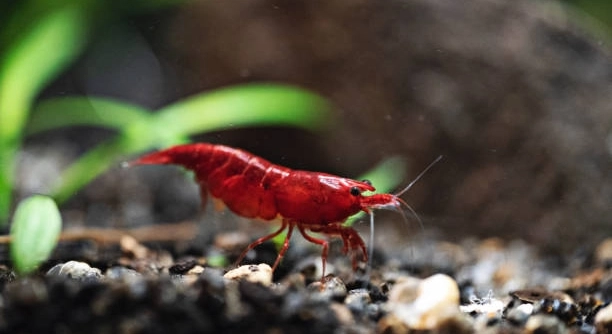
Cherry shrimp are small, vibrant creatures that brighten home aquariums. Their peaceful nature makes them popular among hobbyists, yet sometimes tensions arise when they interact with one another in close quarters.
When cherry shrimp fight, it usually involves minor skirmishes over territory or food. These interactions are brief and rarely cause serious injury, as their exoskeletons provide protection and their behavior is largely driven by instinct rather than aggression.
Observing these tiny conflicts reveals insights into their social habits and helps maintain a harmonious aquarium environment for all residents.
Why Cherry Shrimp Sometimes Fight
Cherry shrimp are generally peaceful, but fighting can occur when resources are limited. They often compete over food, hiding spaces, or prime locations in the tank. Males may show minor aggression to assert dominance, especially during molting when a shrimp’s exoskeleton is soft. These conflicts are usually brief and do not result in severe harm, as their natural instincts favor quick retreats over prolonged battles. Observing their behavior closely allows you to understand their interactions and identify triggers for these small skirmishes. Tank setup plays a big role in reducing fights; adding plants, moss, and hiding spots can prevent overcrowding and stress. Feeding in multiple locations also reduces competition. Over time, shrimp establish a loose hierarchy, which generally keeps peace after initial confrontations. While fights may look intense, they are often a normal part of their social structure and can be managed with a few simple adjustments in care.
Providing adequate space and hiding spots greatly minimizes conflicts among cherry shrimp.
Adding live plants, moss, and decorations creates natural barriers, giving shrimp more comfort and reducing stress-related aggression. Careful observation helps maintain balance.
Signs of Aggression
Shrimp may display biting, chasing, or tail flicking when stressed. These behaviors indicate minor conflicts, often over food or space.
Repeated fighting can cause stress, slow growth, and even increase susceptibility to disease. Monitoring interactions helps prevent long-term harm. Observing feeding behavior is especially important, as competition is highest when food is limited. Shrimp that are frequently chased may retreat to corners or hide for extended periods. Stress signs include discoloration, lethargy, or frequent molting issues. Separating particularly aggressive individuals or adding more hiding spaces can restore balance. Adjusting feeding routines, spreading food across the tank, and maintaining stable water conditions also reduce tension. By recognizing early signs of aggression, you can intervene before it escalates. A well-planned environment encourages natural behaviors without unnecessary conflicts, ensuring shrimp remain healthy and active while coexisting peacefully.
Preventing Fights
Adding plenty of hiding spots reduces stress and competition. Plants, moss, and small decorations give shrimp space to retreat and feel secure.
Even with a peaceful species like cherry shrimp, overcrowding can trigger fights. Providing at least one gallon per shrimp helps maintain harmony. Multiple hiding areas reduce competition for territory and food. Feeding in several locations ensures all shrimp have access without conflict. Observing behavior after adding new tank mates is important, as even minor shifts can spark aggression. A well-structured tank encourages natural interactions and minimizes prolonged conflicts.
Water quality directly impacts shrimp behavior. Poor conditions increase stress, which can lead to more frequent fights. Maintaining stable temperature, pH, and clean water reduces irritability. Regular water changes prevent buildup of harmful chemicals, helping shrimp remain calm. Avoid sudden changes or overcrowding, as both can increase competition. Healthy shrimp are less likely to engage in aggressive displays. Watching for signs of stress, such as hiding or discoloration, allows quick intervention. A balanced environment keeps fights brief and less damaging, promoting a stable and peaceful community.
Managing Aggressive Individuals
Removing particularly aggressive shrimp can protect the rest of the colony. Isolation prevents escalation and reduces stress in the tank.
Aggressive shrimp often target smaller or newly molted individuals. Monitoring tank interactions helps identify those causing repeated harm. Once isolated, ensure the aggressive shrimp has proper food, hiding spots, and water conditions to remain healthy. Reintroducing after molting or changes in tank setup may be possible if aggression decreases. Adjusting feeding patterns, spreading food across multiple areas, and adding extra hiding spots can reduce incidents. Keeping a calm environment with plenty of space allows natural behaviors to continue without unnecessary stress. Observation and small adjustments maintain long-term harmony in the aquarium.
Common Triggers
Limited food and overcrowding are the main triggers for fights. Competition over hiding spots also increases tension among shrimp.
Molting periods make shrimp more vulnerable. Others may chase or nip at soft-shelled individuals, which can lead to minor injuries and stress if the environment is crowded.
Feeding Strategies
Distributing food evenly across the tank reduces competition and aggression. Multiple feeding spots ensure all shrimp get enough nutrition without triggering fights. Observing which areas shrimp prefer helps adjust placement. Small, frequent feedings prevent over-competition and support healthy growth. Ensuring proper nutrition keeps shrimp active and reduces stress-related behaviors.
Tank Maintenance
Regular water changes maintain stable conditions. Clean, well-filtered water reduces stress and discourages aggressive behavior among cherry shrimp.
FAQ
Why do cherry shrimp fight even though they are peaceful?
Cherry shrimp are generally calm, but small fights happen over resources like food, territory, or hiding spots. Males may show minor aggression to assert dominance, and soft-shelled shrimp are sometimes chased. These behaviors are natural and rarely cause serious harm. Observing their interactions helps understand their social structure and prevent prolonged stress.
How can I tell if a shrimp is stressed from fighting?
Signs of stress include hiding for long periods, lethargy, discoloration, or repeated molting problems. Shrimp may avoid others or retreat to corners of the tank. Stress can weaken their immune system, so quick intervention is important. Adding hiding spots and ensuring proper food distribution helps reduce tension.
Can fighting cause injuries in cherry shrimp?
Fights are usually minor because their exoskeletons protect them. Small nips or scratches may occur, but serious injuries are rare. Most conflicts are brief and end when one shrimp retreats. Ensuring enough space and hiding spots keeps injuries to a minimum.
What tank conditions help reduce aggression?
Stable water parameters, proper filtration, and regular maintenance are key. Overcrowding and sudden changes in temperature, pH, or water quality increase stress and aggression. Providing one gallon per shrimp and multiple hiding areas reduces tension and promotes peaceful interactions.
Does molting increase fighting?
Yes. During molting, a shrimp’s exoskeleton is soft, making it vulnerable. Others may chase or nip at the soft-shelled individual. Providing plenty of hiding spaces and observing interactions during molting cycles minimizes stress and potential conflicts.
How should I feed cherry shrimp to avoid fights?
Feed in multiple locations and provide small, frequent portions. This reduces competition over food and ensures all shrimp get proper nutrition. Observe preferred areas and adjust placement to spread food evenly. Balanced nutrition keeps shrimp active and less aggressive.
Can aggressive shrimp be reintroduced after isolation?
Aggressive shrimp can sometimes be reintroduced after molting or after the tank setup changes. Isolate them until aggression decreases, then monitor interactions carefully. Adding extra hiding spots and spreading food reduces the chance of renewed conflicts.
Are certain shrimp more prone to aggression?
Males competing for dominance and shrimp in crowded tanks are more likely to show aggression. Newly introduced shrimp may also be targeted until the hierarchy is established. Observation and adjusting the environment can reduce repeated incidents.
What role does tank layout play in preventing fights?
Plants, moss, and decorations create barriers and hiding spots, reducing competition for territory. A well-structured tank allows shrimp to escape when conflicts arise, keeping fights brief. Overcrowded or sparse setups increase stress and aggression.
How often should I monitor shrimp behavior?
Daily observation is helpful, especially after introducing new shrimp or changing the tank setup. Spotting stress signs or repeated aggression early allows quick adjustments. Regular monitoring ensures a peaceful, healthy environment.
Can aggressive behavior affect shrimp health long-term?
Yes, prolonged stress from repeated fights can slow growth, cause molting issues, and weaken immunity. Intervening by providing space, hiding spots, and stable conditions helps prevent long-term harm.
Is it normal for fights to happen during feeding?
Yes. Feeding can trigger brief competition, especially in crowded tanks. Multiple feeding spots and careful observation reduce tension and ensure all shrimp get enough food. Most feeding-related conflicts are minor and resolve quickly.
How do I know when a fight is serious?
Serious fights are rare. Signs include repeated chasing, visible injuries, or a shrimp being constantly cornered. Intervene by separating the aggressive individual and ensuring hiding spaces for vulnerable shrimp. Most conflicts are brief and self-limiting.
Do cherry shrimp fight less as they establish hierarchy?
Yes. Initial skirmishes often decrease as shrimp establish a loose social order. Once dominance is recognized, interactions become calmer, and fights are mostly brief disputes over minor resources.
What additional steps can help maintain peace in the tank?
Maintain clean water, stable parameters, adequate space, multiple hiding spots, and distributed feeding. Avoid overcrowding and sudden changes. Regular observation and small adjustments create a calm, healthy environment where shrimp coexist peacefully.
How can I help a soft-shelled shrimp during molting?
Provide extra hiding spaces and avoid overcrowding. Ensure food is spread out so they don’t need to compete. Observation is key to prevent nips or stress until the shrimp’s exoskeleton hardens.
Are there behavioral signs that predict aggression?
Frequent chasing, tail flicking, or constant pursuit of others are early indicators. Recognizing these behaviors allows intervention before fights escalate or stress becomes harmful.
Can tankmates affect cherry shrimp aggression?
Yes. Aggressive fish or other species may stress shrimp, increasing minor fights. Peaceful tankmates and a well-structured environment reduce overall tension and help shrimp behave naturally.
Does lighting or feeding schedule influence fights?
Inconsistent lighting or irregular feeding can increase stress. Maintaining a stable light cycle and predictable feeding routine helps shrimp feel secure, reducing competition and aggressive behaviors.
What is the best way to observe shrimp behavior safely?
Watch from a distance to avoid startling them. Note hiding, chasing, and feeding patterns. Regular, gentle observation helps identify aggression early and allows for timely adjustments in tank setup and care.
How long do minor fights usually last?
Most fights last only a few seconds. One shrimp quickly retreats, ending the confrontation. Interventions are rarely needed if the tank is well-structured and feeding is adequate.
Can adding more shrimp reduce fights?
Sometimes. A larger group can spread out competition, but overcrowding must be avoided. Balance is key—enough shrimp to share resources without creating stress from limited space.
What is the role of plants and moss in preventing conflicts?
They provide hiding spots and visual barriers, reducing territorial disputes. Shrimp can retreat or explore without constant encounters, keeping fights brief and stress levels low.
How can I ensure food reaches shy or weaker shrimp?
Feed in multiple locations and monitor distribution. Smaller, weaker shrimp often benefit from spreading food out, reducing stress and preventing more dominant shrimp from taking all resources.
Are some shrimp more active and prone to chasing?
Yes. Active individuals, especially males, may chase others more often. Observation and tank adjustments help manage interactions and maintain harmony.
Does water temperature influence aggression?
Extreme or fluctuating temperatures increase stress, which can trigger minor fights. Maintaining a stable, appropriate temperature helps shrimp remain calm and reduces tension.
How important is regular tank maintenance in preventing fights?
Very important. Clean water, stable parameters, and proper filtration reduce stress and aggression. Neglect can increase competition and prolong conflicts, impacting shrimp health.
What should I do if a fight results in injury?
Isolate the injured shrimp, ensure clean water, and provide hiding spots. Minor injuries usually heal quickly if stress is minimized. Observing interactions prevents further incidents.
Do shrimp recognize individual tankmates?
They respond more to behavior than identity. Aggression is usually situational, based on competition, not personal recognition. Proper environment reduces conflict regardless of individual shrimp.
How long after adding new shrimp should I monitor for fights?
Monitor closely for at least the first week. Initial skirmishes help establish hierarchy. Extra hiding spots and careful feeding reduce stress and prevent serious conflicts.
Can a well-fed tank still have fights?
Yes, fights can occur over territory or during molting, even with abundant food. Providing hiding spaces and space for retreat helps resolve these minor conflicts quickly.
Is it normal for females to fight?
Females rarely initiate fights, but minor disputes over food or shelter can happen. Aggression is usually brief and less intense than male skirmishes.
What signs indicate the tank environment is ideal?
Shrimp are active, color is vibrant, hiding behavior is normal, and fights are minimal. Stable water parameters and balanced space distribution show a healthy, calm environment.
How often should I change water to reduce aggression?
Regular partial changes, typically weekly, maintain stable conditions. This prevents stress, reduces aggression, and supports healthy shrimp growth and behavior.
Can introducing plants mid-cycle affect fights?
Yes. New plants create extra hiding spots, which can reduce tension. Introducing slowly allows shrimp to adjust and decreases initial competition or chasing.
Is it necessary to separate aggressive shrimp permanently?
Permanent separation is rarely needed. Temporary isolation or environmental adjustments usually restore harmony, allowing all shrimp to coexist peacefully.
How do I prevent fights during breeding?
Provide extra hiding spots and sufficient food. Avoid overcrowding. Males may compete for females, but proper tank setup limits stress and reduces conflicts.
Can aggressive behavior indicate health issues?
Sometimes. Illness or injury can increase irritability. Observing overall behavior and checking water quality helps distinguish normal dominance from stress-related aggression.
How can I maintain long-term peace among shrimp?
Stable water, proper feeding, hiding spots, sufficient space, and regular observation are key. Small, consistent adjustments prevent minor conflicts from escalating, keeping the tank harmonious and shrimp healthy.
Are juvenile shrimp more likely to be bullied?
Yes. Smaller shrimp are often targeted by larger or more dominant individuals. Adequate hiding spaces and careful monitoring reduce stress and allow them to grow safely.
Does lighting intensity affect aggression?
Bright or inconsistent lighting can stress shrimp. Moderate, stable lighting helps them feel secure, reducing chasing and territorial disputes.
How can I track which shrimp are aggressive?
Note individuals that chase, nip, or dominate food consistently. Observing behavior over several days identifies patterns, allowing intervention through isolation or tank adjustments.
Can substrate type influence fighting?
Dense or cluttered substrates provide hiding spaces and reduce line-of-sight conflicts. Sparse tanks may increase territorial disputes. Balance is important for peaceful interactions.
Do shrimp fight more in planted or bare tanks?
Bare tanks often increase stress and competition due to lack of cover. Planted tanks provide hiding spots and visual barriers, keeping fights brief and less frequent.
What role does molting frequency play in aggression?
Frequent molting makes shrimp temporarily vulnerable, which may trigger chasing or nipping. Extra hiding spaces during these periods reduce conflicts and protect soft-shelled shrimp.
How important is observation for preventing fights?
Critical. Regular observation identifies stress signs, aggression patterns, and environmental issues. Early intervention keeps fights brief and maintains a healthy tank.
Can adding driftwood or rocks help?
Yes. These create natural barriers and additional hiding spots, reducing competition over territory and minimizing aggressive encounters.
Do shrimp fight more during certain times of day?
Activity and minor fights often peak around feeding or light changes. Providing consistent routines and multiple feeding spots helps reduce these brief conflicts.
Are aggressive behaviors inherited?
Behavior is more influenced by environment and social structure than genetics. Proper tank conditions reduce aggression regardless of individual shrimp tendencies.
How can I encourage peaceful behavior in the tank?
Provide hiding spots, stable water, distributed feeding, and enough space. Monitoring interactions and adjusting the environment keeps shrimp calm and reduces unnecessary fights.
Is chasing always a sign of aggression?
Not always. Chasing can be playful or part of normal social behavior. Repeated targeting, nipping, or causing stress indicates true aggression that needs attention.
Can substrate depth affect aggression?
Yes. Deep substrates with hiding areas allow shrimp to escape and reduce line-of-sight disputes. Shallow, sparse substrates may increase competition and minor fights.
How long do dominance disputes usually last?
Most dominance skirmishes are brief, lasting seconds to minutes. Once hierarchy is established, fights are minimal and mostly over minor resources.
Are shrimp more aggressive in small tanks?
Yes. Limited space increases competition for territory, food, and hiding spots. Adequate tank size helps reduce stress and keep fights brief.
What is the best way to monitor multiple shrimp?
Observe in short sessions multiple times daily. Note chasing, hiding, feeding behavior, and stress signs. Adjust environment as needed to maintain peace.
Do shrimp fight over food even if plentiful?
Sometimes, especially during molting or if space is limited. Multiple feeding spots and spreading food reduces tension and ensures all shrimp get proper nutrition.
Can tank decorations influence aggression?
Yes. Dense plants, moss, driftwood, or rocks reduce direct encounters, providing visual barriers and hiding spots that limit fighting and stress.
How should I respond to sudden fights after adding new shrimp?
Provide extra hiding spaces, feed evenly, and observe interactions closely. Minor skirmishes are normal, but intervention may be needed if aggression persists.
Are some species of cherry shrimp more aggressive than others?
All cherry shrimp are generally peaceful. Minor differences in activity level exist, but aggression is primarily influenced by environment and social structure rather than species variation.
What is the effect of overcrowding on fighting?
Overcrowding increases stress, competition for food and territory, and frequency of chasing. Maintaining proper density is crucial to prevent repeated fights and stress-related health issues.
How can I reduce stress during tank cleaning?
Move shrimp gently if needed, maintain stable water parameters, and avoid sudden changes. Extra hiding spots reduce stress and prevent aggression during maintenance.
Does age affect aggression?
Young shrimp are more likely to be chased, while adults may assert dominance over territory or food. Proper hiding spaces help all age groups coexist peacefully.
How do I balance males and females to reduce fights?
A mix of males and females helps distribute attention. Too many males may increase dominance displays. Adequate space and hiding spots prevent repeated conflicts.
Can fighting disrupt breeding?
Yes. Aggression may stress molting or pregnant females, reducing reproduction success. Providing hiding spots, stable conditions, and evenly distributed food supports breeding without conflict.
How does water hardness affect shrimp behavior?
Stable, appropriate hardness keeps shrimp healthy and reduces stress. Fluctuations or unsuitable levels may increase aggression and chasing behavior.
Are there signs that shrimp are too stressed to coexist?
Constant hiding, repeated injuries, or lethargy indicate serious stress. Adjusting environment or separating aggressive individuals may be necessary to restore balance.
Can feeding type influence aggression?
Soft or slow-sinking foods reduce competition over hard pellets. Small portions in multiple areas ensure fair access and minimize fights.
Does frequent observation stress shrimp?
Brief, gentle observation does not stress them. Watching from a distance and avoiding sudden movements helps monitor behavior safely.
How long after a fight should I wait to intervene?
Most fights end quickly. Intervene only if chasing or nipping continues or if a shrimp appears injured or overly stressed.
Can adding new plants trigger temporary fights?
Yes. Shrimp may explore new areas and temporarily compete for space. Additional hiding spots usually resolve minor skirmishes quickly.
How do I differentiate normal chasing from harmful aggression?
Normal chasing is brief and ends when one shrimp retreats. Harmful aggression involves repeated targeting, injury, or prolonged stress. Intervention is needed in the latter case.
Does water flow influence fighting?
High water flow can stress shrimp and increase chasing. Gentle, consistent flow helps shrimp feel secure and reduces minor conflicts.
Are fights more common in certain tank sections?
Yes. Open areas with limited hiding spots are hotspots for brief fights. Dense plants or moss reduce encounters and provide safe retreat areas.
Can aggression be completely eliminated?
No. Minor disputes are natural. Proper tank setup, space, hiding spots, and feeding routines minimize fights but do not remove all natural interactions.
What’s the safest way to separate aggressive shrimp?
Use a small container or breeding box with proper water from the tank. Ensure food and hiding spots are available while monitoring health.
Do shrimp communicate during fights?
Yes. Tail flicking, chasing, or nipping signals social dominance or territorial claims. Observing these behaviors helps predict conflicts and maintain harmony.
Can seasonal changes affect fighting?
Changes in temperature, light, or water conditions may temporarily increase stress and minor aggression. Stable conditions reduce these fluctuations.
How does hiding space size affect fights?
Larger and more numerous hiding spaces allow soft-shelled or shy shrimp to retreat, reducing stress and the frequency of minor conflicts.
Do shrimp remember past aggression?
Shrimp react mainly to immediate behavior rather than memory of previous fights. Aggression is driven by competition and environmental factors.
Is it normal for shrimp to chase without physical contact?
Yes. Non-contact chasing establishes hierarchy without causing injury. Intervention is rarely needed unless it escalates to nipping or stress.
Can diet changes influence aggression?
Balanced nutrition supports calm behavior. Poor diets or sudden changes may increase competition and minor fighting. Regular, adequate feeding reduces tension.
Are there signs aggression is due to illness?
Shrimp that suddenly become irritable, chase excessively, or behave unusually may be stressed by illness. Water quality checks and observation are necessary.
How do I maintain balance after adding new shrimp?
Add hiding spots, spread food, and monitor interactions closely. Initial skirmishes are normal, but the environment should allow retreat and minimize prolonged conflicts.
What is the best way to manage a highly active tank?
Provide multiple hiding spots, distributed feeding, and adequate space. Observation ensures minor conflicts are brief and do not escalate into serious stress.
Can fighting impact molting success?
Yes. Stress from chasing or nipping can delay molting or cause complications. Extra hiding spots during molting cycles help protect vulnerable shrimp.
Do shrimp fight less in mature tanks?
Typically, yes. Once a stable hierarchy is established and hiding spots are abundant, minor fights become infrequent and less intense.
How do I know when to adjust tank conditions?
Frequent hiding, repeated chasing, or injuries indicate the environment may need more space, hiding spots, or water stability adjustments.
Can overfeeding reduce fights?
Yes. Ensuring all shrimp have easy access to food reduces competition. Small, frequent feedings across multiple locations help maintain calm.
Are some decorations better for reducing aggression?
Dense plants, moss, driftwood, and rocks are ideal. They create barriers, visual cover, and extra hiding places, reducing chasing and minor conflicts.
Can I train shrimp to be less aggressive?
Not directly. Adjusting tank setup, feeding routines, and space distribution encourages calm behavior, but natural social interactions will still occur.
How do I handle aggression in small tanks?
Prioritize hiding spots, evenly distribute food, and avoid overcrowding. Frequent observation is crucial to prevent stress and repeated fights.
Does tank color affect aggression?
Subtle differences may influence visibility, but aggression is mostly driven by space, hiding spots, and competition rather than tank color.
What’s the main factor influencing cherry shrimp fights?
Space and resource availability. Overcrowding, limited hiding spots, and food competition trigger most conflicts, even in peaceful species.
How can I support shy shrimp in a mixed group?
Provide hiding spots, distribute food,
Final Thoughts
Cherry shrimp are small, delicate creatures, yet they have a surprising range of behaviors that can include minor conflicts. Observing these tiny shrimp teaches a lot about their social interactions and instincts. Most fights are brief and caused by competition over food, hiding spots, or territory. While they may seem aggressive at times, these skirmishes are usually harmless and part of their natural behavior. Understanding why and when they fight allows for a calmer tank environment. By recognizing the triggers, such as overcrowding or limited resources, it is possible to minimize conflicts and keep the shrimp healthy and active. Simple adjustments to the tank, like adding more plants or creating multiple feeding areas, can make a big difference. Over time, shrimp establish a loose social hierarchy, and this structure generally reduces repeated fighting. Observing their interactions carefully ensures that any stressful behavior is noticed early and addressed quickly.
Maintaining proper tank conditions is essential for reducing aggression. Stable water parameters, appropriate temperature, and regular cleaning all contribute to a stress-free environment. Stress is a major factor in shrimp fights, so ensuring the tank is calm and predictable helps keep interactions peaceful. Providing plenty of hiding spots and visual barriers allows shrimp to retreat when they feel threatened. This is especially important during molting, when shrimp are vulnerable and soft-shelled individuals can be targeted by others. Feeding strategies also play a role. Distributing food across multiple areas reduces competition and ensures all shrimp get proper nutrition without the need for conflict. Careful monitoring after adding new shrimp or making changes to the tank can prevent skirmishes from becoming prolonged or harmful. The goal is to create a balanced environment where shrimp can coexist naturally and maintain their vibrant colors and healthy behavior.
Watching cherry shrimp in action can be both relaxing and informative. Their tiny conflicts show how social structure develops and how small adjustments in care can impact behavior. Even though fights can occur, they are rarely severe and usually resolve quickly if the environment is well-managed. Ensuring adequate space, consistent feeding, and plenty of hiding areas allows shrimp to feel secure and reduces the chances of stress-induced aggression. Regular observation is important, as it allows early detection of problems and provides opportunities to make simple adjustments before any serious issues arise. Overall, creating a stable, enriched environment supports natural behavior, encourages healthy growth, and minimizes fights. A little attention to tank setup, feeding routines, and water quality goes a long way in maintaining harmony among cherry shrimp, allowing them to thrive peacefully and show their full vibrant colors.

Hello,
If you enjoy the content that we create, please consider saying a "Thank You!" by leaving a tip.
Every little bit helps us continue crafting quality advice that supports the health, happiness, and well-being of pets around the world, for pets of all shapes, sizes, and species.
We really appreciate the kindness and support that you show us!