
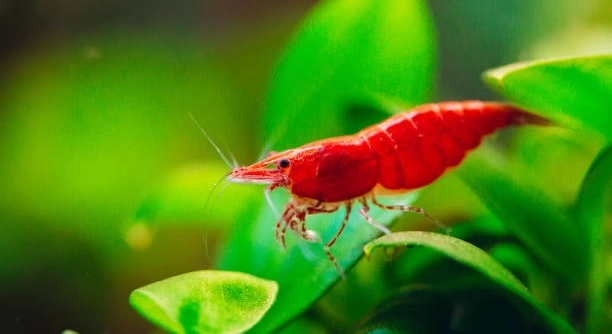
Do you ever notice your shrimp population growing faster than expected, taking over your tanks or ponds? Managing their numbers can feel overwhelming, especially when it starts affecting other species and the overall balance of your aquatic environment.
Handling a shrimp population boom requires careful monitoring and strategic intervention. Methods include regulating feeding, introducing natural predators, optimizing water conditions, selective harvesting, and maintaining habitat balance to prevent overpopulation while supporting ecosystem stability and species health.
These practical strategies will help you maintain a healthy aquatic environment and prevent shrimp from overtaking your space unexpectedly.
Monitor Shrimp Numbers Regularly
Keeping track of shrimp populations is essential to avoid sudden overgrowth. Regularly checking your tanks or ponds allows you to identify trends and prevent overcrowding. Note the number of juveniles and adults, as reproduction rates can quickly escalate if left unchecked. A log or chart can help visualize changes over time. Observing behavior is also important; stressed or hiding shrimp may indicate imbalances. Monitoring water parameters like temperature, pH, and ammonia levels ensures that the environment stays suitable for both shrimp and other aquatic species. By keeping a close eye, you can take timely actions before the population reaches critical levels.
Tracking shrimp closely allows you to intervene quickly when numbers start rising too fast, ensuring a balanced habitat and healthier overall ecosystem.
Consistent monitoring gives you control over the tank’s stability. Observing shrimp growth and interactions helps prevent unexpected explosions in population. Recording details on feeding habits, molting, and reproduction can highlight patterns and help plan management strategies. Adjusting water quality and feeding frequency in response to these observations can maintain a stable and thriving aquatic environment.
Adjust Feeding Practices
Overfeeding accelerates shrimp population growth and leads to water quality problems. Reducing excess food limits available resources, naturally slowing reproduction. Controlled feeding also prevents algae blooms and keeps the tank cleaner.
Feeding shrimp measured portions daily prevents waste accumulation and maintains water balance.
It’s important to provide adequate nutrition without excess. Shrimp require a balanced diet, but overabundant food encourages rapid reproduction and can lead to overcrowding. Spread feedings throughout the day in small amounts to ensure all shrimp have access. Monitor uneaten food and remove leftovers promptly. Adjust feeding based on shrimp activity and population size. Maintaining a consistent routine supports growth without destabilizing the environment, giving you more control over population expansion while keeping the tank healthy.
Introduce Natural Predators
Adding natural predators can help control shrimp populations without harsh chemicals. Species like certain fish or crabs eat juvenile shrimp, keeping numbers in check while maintaining ecosystem balance.
Choosing compatible predators is key. Avoid aggressive species that may harm other inhabitants. Introduce predators gradually and monitor interactions. Keep enough hiding spaces for shrimp to reduce stress and avoid mass predation. Observation ensures predator and shrimp coexist without destabilizing the tank or pond. Adjust predator numbers if overfeeding or aggressive behavior occurs.
Natural predators help maintain population balance while supporting ecological stability. Observing shrimp behavior ensures predators are effective yet non-disruptive. Using predators as a management tool allows a more hands-off approach, reducing labor-intensive population control methods. Carefully selecting species, monitoring interactions, and maintaining habitat structure ensures both shrimp and predators thrive. This method complements other strategies, such as feeding adjustments and population monitoring, creating a sustainable and balanced environment that minimizes sudden overgrowth and maintains long-term health for all aquatic inhabitants.
Selective Harvesting
Removing a portion of shrimp periodically keeps populations manageable and prevents overcrowding. Focus on adult shrimp to slow reproduction while preserving juveniles.
Harvesting reduces stress on the habitat and prevents resource depletion, keeping water quality stable.
Selective harvesting requires regular assessment of population age and size. Remove adult shrimp systematically, leaving enough individuals to maintain reproduction without overwhelming the tank. Track numbers to avoid overharvesting, which can destabilize the ecosystem. Combine this with proper feeding and monitoring to maintain balance. Harvested shrimp can be relocated or used elsewhere, ensuring the process benefits both the environment and practical needs. Over time, selective harvesting keeps the population within sustainable limits, preventing sudden booms that disrupt the habitat and allows other aquatic species to thrive.
Optimize Water Conditions
Maintaining stable water conditions slows shrimp overpopulation and promotes health. Regularly check pH, temperature, and ammonia levels to ensure the environment stays suitable for all inhabitants.
Proper filtration and water changes prevent nutrient buildup, which can fuel rapid reproduction. Clean tanks reduce stress and support overall ecosystem balance.
Provide Adequate Hiding Spaces
Shrimp need shelter to feel safe and avoid unnecessary stress. Dense plants, rocks, or artificial caves give juveniles protection from predators and reduce aggressive interactions. Maintaining hiding areas supports population health and allows shrimp to grow naturally without overexposure or harm.
Avoid Overcrowding
Crowded tanks increase competition and stress, which can trigger higher reproduction rates. Maintaining moderate shrimp density helps keep growth manageable and ensures a stable habitat.
FAQ
How often should I monitor shrimp populations?
Monitoring should be done at least once a week, especially during warmer months when reproduction rates are higher. Take notes on the number of adults and juveniles, molting patterns, and any signs of stress or illness. A simple log or chart helps track population trends over time. Regular observation allows timely interventions, preventing overcrowding and maintaining ecosystem balance.
What is the best way to reduce shrimp numbers without harming the tank?
Selective harvesting and introducing natural predators are the safest methods. Focus on removing adult shrimp while leaving juveniles to maintain population sustainability. Avoid chemicals, which can harm other species and disrupt water chemistry. Maintaining proper feeding and hiding spaces supports natural population control.
Can water quality affect shrimp overpopulation?
Yes. High nutrient levels from leftover food or waste can accelerate reproduction. Regular water changes and proper filtration prevent ammonia buildup and algae growth. Stable pH, temperature, and oxygen levels reduce stress and discourage rapid population surges, keeping shrimp healthy and balanced.
How do I know if my shrimp tank is overcrowded?
Signs of overcrowding include aggressive behavior, slower growth, excessive molting issues, and poor water quality. Observe interactions between shrimp and other species. Juveniles may hide more frequently, and adults may compete aggressively for food. Maintaining moderate density prevents stress and supports a stable environment.
Are natural predators always necessary?
Not always, but they are useful in larger tanks or ponds where population control is difficult manually. Small tanks may rely on monitoring, feeding management, and selective harvesting. Predators should be compatible with existing species to avoid harming other aquatic life. Gradual introduction and observation are important.
How often should I feed shrimp during a population boom?
Feed small, measured portions once or twice daily. Overfeeding encourages rapid reproduction and pollutes water. Spread food to ensure all shrimp can access it. Remove uneaten food promptly. Adjust feeding according to population size and activity levels to maintain health without accelerating overgrowth.
What are safe ways to relocate harvested shrimp?
Place shrimp in a tank or pond with similar water conditions to reduce stress. Transport in oxygenated water at appropriate temperature. Avoid sudden changes in pH or temperature to prevent shock. Gradual acclimation ensures survival and allows relocated shrimp to thrive without impacting the new environment.
How can hiding spaces help control population growth indirectly?
Providing shelters reduces stress and aggressive behavior, which can otherwise trigger excessive breeding. Juveniles use hiding spots to survive predation, supporting balanced population growth. Plants, rocks, or artificial caves help maintain structure in the habitat, keeping shrimp healthy while minimizing sudden population spikes.
What long-term strategies prevent future shrimp booms?
Regular monitoring, controlled feeding, selective harvesting, natural predators, and stable water conditions all work together. Consistency is key. Avoid sudden changes in environment or population density. Maintaining proper habitat balance ensures a sustainable population, keeping both shrimp and other aquatic species healthy over time.
How do I balance shrimp population with other tank inhabitants?
Introduce compatible species that do not compete aggressively with shrimp for food or space. Observe interactions and adjust predator or shrimp numbers as needed. Ensure adequate hiding spaces and feeding distribution. Balanced population management protects all species while preventing overgrowth and maintaining a healthy, thriving ecosystem.
Can overpopulation affect shrimp health?
Yes. Crowded conditions increase stress, slow growth, and can lead to disease outbreaks. Overpopulation reduces access to food and shelters, causing weaker shrimp and more frequent molting issues. Keeping populations within manageable limits ensures healthier, more resilient shrimp and a stable aquatic environment.
How do seasonal changes impact shrimp populations?
Warmer temperatures often speed up reproduction, while colder periods may slow growth. Monitor water temperature and adjust feeding or harvesting accordingly. Seasonal fluctuations influence activity and molting, so proactive management during high-growth periods helps maintain balance and prevents unexpected population surges.
What is the role of plants in controlling shrimp populations?
Plants provide hiding spots, reduce stress, and help absorb excess nutrients. Healthy plants compete with algae for resources, limiting food availability that can fuel rapid reproduction. Incorporating live plants creates a more stable habitat, indirectly controlling population growth while improving overall ecosystem health.
Final Thoughts
Managing a shrimp population boom requires a combination of careful observation, proactive strategies, and consistent maintenance. Simply letting the population grow unchecked can create a range of problems, including poor water quality, stressed tank inhabitants, and imbalanced ecosystems. Regular monitoring of shrimp numbers is essential to notice trends early and take appropriate action. Recording adult and juvenile counts, molting behavior, and activity levels provides a clear picture of population growth. Observing interactions between shrimp and other species also helps identify any signs of stress or competition. This information allows for timely adjustments in feeding, harvesting, and habitat management to maintain balance. A stable environment not only supports shrimp health but also ensures other aquatic life can thrive without disruption.
Adjusting feeding practices is another key factor in controlling shrimp populations. Overfeeding encourages rapid reproduction and leads to waste accumulation that negatively impacts water quality. Providing measured portions at consistent intervals ensures shrimp receive adequate nutrition without promoting overgrowth. Removing uneaten food promptly prevents excess nutrients from fostering algae blooms or creating an imbalanced ecosystem. Introducing natural predators in a controlled manner can further support population management. Selecting compatible species and monitoring their interactions with shrimp reduces the risk of aggression while keeping juvenile numbers in check. Combining these strategies—monitoring, feeding control, selective harvesting, and predator introduction—creates a multi-layered approach that is both effective and sustainable.
Maintaining proper water conditions and habitat structure is equally important. Stable temperature, pH, and ammonia levels reduce stress on shrimp, making them less likely to over-reproduce. Adequate hiding spaces, whether through plants, rocks, or artificial shelters, provide juveniles protection and help reduce aggressive behaviors that can trigger rapid breeding. Consistent water changes and effective filtration support a healthy, balanced ecosystem. Over time, these measures prevent overcrowding and create a controlled environment where shrimp can thrive without overwhelming the tank or pond. By combining observation, practical management techniques, and attention to habitat quality, it is possible to maintain a healthy shrimp population while ensuring the overall stability of the aquatic environment. This approach not only addresses current population surges but also sets the stage for long-term sustainability.

Hello,
If you enjoy the content that we create, please consider saying a "Thank You!" by leaving a tip.
Every little bit helps us continue crafting quality advice that supports the health, happiness, and well-being of pets around the world, for pets of all shapes, sizes, and species.
We really appreciate the kindness and support that you show us!