
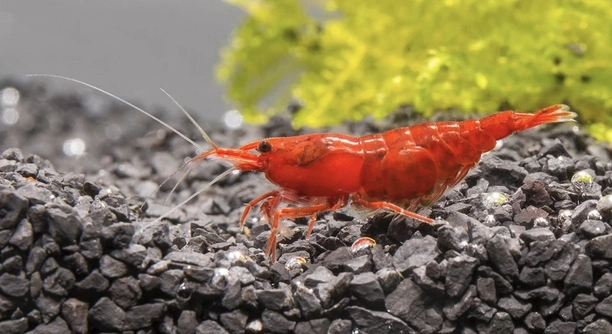
Have you ever noticed your shrimp moving differently when there are no decorations or plants in their tank? Even small changes in their environment can affect how they behave, swim, and interact with each other in noticeable ways.
Shrimp often act differently in bare tanks because they lack hiding places and environmental complexity. The absence of substrate, plants, and shelter alters their natural instincts, causing changes in activity levels, social interactions, and feeding patterns within the aquatic habitat.
Observing these subtle differences can help you understand their needs and make simple adjustments to support healthier behavior.
How Tank Setup Influences Shrimp Behavior
Shrimp are very sensitive to their surroundings, and the way you set up a tank can change how they act. In bare tanks, there are no plants, rocks, or hiding spaces. This makes shrimp feel more exposed, which can increase their stress levels. Without places to explore or hide, they often spend more time near the bottom or cling to the walls, avoiding open spaces. They may also become more cautious with feeding, picking at food slowly or hesitating to approach it. On the other hand, in planted or decorated tanks, shrimp feel safer and tend to move around more confidently, exploring all areas. Even small items, like moss or small stones, can provide enough cover to encourage natural behaviors. Over time, observing these changes helps in understanding what environment makes shrimp more active and less stressed, ensuring they remain healthy and vibrant.
Shrimp in bare tanks often show slower movements and reduced social interactions compared to decorated setups.
Adding just a few plants or moss pads can drastically change their activity. Even minimal decorations allow shrimp to hide, explore, and feed more naturally. They start climbing surfaces, foraging actively, and showing normal social interactions. These small changes make a big difference in their daily routine, and it becomes clear how much environment shapes their behavior.
Feeding Patterns in Bare Tanks
Shrimp may eat less in a bare tank because they feel vulnerable while feeding.
The absence of hiding spots changes how they approach food. In natural or decorated environments, shrimp can retreat to a plant or rock while nibbling, which makes them feel secure. In bare tanks, food becomes a risk, and they may pick at it slowly, leave it, or eat only small portions at a time. Over several days, this can affect their health and growth. Observing their behavior while feeding provides clues about stress levels.
Providing safe spots, even small ones, helps restore natural feeding habits. Moss mats, leaf litter, or tiny caves make shrimp more willing to forage openly. Over time, you notice shrimp exploring more of the tank, feeding steadily, and interacting normally with each other. Tank design impacts everything from movement to molting, and small adjustments can significantly improve their well-being. Creating even a minimally complex environment helps shrimp feel secure and behave naturally, which leads to healthier, happier inhabitants in the aquarium.
Stress and Hiding Behavior
Shrimp in bare tanks often appear tense and move less. Without places to hide, they feel exposed, which can increase stress. This makes them more cautious and hesitant to explore, impacting normal activities like feeding and interacting with other shrimp.
Stress can affect shrimp health in noticeable ways. In a bare tank, they may stay close to the walls or cling to surfaces, avoiding open spaces. Constant exposure without shelter limits their natural instincts, such as foraging or molting safely. Over time, stressed shrimp may show slower growth, molting difficulties, or even changes in coloration. Providing even minimal cover can reduce this stress, allowing them to move more freely and behave naturally.
Hiding behavior is essential for shrimp to feel secure. Bare tanks remove this possibility, which can change their routine and social patterns. Introducing moss, small caves, or leaf litter allows shrimp to retreat when needed. This simple adjustment encourages activity, promotes safer feeding, and reduces signs of stress. Watching these changes can reveal just how important environmental comfort is to their overall well-being.
Molting Differences in Bare Tanks
Shrimp in bare tanks may molt less predictably due to lack of cover and stress.
Molting is a vulnerable time for shrimp, and bare tanks offer no protection. In decorated tanks, they can hide safely while shedding their exoskeletons, but in open spaces, they may delay or struggle with the process. This can result in incomplete molts, slower growth, or even injury. Stress also plays a role, as constantly feeling exposed triggers caution, making shrimp more likely to postpone molting. Adding minimal shelter can support healthy molting cycles.
Providing safe spaces encourages proper molting. Moss mats, small rocks, or plant leaves create areas where shrimp can hide and shed comfortably. This reduces stress and allows them to maintain normal growth patterns. Over time, molting becomes more regular, and shrimp appear healthier and more active. A well-designed tank, even minimally decorated, supports both molting and natural behavior, demonstrating how critical environmental factors are to shrimp life cycles. Creating these small safe zones significantly improves their overall well-being and daily activity levels.
Swimming Patterns in Bare Tanks
Shrimp often swim less in bare tanks, sticking close to the bottom or sides. The lack of structures makes them feel exposed, reducing exploration and active movement across the tank. Their swimming becomes cautious and slower than in decorated environments where they feel secure.
Restricted swimming can affect overall health and behavior. Without places to climb or explore, shrimp miss out on normal exercise and interaction opportunities. Over time, this can make them less active, less curious, and slower to respond to food or changes in the tank. Even small additions like moss or rocks encourage movement and natural swimming patterns.
Social Interactions
Bare tanks can limit how shrimp interact with each other.
Shrimp often rely on visual barriers and hiding spaces to establish comfort while socializing. In open tanks, stress and exposure reduce playful or exploratory interactions. Adding small structures can improve social behavior, allowing them to cluster, forage together, and move more naturally.
Impact on Water Quality
Bare tanks can change how shrimp affect and respond to water conditions.
Without substrate or plants, there is less surface for beneficial bacteria to grow and fewer areas for shrimp to clean and forage. Waste may accumulate more visibly, which can affect ammonia and nitrite levels, making water quality maintenance more demanding. Shrimp may react to these changes with reduced activity or altered feeding patterns. Incorporating minimal decorations or moss not only provides hiding spots but also encourages natural grazing and helps stabilize the environment. Even simple additions improve water filtration, reduce stress, and support healthier shrimp behavior over time.
Temperature Sensitivity
Shrimp in bare tanks are often more affected by minor temperature changes.
Lack of cover exposes them to fluctuations, making them more sensitive and reactive. Providing small shelters can buffer these effects, helping shrimp stay stable and active.
Why do shrimp act more cautious in bare tanks?
Shrimp feel exposed when there are no hiding places. In a bare tank, they have no plants, rocks, or moss to retreat to, which makes them naturally cautious. This can show up as slow movements, sticking to the sides, or staying near the bottom. They also may avoid food or explore less because they feel vulnerable. Even adding small shelters can make a noticeable difference in confidence and activity.
Do shrimp eat differently in bare tanks?
Yes, feeding habits change significantly. Without cover, shrimp may nibble slowly, leave food behind, or wait until the tank is quiet before approaching. Stress from exposure can reduce appetite or alter normal foraging routines. Adding even a small amount of moss or leaves can help them feel secure enough to eat naturally and fully.
How does a bare tank affect shrimp molting?
Molting is a sensitive time. In bare tanks, shrimp may delay or struggle with shedding their exoskeletons because there is nowhere safe to hide. Stress from exposure can cause incomplete molts or slower growth. Even minimal shelters, like a small cave or moss pad, allow them to molt comfortably, reducing risks of injury or death during this vulnerable stage.
Do shrimp behave differently in groups in bare tanks?
Social behavior changes without environmental complexity. Shrimp may interact less or avoid each other because there is no cover for safe retreat. In planted or decorated tanks, they can explore together, forage in clusters, and establish personal space naturally. Providing small hiding spots encourages normal social behavior and reduces aggression or stress in crowded situations.
Will bare tanks affect shrimp health long-term?
Yes, stress and limited activity can impact growth, immunity, and overall health. Constant exposure increases vulnerability, reduces proper feeding, and can delay molting. Over time, shrimp may appear smaller, less colorful, or less active. Even small adjustments to the tank environment, like adding moss mats, stones, or leaves, can greatly improve long-term health and encourage natural behavior.
How can I improve a bare tank without fully redecorating?
Small additions work wonders. Moss mats, tiny rocks, or pieces of leaf litter provide shelter and hiding spots without needing a full redesign. These additions reduce stress, improve feeding habits, support molting, and encourage natural exploration. Shrimp respond quickly to these changes, and even minimal improvements can significantly increase activity levels and well-being.
Do all shrimp species react the same in bare tanks?
Different species have varying tolerance levels. Some are naturally more cautious, while others are bolder. However, all shrimp benefit from environmental enrichment. Even hardy species show reduced activity, slower feeding, or molting issues when completely exposed. Observing your specific shrimp helps identify what additions they need to feel secure and behave normally.
Can bare tanks influence shrimp coloration?
Yes, stress and lack of cover can affect color vibrancy. Shrimp under constant exposure may appear duller because stress hormones affect pigment development. Providing places to hide and feel secure can help restore brighter, healthier coloration over time. Natural shading and moss can enhance this effect while improving overall behavior.
Is water quality affected more in bare tanks?
Bare tanks can make waste accumulation more noticeable, but they also lack surfaces for beneficial bacteria, like those on plants and substrate. This can lead to spikes in ammonia or nitrites if not carefully maintained. Adding even a small amount of decoration helps bacteria colonize surfaces, stabilizes water parameters, and provides grazing areas that promote natural cleaning behaviors.
How quickly do shrimp adapt to added decorations in a bare tank?
Shrimp respond surprisingly fast. Once even minimal shelters are added, cautious behaviors often lessen within days. They begin exploring more, feeding confidently, and showing normal social interactions. Gradual improvements in activity, molting, and coloration can usually be observed within a week, showing how sensitive and adaptable shrimp are to small environmental changes.
This FAQ covers most common concerns, giving clear guidance on why bare tanks change shrimp behavior and how minor adjustments can support healthier, happier shrimp in a simple and effective way.
Shrimp are surprisingly sensitive to their environment, and the setup of their tank plays a bigger role in their behavior than many people realize. In bare tanks, shrimp often act cautiously, move less, and spend more time clinging to surfaces or hiding in corners. The lack of hiding spots and decorations leaves them feeling exposed, which increases stress and alters their natural routines. Even simple actions, like adding a moss pad, a few stones, or some leaves, can make a noticeable difference in how comfortable they feel. Over time, these small changes help shrimp move more freely, forage confidently, and interact normally with each other. Observing how shrimp respond to even minor environmental adjustments shows how critical tank structure is to their daily life and overall well-being.
Feeding, molting, and social interactions are all affected by the simplicity of a bare tank. Shrimp may hesitate to eat or pick at food slowly when there are no places to retreat, and molting becomes a more vulnerable process without shelter. Socially, they may keep more distance from one another or reduce interactions because they have no safe areas to feel secure. By introducing minimal hiding spaces, these behaviors can improve significantly. Shrimp begin feeding more naturally, molting successfully, and engaging in regular social patterns. This also has a positive impact on their health, growth, and even coloration. Even small environmental enhancements make a difference, highlighting how much shrimp rely on comfort and security to thrive.
Maintaining a healthy environment in a bare tank requires extra attention, but small adjustments can create a more suitable habitat without fully redecorating. Introducing moss mats, leaf litter, or small rocks not only provides security but also encourages natural behaviors like grazing and exploration. Water quality also benefits from these additions, as surfaces for beneficial bacteria increase and waste becomes easier to manage. Shrimp adapt quickly to these changes, often showing improvements in activity and confidence within days. Understanding how bare tanks affect behavior emphasizes the importance of considering even simple environmental factors. By making small, thoughtful changes, shrimp owners can help their pets live healthier, more active, and more comfortable lives, ensuring that the tank supports both their physical needs and natural instincts.

Hello,
If you enjoy the content that we create, please consider saying a "Thank You!" by leaving a tip.
Every little bit helps us continue crafting quality advice that supports the health, happiness, and well-being of pets around the world, for pets of all shapes, sizes, and species.
We really appreciate the kindness and support that you show us!