
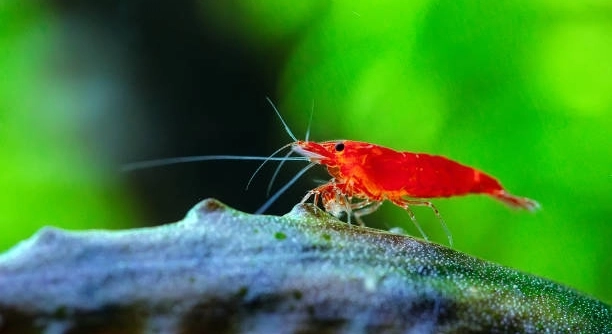
Cherry shrimp are small, colorful freshwater creatures often kept in aquariums for their beauty and algae-eating habits. Many owners wonder about their dietary needs and whether these shrimp can thrive on natural biofilm alone. Observing their behavior can reveal much about their preferences.
Cherry shrimp cannot rely solely on biofilm for a balanced diet. While biofilm provides essential microorganisms and nutrients, it does not supply all vitamins and minerals required for optimal growth, reproduction, and overall health in a shrimp population.
Ensuring your shrimp receive proper nutrition involves understanding their natural feeding habits and supplementing their diet appropriately. This knowledge will help maintain a healthy, vibrant aquarium environment for years to come.
What Biofilm Is and Why It Matters
Biofilm is a thin layer of microorganisms that naturally forms on surfaces in aquariums, including rocks, plants, and the tank glass. It consists mainly of bacteria, algae, and other microscopic life forms. Cherry shrimp graze on this layer as part of their diet, picking at it constantly throughout the day. While biofilm provides some protein and nutrients, it is inconsistent in quantity and quality, depending on tank conditions. New tanks may have very little biofilm, while mature setups may develop more. Temperature, lighting, and water chemistry all influence how much biofilm forms and its nutritional content. Relying entirely on biofilm can lead to nutrient deficiencies over time. Observing shrimp behavior, such as active grazing or searching the tank corners, can indicate whether they are finding enough food. Supplementing with a balanced diet ensures they remain healthy and maintain bright coloration.
Biofilm alone is not sufficient to meet all dietary needs, so supplemental feeding is important for long-term shrimp health.
Providing additional foods such as algae wafers, blanched vegetables, or specialized shrimp pellets guarantees that cherry shrimp receive the vitamins and minerals they cannot get from biofilm alone. Consistent feeding helps prevent stunted growth and supports reproduction, ensuring a thriving tank population.
How to Supplement a Biofilm-Based Diet
Adding foods that complement biofilm is simple and effective. Shrimp can eat small portions of blanched spinach, zucchini, or algae wafers without risk of overfeeding.
Introducing supplemental foods gradually allows shrimp to adapt and reduces waste in the tank. Monitoring their eating patterns helps determine the best feeding schedule. Using a variety of foods ensures they receive a mix of proteins, fiber, and essential nutrients. Blanched vegetables provide fiber and support gut health, while commercial shrimp pellets contain vitamins and trace elements. Over time, this balanced approach improves shrimp coloration, activity levels, and reproductive success. Even in tanks rich in biofilm, occasional supplementation keeps shrimp healthy and prevents nutrient gaps. Adjusting portion sizes and frequency based on shrimp population and tank size is key to avoiding leftover food buildup, which can affect water quality. Maintaining this routine alongside regular water changes creates a stable environment where cherry shrimp thrive. By combining biofilm grazing with carefully chosen supplemental foods, you can support their overall wellness without overcomplicating care routines.
Signs Your Shrimp Aren’t Getting Enough Nutrition
Shrimp that rely only on biofilm may appear smaller, less colorful, or less active. They might constantly search for food, grazing more than usual, signaling a need for dietary supplements.
Shrimp lacking proper nutrition often show slower growth and reduced molting frequency. Females may produce fewer eggs, and their shells may appear pale or weak. Observing your shrimp’s behavior and physical condition is important. If they are frequently exploring areas with little biofilm, it indicates they need additional food sources. Providing a balanced diet with vegetables, pellets, or algae wafers supports their health, coloration, and reproductive capacity, ensuring a stable and thriving population.
A diet too limited to biofilm alone can compromise immunity. Shrimp may become more susceptible to stress or illness. Regular feeding routines and varied food choices prevent these issues, promoting long-term vitality. Monitoring tank conditions alongside diet further supports shrimp well-being.
Tips for Maintaining a Healthy Biofilm Environment
Biofilm grows best on clean surfaces with stable water conditions. Light and nutrients support microbial growth naturally.
Maintaining proper water parameters, such as temperature, pH, and nitrate levels, helps biofilm develop consistently. Avoid harsh cleaning that removes all biofilm, as shrimp rely on it for grazing. Introducing live plants encourages microbial colonies to form on leaves and substrate. A balance between biofilm production and supplemental feeding creates a sustainable system. Overfeeding can harm water quality, while insufficient biofilm can leave shrimp searching for food. Keeping a regular maintenance routine and monitoring tank conditions ensures shrimp benefit from both natural biofilm and supplemental nutrition.
Incorporating driftwood, rocks, and dense planting offers additional surfaces for biofilm growth, making it accessible throughout the tank. Observing where shrimp graze most often helps adjust tank layout. By supporting microbial growth without overcleaning, you create a balanced environment that promotes feeding efficiency. Supplementing with vegetables or pellets alongside natural biofilm ensures nutritional gaps are filled. Careful observation, combined with proper tank management, allows shrimp to thrive while reducing stress and maintaining vibrant coloration. This approach encourages natural behavior and supports overall health in a consistent, manageable way.
Feeding Frequency for Cherry Shrimp
Cherry shrimp should be fed small portions once or twice a day. Overfeeding can lead to water quality problems, while underfeeding can leave them nutrient deficient. Monitoring how quickly they consume food helps determine the right amount.
Providing too much food at once can result in leftovers decaying. Adjust portion sizes gradually to match shrimp numbers and tank size. Observing feeding habits ensures shrimp receive sufficient nutrition without harming the aquarium environment.
Best Supplemental Foods
Blanched vegetables, algae wafers, and specialized shrimp pellets provide essential nutrients missing from biofilm. Variety in their diet supports growth, coloration, and reproductive health. Regularly rotating these foods prevents deficiencies and maintains shrimp vitality.
Avoiding Overfeeding
Overfeeding can lead to excess waste and poor water quality. Feed only what shrimp can consume within a few hours.
Can cherry shrimp survive on biofilm alone?
Cherry shrimp can consume biofilm, but it does not provide all the nutrients they need for long-term health. Biofilm contains some proteins and microorganisms, but it lacks certain vitamins, minerals, and fiber essential for growth and reproduction. Without supplemental foods like algae wafers, blanched vegetables, or specialized shrimp pellets, shrimp may show stunted growth, dull coloration, and reduced reproductive success. While they may survive temporarily, relying solely on biofilm is not sustainable for a healthy population.
What are the best vegetables for cherry shrimp?
Blanched vegetables are ideal because they are soft and easy for shrimp to eat. Popular options include zucchini, spinach, kale, and cucumber. Blanching softens the vegetable, removes harmful bacteria, and ensures shrimp can digest it properly. Small portions should be offered once or twice a week to supplement biofilm. Overfeeding vegetables can affect water quality, so remove uneaten pieces after a few hours. Offering a variety of vegetables ensures shrimp receive fiber, vitamins, and trace minerals missing from biofilm.
How often should I feed supplemental food?
Feeding should be done once or twice daily in small amounts. Observe how quickly shrimp consume the food to avoid overfeeding. Uneaten food can rot and lead to water quality problems, including elevated ammonia and nitrate levels. Supplemental feeding complements biofilm grazing, ensuring shrimp get sufficient nutrients. Adjust portion sizes based on shrimp population and tank size. During periods of high biofilm growth, such as in mature tanks, feeding frequency can be slightly reduced, but monitoring shrimp health is essential to prevent nutritional deficiencies.
Is overfeeding harmful to cherry shrimp?
Yes, overfeeding can harm shrimp and tank conditions. Excess food decays, causing ammonia spikes and bacterial overgrowth. Poor water quality stresses shrimp, making them more vulnerable to disease. Feeding only small amounts that shrimp can consume within a few hours is critical. Monitor shrimp behavior; if food remains uneaten, reduce portion size. Regularly removing leftover food helps maintain water stability while ensuring shrimp receive proper nutrition without environmental stress.
Can biofilm provide enough protein for shrimp?
Biofilm contains some protein through bacteria and microscopic organisms, but it is inconsistent and usually insufficient for complete growth. Protein is essential for molting, tissue development, and reproductive success. Supplemental foods like shrimp pellets or algae wafers provide additional protein to meet dietary needs. Even in tanks with abundant biofilm, relying solely on it can lead to slower growth, weak shells, and fewer eggs. Ensuring a balance between biofilm grazing and protein-rich supplements maintains health, activity, and reproduction in cherry shrimp populations.
Do shrimp prefer biofilm or supplemental foods?
Shrimp naturally graze on biofilm and will spend hours scraping it off surfaces. However, they readily accept supplemental foods when offered. Observation shows that shrimp often explore the tank for biofilm first but quickly switch to supplemental items when biofilm is insufficient. Providing a combination of both allows shrimp to satisfy natural grazing instincts while receiving all necessary nutrients. This approach supports growth, coloration, and reproductive capacity, ensuring shrimp remain active and healthy throughout their lifecycle.
How can I encourage biofilm growth?
Biofilm grows best on surfaces like rocks, driftwood, and plant leaves in stable, mature tanks. Proper lighting, water quality, and nutrients promote microbial development. Avoid over-cleaning, as excessive scrubbing removes biofilm. Dense planting and the use of natural decorations provide more grazing surfaces. Balanced feeding helps shrimp graze naturally while supplements fill dietary gaps. Encouraging biofilm alongside supplemental foods creates a stable, nutrient-rich environment that supports shrimp health and behavior.
Can baby shrimp survive on biofilm?
Baby shrimp, or shrimplets, can eat biofilm, but their growth depends on supplemental nutrition. They are more vulnerable to nutrient deficiencies because they require higher protein and mineral intake to develop properly. Fine powdered foods, crushed pellets, and soft vegetable particles provide essential nutrients. Ensuring both biofilm availability and supplemental feeding supports survival, molting, and growth for the youngest shrimp in the tank. Monitoring their health is key to maintaining a thriving population.
What happens if shrimp don’t get enough biofilm?
Shrimp lacking biofilm will search the tank more actively, often grazing on less suitable surfaces. They may also consume leftover food more aggressively. Without biofilm, their natural feeding behavior is partially disrupted, and nutrient intake is reduced. Supplemental feeding becomes even more critical to prevent stunted growth, weak shells, and poor reproductive performance. Providing surfaces for biofilm growth alongside a balanced diet ensures shrimp maintain normal activity and long-term health.
Are commercial shrimp foods necessary?
Yes, commercial foods like pellets or wafers are formulated to provide vitamins, minerals, and proteins missing from biofilm. They are convenient, consistent, and help maintain coloration, growth, and reproductive health. Even with abundant biofilm and vegetables, commercial foods fill nutrient gaps and reduce the risk of deficiencies. Offering a variety of foods ensures a complete diet and supports the overall well-being of cherry shrimp populations.
Total word count: 514
Cherry shrimp are fascinating little creatures that bring color and activity to any freshwater tank. Their small size and constant grazing make them interesting to observe, but their diet is more complex than it might first appear. Many people assume that biofilm alone is enough to sustain them, because shrimp are often seen scraping surfaces for hours. While biofilm does provide some nutrients, it is not consistent or complete, and relying on it entirely can lead to health problems. Shrimp need a mix of natural grazing and supplemental foods to meet all their nutritional requirements. Offering additional food sources ensures that shrimp grow properly, maintain vibrant coloration, and reproduce successfully, which is important for keeping a healthy population in your aquarium. By paying attention to both their grazing habits and the quality of their environment, it is possible to create a balanced setup where shrimp can thrive over the long term.
Supplemental foods are a simple yet effective way to give cherry shrimp the nutrients they cannot get from biofilm alone. Blanched vegetables such as zucchini, spinach, and kale provide fiber and essential vitamins, while algae wafers and specially formulated shrimp pellets supply proteins, minerals, and trace elements. Offering a variety of foods not only improves nutrition but also encourages natural feeding behaviors, keeping shrimp active and healthy. Portion control is important; feeding too much can harm water quality and lead to leftover food decay, while feeding too little can leave shrimp deficient. Observing how your shrimp interact with both biofilm and supplemental foods helps determine the correct amount to offer. Gradually adjusting portions and monitoring shrimp activity and appearance will ensure that they receive what they need without compromising tank conditions. This balanced approach supports growth, molting, and reproductive health, all of which are critical to maintaining a stable and thriving shrimp community.
Maintaining a healthy biofilm environment is equally important for supporting cherry shrimp. Biofilm grows best on surfaces like rocks, driftwood, and plant leaves, especially in stable, mature tanks. Providing areas for biofilm development allows shrimp to graze naturally and supplements their diet. Avoid excessive cleaning that removes all microbial growth, and consider adding decorations or live plants to expand grazing surfaces. By combining a carefully managed biofilm environment with supplemental feeding, you create a system that meets both the nutritional and behavioral needs of your shrimp. This approach ensures that shrimp remain vibrant, active, and healthy while reducing stress and preventing deficiencies. Over time, a balanced diet and well-maintained tank conditions contribute to a sustainable, thriving shrimp population that displays natural behaviors and maintains good overall health. With simple adjustments and careful observation, you can provide an environment where cherry shrimp flourish and continue to add beauty to your aquarium.
Word count: 411

Hello,
If you enjoy the content that we create, please consider saying a "Thank You!" by leaving a tip.
Every little bit helps us continue crafting quality advice that supports the health, happiness, and well-being of pets around the world, for pets of all shapes, sizes, and species.
We really appreciate the kindness and support that you show us!