
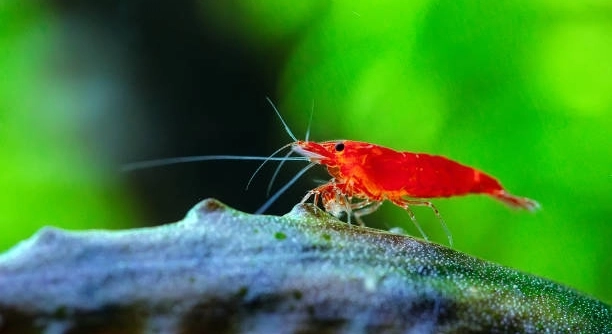
Have you ever wondered how your cherry shrimp respond to their newborns in the tank, especially when their behavior seems unusual or distant? Their actions can appear unexpected while still fitting within their instinctive routines.
Cherry shrimp may abandon their babies primarily due to stress, inadequate environmental conditions, or disruptions that weaken their maternal responses. Poor water quality, temperature changes, and limited hiding spaces reduce survival instincts, leading females to leave their offspring without care.
Learning why these shifts happen can help you understand their patterns, offering clarity for a calmer and successful shrimp habitat.
Understanding Why Abandonment Happens
Cherry shrimp show specific reactions when their environment changes, and these reactions often shape how they treat their babies. When stress builds, their natural instincts can shift, leaving them less focused on protecting their young. Many keepers notice that even small changes, such as brighter lighting or frequent tank maintenance, can influence how females behave after releasing their eggs. If the tank feels unsafe or unstable, the shrimp may distance themselves from their offspring, relying more on instinct than active care. I have watched this happen in my own tank, and it reminded me how sensitive these tiny creatures can be. Their behavior is not heartless or random, but tied to conditions around them. Once you understand these patterns, it becomes easier to adjust your setup and create a calmer space. With consistency and gentle care, the shrimp often return to a more stable routine that supports healthier baby development.
Small disruptions often play a bigger role than many realize, especially when the shrimp are already sensitive. By keeping their surroundings steady and quiet, you give them the chance to behave more naturally, allowing their babies to remain safer during those first fragile moments in their early days within tanks.
Recognizing these patterns helps you respond with more confidence when your shrimp show signs of stress. I found that small improvements, like steady lighting and quieter surroundings, can make a noticeable change. Baby shrimp rely heavily on hiding spots, so adding gentle plant cover does more than provide beauty. It helps create small areas where they can avoid sudden movement and stay protected. Clean water also keeps the shrimp calmer, since sudden shifts in quality are known to unsettle them quickly. With these elements balanced, your tank becomes a space where mothers feel secure enough to stay near their babies.
Improving Conditions for Better Care
Stable water quality matters more than anything when trying to support shrimp behavior. Even mild temperature swings can reduce their comfort, leading them to act unpredictably around their young. By focusing on steady conditions, you give the shrimp a better chance to remain attentive during important early stages in development.
When you want your cherry shrimp to stay close to their babies, focusing on stability is one of the most effective steps you can take. These creatures react quickly to even slight shifts in their environment, so giving them a calm and predictable space helps reduce unnecessary stress. I have learned that regular maintenance, done gently and without sudden changes, keeps the adults relaxed enough to behave more naturally. Adding plants, soft moss, or small shelters encourages the babies to hide comfortably, making the adults feel safer as well. The overall balance of the tank plays a major role, because shrimp sense tiny fluctuations that often go unnoticed by many keepers. A slow and thoughtful approach to water changes prevents shock, which is one of the biggest triggers for unusual behavior. Feeding lightly also helps keep the water cleaner for longer, reducing waste and keeping the shrimp focused on their normal routines. Over time, these choices create a gentle environment where the shrimp feel secure enough to remain near their young. With patience and steady care, the tank becomes a place where mothers act confidently, giving their babies a stronger chance to thrive in their earliest stages within the setup.
Recognizing Stress Signs in Adult Shrimp
Stress appears quickly in cherry shrimp, and recognizing it early helps avoid problems with their babies. Rapid movements, hiding more than usual, or sudden loss of color often signal that something in the tank is making them uneasy.
When I notice these shifts, I check the tank parameters right away, because cherry shrimp respond immediately to small disruptions. Uneven lighting, loud noises near the tank, or sudden flow changes often trigger this behavior. Watching their patterns over time makes it easier to understand what feels normal for them. If they start hovering near corners or avoiding their usual grazing spots, it usually means the environment feels unstable to them. Taking a moment to observe them calmly often helps reveal what needs attention, keeping both adults and babies safer.
Another sign is when females seem restless right after releasing their babies. Instead of grazing calmly, they may flick their tails repeatedly or move away from their usual hiding areas. In my experience, this behavior appears when the water has shifted too fast or when the tank feels too open. Softening the lighting or adding a bit more plant cover helps them settle back into a steady rhythm. Small adjustments often make a noticeable difference, and the shrimp respond with calmer movements that support better conditions for the babies.
Creating a Safer Space for Baby Shrimp
Baby shrimp need hiding spots to feel secure, and without them, they become more vulnerable. Plants, moss, and tiny structures give them places to stay still and stay protected while the adults adapt to their new presence in the tank.
A well-planted setup helps both the babies and the adults feel more at ease. I have found that adding even simple pieces like floating plants or leaf litter encourages more natural behavior. Dense areas allow the babies to graze safely, while adults move without feeling exposed. These spaces also help reduce stress by softening the water flow and giving the shrimp a sense of shelter. Over time, the tank becomes calmer, and the adults spend less time avoiding open areas. This kind of environment supports healthier growth for the babies and creates a steady routine for the adults.
How Tank Maintenance Affects Behavior
Water changes that are done too quickly often unsettle cherry shrimp, making them react more strongly to their surroundings. I try to keep the process slow and gentle, since even a small shock can influence how adults behave around their babies.
Cleaning the filter or rearranging items inside the tank also affects their comfort. When I move things too often, the shrimp become skittish and avoid their usual areas. Keeping maintenance predictable helps them feel more secure and reduces unusual reactions toward their young.
Adjusting Feeding to Support Stability
Feeding lightly keeps the water clean and reduces stress for both adults and babies. When too much food collects in the substrate, the shrimp become more restless, and the babies struggle to navigate the mess. I find that smaller portions encourage cleaner water and calmer movements. Stable feeding routines also help the adults stay focused on their natural behavior instead of reacting to sudden changes. With gentle consistency, the shrimp settle into patterns that make the tank feel more peaceful, giving the babies a better chance to grow safely.
The Role of Tankmates
Adding active tankmates can make the shrimp more cautious, especially right after the babies appear. I have seen adults retreat into hiding when faster fish move around too much, which affects how they interact with their young. Keeping the tank calm helps everyone stay comfortable.
FAQ
Why do cherry shrimp sometimes leave their babies immediately after birth?
Cherry shrimp may leave their babies due to stress or environmental changes. In my experience, sudden water temperature shifts, strong currents, or bright lighting often trigger this behavior. Even minor disturbances, like moving decorations or excessive tank noise, can make the mother retreat. She isn’t neglectful; she’s responding to her instinct to protect herself first. Creating a stable and quiet environment often encourages the adult shrimp to stay near their young without feeling threatened.
Can poor water quality cause mothers to abandon their offspring?
Yes, water quality is crucial. High levels of ammonia, nitrites, or sudden pH changes create stress that interferes with maternal care. I noticed that when I maintain consistent water parameters, females spend more time near their babies. Regular testing and gentle water changes help prevent abrupt fluctuations. Keeping temperature, pH, and hardness steady reduces stress and supports healthier behavior, allowing the mother to focus on guiding her babies rather than reacting to dangerous conditions.
Do adult shrimp ever harm their babies intentionally?
Cherry shrimp rarely harm their babies on purpose, but accidental collisions can happen. When adults are stressed, they may swim erratically, which increases the risk. I make sure hiding spots and dense plants are available so babies can avoid accidental contact. Sheltered areas allow the young to move safely and give adults a space to remain calm, reducing accidental harm significantly. The goal is always a balanced environment that lowers stress and promotes natural, safe behavior.
How important are hiding spots for baby shrimp survival?
Hiding spots are essential. Babies are tiny and vulnerable, and adults may leave them if they feel exposed. I often add moss, floating plants, and leaf litter to give babies secure areas. These spaces reduce stress for both adults and babies. When the babies feel safe, mothers are more relaxed, and the tank becomes calmer overall. Small, dense planting also allows babies to graze without constant disturbance, supporting growth and survival.
Can tankmates influence whether adults stay with their babies?
Yes, tankmates play a big role. Active or aggressive fish make adults retreat into hiding, leaving babies more vulnerable. I learned to observe how my shrimp react to new additions. Choosing calm, slow-moving tankmates or keeping the tank shrimp-only ensures adults can focus on natural behaviors rather than avoiding fast swimmers or predators. This approach keeps the babies safer and reduces stress in the tank.
What feeding routines help adults care for their young?
Smaller, consistent feedings work best. Overfeeding leads to leftover food, which stresses adults and makes the water dirtier. I feed lightly once or twice a day, observing how much the shrimp consume. Clean water and controlled feeding help adults focus on their babies rather than dealing with excessive debris or competition. A stable feeding routine supports calmer behavior and allows babies to grow without interference.
Does tank size affect whether cherry shrimp abandon their babies?
Yes, tank size and layout matter. Crowded or open tanks increase stress, prompting mothers to move away from babies. I’ve found that adding more plants, moss, and hiding spots in smaller tanks creates a sense of safety. Even in larger tanks, zones for the babies to retreat are crucial. Structured environments help adults feel secure, reducing abandonment behavior and giving babies better survival chances.
How can I tell if abandonment is due to stress or natural behavior?
Observation over time is key. If adults hide frequently, move erratically, or avoid babies after environmental changes, stress is likely. I watch for patterns such as retreat after water changes, rearranging decorations, or adding new tankmates. Natural behavior often involves short periods away from babies, while stress-induced abandonment is more prolonged. By noting these patterns, you can identify triggers and adjust the tank to support healthier interactions.
Can improving tank conditions reverse abandonment behavior?
Yes, improvements often help. In my experience, adjusting lighting, stabilizing water parameters, adding hiding spots, and reducing disturbances encourages adults to return near their babies. Patience is important; changes may take a few days before behavior stabilizes. Once the environment feels safe, females resume natural care routines, and babies gain better protection. Consistent, gentle management of tank conditions is the most effective way to support both adult and baby shrimp.
Cherry shrimp are small, delicate creatures, and their behavior can feel confusing at times, especially when it comes to caring for their babies. It is natural to worry when a female shrimp moves away from her young or seems distant, but this behavior is usually linked to stress or environmental factors rather than intentional neglect. Changes in water temperature, lighting, or tank activity can make a mother feel unsafe, prompting her to retreat and focus on her own survival. In my experience, observing the shrimp closely helps to distinguish between normal behavior and signs of stress. By paying attention to patterns like hiding, rapid movements, or avoidance of certain areas, it becomes easier to understand what the shrimp need to feel secure. Simple adjustments, such as stabilizing water parameters, providing enough plants and moss, and keeping the tank calm, can make a big difference in how adults interact with their babies.
Maintaining a stable and well-planted tank is one of the most effective ways to reduce stress and encourage maternal behavior. Baby shrimp are vulnerable and need places to hide, while adults need a sense of safety to remain near them. In my own tanks, I found that adding dense plant cover, floating plants, and leaf litter gave both babies and adults space to move without feeling threatened. Regular, gentle water changes and consistent feeding routines also help maintain calm conditions. Overfeeding or sudden shifts in water quality can create chaos, causing adults to abandon babies unintentionally. By keeping routines predictable, the shrimp can focus on their natural behaviors, and the babies have a higher chance of surviving and thriving. Observing their responses to these adjustments is important, as each tank may behave slightly differently, and each shrimp has its own temperament.
Understanding the natural instincts of cherry shrimp makes it easier to create a supportive environment where both adults and babies can flourish. They are not neglectful by nature, but sensitive to the smallest changes around them. Patience is key, as adjustments may take time to show results. Over weeks, I noticed that calmer adults began spending more time near their babies once the tank felt stable and secure. The combination of steady water conditions, ample hiding spots, gentle feeding, and careful observation creates a space where natural behaviors are encouraged rather than disrupted. By respecting these needs, it is possible to minimize abandonment, improve the survival of babies, and enjoy a more balanced and healthy shrimp tank overall. This approach makes caring for cherry shrimp both manageable and rewarding, showing that small, thoughtful actions can have a meaningful impact on the well-being of these tiny creatures.

Hello,
If you enjoy the content that we create, please consider saying a "Thank You!" by leaving a tip.
Every little bit helps us continue crafting quality advice that supports the health, happiness, and well-being of pets around the world, for pets of all shapes, sizes, and species.
We really appreciate the kindness and support that you show us!