
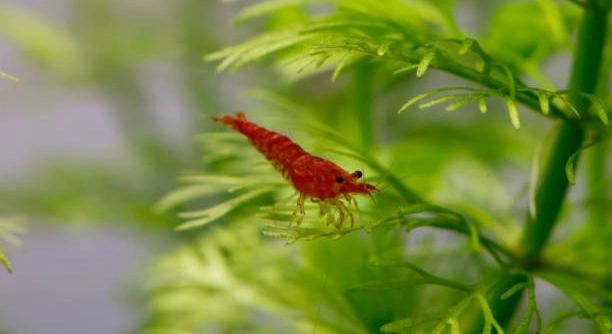
Have you noticed your cherry shrimp losing their vibrant red color and appearing pale or white in your aquarium? Many shrimp keepers face this issue and often feel concerned about their pets’ health and wellbeing.
Cherry shrimp turn white primarily due to stress, poor water conditions, or molting issues. Changes in water temperature, pH, or ammonia levels can impact their coloration. Additionally, illness, nutritional deficiencies, or breeding cycles may also cause fading.
Learning the reasons behind this color change can help you maintain a healthy tank and ensure your shrimp stay vibrant and active.
Water Quality and Its Impact
Poor water quality is often the main reason cherry shrimp lose their color. Shrimp are sensitive to changes in their environment. High levels of ammonia, nitrites, or nitrates can stress them, causing their vibrant red to fade. Even small fluctuations in pH or temperature can impact their health. Regular water testing is essential to maintain stable conditions. Performing consistent water changes, about 10-20% weekly, helps remove harmful substances and replenishes essential minerals. Filtration is also critical, as it removes waste and keeps the water clean. Shrimp require soft, slightly acidic water, so adjusting pH gradually is necessary if it drifts outside the ideal range. Stress from sudden changes can lead to molting problems, weakened immune systems, and color loss. Ensuring proper water parameters supports their overall health and natural pigmentation. Overcrowding and leftover food buildup can worsen water quality, so maintaining a balanced population and feeding responsibly are important steps for keeping shrimp vibrant.
Regular testing and careful adjustments prevent long-term health issues.
Healthy water conditions allow shrimp to display their natural red color and remain active in the tank, reducing the risk of illness.
Stress and Environmental Changes
Stress can quickly affect cherry shrimp coloration.
Changes in lighting, tank decorations, or aggressive tank mates can make shrimp feel unsafe. Stress triggers a survival response, which often shows as paleness or white coloring. Even minor disturbances, like rearranging plants, can have an impact. Providing hiding spots and stable surroundings helps shrimp feel secure.
Environmental stress extends beyond just sudden changes. Shrimp exposed to fluctuating temperatures or inconsistent feeding schedules may experience ongoing color loss. Sudden noises, vibrations, or frequent tank maintenance can heighten stress levels. Stress suppresses appetite, slows growth, and increases susceptibility to disease. Maintaining a calm environment with predictable routines helps shrimp thrive and maintain their natural color. Proper acclimation when introducing new shrimp or plants is essential to reduce shock. Additionally, avoiding overcrowding ensures shrimp have space to explore without constant stress. Gentle filtration and minimal disturbances further support a healthy, vibrant tank environment. By addressing these environmental factors, shrimp regain strength, coloration, and activity, contributing to a balanced and visually appealing aquarium.
Diet and Nutrition
A poor diet can cause cherry shrimp to lose color. Lack of essential nutrients, like carotenoids, affects their red pigmentation. Feeding high-quality, shrimp-specific food is crucial.
Shrimp require a balanced diet rich in natural pigments to maintain their vibrant red color. Foods containing astaxanthin, spirulina, or algae help restore and enhance coloration. Vegetables like spinach or zucchini can supplement their diet, providing necessary vitamins. Avoid overfeeding, as leftover food can decay and harm water quality. A mix of commercial shrimp food and occasional natural foods supports growth, molting, and overall health. Without proper nutrition, shrimp may appear pale, weak, or more susceptible to disease, making diet management essential for maintaining a healthy aquarium population.
Supplementing their meals with natural sources of pigmentation encourages stronger color expression. Providing variety in feeding keeps shrimp active, supports molting, and ensures they display their full red hues consistently.
Molting and Growth
Molting is a sensitive time for cherry shrimp. Their color may fade temporarily before and after shedding.
During molting, shrimp shed their exoskeleton to grow. This process is stressful and requires extra energy and minerals like calcium. Color fading is normal as their new shell hardens, and pigmentation gradually returns. Inadequate nutrition, poor water conditions, or stress can prolong this recovery period. Observing shrimp before and after molting helps determine whether fading is normal or a sign of underlying issues. Providing a stable environment with mineral-rich foods supports successful molts. Frequent molts in young shrimp may make color changes more noticeable, while adults molt less often, showing more consistent coloration.
Supporting molting through proper care prevents long-term health problems. Regularly monitoring shrimp ensures they regain their color quickly, maintain growth, and stay healthy. Adequate hiding spots and minimal disturbances during this time reduce stress, allowing shrimp to complete their molts without complications.
Tank Mates and Compatibility
Aggressive or larger tank mates can stress cherry shrimp, causing them to lose color. They need peaceful companions to feel safe.
Keeping shrimp with compatible species reduces hiding and stress. Overcrowding with fish that nip or chase them can trigger constant fear, leading to paleness.
Illness and Disease
Diseases and parasites can directly impact shrimp coloration. Bacterial infections, fungal growths, and protozoan parasites often cause fading or white patches. Early detection is key. Monitoring shrimp for lethargy, unusual swimming patterns, or physical changes helps identify illness. Prompt treatment and maintaining optimal water conditions improve recovery chances. Sick shrimp may stop eating, molt improperly, or show reduced activity. Quarantining affected individuals prevents the spread of disease. Providing a balanced diet and clean water supports their immune system and overall health. Preventative measures, like avoiding sudden water changes and inspecting new tank additions, reduce the risk of illness and color loss.
Breeding and Color Changes
During breeding cycles, cherry shrimp may temporarily turn pale or white. This change is often natural and reversible.
Why are my cherry shrimp turning white suddenly?
Cherry shrimp can turn white suddenly due to stress, poor water conditions, illness, or molting. Sudden changes in temperature, pH, or water chemistry can shock them, causing their vibrant red color to fade. Even minor disturbances like adding new tank mates or rearranging decorations can trigger stress. Monitoring water parameters and maintaining a stable environment helps prevent sudden color loss.
Is it normal for cherry shrimp to turn pale during molting?
Yes, pale coloring during molting is normal. When shrimp shed their exoskeleton, their new shell is soft and lacks pigmentation temporarily. It takes several hours to days for their natural color to return. Proper nutrition and stable water conditions help them regain color faster and support healthy molts.
Can diet affect shrimp coloration?
Absolutely. Cherry shrimp need nutrients that support pigmentation, particularly carotenoids like astaxanthin. Feeding high-quality shrimp food, algae, or vegetables like spinach and zucchini enhances their natural red color. Poor nutrition can make shrimp appear pale, weak, or more susceptible to disease, so variety and consistency in feeding are important.
Do tank mates cause color changes?
Yes, aggressive or large tank mates can stress shrimp, leading to color fading. Shrimp feel unsafe if constantly chased or disturbed. Keeping them with peaceful species allows them to hide, feed, and move without fear. Stress from incompatible tank mates can affect molting, appetite, and overall health, not just coloration.
Can water quality make shrimp turn white?
Water quality is one of the main factors affecting shrimp color. High ammonia, nitrite, or nitrate levels, unstable pH, and fluctuating temperature can all cause paleness. Regular testing, proper filtration, and consistent water changes maintain safe conditions. Stable, clean water supports immune health, proper molting, and vibrant pigmentation in shrimp.
How long does it take for shrimp to regain color?
Recovery time depends on the cause of fading. After molting, shrimp may regain color in a few hours to a couple of days. If stress or poor water quality caused the change, improvements may take several days to weeks after stabilizing conditions. Nutrition also plays a role in how quickly color returns.
Are white shrimp sick or dying?
Not necessarily. White or pale shrimp may be stressed, molting, or temporarily showing natural pigmentation changes. Persistent white coloring combined with lethargy, loss of appetite, or abnormal swimming indicates illness or poor conditions. Observing behavior alongside color helps determine if intervention is needed.
Does breeding affect shrimp coloration?
Yes, breeding can cause temporary color changes. Females may appear paler before molting or during egg-carrying periods. This is usually natural and reversible. Maintaining good water quality and proper nutrition ensures shrimp remain healthy and regain vibrant coloration after reproductive cycles.
Can temperature changes affect shrimp color?
Yes, shrimp are sensitive to temperature fluctuations. Sudden increases or decreases can stress them, leading to paleness. Maintaining a stable temperature within the species’ preferred range reduces stress and helps retain their natural red color. Gradual adjustments are necessary if conditions need changing.
What should I do if my shrimp stay white?
If shrimp remain white, check water parameters, diet, tank mates, and molting patterns. Correcting water quality, feeding pigment-rich foods, and providing a calm environment usually restores color. If shrimp show signs of illness or prolonged color loss, quarantining affected individuals and consulting disease treatments can prevent further problems.
Can stress from moving shrimp cause color loss?
Yes, transporting or moving shrimp can induce stress and cause temporary pale coloration. Minimizing handling, acclimating slowly, and providing a stable tank environment help shrimp recover their color more quickly after relocation.
Do shrimp regain color on their own?
They can, provided their environment is stable and stressors are removed. Natural molting and healthy diet often restore pigmentation. Continuous monitoring and care ensure shrimp regain vibrant color without long-term health effects.
Is white shrimp always a problem?
Not always. Temporary paleness is often a normal response to molting, breeding, or minor stress. Persistent white coloring paired with poor behavior, illness, or water issues is cause for concern and requires immediate attention.
How can I prevent cherry shrimp from turning white?
Maintaining stable water conditions, providing proper nutrition, keeping peaceful tank mates, and minimizing stress are key steps. Regular monitoring, gentle handling, and careful observation of behavior ensure shrimp remain healthy and retain their natural red coloration.
What role do minerals play in shrimp color?
Minerals, especially calcium, support healthy molts and exoskeleton development. Deficiencies can delay molting, weaken shells, and cause temporary color loss. Adding mineral-rich foods or supplements helps shrimp grow properly and maintain vibrant red hues consistently.
Caring for cherry shrimp requires attention to several key factors, especially when it comes to maintaining their vibrant color. One of the most important aspects is water quality. Shrimp are highly sensitive to changes in their environment, and even minor fluctuations in temperature, pH, or ammonia levels can cause stress and color fading. Regular water testing and consistent maintenance, including partial water changes and proper filtration, are essential to keep the tank safe and stable. By keeping the water clean and stable, you support not only their coloration but also their overall health and activity. Observing shrimp daily allows you to notice early signs of stress, disease, or molting issues before they become serious problems. A stable environment encourages shrimp to feel secure, feed properly, and display their natural red hues, making them both healthy and visually appealing in the tank.
Nutrition also plays a crucial role in the appearance and health of cherry shrimp. They require a diet rich in pigments, vitamins, and minerals to maintain their red coloration and support molting. Foods containing natural carotenoids, such as spirulina, algae, and shrimp-specific pellets, help enhance pigmentation. Supplementing with fresh vegetables like spinach, zucchini, or blanched kale provides essential nutrients that support growth and immune function. Overfeeding or leaving excess food to decay can harm water quality and lead to stress, so feeding in moderation is key. A well-balanced diet ensures shrimp have the energy needed for healthy molts, reproduction, and overall activity. Paying attention to the nutritional needs of shrimp allows their color to remain strong and consistent, while also reducing the risk of disease or weakness that can occur from poor feeding practices.
Finally, environmental stability and careful tank management are critical to preventing white or pale shrimp. Stress from aggressive tank mates, sudden changes in tank layout, or overcrowding can cause shrimp to lose their natural color. Providing hiding spots and maintaining a calm environment reduces stress and supports normal behavior. Breeding cycles and molting also naturally affect shrimp color temporarily, and these changes are usually reversible if their basic needs are met. By combining stable water conditions, proper nutrition, and a peaceful environment, you can prevent most causes of color loss and help your shrimp thrive. Paying attention to these factors ensures that your cherry shrimp remain vibrant, healthy, and active over the long term, creating a balanced and visually pleasing aquarium.

Hello,
If you enjoy the content that we create, please consider saying a "Thank You!" by leaving a tip.
Every little bit helps us continue crafting quality advice that supports the health, happiness, and well-being of pets around the world, for pets of all shapes, sizes, and species.
We really appreciate the kindness and support that you show us!