
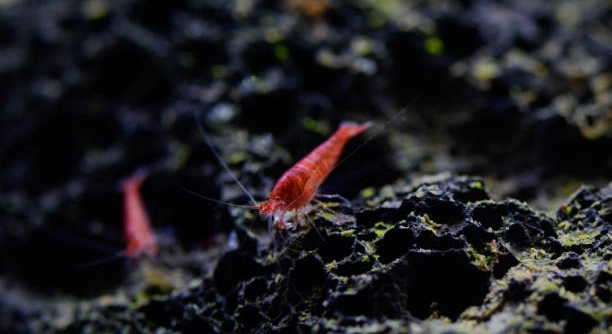
Many beginners find shrimp tanks both exciting and challenging to maintain. The delicate nature of shrimp and their small size make it important to understand basic care routines to keep them healthy and thriving in home aquariums.
Maintaining a stable environment in a shrimp tank requires attention to water parameters, filtration, feeding, and tank decorations. Simple adjustments, like regular water changes and proper hiding spots, can greatly improve shrimp health and survival rates over time.
Learning these practical tips early can save time, reduce stress, and create a more enjoyable shrimp-keeping experience for both you and your aquatic pets.
Choosing the Right Tank Size
For beginners, selecting an appropriate tank size is essential. Small tanks are easier to set up but can be unstable, causing rapid changes in water conditions that stress shrimp. Larger tanks are more stable and provide better space for plants and hiding spots, but they require more maintenance. A 10-20 gallon tank is ideal for most beginners. Substrate choice is equally important. Fine gravel or sand works well for shrimp and supports plant growth. Live plants offer natural hiding places and help maintain water quality. Decorations like driftwood or rocks add variety and additional surfaces for biofilm, which shrimp feed on. Placing the tank away from direct sunlight prevents algae overgrowth and keeps temperatures consistent. Temperature stability, pH levels, and ammonia control are critical for shrimp health. Adding a gentle filter and performing regular water changes will reduce the risk of sudden water parameter swings. Observing shrimp behavior can guide adjustments in the tank setup.
Choosing a stable tank environment minimizes stress, supports growth, and helps shrimp thrive naturally.
A properly sized tank combined with careful monitoring makes maintenance manageable. Shrimp are sensitive to sudden changes, so consistency in water quality, temperature, and feeding routines is key. Using plants, decorations, and appropriate substrate improves their comfort and encourages natural behaviors. Planning the layout in advance prevents overcrowding and allows each shrimp to have its own space. Regular observation ensures early detection of any issues, keeping your shrimp population healthy. A well-balanced environment supports both shrimp activity and tank aesthetics.
Feeding and Nutrition
Proper feeding ensures shrimp grow healthy and remain active. Overfeeding can pollute the water, while underfeeding slows growth and weakens shrimp immunity. A balanced diet of algae wafers, blanched vegetables, and occasional protein treats works best.
Shrimp feed continuously throughout the day, so small, frequent meals are ideal for maintaining water quality and preventing leftovers from decaying.
Shrimp nutrition impacts molting, coloration, and reproductive success. Algae wafers provide essential vitamins and minerals, while blanched spinach, zucchini, or cucumber offer fiber. Protein sources, like brine shrimp or bloodworms, should be given sparingly to avoid water contamination. Observing which foods your shrimp prefer helps tailor feeding schedules. Removing uneaten food within a few hours reduces ammonia buildup and prevents bacterial growth. Consistency in diet encourages regular molting cycles and supports healthy egg development for breeding shrimp. Monitoring shrimp activity during feeding times can indicate if they are receiving adequate nutrition or if adjustments are necessary. A well-fed shrimp population appears more vibrant and active, creating a lively and balanced tank environment.
Water Quality Management
Regular water testing is necessary to maintain safe conditions. Monitoring pH, ammonia, nitrite, and nitrate levels helps prevent stress and disease in shrimp. Small fluctuations can have a large impact, so consistency is key.
Keeping water parameters stable involves routine partial water changes, usually 10-20% weekly. Using a dechlorinator for tap water ensures chlorine and chloramine are removed. Temperature should remain steady, ideally between 72-78°F. Filters must be cleaned gently to avoid disturbing beneficial bacteria. Observing shrimp behavior can indicate subtle water issues. Even minor changes in water chemistry, such as pH drops or ammonia spikes, can cause molting problems or stress. Testing kits make monitoring easier, and keeping a log helps track trends over time, allowing proactive adjustments before issues become serious.
Water quality directly affects shrimp survival and activity. Maintaining consistent levels prevents disease and encourages natural behavior. Regular checks reduce surprises and create a healthier environment for your shrimp.
Tank Decorations and Hiding Spots
Shrimp need places to hide, especially during molting. Plants, rocks, and driftwood provide shelter and reduce stress. Dense vegetation also supports biofilm growth, which is a natural food source for shrimp.
Decorations serve both aesthetic and functional purposes. Live plants like Java moss, Anubias, or floating plants create hiding spots and help maintain water quality by absorbing nitrates. Smooth rocks and driftwood offer surfaces for biofilm while giving shrimp places to explore. Avoid sharp or rough decorations, as shrimp can injure themselves. Arranging hiding spots throughout the tank ensures all shrimp have access and feel secure. Overcrowding should be avoided, as it increases stress and competition. A variety of surfaces encourages grazing behavior, which supports proper nutrition and overall health. Observing shrimp movement can help identify which areas are most used and if adjustments are needed to improve coverage and comfort.
Filtration Essentials
A gentle filter is important for shrimp tanks. Strong currents can stress shrimp, so sponge filters or adjustable flow filters work best. Proper filtration removes waste and maintains water clarity.
Cleaning the filter regularly prevents buildup that can harm water quality. Avoid harsh cleaning that removes beneficial bacteria, which are vital for ammonia breakdown and overall tank stability.
Lighting and Plant Care
Shrimp benefit from moderate lighting, which supports plant growth without encouraging excessive algae. Light should be on for 8-10 hours daily. Choosing low-maintenance plants like Java moss or Anubias reduces maintenance and provides shelter.
Healthy plants improve water quality by absorbing nitrates and offering surfaces for biofilm. Regular trimming prevents overgrowth and maintains tank aesthetics. Observing plant health helps detect water issues early. Proper lighting ensures shrimp have natural cycles, encouraging normal behavior and molting. Combining plants with careful light management balances growth, prevents algae, and keeps shrimp comfortable.
Temperature Control
Maintaining a stable temperature is crucial. Sudden changes can stress shrimp and affect molting. Using a reliable heater or keeping the tank in a controlled environment ensures consistency.
Monitoring Shrimp Behavior
Watching shrimp daily helps identify problems early. Changes in activity, coloration, or hiding patterns can indicate water or health issues.
FAQ
How often should I feed my shrimp?
Shrimp should be fed small amounts once or twice a day. Overfeeding can pollute the water, while underfeeding can slow growth and reduce activity. Observing how quickly food is eaten helps determine the right portion size. Removing uneaten food prevents ammonia spikes and keeps the tank clean.
What is the ideal water temperature for shrimp?
Most freshwater shrimp thrive between 72°F and 78°F. Consistency is more important than hitting a precise number. Sudden temperature changes can cause stress, reduce feeding, and even lead to molting problems. Using a reliable heater and monitoring daily ensures stability.
How do I prevent algae from taking over the tank?
Algae growth is common in shrimp tanks but can be controlled by maintaining proper lighting and feeding levels. Moderate light for 8-10 hours daily, combined with not overfeeding, reduces excess nutrients. Adding live plants helps compete with algae for nutrients, keeping it in check.
Can shrimp live with other fish?
Shrimp can coexist with peaceful, small fish, but avoid aggressive or larger species that may prey on them. Fish like small tetras or guppies are usually safe. Shrimp benefit from tanks where they can hide and forage without constant stress from tank mates.
How do I know if my shrimp are healthy?
Healthy shrimp are active, feed regularly, and show vibrant colors. They molt regularly and explore the tank. Lethargy, fading color, or missing individuals can signal stress, poor water quality, or illness. Regular observation allows early detection and prompt corrective action.
How often should I perform water changes?
Partial water changes of 10-20% weekly are recommended. Frequent water changes keep parameters stable, remove waste, and dilute toxins. Always treat tap water with a dechlorinator before adding it to the tank to protect the shrimp. Maintaining a regular schedule prevents sudden fluctuations.
What should I do if a shrimp molts and doesn’t eat?
It is normal for shrimp to hide and not eat immediately after molting. Ensure they have hiding spots and stable water conditions. They typically resume feeding after a day or two. Providing calcium-rich foods supports shell hardening and overall health.
Do I need a special substrate for shrimp?
A fine gravel or sand substrate works best. It supports plant growth, provides surfaces for biofilm, and allows shrimp to forage naturally. Avoid sharp or rough substrates that can injure delicate shrimp bodies. Substrate choice also affects water chemistry, so select one compatible with shrimp needs.
How do I breed shrimp successfully?
Breeding requires stable water parameters, a balanced diet, and plenty of hiding spaces for juveniles. Females carry eggs under their abdomen until they hatch. Young shrimp need biofilm, algae, and finely chopped foods to grow safely. Avoid disturbing the tank during this period to reduce stress.
What common mistakes should beginners avoid?
Common errors include overfeeding, using incompatible tank mates, neglecting water testing, and sudden parameter changes. Shrimp are sensitive to stress, so consistency in feeding, water quality, and habitat setup is crucial. Observing behavior and responding promptly prevents long-term problems.
How can I reduce stress in my shrimp tank?
Provide ample hiding spots, maintain stable water parameters, and avoid overcrowding. Gentle filtration, moderate lighting, and consistent feeding routines create a calm environment. Stress reduction improves molting, coloration, and breeding success. Monitoring shrimp activity helps identify early signs of discomfort or environmental issues.
Are there signs of disease I should watch for?
Diseases can show as white patches, unusual swimming, lethargy, or missing limbs. Poor water quality and stress increase susceptibility. Quarantining new shrimp, maintaining clean water, and providing a balanced diet reduce the risk. Early intervention is essential to prevent spread and loss.
Can I use tap water without treatment?
Tap water must always be treated with a dechlorinator. Chlorine and chloramine are toxic to shrimp. Letting water sit out overnight is not sufficient for removal. Proper treatment protects delicate shrimp and supports a stable environment for long-term health.
How long do shrimp live?
Most freshwater shrimp live 1-3 years, depending on species, water quality, diet, and care. Maintaining a stable environment and proper nutrition helps them reach their full lifespan. Observing natural behaviors like feeding and molting indicates healthy aging.
Is it necessary to use a filter in a shrimp tank?
Yes, a gentle filter maintains water clarity, supports beneficial bacteria, and removes waste. Sponge filters or adjustable flow filters are ideal because they provide filtration without creating strong currents that stress shrimp. Regular cleaning ensures continued efficiency and prevents water quality issues.
How do I introduce new shrimp to my tank?
Acclimate new shrimp slowly by floating the bag in the tank and gradually mixing tank water. This reduces shock from temperature and water chemistry differences. A slow transition increases survival rates and helps them settle into the existing environment without stress.
What plants are best for a shrimp tank?
Low-maintenance plants like Java moss, Anubias, and floating plants are ideal. They offer hiding spots, surfaces for biofilm growth, and contribute to water quality. Dense plants create natural grazing areas, support molting, and encourage natural behavior while minimizing algae growth.
How do I prevent shrimp from escaping the tank?
Shrimp can climb, so always use a secure lid with ventilation. Small gaps allow escapes, especially during water changes or tank maintenance. A tight-fitting cover protects shrimp and prevents accidents while maintaining airflow.
Can shrimp tolerate slight changes in water parameters?
They can tolerate minor fluctuations, but sudden or large changes cause stress. Consistency is more important than absolute perfection. Gradual adjustments, careful monitoring, and avoiding rapid parameter shifts support healthy shrimp behavior and longevity.
What should I do if my shrimp population decreases unexpectedly?
Check water parameters, feeding routines, and tank mates. Sudden deaths often indicate poor water quality, stress, or predation. Correcting the cause promptly and maintaining a stable environment can prevent further losses and support recovery of the remaining shrimp.
How can I tell the difference between males and females?
Females are generally larger, with a curved underbelly to carry eggs, while males are smaller and slimmer. Observing these traits helps identify breeding potential and manage population growth effectively. Regular monitoring ensures proper care for both sexes.
Are there special considerations for baby shrimp?
Juvenile shrimp need plenty of hiding places and access to biofilm or finely chopped foods. They are more sensitive to water changes, predation, and temperature swings. Maintaining a gentle, stable environment supports survival and healthy growth during this critical stage.
Can I keep multiple shrimp species together?
Some species coexist well if water parameters are compatible, but mixing aggressive or large species can cause stress or predation. Research species compatibility before adding multiple types, and provide plenty of hiding spots to reduce conflict. Observing interactions helps maintain harmony in the tank.
How do I maintain proper pH levels?
Stable pH is crucial for shrimp health. Most species prefer slightly acidic to neutral water. Test regularly and avoid sudden shifts. Adjust gradually using approved methods if needed, and maintain substrate and decorations that support natural buffering. Consistency prevents stress and supports molting and reproduction.
Can I use aquarium additives or medications?
Only use additives or medications approved for shrimp. Many treatments for fish can harm shrimp. Always read labels and follow instructions carefully. Testing small doses first helps avoid accidental poisoning and ensures shrimp safety while treating water or illnesses.
What is the best way to clean a shrimp tank?
Partial water changes, gentle substrate vacuuming, and careful plant trimming maintain cleanliness. Avoid over-disturbing shrimp or removing too many beneficial bacteria. Routine cleaning prevents waste buildup, maintains water clarity, and supports shrimp health without causing unnecessary stress.
How often should I test water parameters?
Weekly testing is recommended for beginners, with more frequent checks during new tank setup or when problems appear. Monitoring ammonia, nitrites, nitrates, and pH helps detect issues early. Keeping a log supports consistent care and allows pattern tracking for better tank management.
Are shrimp sensitive to noise or vibrations?
Yes, shrimp can be startled by loud noises, vibrations, or sudden movements. Placing the tank in a quiet, stable area reduces stress and encourages normal behavior. Minimizing disturbances helps them feed, molt, and interact naturally.
How do I handle shrimp safely during maintenance?
Use a soft net or container when moving shrimp. Avoid rough handling, as their shells are delicate. Keep handling to a minimum, and always support them gently to prevent injury and stress during water changes or tank cleaning.
Can I feed shrimp human food?
Some blanched vegetables, like spinach or zucchini, are safe in small amounts. Avoid processed foods, salty items, or anything treated with chemicals. Proper shrimp food ensures balanced nutrition while minimizing water contamination.
What signs indicate molting problems?
Shrimp struggling to shed, missing parts, or showing weak shells may have molting issues. Causes include poor water quality, calcium deficiency, or stress. Providing stable conditions, hiding spots, and calcium-rich foods supports successful molting and overall health.
Is it normal for shrimp to hide a lot?
Yes, especially during molting or if they feel stressed. Plenty of plants and decorations reduce stress and provide safe areas. Normal hiding behavior ensures shrimp can molt safely and explore the tank at their own pace.
How can I encourage breeding in a shrimp tank?
Stable water parameters, balanced diet, and hiding spots increase the likelihood of breeding. Females carrying eggs need minimal disturbance. Providing biofilm, algae, and finely chopped foods for juveniles supports healthy growth. Observing shrimp behavior helps identify reproductive readiness and care needs.
What is biofilm, and why is it important?
Biofilm is a thin layer of microorganisms on surfaces. Shrimp feed on it naturally, gaining essential nutrients. Encouraging biofilm growth with plants, decorations, and low lighting supports natural feeding behavior and overall health.
Can shrimp survive in tap water directly?
Tap water must always be treated with a dechlorinator. Chlorine and chloramine are toxic to shrimp. Proper treatment ensures a safe environment and prevents stress or sudden deaths.
How long does it take for a shrimp tank to stabilize?
New tanks usually take 4-6 weeks to cycle fully. Beneficial bacteria must establish to process waste safely. Patience during this period prevents premature stocking, reduces losses, and ensures a stable environment for shrimp.
What is the best way to observe shrimp behavior?
Watch during feeding or quiet periods. Active shrimp grazing on biofilm, exploring decorations, and interacting normally indicate good health. Noting changes in behavior helps identify stress, illness, or environmental issues early.
Can I mix freshwater and brackish shrimp?
No, freshwater and brackish shrimp have different requirements. Mixing them can cause stress, illness, or death. Always research species requirements and maintain compatible water conditions for all tank inhabitants.
How do I prevent ammonia spikes?
Regular water changes, avoiding overfeeding, and maintaining proper filtration prevent ammonia buildup. Testing water consistently allows early detection. A stable population density and careful monitoring reduce the risk of harmful spikes that stress shrimp.
Are shrimp sensitive to light cycles?
Yes, consistent light cycles help regulate feeding and molting. Excessive light encourages algae, while too little affects plant growth. Moderate, regular light supports shrimp activity and tank stability.
What should I do if my shrimp stop eating?
Check water parameters, diet, and tank conditions. Stress, illness, or poor water quality often causes appetite loss. Adjusting feeding, maintaining stability, and observing behavior helps restore normal eating patterns.
Can shrimp live in small tanks?
Small tanks are possible but require careful monitoring. Rapid changes in water parameters can stress shrimp. Regular water testing, partial water changes, and proper filtration are critical to maintain health in smaller setups.
How do I reduce molting stress?
Provide hiding spots, stable water conditions, and balanced nutrition. Avoid disturbing shrimp during molting. Calcium-rich foods and gentle tank maintenance improve shell hardening and reduce risks associated with molting.
What is the safest way to remove dead shrimp?
Use a small net or siphon to remove dead shrimp promptly. This prevents water contamination and reduces the risk of disease spreading to remaining shrimp. Wash hands or tools before returning to the tank.
How can I prevent shrimp from getting lost in plants?
Dense plants provide hiding spots but ensure areas are accessible for observation. Placing decorations strategically prevents shrimp from becoming trapped. Gentle water flow and proper plant trimming reduce risks of shrimp getting stuck.
Is it necessary to quarantine new shrimp?
Yes, quarantining prevents introducing disease or parasites. Keep new shrimp in a separate tank for at least two weeks, monitor behavior, and check water parameters before adding them to the main tank. This protects the established population.
How do I maintain shrimp coloration?
Balanced nutrition, stable water conditions, and low stress levels support vibrant colors. Foods rich in carotenoids enhance natural hues. Healthy shrimp display brighter coloration, which also indicates overall wellbeing and proper care.
Can I use CO2 for plant growth in a shrimp tank?
Low levels of CO2 can support plant growth, but excessive CO2 can harm shrimp. Monitor levels carefully and avoid abrupt changes. Adequate lighting and nutrients often provide sufficient plant growth without added CO2.
What is the best way to prevent stress during water changes?
Perform partial water changes slowly and gently. Use water with the same temperature and parameters as the tank. Avoid sudden changes in flow or disturbance. Gradual changes reduce stress and support molting, feeding, and normal behavior.
How do I handle shrimp during tank maintenance?
Minimize handling and use soft nets if necessary. Avoid touching shrimp directly, as their shells are delicate. Perform maintenance carefully, keeping the environment stable and providing hiding spots to reduce stress.
Can shrimp adapt to different water hardness?
Gradual acclimation helps shrimp adjust to changes in hardness. Sudden shifts can cause stress or molting problems. Testing and slowly adjusting water conditions over several days ensures safe adaptation.
How do I encourage biofilm growth?
Biofilm grows naturally on plants, decorations, and substrate. Moderate lighting, minimal cleaning of surfaces, and a stable environment support its growth. Biofilm provides a natural food source for shrimp, improving health and activity.
Is it necessary to aerate a shrimp tank?
Aeration can help maintain oxygen levels, especially in densely planted tanks or small setups. Gentle aeration ensures shrimp have sufficient oxygen without creating strong currents that stress them.
How do I tell if a shrimp is molting properly?
A properly molting shrimp will shed its exoskeleton completely, usually hiding during the process. Weak shells, incomplete shedding, or unusual positioning indicates a problem, often related to water quality, diet, or stress.
Can shrimp survive without live plants?
Yes, but live plants provide benefits like hiding spots, biofilm, and improved water quality. Without plants, extra effort is needed to provide surfaces for grazing, shelter, and to maintain stable parameters. Proper decoration and substrate partially compensate for the absence of live plants.
How do I maintain water clarity?
Regular partial water changes, gentle filtration, and avoiding overfeeding keep water clear. Removing decaying plant matter and uneaten food prevents cloudiness. Clear water supports shrimp health and allows easy observation of activity and behavior.
What is the best diet for molting shrimp?
Provide foods rich in calcium, vitamins, and protein. Algae wafers, blanched vegetables, and occasional protein treats help strengthen shells and support successful molting. Consistent feeding encourages regular shedding cycles.
How do I prevent shrimp from escaping during maintenance?
Use a secure lid and be mindful during water changes. Keep shrimp contained when siphoning or cleaning. Avoid open access to tank edges, and handle them gently to prevent accidents.
Can I use fertilizers in a shrimp tank?
Only use fertilizers labeled safe for shrimp. Many plant fertilizers contain chemicals harmful to shrimp. Follow instructions carefully to avoid harming delicate species while supporting plant growth.
How do I manage tank population growth?
Monitor breeding rates and tank capacity. Overcrowding stresses shrimp and reduces water quality. Separate juveniles or establish multiple tanks if necessary. Providing hiding spots helps reduce aggression and ensures healthier population management.
Is it safe to use aquarium salt?
Use sparingly, as some shrimp species are sensitive. Aquarium salt can treat mild infections or support molting but can harm delicate species if overused. Always research species requirements before adding any salt.
How can I improve shrimp activity?
Stable water conditions, proper lighting, hiding spots, and balanced feeding encourage natural activity. Observing shrimp helps identify preferred areas and behaviors, ensuring a stimulating and safe environment.
What is the best way to introduce new plants?
Rinse thoroughly and inspect for pests before adding. Quarantine or dip plants if necessary. Adding them gradually allows shrimp to adjust and prevents sudden changes in water chemistry or algae introduction.
Can shrimp tolerate slight pH changes?
Minor, gradual changes are tolerable, but rapid shifts cause stress. Maintain consistent parameters and adjust slowly if necessary. Stable pH supports molting, feeding, and overall health.
How do I prevent mold or fungus in the tank?
Avoid overfeeding, remove decaying food or plant matter, and maintain proper water parameters. Stable temperature, filtration, and gentle cleaning reduce the risk of fungal growth that can harm shrimp.
How do I handle aggressive shrimp?
Provide more hiding spots, reduce population density, and observe interactions. Some species naturally show territorial behavior. Managing tank layout and giving space reduces stress and prevents injuries.
Can I feed shrimp leftovers from fish tanks?
Avoid feeding shrimp uneaten fish food, as it can decay quickly and harm water quality. Stick to foods formulated for shrimp or safe vegetables to maintain health and prevent water issues.
How do I prevent excessive algae growth?
Control lighting duration, avoid overfeeding, and maintain plants that compete with algae. Regular water changes and monitoring nutrients help keep algae under control. Algae-eating shrimp species can also assist in moderation.
Can shrimp survive in low-light tanks?
Yes, but low light slows plant growth, which affects hiding spots and biofilm availability. Providing adequate surfaces for grazing and minimal light ensures shrimp can feed and remain healthy.
What is the best way to remove uneaten food?
Use a siphon or net to remove leftovers within a few hours of feeding. This prevents water contamination, ammonia buildup, and maintains a clean environment for shrimp.
How do I prevent sudden deaths in shrimp tanks?
Maintain stable water parameters, avoid overfeeding, use compatible tank mates, and provide hiding spots. Regular monitoring, partial water changes, and careful handling reduce stress and minimize sudden mortality.
Can I keep shrimp with snails?
Most small, peaceful snails are compatible with shrimp. They help clean surfaces and do not compete aggressively for food. Avoid larger or predatory snails that may harm shrimp.
**How do I acclimate shrimp to a new tank
Final Thoughts
Maintaining a shrimp tank as a beginner can feel challenging at first, but it becomes easier with routine and observation. Shrimp are small and delicate creatures, so attention to detail is important. Focusing on water quality, feeding, and providing proper shelter creates a stable environment that supports healthy growth. Consistent care prevents common problems like stress, illness, or unexpected deaths, which are often caused by rapid changes in water parameters or overfeeding. Starting with a moderate tank size and easy-to-care-for species gives you more control over the environment and helps build confidence in shrimp keeping.
Proper feeding is a key part of shrimp care. Offering a balanced diet that includes algae wafers, blanched vegetables, and occasional protein treats ensures they receive the nutrients necessary for molting, growth, and reproduction. Observing their behavior during feeding times allows you to adjust portions and schedules to match their needs. Removing uneaten food promptly helps maintain water quality and reduces the risk of ammonia spikes or bacterial growth. Feeding small amounts frequently is more effective than giving large meals, as shrimp graze naturally throughout the day. Over time, you will learn which foods your shrimp prefer and how to maintain a healthy feeding routine without compromising the tank’s stability.
Providing hiding spots and maintaining proper tank conditions also plays a major role in shrimp wellbeing. Live plants, moss, driftwood, and smooth rocks offer areas for shrimp to hide, molt, and forage safely. Gentle filtration and stable temperature prevent stress, while careful monitoring ensures early detection of problems. Maintaining the tank’s balance between lighting, water chemistry, and decorations supports natural shrimp behavior and encourages breeding when desired. By following these simple practices consistently, beginners can create an environment where shrimp thrive. Patience, observation, and small adjustments over time lead to a rewarding experience, making shrimp keeping both manageable and enjoyable.

Hello,
If you enjoy the content that we create, please consider saying a "Thank You!" by leaving a tip.
Every little bit helps us continue crafting quality advice that supports the health, happiness, and well-being of pets around the world, for pets of all shapes, sizes, and species.
We really appreciate the kindness and support that you show us!