
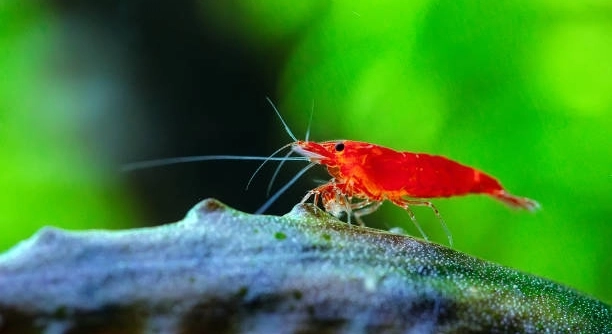
Have you ever noticed your shrimp acting aggressively in their tank, nipping at each other or chasing one another around? These behaviors can be surprising, especially if your shrimp usually seem calm and peaceful.
Shrimp fights often occur due to competition over food, territory, or mates. Environmental stressors, overcrowding, and water quality also play significant roles, creating tension and triggering aggressive interactions among shrimp within confined spaces.
Understanding these reasons can help you create a calmer, healthier environment for your shrimp to thrive without unnecessary conflict.
Overcrowding in the Tank
When shrimp are kept in a tank that is too small or too crowded, tensions rise quickly. Each shrimp needs its own space to move freely and establish small territories. Overcrowding can make them more aggressive, as they feel threatened and compete constantly for room. Even if the tank seems large enough at first glance, adding too many shrimp at once can upset the balance. In my experience, spacing shrimp out and monitoring their numbers makes a noticeable difference in behavior. It’s also important to provide hiding spots and structures where shrimp can retreat if they feel stressed. Rocks, plants, and small decorations can create separate zones that help reduce conflicts. Over time, giving shrimp enough room and visual barriers encourages calmer interactions and less aggressive displays, which is better for their overall health and survival. Avoiding overcrowding is one of the simplest ways to prevent constant skirmishes.
Overcrowding is a common reason shrimp display aggressive behavior in home aquariums. Reducing numbers can calm tensions significantly.
Proper tank management can prevent most fights caused by overcrowding. Providing space, hiding spots, and monitoring numbers keeps shrimp healthy and interactions peaceful. It’s surprising how small changes in density and structure can transform a chaotic tank into a calm environment. Shrimp need room to explore, forage, and rest without feeling threatened. Overcrowding leads to stress, which reduces immunity and makes them more prone to disease. By adjusting tank size and population, aggression decreases, and shrimp settle into more natural routines. Observing their behavior after changes also helps identify if other factors, like food or water quality, need attention. Consistent monitoring and small adjustments often make the biggest difference in preventing fights and ensuring all shrimp coexist without constant competition or harm.
Water Quality and Conditions
Poor water quality can make shrimp irritable and prone to fights. Ammonia, nitrite, or sudden pH changes stress them, increasing aggression.
Maintaining clean, stable water with regular testing and gentle filtration reduces these aggressive interactions.
Shrimp are highly sensitive to water parameters. Fluctuations in temperature, hardness, or pH can trigger stress responses that lead to fighting. Even slight changes in water chemistry may cause visible irritation or erratic behavior. Keeping water consistent and within recommended ranges for your species minimizes these problems. Regular partial water changes, careful monitoring of chemical levels, and avoiding sudden adjustments can prevent unnecessary aggression. Filtration that doesn’t create strong currents is also essential because excessive flow can disturb shrimp and make them more defensive. Over time, stable water conditions help shrimp feel secure in their environment. Calm shrimp are more likely to forage peacefully and coexist without constant squabbles, leading to healthier growth, better coloration, and a balanced community in the tank.
Competition for Food
Shrimp will fight when food is limited or unevenly distributed. Stronger shrimp often dominate, leaving weaker ones stressed and hungry.
Ensuring that food is plentiful and spread throughout the tank helps reduce conflicts. I noticed that when I scattered pellets and added algae wafers in multiple areas, the shrimp stopped chasing each other as aggressively. Feeding smaller amounts several times a day instead of one large portion also prevents the larger shrimp from guarding the food. In addition, providing natural foods like blanched vegetables or biofilm encourages foraging rather than confrontation. Observing how they eat can reveal if some shrimp are being excluded, allowing me to adjust feeding strategies. Proper feeding habits make a significant difference in calmness.
Some shrimp still compete even with enough food, but spreading it out evenly and offering varied options reduces most fights. Careful observation helps maintain balance and ensures all shrimp thrive.
Adding variety in food types keeps shrimp occupied and less aggressive. Algae, vegetables, and commercial shrimp foods combined create a healthier, calmer environment.
Mating and Breeding Behavior
Mating season triggers more aggression, especially among males competing for females. Females may hide to avoid constant attention.
Male shrimp often chase each other and display dominance to attract females. I’ve seen tanks where males constantly circling and nudging each other created tension, leaving less dominant shrimp hiding most of the time. Females, especially when carrying eggs, need calm areas with plenty of cover. Adding moss, plants, and small caves allows females to retreat safely while males expend energy competing in open spaces. Providing enough females compared to males also reduces excessive fighting. Over time, structuring the tank with hiding spots and monitoring the male-to-female ratio makes the breeding period less stressful and prevents injuries. Watching interactions closely helps me decide if adjustments are needed.
Territorial Disputes
Shrimp can be very territorial, especially in tanks with limited hiding spots. They may chase or nip at intruders to defend their chosen area.
Providing plenty of plants, rocks, and decorations reduces these disputes. Each shrimp can claim a small zone without constant interference from others.
Molting Stress
Molting makes shrimp vulnerable, and they may become targets for aggression. During this time, weaker shrimp often hide, while others may take advantage.
I always make sure to provide dense cover and calm areas for molting shrimp. Moss, caves, and plants help them stay safe until their new exoskeleton hardens. Monitoring molting cycles also allows me to adjust feeding and interactions to minimize stress and prevent injuries. In some cases, I separate molting shrimp temporarily if aggression is persistent. Ensuring a safe environment during this delicate period helps maintain the health and growth of all shrimp in the tank.
Water Temperature Changes
Sudden changes in water temperature can stress shrimp and trigger aggressive behavior, even in otherwise calm tanks.
Why are my shrimp fighting even though I feed them enough?
Even with sufficient food, shrimp can fight due to competition for territory or dominance. Some species are naturally more aggressive, and stronger shrimp may still chase weaker ones. I noticed in my tank that spreading food in multiple areas and adding plants for hiding reduced most disputes, but some chasing still occurred. Feeding variety, like vegetables and algae, also helps keep them occupied and less focused on each other.
How can I reduce fighting during molting?
Molting shrimp are vulnerable and often become targets for aggression. I provide dense cover like moss, caves, and plants so they can retreat safely. Monitoring molting cycles is important, as temporary separation can be necessary if aggression persists. Calm areas in the tank allow shrimp to recover without stress or injury.
Does tank size really affect aggression?
Yes, tank size directly impacts shrimp behavior. Overcrowding increases competition for space and resources. In my experience, increasing tank size or reducing the number of shrimp immediately lowered fighting incidents. Giving each shrimp room to move freely and claim small territories reduces stress and aggressive encounters. Structures and hiding spots enhance this effect.
Can water quality influence shrimp aggression?
Poor water quality is a major factor. High ammonia, nitrite, or fluctuating pH can stress shrimp, making them more likely to fight. I always test water regularly and perform partial changes to keep parameters stable. A stable environment reduces stress and keeps interactions calm, especially during sensitive periods like molting or breeding.
Do male shrimp fight more than females?
Males tend to be more aggressive, especially when competing for mates. I’ve observed males circling and nudging each other, leaving less dominant males hiding. Providing multiple hiding spots and a balanced male-to-female ratio reduces tension and prevents injuries. Females often hide voluntarily, so ensuring they have safe spaces is essential.
Will adding more plants help reduce conflicts?
Yes, plants and decorations create separate zones, giving shrimp places to retreat. I noticed a calmer tank once I added moss, small caves, and dense plants. Each shrimp could claim a territory without constant interference, reducing nipping and chasing. Plants also encourage foraging, keeping shrimp occupied and less aggressive.
Are some shrimp species naturally more aggressive?
Absolutely. Species like certain Caridina and Neocaridina varieties show higher territorial or competitive behaviors. In my tank, mixing less aggressive species with aggressive ones sometimes leads to continual fighting. Choosing compatible species and monitoring interactions is important to maintain a peaceful environment.
Does water temperature affect shrimp fights?
Yes, sudden changes in water temperature stress shrimp and trigger aggression. I make gradual adjustments when needed and use heaters or chillers to stabilize conditions. Consistent temperature helps shrimp feel secure, reduces chasing, and supports overall health, especially during breeding and molting periods.
Can overcrowding be managed without a bigger tank?
Partially. Adding plants, hiding spots, and distributing food reduces competition, even in smaller tanks. I noticed that rearranging decorations and creating visual barriers lowered fights without increasing tank size. However, long-term overcrowding will always stress shrimp, so adjusting population is the most effective solution.
Is it normal for shrimp to fight occasionally?
Yes, occasional disputes are normal, especially during feeding, molting, or breeding. I observed that brief chasing usually resolves quickly if hiding spots are available. Occasional aggression is not necessarily a sign of poor care, but constant fighting requires changes to tank setup, population, or water conditions.
How do I know if aggression is harming my shrimp?
Visible injuries, missing limbs, or persistent hiding indicate harmful aggression. I keep a close eye on shrimp behavior and separate injured or stressed individuals when necessary. Maintaining hiding areas and monitoring interactions helps prevent serious harm while keeping the tank peaceful and healthy.
What role does breeding play in fights?
Breeding periods increase male aggression and territorial behavior. I provide extra hiding spots and monitor male-to-female ratios to reduce competition. Over time, structured spaces and careful observation minimize stress, allowing females to carry eggs safely while males display normal competitive behaviors without causing serious injuries.
Does food type matter for aggression control?
Yes, variety matters. I include algae, blanched vegetables, and commercial pellets to reduce competition. Offering multiple food sources prevents dominant shrimp from monopolizing meals and encourages natural foraging behaviors. Balanced nutrition also supports growth, molting, and overall calmness, indirectly reducing fights across the tank.
Can tank layout impact shrimp fighting?
Tank layout has a big effect. I rearrange plants, rocks, and hiding spots to break up open spaces. Visual barriers prevent constant chasing and allow shrimp to retreat safely. A well-structured tank supports natural behaviors and lowers stress, resulting in fewer aggressive interactions overall.
How long does it take to see improvement after changes?
Improvement can occur within days to weeks. I noticed calmer behavior after adding hiding spots, spreading food, or adjusting population. Consistent monitoring and gradual adjustments allow shrimp to adapt, reducing aggressive incidents and promoting a peaceful, thriving community.
Can I mix aggressive and peaceful species?
Mixing is possible but requires caution. Aggressive species may dominate or stress peaceful ones. I observed that creating separate zones, providing hiding spots, and monitoring interactions helps, but choosing compatible species from the start is always the safest approach to prevent continual conflicts.
Is observing shrimp behavior important for preventing fights?
Yes, constant observation helps identify triggers like food competition, molting, or territorial disputes. I keep notes on patterns and adjust tank conditions accordingly. Early detection of stress or aggression allows interventions before serious injury, keeping shrimp healthy and the tank peaceful.
Do hiding spots really make a difference?
Absolutely. Shrimp use moss, caves, and plants to escape aggression. I found that tanks with dense cover had significantly fewer injuries and less chasing. Hiding spots provide security during vulnerable periods like molting or breeding, reducing stress and allowing natural behaviors to occur safely.
Can water hardness or pH changes trigger fights?
Yes, shrimp are sensitive to these parameters. Sudden shifts in hardness or pH can increase irritability and chasing behavior. I always make slow adjustments and monitor levels to ensure stability. Maintaining consistent water chemistry keeps shrimp calm and interactions peaceful, preventing unnecessary fights in the tank.
How can I safely separate aggressive shrimp?
Using a divider or temporary quarantine tank works well. I separate aggressive individuals during breeding or if fights escalate. Providing adequate space and monitoring behavior ensures safe reintegration. This approach reduces injuries while allowing the rest of the community to remain calm.
Does light or tank activity affect aggression?
Bright light and excessive activity can stress shrimp, making them more prone to chasing. I adjust lighting schedules and reduce disturbances near the tank. Calm surroundings help shrimp feel secure, lowering the frequency of fights and allowing them to focus on normal feeding and social behaviors.
What is the best overall strategy to reduce shrimp fights?
A combination of proper tank size, hiding spots, stable water parameters, balanced feeding, and observation works best. I adjust population, layout, and diet based on shrimp behavior. Gradual changes and monitoring allow shrimp to coexist peacefully while maintaining health, growth, and natural behaviors without constant aggression.
How do I know if changes are working?
Look for reduced chasing, fewer injuries, and calmer interactions. I track feeding behavior, molting success, and overall activity. Steady improvement shows that tank conditions and management strategies are effective, creating a peaceful environment where shrimp can thrive safely.
Can shrimp fights ever completely stop?
Not entirely, but careful management minimizes frequency and severity. I’ve seen fights become brief and non-injurious with proper spacing, hiding areas, and monitoring. Occasional disputes are normal, but long-term stress and harm can be prevented with consistent care and observation.
Are there signs of chronic stress from fighting?
Shrimp that constantly hide, lose appetite, or have missing limbs may be stressed. I watch for these indicators and adjust tank conditions immediately. Addressing overcrowding, aggression, and environmental factors prevents chronic stress, ensuring healthier, calmer shrimp and a more stable tank ecosystem.
Shrimp fights can feel frustrating at first, especially when you expect a peaceful tank. It’s important to remember that some aggression is natural. Shrimp are small, territorial creatures, and they have instincts that lead them to defend space, compete for food, or protect themselves during molting. Even in well-maintained tanks, minor chasing or nipping can happen. Over time, these behaviors usually balance out when the environment is stable and each shrimp has space, food, and shelter. Watching the shrimp closely helps identify patterns in their interactions and highlights when intervention may be necessary. Understanding these behaviors is the first step in creating a calmer, healthier tank for everyone.
Environmental factors play a major role in shrimp behavior. Overcrowding, sudden water changes, or poor water quality can quickly turn a calm tank into a stressful one. I’ve seen tanks where adding a few hiding spots or increasing the distance between shrimp dramatically reduced conflicts. Water parameters like pH, hardness, and temperature must remain stable, as even small fluctuations can trigger stress and aggression. Providing plenty of plants, moss, and decorations allows shrimp to claim small territories and retreat when they feel threatened. Feeding strategies also make a difference. Scattering food in multiple areas and offering a variety of options reduces competition and keeps all shrimp active without fighting over the same spot.
Finally, patience and careful observation are essential for maintaining a peaceful tank. It may take time to see improvements after making changes, but small adjustments usually have a big impact. Separating aggressive individuals temporarily, adjusting male-to-female ratios, and ensuring hiding places for molting shrimp can prevent injuries and reduce stress. Accepting that occasional minor disputes are normal helps you focus on long-term care rather than reacting to every chase. With consistent attention to tank conditions, proper feeding, and thoughtful layout, shrimp fights can be minimized, creating a calmer environment where each shrimp can thrive. Over time, the tank will feel more balanced, and you will see healthier, more active shrimp with less tension.

Hello,
If you enjoy the content that we create, please consider saying a "Thank You!" by leaving a tip.
Every little bit helps us continue crafting quality advice that supports the health, happiness, and well-being of pets around the world, for pets of all shapes, sizes, and species.
We really appreciate the kindness and support that you show us!