
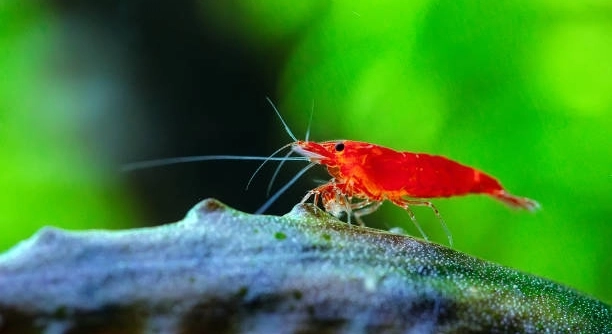
Do your cherry shrimp seem to move slowly or spend long periods hiding in your tank? Observing their behavior can make you wonder how their environment affects their activity and overall wellbeing in captivity.
Cherry shrimp do not experience boredom in the way mammals do, as their behavior is driven by instinct and environmental stimuli. A bare tank may limit exploration and shelter opportunities, but it does not cause mental fatigue or emotional distress.
Providing additional decorations, plants, or hiding spots can enhance their activity and allow for more natural behaviors within the tank environment.
Understanding Cherry Shrimp Behavior
Cherry shrimp are small but active creatures that thrive on exploring their surroundings. In a bare tank, their natural instincts to forage, hide, and interact with surfaces are limited. While they do not get bored like humans, they may appear less active because there is little stimulation. Plants, rocks, and other decorations provide surfaces for grazing and shelter, which encourages movement and natural behaviors. Observing your shrimp in a varied environment allows you to see more interesting behaviors, including climbing, hiding, and foraging. Over time, these enhancements can help maintain their overall health and promote normal activity patterns. Without environmental enrichment, you may notice shrimp spending extended periods on the tank floor or staying in one area. A richer habitat not only benefits their physical condition but also supports their instinct-driven behaviors, making your aquarium more lively and engaging for you as a caretaker.
Adding plants and decorations will encourage shrimp to explore and move, creating a more natural and active environment for them.
A bare tank may be simple to maintain, but it restricts the shrimp’s ability to perform natural behaviors. Live plants, moss, and rocks give them surfaces for grazing and hiding spots that feel secure. Cherry shrimp often use these areas to molt safely or rest without exposure. The presence of cover can also reduce stress and competition among shrimp, especially in groups. Even small additions like leaf litter or driftwood provide essential surfaces for biofilm growth, which is a primary food source for them. By arranging the tank thoughtfully, you can create multiple layers and spaces that encourage exploration and climbing. Observing shrimp interacting with plants and decorations gives insight into their instincts and daily patterns. Over time, a well-decorated tank supports healthier, more active shrimp, making your care routine more rewarding and the aquarium visually appealing.
Tank Setup Considerations
Maintaining water quality is crucial for shrimp health, regardless of tank decoration.
Temperature, pH, and ammonia levels should be closely monitored. Cherry shrimp are sensitive to sudden changes, and even small fluctuations can affect their activity. Choosing the right substrate also plays a role, as it impacts plant growth and biofilm development. Sand or fine gravel allows them to forage naturally, while larger stones may create hiding places. Avoid overcrowding the tank, as high density increases stress and competition. Adding live plants not only enhances aesthetics but also contributes to water stability and oxygenation. Proper filtration ensures clean water without strong currents that could disturb the shrimp. Combining these factors with suitable hiding spots creates a supportive environment.
In addition to water parameters, tank layout should encourage exploration while providing security. Tall plants, mosses, and driftwood create vertical and horizontal spaces, giving shrimp multiple levels to navigate. This arrangement simulates natural habitats and supports instinct-driven behaviors like climbing and grazing. Shrimp also benefit from sheltered areas for molting, which reduces vulnerability. Choosing hardy, low-maintenance plants ensures long-term coverage and stable water chemistry. Even simple additions, like small rocks or ceramic tubes, can make a notable difference in activity levels. Maintaining a balance between open swimming areas and sheltered zones allows shrimp to move freely while feeling secure. A thoughtfully arranged tank reduces stress, supports molting, and promotes healthy feeding habits, resulting in more active and visible shrimp over time.
Signs of Limited Stimulation
Shrimp in bare tanks may appear inactive, spending more time hiding or resting on the substrate. They often move less frequently and may not interact with each other as much. Lack of surfaces and plants reduces their natural foraging behavior and exploration, making the tank seem quieter.
Even though cherry shrimp do not feel boredom like mammals, a minimal environment can reduce visible activity. They rely on surfaces for grazing biofilm, which is their primary food source, and for exploring textures. Without plants or decorations, they have fewer opportunities to climb, hide, or interact with varied surfaces. Over time, this can make their movements predictable and repetitive, and the aquarium may seem less dynamic. Providing varied structures encourages natural behaviors, giving them tasks like searching for food and finding shelter, which helps maintain normal activity levels.
Monitoring shrimp behavior can indicate if they need environmental enrichment. Adding plants, moss, or small decorations allows for more movement, foraging, and interaction. This encourages instinct-driven behaviors, reduces stress, and provides safer spaces for molting. Even minimal additions can make a significant difference in activity and overall wellbeing, supporting a healthier and more vibrant tank environment for cherry shrimp.
Choosing the Right Tank Enhancements
Plants and mosses improve water quality while offering surfaces for shrimp activity. They also create shaded areas that mimic natural hiding spots and encourage exploration.
Selecting low-maintenance live plants ensures stability and reduces the risk of water parameter fluctuations. Mosses provide dense cover for smaller shrimp and promote biofilm growth, which serves as an important food source. Driftwood and small rocks offer vertical climbing spaces, helping shrimp exercise and perform instinctive behaviors. Even simple decorations like ceramic tubes or leaf litter create protected zones for molting and resting. Proper arrangement balances open swimming areas with sheltered sections, allowing shrimp to move freely while feeling secure. These enhancements help maintain natural behavior patterns, reduce stress, and support overall health.
Adding multiple layers of decoration in the tank encourages climbing and exploration. Shrimp can navigate different heights, graze on biofilm, and utilize hiding spots effectively. This layered environment mimics natural habitats, reduces territorial stress, and provides safe spaces for molting. Live plants and mosses improve oxygen levels, stabilize water chemistry, and enhance feeding opportunities. Including rocks or driftwood offers textured surfaces for activity and promotes varied behaviors. Consistent care with thoughtful layout ensures shrimp remain active, healthy, and visually engaging. A well-structured tank supports instinctive behavior and long-term wellbeing.
Minimalistic Tank Considerations
Bare tanks are easier to clean and maintain, making them appealing for beginners. Fewer decorations reduce debris accumulation and simplify water changes, which can help maintain stable water parameters for shrimp.
However, minimalistic setups limit surfaces for grazing and shelter. Shrimp may remain inactive and less visible, as their natural instincts to explore and hide are restricted.
Biofilm and Feeding Opportunities
Cherry shrimp rely heavily on biofilm as a primary food source. Bare tanks provide fewer surfaces for biofilm growth, which can reduce feeding variety and foraging activity. Introducing plants, moss, or textured surfaces encourages biofilm accumulation, allowing shrimp to graze naturally and maintain normal feeding behaviors.
Shrimp Stress Factors
Limited hiding places in a bare tank can increase stress, especially during molting. Providing cover helps shrimp feel secure and reduces vulnerability, supporting overall health and stability.
FAQ
Can cherry shrimp survive in a bare tank?
Yes, cherry shrimp can survive in a bare tank as long as water conditions are stable and proper nutrition is provided. They do not require decorations to live, but the lack of hiding spots and grazing surfaces may affect their activity levels. Bare tanks are functional for maintenance, but adding plants or moss improves their overall wellbeing.
Will cherry shrimp get bored in a bare tank?
Cherry shrimp do not experience boredom like humans or mammals. Their behavior is instinct-driven, and they respond to environmental stimuli rather than emotions. A bare tank may limit their natural behaviors, such as foraging, climbing, and hiding, which can make them appear less active, but it does not cause mental fatigue.
What are the benefits of adding plants or decorations?
Plants, mosses, rocks, and driftwood provide surfaces for biofilm growth, which is a primary food source. They offer hiding spots for molting, reduce stress, and encourage movement. Vertical structures allow shrimp to climb and explore, promoting natural behaviors that keep them active and healthy. Even small additions improve activity levels and visual appeal.
Are there any risks of keeping a bare tank?
A bare tank is easier to clean and maintain, but it offers limited shelter, which can increase vulnerability during molting. Lack of surfaces for biofilm may reduce grazing opportunities. Minimal stimulation may make shrimp less visible, and aggressive or larger tankmates can increase stress if no hiding places are available.
How do I encourage activity in a minimal tank?
Even in a minimal tank, adding a few moss patches, rocks, or leaf litter can create surfaces for foraging and climbing. Regular feeding with high-quality shrimp food encourages movement. Rotating decorations occasionally or changing the layout slightly provides new stimuli without overcrowding the tank.
Is water quality more important than decorations?
Yes, water quality is critical for shrimp survival. Stable temperature, pH, and low ammonia levels are more important than decorative features. Decorations improve wellbeing but cannot replace proper filtration and regular water monitoring. A healthy bare tank can sustain shrimp, but enrichment ensures more natural behaviors and visible activity.
Can cherry shrimp thrive without plants?
They can survive without plants if biofilm or supplemental food is available. However, plants provide multiple benefits: surfaces for grazing, oxygenation, and safe areas for hiding. Shrimp may thrive in a simple bare tank but will be more active and healthier with minimal natural structures.
What types of decorations are best for shrimp?
Live plants, moss, driftwood, rocks, and leaf litter are ideal. They should be non-toxic, stable, and easy to clean. Decorations that offer multiple surfaces and levels encourage climbing, grazing, and hiding. Avoid sharp or unstable objects that could harm the shrimp. Minimal additions can make a significant difference in their behavior.
Do cherry shrimp need hiding spots all the time?
Hiding spots are especially important during molting when shrimp are vulnerable. They also reduce stress in groups and give shy individuals a safe space. Even if the tank is minimal, adding at least a few protected areas ensures shrimp can feel secure while maintaining activity levels.
How often should I change the tank setup?
Frequent changes are unnecessary. Small adjustments, such as moving moss or adding new surfaces occasionally, provide variety without stressing the shrimp. Stability in water parameters is more important than frequent rearrangements, but subtle changes encourage exploration and prevent repetitive behaviors.
Can bare tanks be visually appealing?
Yes, bare tanks have a minimalist aesthetic and allow shrimp to be easily seen. Combining a clean substrate with a few strategic decorations, like moss patches or driftwood, creates a balance between simplicity and enrichment, keeping shrimp active while maintaining visual appeal.
Will shrimp interact more in a decorated tank?
Decorations encourage natural behaviors like climbing, hiding, and grazing, which increases activity. Social interactions, such as following each other during foraging, are more noticeable when multiple surfaces are available. While shrimp do not seek interaction for entertainment, a structured environment enhances instinct-driven activity and visibility.
Are certain shrimp more suited to bare tanks?
Some hardy shrimp species tolerate minimal environments better than delicate varieties. Cherry shrimp are adaptable but benefit from basic enrichment. Smaller or shy individuals may hide less and display normal behaviors more frequently in tanks with varied surfaces and cover.
How do I monitor shrimp wellbeing in a bare tank?
Observe activity, feeding behavior, and molting frequency. Healthy shrimp will move around the tank, graze regularly, and molt successfully. Reduced movement, clustering in corners, or stress signs indicate that environmental enrichment or water parameter adjustments may be needed.
Is a bare tank suitable for breeding?
Breeding is possible, but baby shrimp need surfaces and shelter to hide from adults. Moss, plants, or small structures increase survival rates. While adults may survive and reproduce, enrichment ensures higher fry survival and healthier growth.
How much enrichment is enough?
Even minimal additions can improve shrimp wellbeing. A few moss patches, rocks, or driftwood provide enough surfaces for foraging and hiding without overcrowding the tank. Overloading the tank is unnecessary; balance is key for natural behaviors and long-term health.
Can bare tanks save time for maintenance?
Yes, bare tanks simplify cleaning and water changes. Fewer decorations reduce debris accumulation and make it easier to monitor shrimp and water conditions. However, maintenance should still include regular checks on water parameters and occasional enrichment to support shrimp health.
Do shrimp need stimulation like pets?
Not in the way mammals do. Their activity is driven by survival instincts rather than curiosity or play. Providing surfaces for grazing, climbing, and hiding satisfies their natural behaviors. Enrichment improves visibility and activity, but it is not required for emotional wellbeing.
Can a bare tank be temporary?
Yes, starting with a bare tank is common for new shrimp setups. As the colony grows, gradual introduction of plants and decorations improves activity, grazing, and safety. A temporary bare tank can support shrimp while monitoring water stability and growth before adding enrichment.
How does tank size affect enrichment needs?
Smaller tanks require careful arrangement to avoid overcrowding, while larger tanks benefit from multiple layers of plants and structures. The more space available, the more surfaces for grazing, hiding, and climbing can be provided, supporting natural behavior and activity levels.
What is the simplest way to enrich a bare tank?
Adding moss patches or a few rocks creates grazing surfaces and hiding spots. These small changes encourage movement, reduce stress, and support natural instincts without complicating maintenance or cleaning routines. Even minimal enrichment provides significant benefits to shrimp activity and wellbeing.
Final Thoughts
Cherry shrimp are resilient and adaptable creatures that can survive in a bare tank, but their environment directly affects how they behave. While they do not get bored like humans, a completely empty tank can limit the ways they interact with their surroundings. Without plants, moss, or decorations, shrimp may spend more time stationary or resting in one spot, which can make them appear less active. Observing them in this kind of setup often reveals repetitive movements, such as grazing the same areas or remaining in corners, simply because there are fewer surfaces and spaces to explore. Even small additions, like a few moss patches or pieces of driftwood, can encourage them to move more, climb, and explore, allowing their natural behaviors to be expressed. These simple elements provide grazing surfaces for biofilm, hiding spots for molting, and textured surfaces that simulate natural habitats. Over time, these minor adjustments make a noticeable difference in their activity and overall health.
Water quality remains the most critical factor for shrimp survival, regardless of whether the tank is bare or decorated. Stable temperature, appropriate pH levels, and low ammonia are essential for keeping shrimp healthy. Decorations and plants do not replace proper care, but they complement it by providing a more stimulating and safer environment. When shrimp have access to hiding spots and surfaces for grazing, stress is reduced, and natural behaviors are more likely to appear regularly. Even in a minimal setup, ensuring that food is available, water parameters are consistent, and there is enough space to move is enough for shrimp to survive and reproduce. However, adding basic enrichment, even a small number of items, allows for a healthier and more dynamic aquarium. Shrimp are more active, their feeding habits are more natural, and the tank looks more lively.
For those who prefer a simple setup, a bare tank is not inherently harmful, but enrichment improves the overall experience. Introducing plants, moss, rocks, or driftwood enhances not only the shrimp’s wellbeing but also the visual appeal of the tank. Vertical surfaces, hiding spots, and textured areas give shrimp opportunities to express instinct-driven behaviors, like climbing, grazing, and hiding during molting. Careful placement of these elements ensures that the tank remains easy to maintain while giving shrimp access to stimulation. In the long term, a thoughtfully arranged tank supports healthier, more active shrimp and creates a more engaging environment. Even minor changes can lead to noticeable improvements, making the aquarium more enjoyable to observe while supporting the shrimp’s natural behaviors. Maintaining a balance between simplicity, water quality, and environmental enrichment is the key to keeping cherry shrimp healthy and active in any tank setup.

Hello,
If you enjoy the content that we create, please consider saying a "Thank You!" by leaving a tip.
Every little bit helps us continue crafting quality advice that supports the health, happiness, and well-being of pets around the world, for pets of all shapes, sizes, and species.
We really appreciate the kindness and support that you show us!