
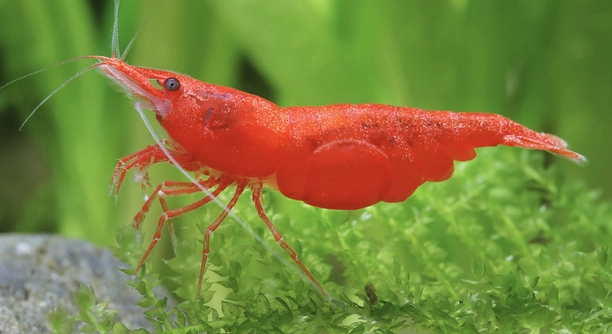
Do you ever notice your shrimp swimming around curiously after a water change? Watching them adjust can be both calming and puzzling. Their small movements and behavior may tell you more than you think.
Shrimp typically adjust quickly after water changes if the new water conditions closely match their existing environment. Sudden shifts in temperature, pH, or hardness can stress them, but gradual acclimation minimizes risk and supports healthy behavior and feeding patterns.
Understanding how water changes affect shrimp behavior will help you maintain a stable, healthy tank environment for them to thrive.
How Water Changes Affect Shrimp
Shrimp are sensitive to sudden changes in their environment, so even small water adjustments can have noticeable effects. Temperature, pH, and mineral content are all important. When water changes are done carefully, shrimp often continue their normal behavior with minimal stress. They may explore more slowly at first or stay near hiding spots until they feel comfortable. Frequent water changes with large differences in parameters can shock them, leading to reduced feeding or lethargy. Observing shrimp after a water change helps identify any problems early. Using a gradual approach, such as mixing new water with tank water before adding it, can prevent sudden shifts. Stable water encourages regular molting and healthy growth. Equipment like heaters and test kits makes it easier to maintain consistent conditions. Over time, shrimp adapt faster if changes are consistent and predictable. Noticing how they respond allows you to fine-tune water management for long-term success.
Proper acclimation supports shrimp health and reduces stress after changes, ensuring they remain active and feed normally.
Keeping track of water parameters is key to shrimp stability. Regular testing prevents sudden swings. Adjusting temperature slowly and monitoring pH keeps them comfortable. Adding minerals gradually helps maintain their exoskeleton and overall vitality. Even minor changes can matter.
Signs of Stress After Water Changes
Shrimp may hide more, stop eating, or move unusually after abrupt water changes. Stress can appear quickly.
If stress is observed, take steps immediately. Reducing the size of water changes, adjusting temperature slowly, or checking for chemical imbalances helps shrimp recover. Recovery time varies depending on severity and species. Gentle observation allows you to respond before issues escalate. Providing hiding spaces and stable food sources can reduce anxiety. In some cases, partial water changes instead of complete swaps are safer. Avoid sudden chemical treatments or strong lighting during recovery. Tracking shrimp behavior day by day provides insight into their adjustment. Over time, minor stress events become easier to manage, and shrimp adapt more readily to routine maintenance. Paying attention to small behavioral cues ensures long-term health. Regular, gradual water changes combined with careful monitoring allow shrimp to thrive with minimal disruption, keeping the tank balanced and supporting natural activity and growth.
Preparing Shrimp for Water Changes
Gradual acclimation is essential for shrimp to handle water changes. Mixing tank water with new water before adding it reduces sudden shifts and keeps shrimp safe from stress or shock.
Using a drip method or slowly adding small amounts of new water helps shrimp adjust. Start by monitoring temperature and pH closely. Avoid adding water that is too cold, too warm, or chemically different. Removing debris and checking hardness and minerals can prevent complications. Observation during this process allows you to notice any early signs of stress and take corrective action quickly. Maintaining a slow, consistent pace ensures shrimp stay healthy and active.
Providing hiding spots and soft substrates during changes helps shrimp feel secure. Plants and small decorations give them areas to retreat. Stress can be minimized when their environment feels stable. Keeping water parameters consistent while introducing changes gradually supports molting and normal feeding. Tracking shrimp behavior over several hours post-change shows how well they are adjusting. Small tweaks to the method improve their long-term comfort and reduce the risk of illness or lethargy.
Maintaining Stable Water Parameters
Consistency in water parameters prevents stress and promotes healthy shrimp behavior. Minor fluctuations can be tolerated, but sudden changes are harmful.
Regular testing of temperature, pH, and mineral content ensures stability. Using heaters, filters, and buffers helps maintain ideal conditions. Avoid drastic chemical treatments, as these can shock shrimp. Routine observation of shrimp behavior alongside testing gives insight into subtle changes. Gradual adjustments and partial water replacements are safer than full swaps, especially when conditions differ from the tank. Consistency encourages predictable activity patterns and supports natural molting cycles. Maintaining proper nutrition alongside stable water further enhances resilience.
Common Mistakes During Water Changes
Adding too much water at once can shock shrimp and cause stress. Sudden temperature or pH shifts are the main reasons they react negatively.
Using untreated tap water is risky. Chlorine, chloramine, and heavy metals can harm shrimp quickly. Always condition water beforehand to prevent health issues.
Observation After Changes
Watching shrimp closely after a water change is crucial. Look for hiding, slowed movement, or reduced feeding. Early detection of stress allows corrective action before it worsens. Regular monitoring also helps fine-tune future water change routines, ensuring shrimp remain healthy and active over time.
Tools to Support Shrimp Health
Test kits, heaters, and filters help maintain stable water. Proper equipment reduces stress and keeps shrimp comfortable during changes.
FAQ
How quickly do shrimp recover after a water change?
Shrimp usually start to adjust within a few hours if the new water closely matches their tank conditions. Small differences in temperature or pH can make them hide or move slowly at first, but gradual acclimation helps them regain normal behavior. Observation is important during this period to ensure they are feeding and swimming normally.
What is the safest way to perform a water change?
The safest method involves slow, gradual replacement of water rather than a complete swap. Mixing new water with tank water first reduces sudden changes. Using a drip system or adding small amounts every few minutes allows shrimp to acclimate to the new environment with minimal stress. Always check temperature, pH, and hardness before adding water.
Can shrimp die from sudden water changes?
Yes, abrupt changes in temperature, pH, or mineral content can be fatal. Even small shifts can stress shrimp, making them more vulnerable to illness. Gradual changes, observation, and stable water parameters are key to avoiding fatalities. Hiding spots and plants provide extra protection during transitions.
How often should water changes be done?
Partial water changes once a week are usually sufficient for most shrimp tanks. Overly frequent or large changes can stress them, while infrequent changes may allow waste and toxins to build up. Monitoring water parameters helps determine the best schedule for your specific tank setup.
What signs show that shrimp are stressed?
Shrimp under stress often hide, stop eating, or move sluggishly. Some may cling to surfaces or stay near decorations. Molting may be delayed or irregular, and color can fade slightly. Observing these behaviors immediately after a water change helps identify issues before they worsen.
Do different shrimp species react differently?
Yes, some species are more sensitive to water changes. For example, Caridina shrimp are more delicate and require very stable water, while Neocaridina shrimp tolerate minor fluctuations better. Knowing your species’ needs helps prevent stress and supports healthier long-term care.
Should I treat tap water before adding it?
Absolutely. Tap water often contains chlorine, chloramine, and heavy metals that are harmful to shrimp. Using a water conditioner removes these chemicals and prevents health issues. Checking for pH, hardness, and temperature before adding conditioned water is also important.
Can I do a full water change safely?
Full water changes are risky unless the new water perfectly matches the tank in temperature, pH, and mineral content. Partial changes are safer, allowing shrimp to adjust gradually. Full swaps are generally unnecessary and can be stressful if done incorrectly.
How can I reduce stress during a water change?
Adding water slowly, maintaining stable temperature and pH, providing hiding spots, and avoiding sudden movements around the tank all reduce stress. Keeping the lighting gentle and not feeding immediately after a change also helps shrimp feel secure.
Is it normal for shrimp to hide after a water change?
Yes, temporary hiding is common. Shrimp may take a few hours to resume normal activity as they acclimate. Providing decorations and plants gives them places to feel safe during this adjustment period. Observing behavior over time ensures they recover properly.
What equipment helps shrimp handle water changes better?
Heaters, filters, test kits, and water conditioners all support stability. Heaters prevent sudden temperature drops, filters maintain clean water, and test kits let you monitor pH, hardness, and ammonia. Using these tools together minimizes stress and helps shrimp adjust quickly.
Can feeding affect shrimp adjustment after a water change?
Yes, shrimp may eat less immediately after a change, especially if stressed. Providing small amounts of food and avoiding overfeeding helps them resume normal feeding gradually without water quality issues. Observing their appetite shows how well they are adjusting.
Do plants help during water changes?
Live plants provide hiding spots and stabilize water quality by absorbing nitrates and other compounds. They reduce stress, especially during adjustments, and encourage shrimp to feel secure while adapting to new water conditions. Plants also improve oxygen levels, supporting overall health.
How long should I watch shrimp after a water change?
Observing them for several hours to a full day is ideal. Look for normal swimming, feeding, and interaction with the environment. Quick response to stress signs helps prevent health problems and ensures successful acclimation.
Are there long-term effects of frequent water changes?
Frequent, small, stable changes are beneficial, but large, abrupt changes can cause chronic stress, molting issues, or weakened immunity. Maintaining a consistent schedule and careful monitoring protects shrimp health while keeping the tank balanced.
This FAQ provides guidance for understanding shrimp behavior during and after water changes, offering practical tips to minimize stress and ensure their well-being.
Final Thoughts
Maintaining shrimp health during water changes comes down to patience and observation. Shrimp are sensitive creatures, and sudden changes in temperature, pH, or water hardness can cause stress. Even small differences may make them hide, slow down, or temporarily stop feeding. Observing how they react after a water change is essential to understanding their comfort level. Gradual, partial water replacements are much safer than complete swaps, especially when introducing new water with slightly different parameters. Taking time to match temperature and chemical composition reduces stress and helps shrimp continue their normal behavior. Over time, consistent care allows them to adapt more quickly to routine maintenance, making each water change easier for both the shrimp and the keeper.
Providing a stable environment is also key. Equipment like heaters, filters, and test kits makes it easier to maintain consistent water conditions. Live plants and decorations offer hiding spots, helping shrimp feel secure during adjustments. Tracking water parameters before and after changes ensures any differences are minor, reducing the likelihood of shock. Even small steps, like mixing tank water with new water or using a drip acclimation method, can make a big difference. Proper feeding schedules and maintaining good tank hygiene further support their health. Paying attention to shrimp behavior, water quality, and the timing of changes builds a balanced environment, which encourages normal activity, molting, and feeding.
Consistency and care create long-term benefits for shrimp. Gradual, well-planned water changes minimize stress and help shrimp thrive in captivity. Observing behavior, monitoring water conditions, and providing secure spaces encourages comfort and resilience. Every shrimp reacts differently, so learning their responses allows for better adjustments. Even though water changes may seem simple, the details matter for keeping shrimp healthy. By focusing on gradual transitions, consistent parameters, and attentive observation, shrimp are more likely to remain active, healthy, and vibrant. Long-term success depends on small, careful steps repeated regularly, helping shrimp adjust smoothly and maintain overall well-being.

Hello,
If you enjoy the content that we create, please consider saying a "Thank You!" by leaving a tip.
Every little bit helps us continue crafting quality advice that supports the health, happiness, and well-being of pets around the world, for pets of all shapes, sizes, and species.
We really appreciate the kindness and support that you show us!