
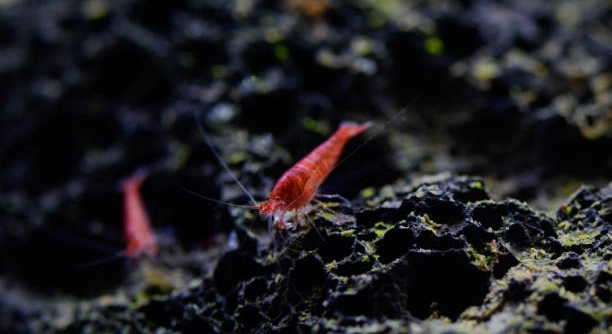
Do your cherry shrimp sometimes explore every nook and cranny of your aquarium? Watching them move through plants and decorations can be relaxing, but it may also raise concerns about their safety in tight spaces.
Cherry shrimp can occasionally become trapped in aquarium decorations with narrow openings or sharp edges. Ensuring that all ornaments and hiding spots have smooth surfaces and sufficiently wide gaps reduces the risk of entrapment and supports their safe movement.
Knowing how to set up your tank effectively helps protect these small creatures. Proper planning ensures they can explore without unnecessary hazards.
Common Decorations That Pose a Risk
Many aquarium decorations can unintentionally trap cherry shrimp. Hollow ornaments, narrow tunnels, and intricate plastic plants are frequent areas where shrimp may get stuck. Even driftwood with small cracks or holes can create hazards. Smooth surfaces with large openings are safer options. Glass or acrylic caves with sharp edges can also pinch or trap small shrimp if the openings are too tight. I’ve noticed that delicate shrimp are more likely to wedge themselves in between ornaments that seem harmless at first glance. Decorations with irregular shapes can catch legs or antennae, leaving the shrimp struggling to free themselves. Avoid stacking ornaments too closely together, as crowded spaces can increase the risk of entrapment. Simple setups often provide better safety while still offering hiding spots. Observing your shrimp’s movements regularly helps you identify potential problem areas before an accident occurs. Over time, it becomes easier to recognize which decorations pose minimal risk.
Monitoring your tank frequently ensures any trapped shrimp are noticed quickly. Early intervention prevents injury or stress.
Keeping decorations safe doesn’t mean removing all variety. Select ornaments with wider openings and rounded edges. Combining plants, stones, and open spaces allows shrimp to explore safely. Rotating or rearranging decorations periodically also reduces stagnant spots where shrimp may become wedged. By observing behavior, you can adjust the layout to suit their natural movement patterns. Even small adjustments, like angling driftwood or trimming plant stems, can make a big difference. Consider natural textures like smooth river stones or moss-covered rocks that offer hiding without tight crevices. Open spaces also encourage more natural activity, helping shrimp thrive. A well-planned tank balances aesthetic appeal with practical safety. Using gentle, non-toxic materials further protects delicate shrimp bodies. Over time, the tank becomes a safer environment without sacrificing visual interest or enrichment opportunities.
Preventing Shrimp From Getting Stuck
Proper tank arrangement minimizes risks of entrapment. Avoid tight spaces and sharp edges.
Regular checks of decorations and plant growth prevent shrimp from becoming trapped. Trim dense plants, smooth rough surfaces, and adjust ornaments to allow easy movement. It is important to ensure tunnels or caves are wide enough for the shrimp to pass through comfortably. Some shrimp may try to squeeze into small gaps, so observing their behavior helps identify dangerous spots early. Cleaning decorations and moving them occasionally can also reduce hidden hazards. Even seemingly safe areas can become risky if algae or debris build up, creating tighter spaces. Taking these precautions reduces accidents and promotes a stress-free environment.
Preventing accidents starts with choosing the right materials. Use decorations made from smooth resin, glass, or natural rocks. Avoid objects with sharp points or tiny holes that might trap a shrimp. Open designs, wide tunnels, and rounded edges are ideal. Place plants and stones strategically so shrimp have escape routes and can freely explore. Monitoring shrimp activity lets you quickly address problem areas. Overcrowding can increase the chance of getting stuck, so space decorations adequately. Regular maintenance, observation, and thoughtful placement ensure a safe habitat. Creating a balanced, hazard-free environment encourages natural behavior, reduces stress, and helps your shrimp remain healthy and active for longer periods.
Signs Your Cherry Shrimp Is Stuck
Shrimp that are trapped may stay in one spot for longer than usual. They might struggle slightly or show limited movement. Antennae can twitch, and legs may appear stuck in a crevice or narrow opening.
Shrimp often try to free themselves by wriggling or climbing, which can be a clear sign of entrapment. If a shrimp remains wedged despite movement, it may be in a risky area of the tank. Over time, stress from being stuck can affect their color and behavior. Observing these signs early helps prevent injury. Shrimp may also hide more frequently after an escape, seeking safer spots to avoid tight spaces. Regular monitoring and checking tight decorations can reduce the risk of prolonged entrapment and improve overall tank safety.
Immediate action is important when a shrimp is stuck. Gently freeing the shrimp with minimal stress is necessary. Using soft tools or adjusting the decorations can safely remove the obstruction. Avoid forcing the shrimp abruptly, as delicate legs or antennae can be damaged. Once freed, observe the shrimp for a while to ensure no injury occurred. Adjusting the surrounding decorations to prevent a repeat situation is important. Keeping a close eye on the tank afterward helps ensure all shrimp can move freely and safely.
Safe Decoration Placement
Keep openings wide and avoid stacking ornaments too closely. This reduces the chance of shrimp becoming trapped.
Positioning decorations strategically allows shrimp to explore without squeezing into tight spaces. Wide tunnels, rounded caves, and smooth edges provide safe hiding spots. Dense plants should be trimmed regularly to maintain clear paths. Even small adjustments, like angling stones or separating decorations, can improve movement safety. Observing shrimp activity helps identify areas that may pose risks. Avoid placing sharp or irregular items near popular shrimp paths. Maintaining open areas alongside hiding spots encourages natural behavior. Proper placement also supports better water flow, which helps shrimp navigate easily.
Spacing and layering are key for safe movement. Arranging plants, stones, and ornaments with adequate gaps ensures shrimp can travel without risk. Consider alternating tall and short decorations to create vertical and horizontal spaces. Rounded edges and smooth surfaces reduce injury potential, while wide tunnels offer escape routes. Keeping some open swimming areas prevents overcrowding and stress. Observing shrimp behavior after placement confirms safety and reveals if adjustments are needed. Regular maintenance ensures plants or algae growth do not narrow passageways over time. Thoughtful arrangement balances aesthetics with safety, allowing shrimp to thrive and explore freely.
Materials That Are Safer for Shrimp
Smooth resin, glass, and natural rocks are ideal for shrimp-safe decorations. These materials reduce the risk of trapping or injuring delicate shrimp bodies.
Avoid decorations with sharp points, narrow holes, or rough textures. Even small cracks can pinch legs or antennae, creating dangerous situations for shrimp in your tank.
Adjusting Decorations Over Time
Rearranging ornaments periodically helps maintain safe pathways for shrimp. Plants grow and can close off spaces, so small adjustments are necessary. Keeping tunnels and hiding spots accessible ensures shrimp can move freely. Monitoring changes prevents accidents before they happen and supports overall tank safety.
Handling a Stuck Shrimp
Gently freeing a trapped shrimp is essential. Use soft tools or carefully move decorations to release it without causing injury. Quick action prevents stress or physical damage and allows the shrimp to recover safely in a secure area.
Observation and Prevention
Regular observation is the best way to prevent shrimp from getting stuck. Checking decorations and plant growth ensures hazards are addressed promptly, keeping shrimp safe and stress-free in their environment.
FAQ
Can cherry shrimp die from getting stuck?
Yes, if a shrimp is trapped for too long, it can experience stress, injuries, or even suffocation in tight spaces. Delicate legs, antennae, or the exoskeleton may be damaged, which can lead to infections or death if not addressed quickly. Promptly freeing the shrimp reduces these risks.
How do I know if my shrimp is stuck?
Shrimp that are stuck often stay in one spot for longer than usual. They may wiggle, twitch their antennae, or appear unable to climb out of a crevice. Changes in color or increased hiding afterward can also indicate previous entrapment. Frequent observation is key.
Are certain decorations safer than others?
Yes, smooth decorations like glass caves, rounded rocks, and resin ornaments with wide openings are much safer. Avoid narrow tunnels, hollow ornaments with tight gaps, or decorations with sharp edges, as these can trap legs or antennae easily.
Should I rearrange my tank decorations often?
Rearranging decorations periodically is helpful. Plants grow, driftwood can shift, and gaps may close over time. Small adjustments maintain safe pathways, ensuring shrimp can explore freely without risk of becoming trapped. Monitoring shrimp behavior during these adjustments is also important.
Can algae or debris make a shrimp get stuck?
Yes, algae and debris can fill gaps in decorations or plants, making narrow spaces even tighter. This increases the likelihood of shrimp getting wedged. Cleaning decorations and trimming plants regularly keeps pathways clear and reduces risk.
Is it normal for shrimp to squeeze into small spaces?
Yes, shrimp are naturally curious and like to hide. However, if openings are too small, they can become trapped. Providing spaces wide enough for easy movement prevents accidents while still allowing them to explore safely.
What should I do if my shrimp gets injured while stuck?
Gently remove the shrimp from the area and place it in a safe section of the tank. Monitor for signs of injury like torn legs or antennae. If needed, a small container with clean, oxygenated water can help it recover. Removing hazards reduces future incidents.
Are live plants safer than artificial decorations?
Live plants are generally safer because their leaves and stems are softer and less likely to trap shrimp. However, dense plant growth can still close off spaces, so regular trimming is necessary. Combining plants with smooth decorations gives shrimp safe hiding and swimming areas.
Do shrimp need tunnels or caves?
Yes, hiding spots are important for stress reduction and molting. The key is ensuring tunnels and caves are wide enough with smooth edges. Balanced decoration placement allows shrimp to hide comfortably without the risk of getting trapped.
Can I prevent shrimp from getting stuck completely?
While it’s impossible to guarantee zero risk, careful decoration choice, proper spacing, regular maintenance, and observation greatly reduce the chances. Choosing smooth materials, keeping openings wide, and adjusting decorations as plants grow all contribute to a safer environment for shrimp.
How often should I check my shrimp for safety?
Daily or frequent observation is ideal. Watching shrimp as they explore helps catch potential issues early. Early detection of stuck or stressed shrimp prevents injuries and allows quick adjustments to decorations or plant placement, ensuring a healthy tank environment.
Are smaller shrimp at higher risk of getting stuck?
Yes, smaller or younger shrimp are more flexible but can wedge into tighter spaces that adult shrimp might avoid. Extra care with small decorations or narrow openings helps protect juvenile shrimp and ensures safe movement as they grow.
Can temperature or water flow affect trapped shrimp?
Indirectly, yes. High water flow can push shrimp into tight spaces, while low oxygen or extreme temperatures can worsen stress if they are trapped. Maintaining stable, appropriate conditions reduces risk and helps trapped shrimp recover quickly once freed.
Is it necessary to remove decorations if shrimp get stuck frequently?
If a specific decoration repeatedly causes issues, it’s best to remove it or modify it. Replacing it with smoother, wider options provides safe exploration while still allowing aesthetic variety in the tank. Careful selection is better than frequent risk management.
Can shrimp free themselves from tight spaces?
Sometimes they can, especially in wide gaps. However, narrow or sharp-edged areas often require human intervention. Observing shrimp activity and intervening quickly ensures safety and reduces stress, preventing potential injuries that self-extrication might not avoid.
Does molting increase the risk of getting stuck?
Yes, molting shrimp have soft exoskeletons and may move awkwardly. They are more vulnerable to wedging into tight spaces or getting stuck. Providing open, safe hiding areas and monitoring molting periods can help prevent accidents during this sensitive stage.
Are some shrimp species more prone to getting stuck?
Smaller or more active species, like cherry shrimp, are more likely to explore tight spaces. Species that are less agile or slower tend to avoid tight gaps naturally. Knowing your shrimp’s behavior helps you plan safe decoration layouts.
How do I balance tank aesthetics with shrimp safety?
Choose smooth materials, wide tunnels, and rounded hiding spots. Use plants for natural cover but trim regularly. Open swimming areas and strategically placed ornaments maintain visual appeal while ensuring shrimp safety and stress-free movement.
Is there a tool that helps free stuck shrimp safely?
Soft tweezers, aquarium nets, or even gloved fingers can help gently free a shrimp. The key is to minimize stress and avoid sudden movements that could injure delicate legs or antennae. Always handle with care and observe recovery afterward.
What signs indicate a decoration is unsafe?
Shrimp frequently getting wedged, showing stress, or struggling in a specific spot indicates danger. Decorations with sharp edges, tight openings, or irregular shapes are unsafe. Monitoring shrimp behavior helps identify problem areas before serious accidents occur.
Can water quality affect the risk of shrimp getting stuck?
Poor water quality can slow shrimp, reduce activity, and make them less able to escape tight spaces. Maintaining proper temperature, pH, and oxygen levels supports mobility, alertness, and safe navigation through the tank.
Is it better to use natural or artificial hiding spots?
Both can be safe if properly arranged. Natural rocks and driftwood with smooth surfaces work well, while resin or glass caves offer durable options. Avoid narrow gaps and sharp edges regardless of material choice to ensure safety.
How can I train myself to spot potential hazards?
Regularly observing shrimp movement and testing pathways for narrow spots helps you recognize risks. Adjust decorations as needed, trim plants, and maintain clear areas. Over time, identifying and preventing potential entrapments becomes easier and instinctive.
Do all shrimp respond the same when stuck?
No, some struggle actively, while others stay still, increasing stress. Observing each shrimp’s behavior individually helps ensure timely intervention and reduces the chance of injury or prolonged entrapment.
Can overcrowding increase the risk of getting stuck?
Yes, too many shrimp or decorations in a tank reduces free movement. Crowded spaces push shrimp into tight areas and increase competition for hiding spots. Maintaining appropriate shrimp density and spacing decorations helps prevent accidents.
Should I separate stuck shrimp from others?
If a shrimp is trapped or stressed, isolating it temporarily can prevent further injury. Other shrimp may accidentally disturb or harm it. Once freed and recovered, the shrimp can return to normal tank interaction safely.
Does substrate choice affect shrimp safety?
Yes, fine gravel or sand is less likely to trap legs compared to coarse or uneven substrates. Substrate should be level near decorations to reduce accidental wedging and allow smooth movement across the tank floor.
How can I maintain shrimp safety long-term?
Consistent monitoring, careful decoration choice, trimming plants, and periodic rearrangement keep shrimp safe. Observing behavior, adjusting decorations, and maintaining water quality create a stable, hazard-free environment that supports healthy shrimp activity over time.
Are there warning signs before a shrimp gets stuck?
Shrimp may explore a tight area cautiously, pause frequently, or attempt to retreat. Early observation of hesitation or repeated attempts to fit through a space can indicate a potential problem, allowing proactive adjustment before entrapment occurs.
Can shrimp get stuck in filter intakes?
Yes, especially juveniles. Using sponge pre-filters or guards prevents small shrimp from being pulled in while maintaining water flow. Regular inspection ensures no trapped shrimp and safer overall tank conditions.
How often should decorations be cleaned to prevent accidents?
Regular cleaning, every few weeks, prevents algae or debris buildup that can reduce space in gaps. Cleaned decorations maintain smooth surfaces and wide openings, lowering the risk of shrimp getting trapped unexpectedly.
What’s the safest layout for a shrimp tank?
Open swimming areas, spaced decorations, wide tunnels, and soft hiding spots provide safe movement. Balanced placement allows exploration without risk, combining natural and artificial elements for both safety and aesthetic appeal.
Can shrimp climb vertically without getting stuck?
Yes, but vertical surfaces should be smooth and unobstructed. Slippery or jagged surfaces can trap legs or antennae. Adding moss or smooth rocks offers climbing opportunities while minimizing entrapment risks.
Is molting frequency linked to getting stuck?
Indirectly, yes. Frequent molting increases vulnerability due to soft exoskeletons. Safe spaces and careful decoration placement help molting shrimp avoid tight areas that could trap them during this sensitive period.
Can I prevent trapped shrimp without removing decorations?
Yes, adjusting placement, widening gaps, trimming plants, and using smooth materials allows shrimp to explore safely without sacrificing tank design. Observation and periodic tweaks reduce accidents while keeping the environment visually appealing.
Are juvenile shrimp at higher risk?
Yes, small shrimp can squeeze into tighter spaces that adults avoid. Extra care with small gaps, narrow tunnels, and dense plant areas protects juveniles and supports safe growth in the tank.
Do shrimp recover fully after being trapped?
Most do if freed promptly and without injury. Monitoring for stress or minor damage is important. Providing safe areas afterward ensures they regain normal behavior and continue exploring freely.
Can tank size affect risk?
Smaller tanks with crowded decorations increase chances of shrimp getting stuck. Larger tanks allow more open swimming space and safer exploration, reducing the likelihood of accidents in tight areas.
How can I modify existing decorations safely?
Sanding rough edges, widening openings, or repositioning ornaments improves safety. Even small adjustments reduce entrapment risk and maintain visual appeal. Observation ensures modifications effectively prevent future issues.
Do shrimp have preferred hiding spots?
Yes, they favor tunnels, caves, or dense plants. Providing multiple safe options encourages natural hiding without forcing shrimp into risky, tight spaces where they could get stuck.
Are smooth decorations safer than textured ones?
Generally, yes. Smooth surfaces reduce the chance of legs or antennae catching. Textured surfaces can be safe if gaps are wide and edges are rounded, but monitoring is essential to prevent accidental trapping.
What’s the most common reason shrimp get stuck?
Narrow openings, tight tunnels, or crowded decorations are the main causes. Even curious shrimp can wedge themselves into small gaps. Proper spacing, smooth materials, and observation prevent most entrapments.
Can shrimp be stressed by tight spaces even if not trapped?
Yes, squeezing through narrow gaps increases stress and affects behavior. Providing open paths and adequate hiding spots reduces anxiety and promotes healthier activity.
Are there tools to make checking decorations easier?
Soft tweezers, small aquarium brushes, or nets help inspect tight spaces without harming shrimp. Careful observation ensures all decorations remain safe and accessible.
Does plant type matter for safety?
Yes, soft, flexible plants like moss or Java fern are safer than dense, rigid ones. Trimming dense growth prevents small gaps that could trap shrimp, ensuring free movement.
How do I balance aesthetics and safety long-term?
Using wide, smooth decorations, spacing ornaments, trimming plants, and monitoring behavior ensures safety. Rotating and adjusting layouts over time maintains visual appeal while protecting shrimp from getting stuck.
Is monitoring shrimp behavior more effective than relying on decoration design alone?
Yes, observation catches risks that design alone may not prevent. Shrimp may explore unexpectedly or plants may grow into tight spots. Regular checks combined with safe decoration choices provide the best protection.
Can shrimp survive minor injuries from getting stuck?
Yes, minor injuries like small antennae or leg damage can heal if stress is minimal and water quality is optimal. Severe injuries, however, may require isolation or additional care.
Are transparent decorations safer than opaque ones?
Not necessarily. Safety depends on size, openings, and edges rather than transparency. Smooth, wide, and accessible decorations are safe regardless of material appearance.
Do shrimp prefer horizontal or vertical hiding spots?
They use both, but vertical surfaces require smooth textures and wide paths. Horizontal tunnels and caves are generally safer for preventing entrapment. Observation helps identify preferred spots and adjust decorations accordingly.
Can substrate changes prevent shrimp from getting stuck?
Yes, leveling gravel, sand, or small pebbles prevents legs from catching under decorations. Even small adjustments reduce entrapment risks and create stable areas for shrimp movement.
How do I know if my shrimp is stressed from tight spaces?
Signs include hiding more than usual, reduced movement, duller color, or erratic swimming. Promptly adjusting decorations and providing safer spaces reduces stress and encourages normal activity.
Are there preventative measures during molting?
Yes, providing open, soft hiding spots and monitoring shrimp activity helps molting shrimp avoid tight spaces. Avoid rearranging decorations during molting to reduce risk of entrapment.
Is it better to observe shrimp during the day or night?
Shrimp are active at different times, but daily observation is key. Both daytime and nighttime checks help identify hazards and ensure decorations remain safe as they explore.
Do shrimp have accidents if decorations are uneven?
Yes, uneven placement creates tight gaps or unstable surfaces. Leveling ornaments and spacing them appropriately reduces the chance of shrimp becoming trapped or injured.
Can frequent cleaning reduce trapped shrimp incidents?
Yes, cleaning removes debris, algae, and buildup that can shrink gaps or create sticky surfaces. Maintaining decorations ensures wide, smooth pathways for safe shrimp movement.
How often should I observe shrimp after changing decorations?
Observe them for several hours to a day after any change. This ensures they navigate the new layout safely and highlights areas that may need further adjustment.
Are shrimp more likely to get stuck in new tanks?
Yes, unfamiliar decorations and new layouts can lead shrimp to explore risky areas. Careful observation during the first days helps prevent accidents and allows adjustment of decorations.
Does water flow push shrimp into tight spaces?
High flow can push smaller shrimp into gaps. Positioning decorations to minimize strong currents near narrow openings helps prevent accidental entrapment.
Can shrimp learn safe paths over time?
Yes, shrimp often remember open, safe areas and avoid tight spaces once they’ve had a negative experience. Providing consistent, safe layouts reinforces this behavior.
What’s the first step if a shrimp gets trapped?
Gently remove the obstruction or free the shrimp using soft tools. Avoid forcing movement to prevent injury. Place the shrimp in a safe, open area afterward.
Can stress from being trapped affect molting?
Yes, stress can delay or complicate molting. Ensuring safe spaces and minimizing entrapment risk helps shrimp molt successfully and reduces vulnerability to injury or infection.
How can I make small gaps safer?
Widen openings, smooth edges, and monitor behavior regularly. Even minor modifications reduce entrapment risk while keeping decorations visually appealing.
Are decorations with holes always dangerous?
Not if the holes are wide enough and edges are smooth. Narrow or jagged openings are risky, but appropriately sized holes provide safe hiding spots without trapping shrimp.
Does shrimp size affect safety?
Yes, smaller shrimp can enter tighter spaces and get stuck more easily. Juveniles require extra care with narrow tunnels and dense plant areas to ensure safe movement.
Can water parameters influence shrimp mobility?
Yes, poor water conditions can slow movement, making shrimp more prone to getting wedged. Maintaining proper temperature, pH, and oxygen levels supports quick, safe navigation around decorations.
Are soft decorations safer than hard ones?
Generally, soft decorations reduce injury risk, but even hard materials can be safe if smooth, wide, and well-placed. Observation ensures safety regardless of material type.
Can shrimp escape tight spaces on their own?
Sometimes, but narrow or sharp-edged spaces often require intervention. Prompt freeing reduces stress and prevents injury to legs, antennae, or exoskeleton.
Is it better to have fewer decorations?
Fewer, well-placed decorations reduce entrapment risk while providing adequate hiding spots. Overcrowding increases the chance of shrimp getting stuck and stressed.
Do shrimp get stuck more in planted or bare tanks?
Planted tanks can create tight gaps if growth isn’t managed, while bare tanks reduce hiding but offer more open swimming areas. Balanced layouts with safe plant density are ideal.
Can I use decoration guards to prevent accidents?
Yes, using mesh, sponge filters, or guards over tunnels or small openings can prevent shrimp from entering risky areas while still providing exploration opportunities.
How do I maintain long-term safety?
Regular monitoring, trimming plants, spacing decorations, and observing shrimp behavior ensures they remain safe. Periodic adjustments and proper material selection support healthy, stress-free tank life.
Are certain tank shapes safer for shrimp?
Tanks with open areas and wide floor space reduce crowding and narrow spots. Avoid overly complex layouts in small tanks that force shrimp into tight areas.
Does lighting affect shrimp getting stuck?
Indirectly, yes. Bright or harsh lighting may encourage hiding in tight spaces. Soft, balanced lighting promotes natural movement and safer exploration.
How important is shrimp density in preventing stuck incidents?
High density increases competition for hiding spots and pushes shrimp into tight spaces. Maintaining moderate shrimp populations helps reduce entrapment risk and stress.
Can shrimp recover from repeated minor entrapments?
Yes, but repeated stress can impact health over time. Providing consistently safe layouts and monitoring behavior ensures shrimp thrive without repeated incidents.
Do different species interact with decorations differently?
Yes, active or small species explore tighter spaces, while larger or calmer species tend to avoid narrow gaps. Observation helps tailor decoration placement to species behavior.
Is vertical tank design riskier than horizontal?
Vertical designs can be safe if surfaces are smooth and gaps are wide. Horizontal spaces generally allow easier, safer movement, reducing the chance of shrimp getting stuck.
Can substrate height changes create new risks?
Yes, raised substrate or uneven surfaces can create tighter gaps under decorations. Leveling the substrate ensures shrimp can navigate freely without getting wedged.
Does frequent tank maintenance reduce stuck shrimp incidents?
Yes, cleaning decorations, trimming plants, and monitoring water flow maintains wide, clear pathways and reduces the likelihood of shrimp becoming trapped unexpectedly.
Are transparent tunnels safer than opaque ones?
Transparency does not affect safety. The size, smoothness, and accessibility of openings are the critical factors, not whether the material is see-through.
Can multiple hiding spots reduce risk?
Yes, providing several safe options reduces pressure
Cherry shrimp are delicate creatures, and their safety in the aquarium largely depends on the layout and materials used. Decorations with narrow gaps, sharp edges, or small openings can easily trap shrimp, especially juveniles. Even items that seem harmless at first glance, like driftwood with small cracks or hollow ornaments, can create unexpected hazards. Smooth surfaces, wide tunnels, and rounded edges help prevent shrimp from becoming wedged and reduce the risk of injury. By carefully selecting safe decorations and observing shrimp behavior, you can create an environment that allows exploration without unnecessary stress or danger. Over time, paying attention to how your shrimp interact with their tank will help you identify areas that may need adjustment. Small changes, such as widening openings or repositioning ornaments, can make a significant difference in keeping shrimp safe. Consistent maintenance, including trimming plants and cleaning decorations, further ensures that gaps do not shrink over time and pathways remain clear.
Another important aspect of maintaining shrimp safety is observation. Spending a few minutes each day watching your shrimp move around the tank can help detect potential risks before accidents occur. Shrimp that hesitate in certain areas, struggle to pass through openings, or show changes in behavior or color may be encountering obstacles that need attention. Early detection allows you to intervene quickly, whether that means freeing a trapped shrimp or rearranging decorations to create safer spaces. Even simple adjustments, like angling a piece of driftwood or trimming dense plants, can prevent injuries and stress. Regular monitoring also helps you understand the preferences and movement patterns of your shrimp, which can guide future tank modifications. Creating an environment that balances hiding spots, open swimming areas, and smooth, wide pathways ensures shrimp feel secure and can explore naturally.
Long-term safety for cherry shrimp involves planning and continuous care. Choosing durable, non-toxic materials, spacing decorations properly, and maintaining clear pathways contributes to a stress-free habitat. Avoiding overcrowding and ensuring there are multiple hiding spots reduces competition for space and minimizes the risk of getting stuck. Paying attention to molting periods is also important, as shrimp are more vulnerable during this time and may need additional open areas to avoid tight spaces. Over time, these practices create a healthy and stable environment where shrimp can thrive. By combining thoughtful decoration choices, regular maintenance, and careful observation, you can prevent accidents, support shrimp well-being, and maintain a visually appealing aquarium that is both safe and enriching for your aquatic pets.

Hello,
If you enjoy the content that we create, please consider saying a "Thank You!" by leaving a tip.
Every little bit helps us continue crafting quality advice that supports the health, happiness, and well-being of pets around the world, for pets of all shapes, sizes, and species.
We really appreciate the kindness and support that you show us!