
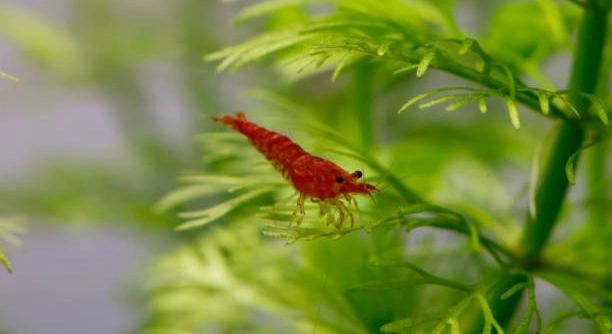
Shrimp are delicate creatures that can show stress in subtle ways. Many shrimp owners may not realize that simple changes in their environment or care routines can affect their well-being over time. Understanding these factors is important.
Several common factors can stress shrimp, including poor water quality, sudden temperature changes, improper diet, overcrowding, strong currents, inadequate hiding spaces, and frequent handling. These conditions can compromise shrimp health and lead to visible signs of stress or illness.
Recognizing these stressors can help you maintain a healthier and happier aquarium environment for your shrimp. Small adjustments often make a noticeable difference in their daily behavior.
Poor Water Quality
Shrimp are extremely sensitive to the water they live in. Even minor changes in pH, ammonia, nitrite, or nitrate levels can cause stress. I learned this when a few of my shrimp became lethargic after adding new decorations to the tank. Testing the water regularly is essential. Avoid using tap water without proper treatment, and keep an eye on filtration. Overfeeding can also worsen water quality quickly, leading to cloudy water and spikes in harmful chemicals. Small, frequent water changes help maintain stability. Temperature fluctuations can combine with poor water conditions, making shrimp more vulnerable to disease. Observing shrimp behavior, like hiding or reduced activity, often signals water problems. Balancing all these factors can feel overwhelming at first, but consistent care and observation make a huge difference. Healthy water encourages active shrimp that display natural colors and behaviors, while neglected water can quickly lead to stress and illness, even in a well-maintained tank.
Regular testing and careful maintenance of water parameters prevent stress and promote shrimp health, ensuring they remain active and vibrant in their environment.
When water conditions are stable, shrimp are much more relaxed and active. They explore the tank confidently, molt properly, and show natural coloring. Even minor changes can disrupt this balance, but with consistent monitoring and small adjustments, it becomes easier to maintain a calm, healthy habitat where shrimp thrive daily.
Sudden Temperature Changes
Shrimp can react badly to even slight changes in water temperature. Sudden drops or spikes often lead to hiding, reduced feeding, or molting issues. My first experience with this was when the heater malfunctioned overnight, and several shrimp became inactive.
Temperature fluctuations affect shrimp metabolism and immune systems, making them more susceptible to stress and disease. Stable temperatures help maintain normal activity and growth. Using a reliable heater and thermometer is crucial, and avoiding placing the tank near windows or vents prevents rapid changes. If adding new water, ensure it matches the tank’s temperature to avoid shocking the shrimp. Even seasonal temperature shifts can impact them, so adjusting gradually is better than sudden corrections. Shrimp are ectothermic, meaning their body temperature depends on their environment, so they cannot adapt quickly to abrupt changes. Maintaining consistency in temperature supports regular feeding, proper molting, and overall well-being. By paying attention to this factor, you can reduce stress and create a more secure, comfortable habitat that encourages natural behavior and bright colors.
Overcrowding
Shrimp need space to move, hide, and feed properly. Too many shrimp in a small tank can cause stress, aggression, and slower growth. I noticed my shrimp became more skittish and less active when the tank got crowded.
Overcrowding increases competition for food and hiding spots. When shrimp feel crowded, they may stop eating or hide constantly, which affects their growth and health. It can also lead to water quality issues, as more waste accumulates faster than filtration can handle. Shrimp may molt less successfully, leaving them vulnerable to injury or infection. Providing enough space ensures they have access to food, proper shelter, and calm swimming areas. Even if the tank looks full, adding extra decorations or plants doesn’t replace the need for adequate space per shrimp. Monitoring the population and moving excess shrimp to another tank can prevent chronic stress and improve overall tank health.
I learned that spacing out shrimp carefully makes a noticeable difference. They become more active, interact naturally, and molt without issues. Overcrowded tanks often hide subtle stress signals until serious problems arise, so managing numbers is a key step in keeping them healthy.
Strong Currents
Shrimp prefer gentle water movement. Strong currents can tire them out, disrupt feeding, and make hiding difficult. In my experience, adding a high-powered filter without adjusting flow stressed the shrimp immediately.
Strong currents can prevent shrimp from reaching food or resting comfortably. Constant swimming against a forceful flow drains energy, making shrimp more prone to molting problems or disease. Providing areas with calm water, like plants or rocks, helps them find refuge and reduces stress. Even small adjustments to filter flow or placement can create a balanced environment. Shrimp will actively choose calmer zones if given the option. Currents are necessary for oxygenation, but too much flow creates an unsafe and uncomfortable habitat. Observing their behavior shows if adjustments are needed, as stressed shrimp tend to cling to surfaces or stay hidden. Balancing flow allows natural behaviors like grazing and exploring, leading to a healthier, more active colony.
Inadequate Hiding Spaces
Shrimp need places to hide, especially during molting. Without sufficient cover, they feel exposed and stressed. I noticed my shrimp stayed under decorations constantly when there weren’t enough plants or shelters available.
Hiding spaces reduce stress and protect vulnerable shrimp. Moss, rocks, and small caves give them security. Lack of cover can lead to molting failures or aggressive behavior from tank mates.
Improper Diet
Feeding shrimp the wrong food or irregularly can harm their health. I once overfed mine with flakes, and they became sluggish and less active.
A balanced diet is essential for proper growth, color, and molting. Shrimp require a mix of protein, algae, and plant matter. Supplements like calcium support exoskeleton development. Feeding small amounts multiple times a week works better than one large feeding. Poor nutrition can weaken immunity, making shrimp more vulnerable to stress and disease. Observing eating behavior helps adjust portions and type of food. Overfeeding also affects water quality, adding another stress factor. A proper diet keeps shrimp active, colorful, and resilient in their environment.
Frequent Handling
Handling shrimp too often can cause stress and injury. Even careful transfers can shock them and disturb their environment.
How can I tell if my shrimp are stressed?
Shrimp show stress in several ways. They may hide constantly, lose color, or stop eating. Some may molt irregularly or appear lethargic. In my tank, I noticed shrimp staying at the bottom for long periods, which usually meant something in their environment was off. Watching behavior daily helps identify subtle signs before problems worsen.
What water parameters are best for shrimp?
Most freshwater shrimp thrive in stable water conditions. Temperature should generally stay between 72°F and 78°F, pH around 6.5–7.5, and ammonia and nitrite must be zero. Nitrate should be kept below 20 ppm. Regular testing and small, consistent water changes prevent sudden swings. I once ignored nitrate levels, and a few shrimp became inactive within days. Proper filtration and avoiding chemicals in tap water are also important. Stable water supports feeding, molting, and normal activity, reducing stress significantly.
How often should I feed my shrimp?
Shrimp do best with small, frequent feedings. Overfeeding can foul water, while underfeeding reduces growth and color vibrancy. I feed my shrimp a mix of algae wafers, blanched vegetables, and occasional protein supplements three times a week. Leftover food should be removed within a few hours to prevent decay and ammonia spikes. Observing how quickly they eat helps adjust portions. Feeding on a consistent schedule builds predictable behavior and reduces stress, while random or excessive feeding can make shrimp nervous or lethargic.
Can tank decorations affect shrimp stress?
Yes, decorations and plants play a big role in shrimp comfort. Rocks, moss, and hiding spaces reduce stress during molting and when they feel threatened. I noticed my shrimp spent more time out in the open after I added extra plants. Overcrowding with decorations isn’t helpful, but a few well-placed shelters give them security. Plants also help stabilize water quality by absorbing nitrates and offering surfaces for biofilm. Open swimming areas combined with hiding spots create a balanced environment that encourages natural behaviors without constant stress.
Is it okay to keep different shrimp species together?
Mixing species can be tricky. Some shrimp are more aggressive or faster eaters, which can stress slower, smaller shrimp. I learned this when I added a new species and noticed my original shrimp hiding more and eating less. Compatibility depends on size, temperament, and water requirements. Even if water parameters are similar, social dynamics matter. Monitoring interactions and providing plenty of hiding spaces helps reduce conflicts. Sometimes separating species into different tanks is the simplest way to ensure all shrimp remain active, healthy, and stress-free.
How important is tank maintenance for shrimp?
Maintenance is crucial. Neglecting water changes, filter cleaning, or substrate care can lead to stress and disease. I experienced shrimp losing color and becoming inactive when I skipped regular water checks. Even minor changes in ammonia or nitrite levels can affect shrimp quickly. Weekly small water changes, gentle cleaning, and filter monitoring prevent spikes in toxins. Consistent upkeep keeps the tank stable, supports proper feeding and molting, and reduces stress. Maintenance doesn’t have to be complicated but must be regular to keep shrimp healthy and active.
Can light levels affect shrimp stress?
Yes, too much bright light can make shrimp hide constantly, while too little limits their activity. I adjusted my lighting schedule to mimic natural day-night cycles, and shrimp became more active. Plants help diffuse light and offer shaded areas, giving shrimp choice. Balanced lighting supports natural behavior, healthy biofilm growth, and stress reduction. Avoid direct sunlight and overly strong artificial lighting, as these can quickly increase temperature and algae growth, further stressing shrimp. Observing behavior under different lighting helps find the right balance for a calm, healthy tank.
Do shrimp get stressed from tank mates?
Tank mates can cause stress if they are aggressive or compete for food. Fish that chase or nip shrimp make them hide constantly. I had a small cichlid in my shrimp tank, and most shrimp stayed in shelters all day. Peaceful, slow-moving tank mates or a species-only tank is safer. Even non-aggressive fish can compete for food, so extra feeding and hiding spots are necessary. Watching shrimp behavior is key to spotting stress caused by tank mates before it impacts health or molting.
Taking care of shrimp requires attention to small details that might not seem important at first. Things like water quality, tank space, temperature, and hiding places can have a big impact on their well-being. I’ve noticed that when these factors are managed carefully, shrimp are more active, colorful, and healthier overall. Even tiny mistakes, like adding too many shrimp or skipping a water test, can cause stress that is not always obvious right away. Observing your shrimp closely each day helps identify subtle changes in behavior before they turn into bigger problems.
Stress in shrimp can show up in many ways, from hiding constantly to losing color or refusing food. It can even affect molting, which is a critical part of their growth. Providing the right environment, including gentle water flow, adequate space, and plenty of hiding spots, helps reduce stress naturally. Feeding a balanced diet also supports their health and keeps them active. I learned that maintaining consistency is key—shrimp respond well to predictable conditions and routines, and sudden changes tend to upset them. By making small adjustments and paying attention to details, it is possible to create a calm and stable tank where shrimp thrive.
Even if your shrimp seem fine, it’s worth reviewing their environment regularly. Water testing, proper filtration, and careful observation go a long way in preventing stress. Over time, these steps become part of a normal routine and help you notice issues before they affect your shrimp’s health. Watching shrimp move around the tank confidently, feeding well, and molting successfully is rewarding and shows that your care is making a difference. A few small efforts can significantly improve their quality of life and create a peaceful, thriving aquarium. With careful attention and consistent care, shrimp can live longer, healthier lives and display their natural beauty without unnecessary stress.

Hello,
If you enjoy the content that we create, please consider saying a "Thank You!" by leaving a tip.
Every little bit helps us continue crafting quality advice that supports the health, happiness, and well-being of pets around the world, for pets of all shapes, sizes, and species.
We really appreciate the kindness and support that you show us!