
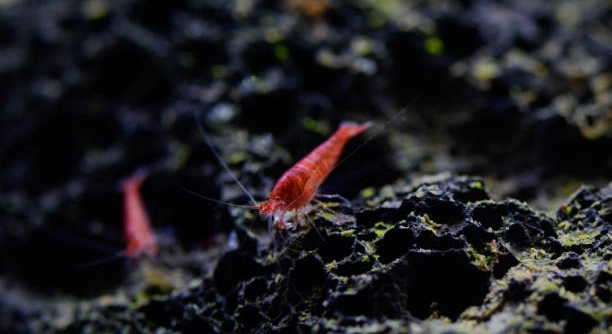
Do you ever notice your cherry shrimp flipping over in the tank and wonder why they do it? These tiny aquatic creatures can display unusual behaviors that often leave their keepers puzzled and intrigued by their actions.
Cherry shrimp flip themselves over primarily due to molting, stress, or water quality issues. Molting allows them to shed their old exoskeleton and grow, while poor water conditions or sudden disturbances can trigger flipping as a survival or reflexive response.
Understanding these behaviors can help maintain a healthy environment and keep your shrimp thriving in their aquatic home.
Understanding Molting in Cherry Shrimp
Molting is a natural process where cherry shrimp shed their old exoskeleton to grow. During this time, they may flip onto their backs or sides as their new shell hardens. This behavior is normal and usually short-lived, but it can be alarming if you are not familiar with it. Proper water conditions, including stable temperature and clean, filtered water, are essential for successful molting. Providing hiding spots like plants or small decorations helps them feel secure while they are vulnerable. Nutrient-rich food with calcium and other minerals supports healthy exoskeleton development. Observing shrimp during molting can teach you about their patterns and needs. Avoid disturbing them, as handling or sudden movements can stress them and prolong the molting process. Recognizing molting behavior early ensures that your shrimp remain healthy and reduces the risk of injury or incomplete molting, which can lead to health issues or even death.
Molting is mostly harmless when the environment is suitable and they have proper nutrition and hiding spaces.
Being aware of molting signs allows you to support shrimp health effectively. Ensuring clean water, balanced food, and minimal stress contributes to smoother molts and stronger growth over time.
Stress and Environmental Factors
Flipping can also be a response to stress from sudden changes in the tank or water parameters.
Stress in cherry shrimp often comes from abrupt temperature shifts, poor water quality, or overcrowding. Even minor disturbances, like moving decorations or frequent tapping on the tank, can cause them to flip. Keeping water parameters stable is crucial; regular testing for pH, ammonia, nitrites, and nitrates helps maintain a safe environment. Overstocked tanks increase competition and stress, so maintaining an appropriate number of shrimp per gallon is important. Observing behavior changes, such as increased flipping or hiding, signals that adjustments are needed. Adding plants, moss, or small shelters reduces stress and provides safe spaces. Feeding a consistent, balanced diet also supports their resilience.
Adjusting tank conditions and reducing disturbances can minimize flipping and stress-related behaviors.
By monitoring water quality and tank population, you can prevent stress-induced flipping. Providing hiding spots and gentle care reduces unnecessary strain, allowing shrimp to behave naturally. Consistent routines and a stable environment foster calm behavior, healthier molts, and overall well-being.
Water Quality Concerns
Poor water quality can cause cherry shrimp to flip as they struggle to cope with unsafe conditions. High ammonia, nitrites, or incorrect pH levels stress them, triggering unusual behaviors like flipping or hiding more than usual.
Maintaining clean, stable water is essential for shrimp health. Frequent water changes, proper filtration, and monitoring of ammonia, nitrite, nitrate, and pH levels can prevent stress behaviors. Even small imbalances can lead to flipping, lethargy, or weakened immunity. Adding live plants can help stabilize water chemistry and provide natural shelter. Observing shrimp reactions after adjustments allows you to gauge the effectiveness of changes. A well-maintained tank promotes calm behavior, smoother molting, and overall vitality in your shrimp population, ensuring they thrive in their habitat.
Some water conditions, like sudden temperature changes or poor oxygen levels, also contribute to flipping. Avoid overcrowding, and make gradual adjustments when necessary.
Diet and Nutrition
A balanced diet helps maintain strong exoskeletons and reduces stress-related flipping. Shrimp require proteins, minerals, and calcium for proper growth and molting.
Feeding a varied diet of high-quality pellets, blanched vegetables, and occasional protein supplements supports shrimp health. Deficiencies can lead to weak shells, incomplete molts, or abnormal behaviors like flipping. Calcium-rich foods, such as cuttlebone or specialized shrimp supplements, strengthen exoskeletons, while vegetables provide essential vitamins. Consistent feeding schedules prevent competition and reduce stress in the tank. Observing shrimp during feeding can also indicate health issues, as lethargic or non-eating individuals may need extra attention. Proper nutrition ensures they remain active, healthy, and less likely to exhibit stress-related behaviors.
Adjusting diet and providing supplements can prevent flipping caused by nutritional deficiencies. Monitoring eating habits helps identify issues early, ensuring shrimp remain healthy and molting occurs safely.
Tank Setup and Space
Limited space or poor tank setup can make cherry shrimp flip as they adjust to their environment. Providing adequate room and hiding spots reduces stress and supports natural behavior.
Plants, moss, and small decorations offer safe areas for shrimp to rest and molt. Overcrowding increases competition and can lead to flipping or erratic swimming, so keeping an appropriate number per gallon is crucial. Proper substrate and gentle filtration also help maintain stability, allowing shrimp to feel secure. A well-planned tank setup encourages calm, healthy behavior and reduces unnecessary stress-related flipping, promoting overall shrimp well-being.
Observing Behavior Patterns
Tracking when and how often shrimp flip helps identify underlying causes. Noting patterns related to molting, feeding, or tank changes can guide adjustments. Observations allow you to respond before small issues become serious.
Handling and Human Interaction
Excessive handling or tapping on the tank can startle shrimp, causing them to flip. Gentle observation is better than frequent interaction.
Health Issues
Flipping can sometimes signal health problems, including infections or parasites. Prompt identification and treatment are essential to prevent worsening conditions.
FAQ
Why do cherry shrimp flip over while swimming?
Cherry shrimp may flip while swimming due to molting, stress, or sudden changes in water conditions. During molting, their exoskeleton softens, making them more prone to flipping. Stress from overcrowding, temperature shifts, or poor water quality can also trigger reflexive flipping. Observing these behaviors helps identify the underlying cause.
Is flipping a sign of illness?
Not always. Flipping is often normal during molting or minor stress. However, consistent flipping accompanied by lethargy, discoloration, or loss of appetite could indicate health issues, such as bacterial infections or parasites. Monitoring water quality and nutrition is essential to rule out illness.
How can I reduce flipping caused by stress?
Stable water parameters, adequate hiding spots, and minimal disturbances help lower stress levels. Avoid tapping the tank, sudden movements, or frequent rearranging of decorations. Ensuring the correct number of shrimp per tank and a balanced diet also promotes calm behavior and reduces unnecessary flipping.
Does diet affect flipping behavior?
Yes. Poor nutrition can weaken the exoskeleton, making shrimp more prone to flipping during molting. Providing calcium-rich foods, high-quality shrimp pellets, and fresh vegetables supports shell strength. Nutritional deficiencies can also cause lethargy and abnormal behaviors, so consistent feeding routines are important.
Can tank setup contribute to flipping?
Absolutely. Overcrowded tanks or a lack of hiding spaces increase stress, causing flipping. Proper substrate, plants, moss, and decorations give shrimp secure areas to rest and molt. Gentle filtration and stable water conditions are also critical for reducing stress-related behavior.
Should I intervene when a shrimp flips?
Only if you notice signs of distress or incomplete molting. Most flipping is natural and temporary. Avoid handling shrimp during molting, as this can cause injury. Focus on maintaining clean water, proper nutrition, and stable tank conditions rather than direct intervention.
What water parameters are ideal to prevent flipping?
Cherry shrimp thrive in slightly acidic to neutral pH (6.5–7.5), stable temperature (72–78°F), low ammonia, nitrite-free water, and low nitrate levels. Regular testing, water changes, and gentle filtration ensure stable conditions. Sudden changes in these parameters can trigger stress-related flipping.
How often should I monitor shrimp behavior?
Daily observation is ideal. Watching how shrimp interact with their environment, molt, or feed allows early detection of stress, illness, or water issues. Consistent monitoring helps prevent long-term problems and keeps shrimp healthy and active.
Do shrimp flip more during molting than other times?
Yes. Molting is the most common cause of flipping. As their new exoskeleton hardens, shrimp may lie on their backs or sides. Providing hiding spots and avoiding disturbances during this period ensures safer molting and reduces stress-related flipping.
Can flipping be completely prevented?
No, it cannot be entirely prevented because it is sometimes a natural response. However, maintaining proper tank conditions, diet, and low-stress environments can minimize unnecessary flipping and keep shrimp healthy. Regular observation and care are key to understanding and managing this behavior effectively.
How do I know if flipping is dangerous?
Flipping becomes concerning if shrimp remain on their backs for extended periods, fail to molt properly, lose color, or stop eating. These signs indicate stress, injury, or illness. Immediate water quality checks, diet review, and possibly consulting experienced shrimp keepers or a veterinarian are necessary.
Are baby shrimp more prone to flipping?
Yes. Juvenile shrimp have softer exoskeletons and are more sensitive to water changes or stress. They require stable water, safe hiding spaces, and consistent nutrition to minimize flipping and support healthy growth during these vulnerable stages.
Does tank size matter for flipping?
Smaller tanks can increase stress due to limited space and competition, which may lead to more frequent flipping. Providing sufficient space and hiding areas reduces stress and allows shrimp to move freely, contributing to calmer behavior and healthier molting cycles.
Can flipping indicate aggression in the tank?
Indirectly, yes. Overcrowding or competition can stress shrimp, sometimes causing flipping or frantic swimming. Observing interactions between shrimp and adjusting population or tank layout helps reduce aggression-induced flipping and promotes a calmer environment.
Is flipping more common at certain times of the day?
It can be. Many shrimp are more active during feeding or when lights are on. Flipping may occur naturally during these periods, especially around molting or after disturbances, and is usually not a cause for concern if water quality and nutrition are stable.
Does tank decoration affect flipping?
Yes. Smooth surfaces, plants, and moss provide safe resting areas, while lack of cover or sharp edges can cause accidental flips. Arranging the tank thoughtfully ensures shrimp have secure spaces to rest, molt, and reduce stress-related flipping.
How long does a typical flipping episode last?
Usually a few minutes during molting or minor disturbances. If a shrimp remains on its back longer than 30–60 minutes, it may indicate molting difficulties, water issues, or health concerns. Quick intervention through environmental adjustments can prevent further problems.
Are there specific signs to watch for besides flipping?
Yes. Look for lethargy, color changes, loss of appetite, or abnormal swimming. These may indicate stress, poor water conditions, or illness. Observing behavior holistically helps identify causes of flipping and supports timely care for your shrimp population.
Can other tank inhabitants influence flipping?
Yes. Fish, snails, or larger shrimp may stress smaller cherry shrimp, leading to flipping. Careful selection of tank mates and providing hiding spots reduces stress, allowing shrimp to behave naturally and molting to occur safely.
Is flipping ever fatal?
Rarely. Most flipping is temporary and harmless. However, if it persists due to poor water conditions, malnutrition, or illness, it can contribute to weakened health or molting failure, which may be fatal. Immediate care and environmental improvements are critical to prevent serious outcomes.
How can I document flipping patterns?
Keep a simple log noting dates, times, tank conditions, and shrimp behavior. This helps identify triggers and assess whether changes in water, diet, or tank setup improve the situation. Tracking patterns supports proactive care and better understanding of shrimp behavior.
Does water flow impact flipping?
Yes. Strong currents can disorient shrimp, causing flipping. Gentle filtration and moderate water movement create a safer environment, allowing shrimp to move naturally without excessive flipping.
Are there seasonal differences in flipping behavior?
Some shrimp may flip more in warmer months due to faster metabolism and molting frequency. Seasonal changes in water temperature or feeding patterns can influence activity levels and stress, so monitoring is helpful year-round.
Can flipping behavior indicate reproduction readiness?
Sometimes. Active, flipping shrimp may be preparing to molt before mating. Observing behavior alongside water quality and diet ensures that reproductive activity occurs in a healthy and safe environment.
How long does it take for shrimp to recover after flipping?
Most shrimp recover within minutes to hours after a normal flipping episode, especially if water quality and diet are good. Extended flipping or repeated incidents may require environmental adjustments or additional care.
What are common mistakes that increase flipping?
Overcrowding, sudden water changes, poor diet, lack of hiding spaces, and frequent disturbances are common triggers. Preventing these mistakes promotes calmer behavior, smoother molts, and overall shrimp health.
Can supplements reduce flipping?
Yes. Calcium and mineral supplements support exoskeleton strength, reducing flipping during molting. A balanced diet with appropriate supplements improves resilience and prevents stress-related behaviors.
Should I separate flipping shrimp from others?
Only if a shrimp shows signs of injury, illness, or repeated molting failure. Otherwise, interference can cause more stress. Providing hiding spots is usually sufficient for their safety.
Does tank lighting affect flipping?
Bright or inconsistent lighting can stress shrimp, leading to flipping. Maintaining a stable light cycle and avoiding direct, harsh light helps reduce stress-induced behavior.
Is flipping more common in new tanks?
Yes. Newly established tanks can have unstable water parameters, making shrimp more prone to stress and flipping. Gradual acclimation, water testing, and stable conditions reduce these incidents.
Can stress flipping be reversed quickly?
Yes, by improving water quality, reducing disturbances, providing hiding spots, and ensuring proper nutrition. Immediate environmental adjustments often result in calmer behavior and reduced flipping frequency.
Does age affect flipping frequency?
Juvenile shrimp flip more often due to soft exoskeletons and higher sensitivity to stress. Older shrimp are generally more stable but may flip during molting or if water conditions decline.
Can I predict flipping before it happens?
Partially. Observing molting cycles, feeding patterns, water changes, and tank disturbances helps anticipate flipping episodes. Predicting allows preventive measures, such as providing hiding spots and minimizing stress.
Are some cherry shrimp more prone to flipping than others?
Individual variation exists. Some shrimp are naturally more active or sensitive, while others remain calm. Proper care reduces excessive flipping regardless of personality differences.
What long-term effects can frequent flipping have?
Repeated flipping due to stress, poor water quality, or malnutrition can weaken shrimp, interfere with molting, and increase susceptibility to disease. Maintaining stable conditions is essential for long-term health and reduced stress behavior.
How can I combine all preventive measures effectively?
Ensure stable water parameters, proper diet, sufficient space, hiding spots, gentle handling, and careful observation. Monitoring shrimp behavior regularly allows for early intervention, promoting healthier, calmer shrimp and minimizing flipping episodes.
Is flipping behavior the same across all freshwater shrimp species?
No. Behavior varies between species. Cherry shrimp are prone to flipping during molting or stress, while other species may have different responses to similar conditions. Understanding species-specific needs ensures proper care and reduces unnecessary stress.
How do I know if my interventions are working?
Monitor shrimp behavior after changes. Reduced flipping, normal swimming, healthy molts, and active feeding indicate successful adjustments. Keeping records helps track improvements over time and ensures long-term well-being.
Can temperature fluctuations alone cause flipping?
Yes. Sudden increases or decreases in temperature can stress shrimp, causing flipping. Maintaining a stable, appropriate temperature range minimizes stress and supports natural behavior.
Are there signs that flipping is seasonal or cyclical?
Flipping may increase during periods of frequent molting, temperature changes, or feeding adjustments. Observing these patterns helps identify natural cycles versus stress-related issues.
Is flipping influenced by tank mates?
Yes. Aggressive or fast-moving tank mates can stress cherry shrimp, causing flipping. Choosing compatible species and providing ample hiding spots reduces stress-related flipping.
What role does substrate play in flipping behavior?
Soft or uneven substrate allows shrimp to rest safely, while rough surfaces may contribute to accidental flipping. Choosing a suitable substrate helps minimize stress and supports natural behavior.
Can flipping indicate dehydration or water imbalance?
Indirectly. Poor water conditions, including low oxygen or inappropriate pH, can cause stress flipping. Ensuring balanced water chemistry prevents these issues and supports healthy shrimp activity.
Is flipping more noticeable in small tanks?
Yes. Limited space amplifies visibility of flipping and increases stress risks. Adequate tank size and hiding areas help shrimp feel secure and reduce flipping episodes.
Can flipping ever be completely ignored?
Occasional flipping during molting or minor disturbances can be ignored, as it is typically harmless. Persistent flipping, prolonged upside-down behavior, or other stress signs require attention and environmental adjustments.
Does feeding frequency affect flipping?
Yes. Inconsistent feeding can stress shrimp, while regular, balanced meals promote calm behavior. Avoid overfeeding, which can affect water quality and trigger flipping.
Can adding plants reduce flipping?
Yes. Plants provide hiding spaces, stabilize water chemistry, and reduce stress. Well-planted tanks encourage natural shrimp behavior and minimize unnecessary flipping.
How do I distinguish normal flipping from problematic flipping?
Normal flipping is brief, occurs around molting, and shrimp recover quickly. Problematic flipping is prolonged, frequent, or paired with signs of illness, stress, or poor water conditions, indicating intervention is needed.
Is flipping linked to reproductive behavior?
Flipping can occur before or after molting, which may precede mating. Healthy water, diet, and tank conditions support safe reproductive cycles without unnecessary stress.
Can flipping behavior teach me about shrimp health?
Yes. Observing frequency, timing, and context of flipping provides insights into water quality, nutrition, molting, and stress levels, helping maintain healthy shrimp over time.
Do seasonal water changes affect flipping?
Yes. Large or sudden water changes can stress shrimp. Gradual adjustments help maintain stability and reduce flipping episodes.
Does flipping frequency change with shrimp population density?
Higher density increases stress and competition, leading to more frequent flipping. Maintaining optimal population per tank reduces stress and promotes calmer behavior.
Can flipping indicate poor filtration?
Yes. Strong currents or inadequate filtration can cause stress, leading to flipping. Gentle, consistent filtration supports calm movement and overall health.
Is flipping behavior hereditary?
Not directly. Individual sensitivity may vary, but flipping is primarily influenced by environmental factors, molting, and stress rather than genetics.
Can flipping be a sign of aging in shrimp?
Occasionally. Older shrimp may flip more during molting or if water conditions decline, but healthy care minimizes age-related flipping.
How long should I wait before intervening?
Observe for 30–60 minutes during molting or minor stress. Prolonged flipping, signs of illness, or repeated stress warrants immediate adjustments in care and environment.
Are some shrimp species calmer than others?
Yes. Cherry shrimp tend to flip during molting or stress, while other species may be less sensitive. Species-specific care reduces unnecessary stress.
Does tank location affect flipping?
Yes. Frequent vibrations, sunlight, or disturbances from nearby activity can stress shrimp. Placing tanks in stable, quiet areas minimizes flipping.
How can I combine monitoring and care routines?
Daily observation, consistent feeding, water testing, gentle handling, and maintaining hiding spots together support calm, healthy shrimp and reduce unnecessary flipping.
Can flipping behavior indicate water contamination?
Yes. Chemicals, cleaning agents, or uncycled tanks can stress shrimp, causing flipping. Ensuring a clean, stable, and chemical-free environment is essential.
Is flipping more frequent in young or newly molted shrimp?
Yes. Soft exoskeletons make them vulnerable. Hiding spots and stable water conditions reduce flipping and support healthy recovery.
Can flipping be used to predict tank problems?
Yes. Sudden or frequent flipping often signals water quality issues, overcrowding, or stress. Monitoring behavior helps detect problems early.
Does substrate texture influence flipping frequency?
Smooth or soft substrate reduces accidental flips, while rough or uneven surfaces may increase stress or flipping. Choosing appropriate substrate is important for safe movement.
Can flipping behavior ever become habitual?
If caused by chronic stress or poor conditions, shrimp may develop repetitive flipping. Addressing underlying issues usually stops habitual behavior.
How does tank lighting schedule influence flipping?
Stable light cycles reduce stress-induced flipping. Sudden or harsh lighting can startle shrimp and trigger flipping episodes.
Are there any behavioral signs that predict flipping?
Restlessness, rapid swimming, or increased hiding often precede flipping. Observing these signals allows preventive adjustments.
Can flipping cause long-term injury?
Frequent flipping on rough surfaces or during weak molting can cause damage. Ensuring hiding spots, proper diet, and stable water prevents injury.
Does flipping indicate molting difficulties?
Yes. Difficulty flipping back after lying on the side or back may suggest incomplete molting or weak exoskeletons. Proper care ensures safe molts.
How can I encourage safer molting?
Provide hiding spots, stable water, and calcium-rich foods. Avoid disturbances and overcrowding to reduce flipping and stress during molting.
Can flipping behavior indicate oxygen deficiency?
Indirectly. Low oxygen causes stress and erratic movement, including flipping. Proper aeration and filtration prevent these issues.
Does tank cover affect flipping frequency?
Covers help maintain stable water conditions and reduce disturbances, indirectly lowering stress-induced flipping.
Can flipping be a sign of dehydration in shrimp?
Not directly, but poor water conditions that stress shrimp can result in flipping. Maintaining stable water parameters prevents stress.
Is flipping common in both male and female cherry shrimp?
Yes. Both sexes exhibit flipping during molting or stress, though individual sensitivity may vary.
Do seasonal feeding changes affect flipping?
Yes. Increased activity during feeding or changes in diet may temporarily increase flipping. Consistent routines help minimize stress.
How does tank maintenance impact flipping?
Neglecting water changes, cleaning, or parameter monitoring increases stress, leading to more frequent flipping. Regular maintenance supports calm, healthy shrimp behavior.
Can flipping behavior indicate social stress?
Yes. Aggression, overcrowding, or competition can cause flipping. Observing social dynamics and adjusting population density reduces stress-related flipping.
Are juvenile shrimp more likely to flip than adults?
Yes. Softer exoskeletons and higher sensitivity make juveniles more prone to flipping, requiring extra care and hiding spaces.
Does temperature stability reduce flipping?
Yes. Consistent temperature reduces stress, molting complications, and stress-induced flipping, promoting healthier behavior overall.
Can flipping be influenced by nearby vibrations or noise?
Yes. Vibrations from household activity or tapping can startle shrimp. Placing tanks in stable, quiet areas reduces flipping.
Does water hardness affect flipping?
Extreme hardness or softness can stress shrimp, contributing to flipping. Maintaining suitable GH and KH levels supports health and stability.
Are there any long-term effects of repeated flipping?
Repeated flipping due to stress, poor water, or nutrition can weaken shrimp, slow growth, and increase susceptibility to illness. Stable care prevents long-term problems.
Can flipping be prevented entirely?
No. Some flipping is natural, especially during molting or minor stress. Proper care reduces unnecessary flipping but does not eliminate it completely.
Does flipping behavior provide insight into tank health?
Yes. Frequency and context of flipping reflect water quality, nutrition, population density, and stress, offering valuable feedback for maintaining a healthy tank environment.
Can flipping be a result of sudden lighting changes?
Yes. Abrupt lighting shifts can startle shrimp, triggering flipping. Stable light cycles help minimize these stress-induced responses.
Are there signs that flipping is molting-related versus stress-related?
Molting-related flipping is brief, usually coinciding with visible exoskeleton shedding. Stress-related flipping is often longer, repeated, or paired with hiding, lethargy, or abnormal swimming.
Can flipping be reduced by adjusting water parameters gradually?
Yes. Sudden changes cause stress, while gradual adjustments allow shrimp to adapt, minimizing flipping episodes and supporting overall health.
Does tank filtration style affect flipping frequency?
Strong currents from certain filters may stress shrimp. Gentle, well-placed filtration maintains water quality without inducing flipping behavior.
**Can flipping behavior
Cherry shrimp flipping over can be surprising at first, but it is often a normal behavior that occurs for several reasons. The most common cause is molting, during which shrimp shed their old exoskeleton to grow. This process leaves them temporarily vulnerable, and flipping is a natural part of their movement while their new shell hardens. Minor stress from changes in water conditions, sudden movements, or overcrowding can also cause flipping, but these are usually short-lived. Observing your shrimp carefully over time can help distinguish between normal behavior and potential issues. By paying attention to their environment and routines, you can ensure that flipping remains a safe and harmless part of their life.
Maintaining proper tank conditions is essential for reducing unnecessary flipping and supporting overall shrimp health. Stable water parameters, including consistent temperature, pH, and low levels of ammonia, nitrites, and nitrates, help shrimp feel secure in their environment. Providing hiding spots, such as plants, moss, or small decorations, gives them places to rest and molt without stress. Feeding a balanced diet that includes calcium and minerals strengthens their exoskeleton and reduces the risk of injury during flipping. Regular observation and maintenance, such as gentle water changes and monitoring for signs of stress, allow you to catch potential problems early. These small steps create a stable and supportive environment that encourages natural behaviors without unnecessary risk.
Understanding why cherry shrimp flip also helps in creating a healthier, more balanced tank. Recognizing that flipping is often linked to molting, stress, or minor environmental issues allows you to respond appropriately without unnecessary worry. Some flipping is natural and cannot be fully prevented, but minimizing stress through proper care can make a significant difference in shrimp behavior and overall well-being. Over time, you will become familiar with your shrimp’s normal patterns and can identify any deviations that may indicate health or environmental concerns. By combining observation, proper nutrition, and consistent tank care, you support both the physical and behavioral health of your shrimp, helping them thrive in a calm and stable aquatic home.

Hello,
If you enjoy the content that we create, please consider saying a "Thank You!" by leaving a tip.
Every little bit helps us continue crafting quality advice that supports the health, happiness, and well-being of pets around the world, for pets of all shapes, sizes, and species.
We really appreciate the kindness and support that you show us!