
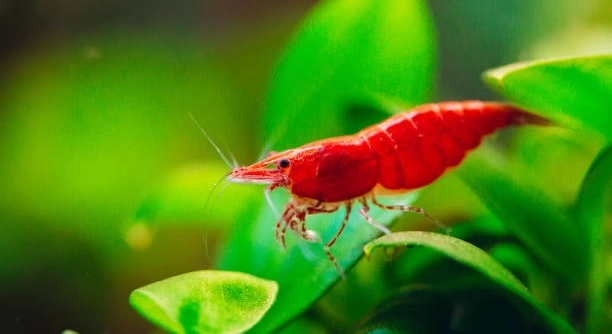
Have you ever set up a cherry shrimp tank and noticed some decorations might make a difference? Driftwood is one of those items that can change the look and feel of your aquarium. It often attracts attention.
Cherry shrimp generally benefit from having driftwood in their tanks. Driftwood provides surfaces for biofilm growth, which serves as a food source, while also offering hiding spaces that reduce stress and improve shrimp well-being.
Adding driftwood is a simple step that can improve both the health and activity of your shrimp in subtle ways.
Why Cherry Shrimp Appreciate Driftwood
Driftwood adds more than decoration to a shrimp tank. It naturally releases tannins, which can slightly lower pH levels, creating an environment closer to the shrimp’s preferred conditions. The textured surface encourages algae and biofilm growth, which cherry shrimp feed on. Shrimp often explore every nook and cranny, picking at surfaces for hidden morsels. The crevices also provide shelter for baby shrimp, helping them avoid predators or overly aggressive tank mates. Over time, driftwood can also help stabilize water chemistry by slowly releasing minerals that are beneficial for shrimp health. Many tank owners notice that shrimp are more active around driftwood, grazing consistently and using it as a resting or hiding area. Choosing driftwood with smooth edges ensures safety, preventing shrimp from getting injured. Regular cleaning or soaking before adding it to the tank prevents unwanted contaminants from harming the shrimp, keeping the aquarium safe and comfortable. Driftwood is a simple addition with multiple benefits for your tank.
Driftwood serves both a practical and decorative role, enhancing water quality while offering shrimp places to explore.
When selecting driftwood, size and type matter. Smaller pieces fit better in nano tanks, while larger pieces suit bigger aquariums. Hardwoods like Malaysian driftwood last longer, resist decay, and maintain shape, whereas softer woods may break down quickly. Proper preparation is key—soaking or boiling removes tannins and prevents cloudiness. Placement is another consideration; arranging driftwood near plants can create natural hiding spots and grazing areas. Observing shrimp behavior after adding driftwood helps determine the best configuration. They tend to cluster around surfaces with biofilm, so adding multiple pieces can encourage activity throughout the tank. Combining driftwood with moss or other plants increases grazing options and makes the aquarium visually appealing. Over time, the wood may change color slightly, giving the tank a more natural appearance. By understanding how shrimp interact with driftwood, you can create a stable, healthy environment that supports both growth and behavior.
How to Introduce Driftwood Safely
Start with smaller pieces and observe shrimp reactions closely.
Before placing driftwood in the tank, it should be properly cleaned and prepared. Boiling or soaking removes debris and reduces tannin release that could overly darken water. Inspect each piece for sharp edges or cracks that could harm delicate shrimp. Slowly introducing driftwood prevents sudden changes in water chemistry, which can stress shrimp. Position pieces where shrimp can easily reach biofilm but also retreat when they feel vulnerable. Mixing driftwood with plants or rocks provides additional structure and grazing options, improving tank activity. Monitoring water parameters for a week after addition ensures stability. By taking these steps, driftwood becomes a safe and beneficial part of the aquarium ecosystem, supporting both health and behavior.
Proper driftwood care ensures shrimp can graze safely and explore without risk of injury or water instability. Over time, driftwood also becomes a natural part of the tank, supporting growth and improving overall shrimp behavior. It helps maintain a balanced environment, encourages feeding, and offers hiding spots, especially for baby shrimp. The combination of wood and plants enhances tank aesthetics and creates areas for consistent grazing. Observing shrimp interactions with driftwood helps identify preferred surfaces and locations. Selecting durable woods and regularly checking water quality ensures the tank remains healthy. Driftwood slowly changes over months, softening edges and promoting biofilm growth. This change naturally encourages shrimp to explore more surfaces, increasing activity and reducing stress. Strategic placement, combined with regular cleaning and monitoring, ensures driftwood continues providing long-term benefits. Proper introduction and maintenance turn driftwood into a functional, attractive feature that positively impacts shrimp well-being and overall aquarium balance.
Driftwood Placement Tips
Position driftwood where shrimp can access it easily for grazing. Avoid overcrowding the tank, as open swimming space is also important for activity.
Placing driftwood near plants or moss creates natural hiding spots while encouraging biofilm growth. Keep it stable to prevent tipping, which could trap or injure shrimp. Observing how shrimp interact with the wood helps determine the best spots. Using multiple smaller pieces rather than one large one allows shrimp to explore and graze without feeling confined. Adjusting placement gradually prevents sudden changes in water chemistry or flow patterns. Driftwood near low-light areas can also provide a quiet space for shy shrimp. Combining driftwood with other decorations increases environmental enrichment and promotes natural behavior. Proper placement supports feeding, safety, and overall shrimp activity.
Be mindful of water flow around driftwood. It should not block filtration or create stagnant zones.
Driftwood can affect water parameters, especially tannin release, which may slightly lower pH. Position pieces so they do not disrupt filtration or water circulation. Ensuring water moves around the wood prevents debris buildup and reduces the risk of mold or algae overgrowth. Monitoring water flow also ensures that shrimp have consistent access to fresh biofilm and grazing surfaces. Proper driftwood placement balances aesthetics, water stability, and shrimp health, creating an environment where shrimp can feed and hide naturally. Regular observation allows adjustments to maintain tank harmony.
Choosing the Right Type of Driftwood
Select driftwood that is safe, durable, and suitable for your tank size. Avoid soft woods that decay quickly.
Hardwoods like Malaysian driftwood or Mopani last longer and resist breaking down, which reduces maintenance and keeps water stable. Soft woods may release excessive tannins or decompose, impacting water quality and stressing shrimp. The texture matters as well; rough surfaces promote biofilm growth, giving shrimp more grazing opportunities. Size should match the tank: small pieces for nano tanks, larger pieces for bigger aquariums. Consider the shape and natural crevices, which provide hiding spaces and resting areas for shrimp. Pre-treating driftwood by soaking or boiling removes impurities and reduces cloudiness. Selecting the right type of driftwood ensures safety, longevity, and better shrimp interaction, enhancing both tank function and appearance.
Driftwood choice also impacts the tank’s look and shrimp behavior. Lighter woods may leach more tannins initially, creating a tea-colored effect, which is generally safe. Dark, dense woods release fewer tannins and last longer without major water changes. Selecting pieces with natural grooves encourages grazing and hiding, promoting activity and reducing stress. Observing shrimp behavior on different wood types helps identify preferred textures. Combining multiple wood types can diversify surfaces and habitats, benefiting both adult and baby shrimp. Proper selection balances aesthetics, water quality, and functionality, providing an environment that supports natural behavior and long-term shrimp health.
Benefits of Driftwood for Shrimp Health
Driftwood offers natural surfaces for biofilm growth, a primary food source for cherry shrimp. It also provides hiding spots that reduce stress and improve molting success, supporting overall health in the tank environment.
The slow release of tannins from driftwood can help maintain slightly acidic water, which is ideal for cherry shrimp. This effect encourages natural behavior, supports immune function, and can prevent certain stress-related illnesses.
How Driftwood Supports Baby Shrimp
Driftwood creates sheltered areas where baby shrimp can hide from larger tank mates. These nooks and crevices increase survival rates and reduce stress, giving the young shrimp a better chance to grow and develop safely.
Cleaning and Maintenance Tips
Regularly rinse driftwood to remove debris and prevent excessive algae buildup. Soaking larger pieces occasionally keeps the wood safe for shrimp and maintains stable water conditions.
FAQ
Do cherry shrimp eat driftwood?
Cherry shrimp do not actually eat the wood itself. They feed on the biofilm, algae, and microorganisms that grow on the surface. Driftwood simply provides a natural surface for these food sources to develop, giving shrimp a consistent grazing area throughout the tank.
Can driftwood change water color?
Yes, driftwood naturally releases tannins, which can give the water a tea-like brown tint. This is normal and generally safe for cherry shrimp. Some people may find the color visually strong, but it does not harm the shrimp and can even slightly lower pH to create a more favorable environment.
How often should driftwood be cleaned?
Driftwood should be gently rinsed every few weeks to remove excess debris and prevent thick algae buildup. Avoid harsh scrubbing or chemicals. For larger pieces, occasional soaking in dechlorinated water can help maintain water stability and prevent mold growth without stressing shrimp.
Is all driftwood safe for shrimp tanks?
Not all types are suitable. Hardwoods like Malaysian driftwood or Mopani are preferred because they are durable and release fewer tannins over time. Softwoods, pine, or resin-treated pieces can leach harmful substances or break down too quickly, affecting water quality and shrimp health.
Do shrimp hide in driftwood?
Yes, driftwood provides excellent hiding spots for both adult and baby shrimp. Crevices, grooves, and spaces under or between pieces create safe areas that reduce stress and molting issues. Shrimp often rest or graze near these protected spots.
Can driftwood affect tank pH?
Driftwood can slightly lower pH because of tannin release. For most cherry shrimp tanks, this change is minor and beneficial. However, sudden large additions of driftwood should be monitored, especially in small or delicate setups, to avoid sudden water chemistry shifts.
Should driftwood be boiled before adding it to the tank?
Boiling or soaking driftwood before adding it removes dirt, debris, and excess tannins that may cloud the water. Boiling is preferred for smaller pieces, while soaking is sufficient for larger driftwood. This preparation ensures water clarity and shrimp safety.
How long does driftwood last in a shrimp tank?
Hardwoods can last several years if properly maintained, while softer woods may degrade within months. Regular observation, cleaning, and monitoring of water parameters help extend its lifespan and prevent decay from affecting shrimp health.
Can driftwood encourage algae growth?
Yes, driftwood surfaces encourage biofilm and algae formation, which is beneficial for shrimp grazing. Excessive algae can be controlled by regular maintenance, balanced feeding, and live plants, while still providing a natural food source for your shrimp.
Is driftwood necessary in a shrimp tank?
Driftwood is not strictly required but offers multiple benefits. It improves water quality, provides grazing surfaces, encourages natural behavior, and reduces stress. For anyone aiming to create a natural and supportive environment, driftwood is a simple and effective addition.
Can driftwood move or float in the tank?
Some driftwood may float initially due to trapped air or low density. Securing it with rocks, suction cups, or anchoring in the substrate prevents movement that could disturb shrimp or damage plants. Over time, it usually becomes waterlogged and stays in place naturally.
Do baby shrimp use driftwood differently than adults?
Baby shrimp rely heavily on driftwood for shelter, often staying in tight crevices to avoid larger tank mates. Adults use driftwood for grazing and occasional hiding but are more confident exploring open areas. Providing a variety of driftwood sizes and shapes accommodates all life stages.
Can driftwood affect molting?
Yes, having driftwood in the tank can positively impact molting. The crevices and sheltered areas reduce stress during this vulnerable time, helping shrimp successfully shed old exoskeletons. Open tanks without hiding spots can increase the risk of failed molts.
Should driftwood be combined with plants?
Combining driftwood with live plants creates a more natural and functional environment. Plants attach well to wood, and the combination enhances grazing surfaces, shelter, and aesthetics. Shrimp benefit from the varied textures, hiding spots, and consistent biofilm sources that plants plus driftwood provide.
Can driftwood impact shrimp activity levels?
Yes, driftwood encourages more activity. Shrimp explore, graze, and hide among the wood, leading to healthier behavior. Tanks without structured surfaces may see less active shrimp, as they have fewer safe grazing areas and limited stimulation.
How often should driftwood be replaced?
Driftwood should only be replaced when it begins to decay, break apart, or negatively affect water chemistry. Properly maintained hardwood pieces can last for years, minimizing the need for frequent replacement and keeping the tank stable.
Does driftwood provide minerals for shrimp?
Yes, driftwood slowly releases trace minerals that benefit shrimp health. While not a primary source of nutrition, these minerals support shell strength and overall vitality, complementing regular feeding and water care practices.
Are there visual benefits to driftwood?
Driftwood creates natural-looking landscapes and enhances tank aesthetics. It adds depth, contrast, and structure, making shrimp activity more interesting to observe while providing a balanced, visually appealing environment that mimics natural habitats.
Can driftwood help reduce stress in shrimp?
Yes, having driftwood with hiding spots lowers stress by giving shrimp safe areas to retreat. Reduced stress leads to healthier behavior, better molting, and higher survival rates, especially for baby shrimp or timid adults.
Does driftwood need any special water care?
No special care is required beyond normal tank maintenance. Occasional rinsing, soaking, and monitoring water parameters are sufficient. Over time, driftwood naturally integrates into the aquarium, supporting both shrimp health and water stability without complicated upkeep.
Driftwood is a simple addition that can make a big difference in a cherry shrimp tank. It is more than just decoration; it provides surfaces for biofilm and algae to grow, which are important food sources for shrimp. Having driftwood in the tank gives shrimp a place to graze throughout the day, helping them stay active and healthy. The rough textures and natural grooves also create hiding spaces, which are especially helpful for baby shrimp or shy adults. Shrimp feel safer when they have these protected areas, and this reduces stress, which is important for molting and overall well-being. Even though driftwood may slowly release tannins and slightly change water color, this is generally safe and can help maintain slightly acidic conditions that cherry shrimp prefer.
Choosing the right type of driftwood matters for both aesthetics and shrimp safety. Hardwoods like Malaysian driftwood or Mopani last longer and resist breaking down, making them a better long-term choice. Softer woods or treated pieces may decay too quickly or release harmful substances, affecting water quality and shrimp health. Preparing driftwood before adding it to the tank, either by soaking or boiling, removes dirt and reduces excess tannin release. Placement is also important. Pieces should be arranged to create natural hiding spots and grazing surfaces while leaving enough open space for shrimp to swim freely. Observing shrimp behavior after adding driftwood can help identify the best arrangement, as shrimp will naturally gravitate toward surfaces with biofilm and areas where they feel safe.
Maintaining driftwood is straightforward but important. Regular rinsing removes debris and prevents thick algae buildup without disturbing shrimp. Occasionally soaking larger pieces can keep them waterlogged and prevent mold or decay. Driftwood also interacts with plants and other decorations, creating a richer environment that supports grazing, shelter, and activity. Over time, it naturally changes, softening edges and encouraging further biofilm growth, which shrimp enjoy. Overall, driftwood adds both practical and visual benefits, supporting healthy behavior, food availability, and a balanced tank ecosystem. For anyone keeping cherry shrimp, it is a simple and effective way to enhance the environment while promoting well-being, safety, and natural activity. Proper selection, placement, and maintenance ensure that driftwood continues to be a useful and attractive part of the aquarium for years.

Hello,
If you enjoy the content that we create, please consider saying a "Thank You!" by leaving a tip.
Every little bit helps us continue crafting quality advice that supports the health, happiness, and well-being of pets around the world, for pets of all shapes, sizes, and species.
We really appreciate the kindness and support that you show us!