
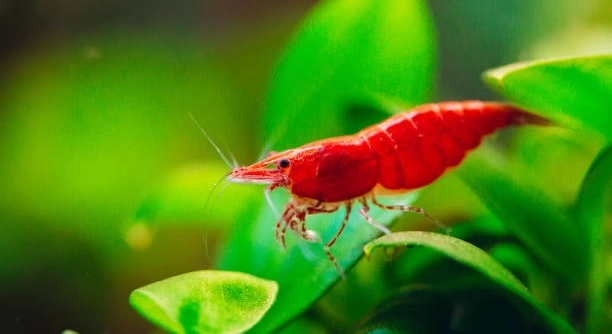
Do your cherry shrimp often gather near the filter, moving in small groups around the water flow? This common behavior can leave many shrimp keepers puzzled about why their tiny pets favor one area. Observing their habits is part of understanding their needs.
Cherry shrimp tend to stay near the filter due to the flow of oxygen-rich water and constant circulation, which provides optimal conditions for feeding, cleaning, and safety. This area supports their natural behaviors and helps maintain overall well-being.
Knowing why they gather here can help you create a healthier environment for your shrimp. Understanding these patterns ensures they thrive comfortably in your tank.
Why Cherry Shrimp Prefer the Filter Area
Cherry shrimp are naturally drawn to areas with steady water flow, which is why the filter becomes their preferred spot. The movement of water near the filter delivers higher oxygen levels and helps keep food particles suspended, making it easier for shrimp to feed. The filter area also creates a sense of security, as the continuous flow discourages sudden changes in their environment, giving them a stable space to explore. Many shrimp will graze on biofilm that grows on the filter and surrounding surfaces, adding another reason to stay close. Additionally, the filter provides hiding spots within and around it, which is important for molting shrimp or those seeking safety from larger tankmates. Regular observation can help identify patterns and ensure the tank remains balanced, promoting healthy shrimp behavior and minimizing stress. Adjusting flow and hiding areas can encourage shrimp to spread out while maintaining their comfort.
Filters not only aid water quality but also provide a natural gathering point that shrimp instinctively favor for feeding and safety.
Watching shrimp interact near the filter shows a clear preference for oxygen-rich water and biofilm surfaces. Their consistent presence here is a normal behavior, reflecting comfort and security. Tank layout, hiding spots, and gentle water flow all influence where they spend their time. Shrimp use the filter area to forage efficiently while remaining protected from perceived threats. Even in larger tanks, a cluster near the filter is common because the combination of flow, food particles, and shelter meets multiple needs. By recognizing these patterns, you can better manage feeding schedules, tank maintenance, and habitat improvements. The filter area is more than just a water-cleaning tool; it becomes a central part of shrimp activity and overall well-being. Providing a balanced environment with multiple surfaces and gentle currents ensures they remain active, healthy, and content throughout the tank.
Adjusting Tank Conditions to Encourage Movement
Creating a balanced tank encourages shrimp to explore beyond the filter area. Proper hiding spots, plants, and gentle water flow can reduce overconcentration near the filter.
Shrimp often stay near the filter because it offers constant oxygen and protection, but tank design can influence their movement. Introducing live plants and low-flow zones gives shrimp alternative feeding and resting areas. Floating moss, dense leaf litter, and small caves allow shrimp to graze and hide safely away from the strong currents. Regularly rotating decorations or changing plant placement can stimulate exploration while still maintaining comfort. Water parameters like temperature, pH, and ammonia levels affect shrimp activity; consistent conditions make them feel secure enough to roam. Adjusting the filter output slightly or adding a secondary low-flow zone can prevent overcrowding and reduce stress. By providing multiple areas with food, shelter, and moderate water flow, shrimp will gradually distribute throughout the tank. Observation and gentle tweaks to habitat features ensure that shrimp remain healthy, active, and less dependent on a single area for survival and comfort.
Common Misconceptions About Filter Behavior
Many shrimp keepers assume shrimp stay near the filter because it is stressful or dangerous, but this is rarely the case. Their behavior is usually related to comfort, oxygen levels, and easy access to food particles in the water column.
Shrimp are naturally drawn to stable areas where water conditions are consistent. The filter area provides continuous circulation, which keeps oxygen levels high and distributes food evenly. Shrimp feed on biofilm and tiny debris that accumulate near filters, which makes this zone practical for grazing. Overcrowding near the filter does not indicate illness in most cases; it reflects natural preference and environmental cues. Observing shrimp behavior over time shows they will move around the tank if food and shelter are available elsewhere. Proper tank design, including plants and hiding spots, can gradually encourage exploration without stressing the shrimp.
Another misconception is that adjusting the filter to reduce flow will force shrimp to leave, but they often remain near the area out of habit. While lowering strong currents can help balance tank activity, shrimp will still prefer the filter if it offers consistent oxygen and food. They establish microhabitats, using crevices, filter surfaces, and nearby plants to feel secure. Adding alternative grazing spots and feeding stations can help distribute shrimp more evenly. Maintaining clean water and stable parameters ensures shrimp remain active, healthy, and comfortable while exploring other parts of the tank. Understanding their preferences allows for a more functional and balanced habitat.
Factors That Influence Shrimp Movement
Shrimp movement is influenced by water flow, oxygen levels, temperature, and available food sources. These factors dictate where they spend most of their time.
Water circulation near the filter creates oxygen-rich areas that attract shrimp, while gentle currents in other tank regions encourage exploration without overwhelming them. Temperature and pH levels affect activity; stable conditions promote confidence to move freely. Availability of biofilm, algae, and tiny particles of food across the tank determines where shrimp gather. Providing hiding spots, plants, and moss mats in multiple areas encourages even distribution. Shrimp are highly sensitive to sudden changes in water chemistry or flow, which can cause them to cluster in familiar zones. Regular observation and slight adjustments in tank layout and feeding routines help maintain healthy movement patterns. Creating a balanced environment ensures shrimp remain active, comfortable, and less dependent on a single area for survival.
Feeding Habits Near the Filter
Shrimp gather near the filter because food particles accumulate in the flow, making it easier for them to find nourishment. Biofilm growth on surfaces near the filter also provides a natural grazing spot.
Regular feeding routines can reinforce this behavior. When food is added, it often drifts toward the filter area, attracting shrimp. They instinctively learn that this location offers consistent access to nutrition without much effort. Over time, they associate the filter zone with reliable feeding, which explains their frequent presence there. Adjusting feeding locations or distributing food throughout the tank can encourage shrimp to explore other areas.
Safety and Shelter
The filter area provides small crevices and gentle water currents that offer a sense of security. Shrimp use these spaces to hide during molting or stress.
Water Flow and Oxygen Levels
Strong water flow near the filter helps maintain higher oxygen concentrations, which is essential for shrimp health. Oxygen-rich zones support their activity and metabolic needs.
Encouraging Balanced Exploration
Providing multiple hiding spots and gentle water flow in other parts of the tank can help shrimp feel comfortable moving beyond the filter area.
FAQ
Why do my cherry shrimp always stay near the filter?
Cherry shrimp are naturally drawn to areas with higher water circulation. The filter provides constant oxygen and distributes food particles, making it a comfortable feeding and resting spot. It also offers small hiding places around the filter’s edges and crevices, giving shrimp a sense of security.
Is it normal for all my shrimp to gather in one area?
Yes, this is common behavior. Shrimp prefer zones that are stable, oxygen-rich, and have easy access to food. As long as water parameters are consistent and shrimp appear healthy, clustering near the filter is natural. Over time, they may explore other areas if additional hiding spots and food sources are available.
Can the filter harm my shrimp if they stay too close?
Generally, no. Most filters are designed with gentle flows that shrimp can navigate safely. However, very strong currents or large filter intakes could pose risks. Installing a sponge pre-filter or adjusting the flow can protect smaller shrimp and provide safer grazing areas.
How can I encourage my shrimp to explore other parts of the tank?
Providing plants, moss, and hiding spaces in multiple locations can help. Spreading food evenly throughout the tank encourages shrimp to leave the filter area. Creating gentle currents away from the filter can also make other zones more appealing while maintaining the oxygen levels shrimp need.
Does staying near the filter indicate stress or illness?
Not usually. While stressed or sick shrimp may hide more, clustering near the filter is more often related to comfort, feeding, and oxygen levels. Regularly observing shrimp for signs of lethargy, discoloration, or unusual behavior is the best way to ensure their health.
Will reducing the filter flow change shrimp behavior?
Lowering strong currents can make shrimp feel more comfortable in other areas, but they may still favor the filter. Gradually adjusting flow and adding alternate feeding or resting spots can balance their distribution. Avoid sudden changes that could shock the shrimp or disrupt water quality.
Why do shrimp stay near the filter even when there are plants and decorations elsewhere?
The filter creates a combination of food, oxygen, and shelter that is difficult to replicate elsewhere in the tank. While plants and decorations provide hiding spaces, the filter’s flow and consistent food availability are unique attractions. Supplementing these other areas with biofilm and gentle currents can help.
Can too many shrimp near the filter cause problems?
Overcrowding near the filter may lead to competition for food and stress in smaller tanks. Ensuring there are multiple feeding zones, plants, and low-flow areas can reduce clustering and help maintain a balanced population.
How often should I check the filter if my shrimp stay nearby?
Filters should be checked regularly to ensure proper flow and prevent clogging. Observing shrimp behavior during maintenance can also indicate whether water conditions are stable. Clean or replace filter media as recommended without disrupting shrimp habitats.
Do shrimp eventually leave the filter area on their own?
Yes, as they become comfortable with other parts of the tank, they will explore more. Providing food, shelter, and safe flow conditions throughout the tank encourages gradual movement and reduces dependency on the filter zone.
Can filter type influence shrimp behavior?
Yes, sponge filters are particularly shrimp-friendly because they provide gentle water flow and surfaces for grazing. Strong hang-on-back or canister filters may need modifications, like flow reduction or pre-filters, to make the area safe and attractive for shrimp.
Is clustering near the filter the same for all shrimp species?
Not exactly. Cherry shrimp are small and prefer gentle currents, while larger or different species may behave differently. Observing species-specific habits helps in understanding why shrimp gather and how to adjust tank conditions to suit them.
How do I know if my tank layout is encouraging healthy shrimp behavior?
A balanced layout includes plants, moss, hiding spaces, and multiple feeding areas. Shrimp that explore, feed actively, and molt successfully are showing signs of a healthy environment. Regular observation and minor adjustments can optimize their comfort and activity levels.
What other factors besides the filter affect where shrimp stay?
Temperature, pH, water quality, and lighting all influence shrimp activity. Sudden changes in these factors can cause them to cluster in familiar zones. Maintaining stable water parameters ensures shrimp feel secure enough to use the entire tank.
Can feeding habits change where shrimp stay near the filter?
Yes, shrimp often associate the filter area with food. Offering meals in multiple locations can train them to spread out. Using sinking pellets or feeding near plant surfaces encourages grazing away from the filter while maintaining proper nutrition.
Do shrimp prefer new or older filters?
Shrimp are attracted to biofilm and microfauna that develop over time. Older filters may have more growth to graze on, but new filters with sufficient flow and oxygen still attract shrimp. Both can be used effectively if other environmental needs are met.
Will adding more hiding spots reduce filter crowding?
Yes, providing caves, moss mats, and dense plants in other areas encourages shrimp to move. They still use the filter but will distribute more evenly if alternative safe spaces are available. This supports healthier social interaction and reduces stress.
How does water current affect shrimp near the filter?
Moderate currents create oxygen-rich areas and carry food particles, attracting shrimp. Too strong currents can be avoided by adjusting flow or adding barriers, allowing shrimp to feed and rest safely while still benefiting from water circulation.
What should I do if shrimp never leave the filter?
Check water parameters, ensure there are hiding spots elsewhere, and distribute food evenly. Gradually adjusting flow and providing alternative grazing areas can encourage exploration. Patience is key, as shrimp adapt slowly to new spaces when they feel safe.
Do shrimp behavior patterns near the filter change over time?
Yes, as the tank matures and biofilm develops in other areas, shrimp may explore more. Seasonal feeding adjustments, plant growth, and tank maintenance can influence movement, creating a more balanced distribution over time.
Can overcrowding near the filter impact water quality?
It can if food accumulates or waste is concentrated. Regular maintenance, feeding in multiple locations, and proper filtration prevent buildup, keeping water quality stable and shrimp healthy.
Are shrimp more active near the filter at certain times?
Shrimp tend to be more active when feeding or when water conditions are stable. Nighttime activity may increase if lighting is low, but the filter often remains a central area due to constant oxygen and food availability.
How do I know if shrimp are stressed near the filter?
Signs of stress include hiding excessively, color fading, lethargy, or erratic movement. If these behaviors appear, check water parameters, flow, and potential tank disturbances. Healthy shrimp cluster without showing signs of discomfort or decline.
Does filter cleaning disturb shrimp behavior?
Temporary disruption is normal during maintenance. Shrimp may scatter or hide but usually return once conditions stabilize. Cleaning gently and replacing media gradually minimizes stress while maintaining water quality.
Can adding more shrimp change how they interact with the filter area?
Yes, larger populations may increase competition for food and space. Providing multiple grazing and hiding zones reduces crowding near the filter and encourages natural social behavior, ensuring a balanced and healthy tank environment.
Do shrimp use the filter differently when molting?
Yes, molting shrimp often hide near crevices around the filter where water flow provides safety but does not dislodge them. This ensures they can shed their exoskeleton with minimal risk while accessing oxygen-rich water for recovery.
Is clustering near the filter temporary or permanent behavior?
It is typically situational. Shrimp cluster for comfort, food, and oxygen. With balanced tank conditions, they will gradually explore and utilize other areas, though some will continue to favor the filter as a central feeding and resting spot.
How can I create a tank environment that reduces overreliance on the filter?
Distribute food, plants, moss, and hiding spots evenly. Provide gentle water currents in multiple zones. Monitor shrimp activity and adjust layout gradually, allowing them to feel secure while exploring. Over time, they will naturally use the entire tank.
Will filter type or placement change shrimp behavior?
Yes, filters with gentle flow and accessible surfaces are preferred. Sponge filters work well, while strong canister or hang-on-back filters may require adjustments to flow and pre-filters to keep shrimp safe and encourage movement beyond the immediate area.
Does water temperature affect shrimp clustering near the filter?
Higher or lower temperatures can influence activity levels. Stable temperatures encourage exploration, while fluctuations may make shrimp seek safe, familiar zones like the filter area. Maintaining consistent temperature supports natural behavior and reduces overclustering.
Can adding live plants shift shrimp distribution?
Yes, live plants provide grazing surfaces, shelter, and alternative oxygen zones. Dense plants near low-flow areas attract shrimp away from the filter while still meeting their needs for food and security. Strategic placement helps balance tank activity.
How do I know if the filter area is meeting shrimp needs?
If shrimp are active, feeding, and molting successfully, the filter area is serving its purpose. Observing behavior during feeding and rest periods shows whether oxygen, food, and shelter are sufficient or if adjustments are needed.
Can too little biofilm affect shrimp behavior near the filter?
Yes, biofilm is a primary food source. Low growth can make shrimp cluster near any area where particles collect. Providing surfaces for biofilm development or supplementing with powdered food encourages grazing throughout the tank.
Do shrimp prefer the filter at night or during the day?
Shrimp activity often increases in low-light conditions, but the filter remains attractive at all times due to oxygen and food availability. They may use plants and hiding spots more actively during the day for shelter.
Will changing tank decorations influence shrimp filter behavior?
Yes, rearranging plants, rocks, or moss mats can encourage shrimp to explore new areas. Gradual changes prevent stress and create alternative zones for feeding and hiding, reducing overreliance on the filter.
Are young shrimp more likely to stay near the filter?
Juvenile shrimp often remain near the filter because it provides easy access to food and safety. As they grow and gain confidence, they begin exploring other areas while still using the filter as a reliable resource.
How do I maintain water quality when shrimp cluster near the filter?
Regular maintenance, monitoring ammonia and nitrite levels, and feeding evenly help prevent buildup. Sponge pre-filters or gentle cleaning reduce waste accumulation without disturbing shrimp, keeping water stable and safe.
Can shrimp detect water quality differences near the filter?
Yes, shrimp are sensitive to oxygen levels, current, and particle availability. They cluster in areas with favorable conditions and may avoid stagnant or low-oxygen zones. Proper flow and water parameters ensure healthy distribution throughout the tank.
How often should I observe shrimp near the filter?
Daily observation helps track health, behavior, and activity patterns. Noting changes in clustering or grazing behavior can indicate water quality issues or stress, allowing timely adjustments for a balanced tank environment.
Do shrimp leave the filter area during feeding?
Often, yes. If food is dispersed across the tank, shrimp will explore and graze in multiple locations. Even during feeding, they tend to return to the filter for safety and oxygen-rich water.
Can overcrowding near the filter affect shrimp molting?
Excessive clustering may stress molting shrimp, as they need space and calm water. Providing multiple hiding spots and moderate flow areas reduces competition and allows safe molting while maintaining access to oxygen.
How do I know if my filter is too strong for shrimp?
Signs include shrimp struggling to hold position, hiding constantly, or avoiding the area. Adjusting flow, using a sponge pre-filter, or creating gentle currents can make the zone safer while retaining oxygen and food availability.
Does filter maintenance timing affect shrimp behavior?
Yes, sudden cleaning or media changes can temporarily disturb shrimp. Performing gradual maintenance during low activity periods reduces stress while maintaining stable water conditions. Shrimp usually return once conditions stabilize.
Can adding more food reduce filter clustering?
Distributing food evenly encourages shrimp to explore other areas. Using sinking pellets or placing food near plants and moss promotes grazing away from the filter while still meeting nutritional needs.
Do shrimp prefer certain areas of the filter over others?
Yes, areas with gentle currents, small crevices, and accessible surfaces for grazing are favored. Shrimp select zones that balance oxygen, food availability, and safety from strong flow or disturbances.
How does tank size influence shrimp clustering near the filter?
Smaller tanks may see more crowding due to limited space, while larger tanks provide alternative zones. Adding plants, moss, and gentle currents in larger tanks encourages even distribution and reduces dependence on the filter.
Can changing lighting affect shrimp behavior near the filter?
Shrimp are sensitive to light. Bright lighting may encourage them to seek shelter near the filter or under plants. Dim or natural light promotes grazing and exploration while maintaining comfort near oxygen-rich areas.
Do shrimp remember safe areas near the filter?
Yes, shrimp form habitual patterns based on oxygen, food, and shelter. They return to familiar spots even if other areas are safe, demonstrating learned behavior and preference for stability.
How long does it take for shrimp to explore away from the filter?
It varies based on tank conditions and individual shrimp confidence. With proper hiding spots, distributed food, and gentle currents, gradual exploration occurs over days to weeks, reducing dependence on a single area.
Can tank mates influence filter clustering?
Yes, more active or aggressive species may push shrimp toward the filter for safety. Providing multiple hiding zones reduces stress and allows shrimp to forage and rest comfortably while avoiding conflict.
Does water chemistry near the filter differ from other areas?
Minor differences in flow, oxygen, and particle concentration exist. These factors make the filter a favorable zone. Ensuring consistent water parameters throughout the tank supports exploration and reduces overreliance on one area.
Can using multiple filters change shrimp distribution?
Yes, additional filters create more oxygen-rich zones. Shrimp may split between them, reducing crowding near a single filter and encouraging balanced grazing and resting patterns throughout the tank.
Do shrimp prefer vertical or horizontal surfaces near the filter?
They use both, but vertical surfaces like filter sides offer protection and surfaces for biofilm growth. Horizontal areas near the filter provide grazing spots and rest areas, creating a combination of resources in one location.
Will changing feeding times affect filter behavior?
Yes, consistent feeding routines reinforce clustering near the filter. Varying feeding times and locations can encourage exploration, helping shrimp spread out and use the tank more evenly while still accessing oxygen-rich water.
Is molting behavior affected by staying near the filter?
Staying near the filter provides safe crevices and oxygen-rich water during molting. This reduces vulnerability while shrimp are soft and more sensitive to stress or disturbance.
Do shrimp ever ignore the filter completely?
In well-planted and balanced tanks with even food distribution, shrimp may use the filter less. However, they often return due to oxygen, flow, and grazing surfaces that are difficult to replicate elsewhere.
Can seasonal changes influence shrimp clustering?
Temperature fluctuations or seasonal lighting changes may affect activity levels, causing shrimp to gather near safe, familiar areas like the filter. Maintaining stable conditions minimizes extreme shifts in behavior.
How do I ensure young shrimp safely use the filter area?
Provide sponge pre-filters or gentle currents to prevent small shrimp from being sucked in. Dense plants and moss mats around the filter offer grazing and hiding spaces while keeping them safe from strong flow or tankmates.
Does water hardness affect shrimp clustering near the filter?
Softer water may cause shrimp to prefer calmer areas, while harder water with good oxygen levels supports movement. Stable parameters allow shrimp to use the filter for convenience without overreliance.
Can adding driftwood or stones help reduce filter dependence?
Yes, driftwood and stones provide grazing surfaces and shelter, offering alternative areas for food and security. Strategic placement encourages shrimp to explore while maintaining comfort similar to the filter zone.
Do shrimp communicate or interact more near the filter?
They often gather for feeding and grazing, which increases interaction. The filter area provides a central space where multiple shrimp can feed, rest, and find protection, promoting social behavior without overcrowding.
Will changing water flow direction influence shrimp behavior?
Adjusting flow slightly can redistribute shrimp activity. Gentle currents in other areas make them more comfortable exploring while maintaining oxygen-rich conditions, reducing excessive clustering near a single filter.
How do I monitor shrimp health while they stay near the filter?
Observe color, activity, and feeding patterns. Healthy shrimp cluster but remain active, graze, and molt successfully. Sudden lethargy or discoloration indicates possible stress or water quality issues, prompting checks and adjustments.
Does filter placement affect tank aesthetics and shrimp movement?
Yes, central or visible filters attract shrimp more. Placing filters near plants or decorations can make shrimp feel safe while maintaining visual appeal and encouraging them to use other zones.
Can shrimp behavior indicate water quality issues at the filter?
Yes, sudden clustering, avoidance, or frantic movement may signal low oxygen, ammonia spikes, or other problems. Regular monitoring ensures the filter supports healthy behavior rather than causing stress.
Is it necessary to replicate the filter area elsewhere in the tank?
Replicating oxygen-rich, gently flowing areas with grazing surfaces helps balance shrimp activity. It is not required but encourages even distribution, reducing crowding and supporting healthier interactions throughout the tank.
Do shrimp respond to changes in filter noise or vibration?
Shrimp may temporarily avoid noisy or vibrating filters. Once conditions stabilize, they typically return if oxygen, food, and hiding spots remain favorable. Minimizing disturbance helps maintain consistent behavior patterns.
Can filter material affect shrimp grazing behavior?
Sponge and porous media provide surfaces for biofilm growth, attracting shrimp. Smooth or solid surfaces are less effective. Using suitable filter materials encourages grazing and natural activity near the filter.
How can I track shrimp movement patterns near the filter?
Observing at different times of day, during feeding, and after maintenance helps track behavior. Noting clusters, grazing, and hiding spots allows adjustments to encourage exploration and maintain a healthy, balanced tank environment.
Do shrimp prefer new biofilm or established biofilm near the filter?
They favor established biofilm for reliable grazing but will also explore fresh growth. Providing surfaces for continuous biofilm development supports nutrition and encourages active foraging near and beyond the filter.
Are there long-term effects if shrimp only stay near the filter?
Shrimp may become less active or develop uneven grazing patterns if limited to one area. Providing multiple zones with food, shelter, and gentle flow supports overall health, encourages movement, and prevents stagnation.
Can adding slow-release food pellets reduce filter clustering?
Yes, distributing slow-release pellets throughout the tank allows shrimp to feed in multiple locations, encouraging exploration and reducing dependence on the filter while maintaining balanced nutrition.
Do shrimp show preferences for certain filter surfaces?
Textured surfaces and areas with crevices are preferred for grazing and hiding. Smooth, uncolonized surfaces are less attractive, so using sponge or porous media increases usable space and encourages healthy behavior.
**Will changes
Cherry shrimp clustering near the filter is a natural and common behavior. They are drawn to the filter because it provides several essential conditions in one location. The water flow around the filter increases oxygen levels, which supports their metabolism and overall health. The filter also helps circulate tiny food particles throughout the water, making it easier for shrimp to find and eat. In addition to food and oxygen, the filter area offers small crevices and surfaces where shrimp can feel safe, especially during molting or when they want to rest. Observing shrimp behavior in this area can help tank owners understand what conditions shrimp prefer and how to maintain a healthy environment.
While the filter area is an important gathering spot for cherry shrimp, it is equally important to encourage movement throughout the tank. Providing live plants, moss mats, and hiding spots in multiple areas gives shrimp alternative spaces for grazing and resting. Distributing food in different parts of the tank can also help reduce clustering near the filter. Adjusting water flow in certain areas to create gentle currents can make other zones more appealing while still maintaining oxygen levels. Over time, shrimp will naturally explore these spaces while still returning to the filter for comfort and feeding. Monitoring shrimp activity and behavior ensures they are healthy and thriving in all areas of the tank.
Creating a balanced tank environment supports the long-term well-being of cherry shrimp. Stable water parameters, proper temperature, and consistent maintenance are key factors that influence shrimp behavior. The filter remains an essential feature for oxygen and food distribution, but by providing multiple grazing and hiding zones, shrimp can move freely and safely. Observing how they interact with both the filter and other parts of the tank provides insight into their preferences and needs. Ultimately, understanding why shrimp stay near the filter and how to create conditions that encourage exploration will lead to a healthier, more active, and balanced aquarium. This knowledge allows shrimp keepers to optimize tank design, feeding practices, and water flow, ensuring that their shrimp remain comfortable, well-nourished, and safe throughout their environment.

Hello,
If you enjoy the content that we create, please consider saying a "Thank You!" by leaving a tip.
Every little bit helps us continue crafting quality advice that supports the health, happiness, and well-being of pets around the world, for pets of all shapes, sizes, and species.
We really appreciate the kindness and support that you show us!